

Commentary
While China will remain a significant political and economic force in the Global South, its ambition to leverage the Global South as a counterbalance to the United States and the Global North is far from assured.
Xue Gong
{
  "authors": [
    "Milan Vaishnav",
    "Alec Sugarman"
  ],
  "type": "legacyinthemedia",
  "centerAffiliationAll": "dc",
  "centers": [
    "Carnegie Endowment for International Peace"
  ],
  "collections": [],
  "englishNewsletterAll": "ctw",
  "nonEnglishNewsletterAll": "",
  "primaryCenter": "Carnegie Endowment for International Peace",
  "programAffiliation": "SAP",
  "programs": [
    "South Asia"
  ],
  "projects": [],
  "regions": [
    "South Asia",
    "India"
  ],
  "topics": [
    "Political Reform"
  ]
}
Source: Getty
Indian legislators have very little in common with the average citizen.
Source: Live Mint
The Economist recently examined how representative the incoming 114th US Congress is of the broader American public. The newspaper, perhaps not surprisingly, found (mintne.ws/1B8Ug6y) that America’s legislators have very little in common with the average Joe on Main Street. We decided to perform a similar exercise for the 543 members of Parliament (MPs) inducted into the Lok Sabha in May 2014. We, too, found very stark differences.
For starters, India has one of the youngest populations in the world—with a median age of 24, according to the 2011 census—yet, the median Lok Sabha MP is around 55 years old. Although the percentage of women in the Lok Sabha reached an all-time high in 2011 (11.2%), this is still shockingly low compared with the female share of the population. And while the census has not yet released religion-wise population data for 2011, Muslim representation in the lower house is less than one-third of their share of the population, based on 2001 figures.
The dimension on which there is the greatest discrepancy is wealth. The average MP reported an income of Rs31 lakh in 2012-2013 (this does not include the income of their spouses or dependents) on their nomination papers, a figure that is thirty-six-and-a-half times India’s average per capita income. There are major differences on education and occupation as well. Three-quarters of Lok Sabha MPs are graduates, which is leaps and bounds above the 9.6% of Indians at large. And despite the fact that half the population is employed in agriculture, just one in four MPs can claim such an affiliation.

In this era of bonhomie between India and the US, the two have even more in common than we thought.
This article was originally published in Live Mint. Graphic created by Live Mint.

Director and Senior Fellow, South Asia Program
Milan Vaishnav is a senior fellow and director of the South Asia Program and the host of the Grand Tamasha podcast at the Carnegie Endowment for International Peace. His primary research focus is the political economy of India, and he examines issues such as corruption and governance, state capacity, federalism, and electoral behavior. He also conducts research on the Indian diaspora.
Alec Sugarman
Former Junior Fellow, South Asia Program
Carnegie does not take institutional positions on public policy issues; the views represented herein are those of the author(s) and do not necessarily reflect the views of Carnegie, its staff, or its trustees.
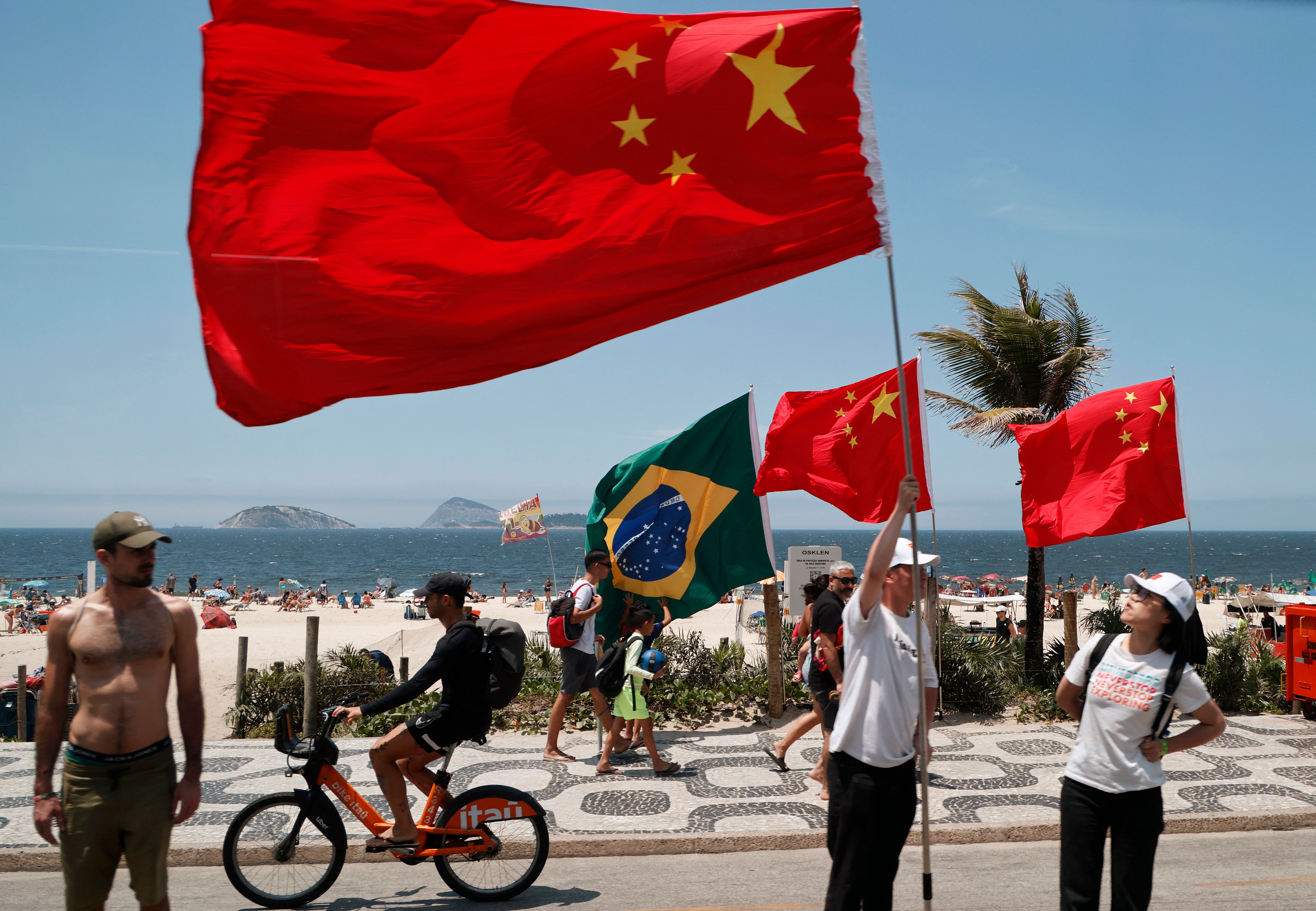
While China will remain a significant political and economic force in the Global South, its ambition to leverage the Global South as a counterbalance to the United States and the Global North is far from assured.

Xue Gong
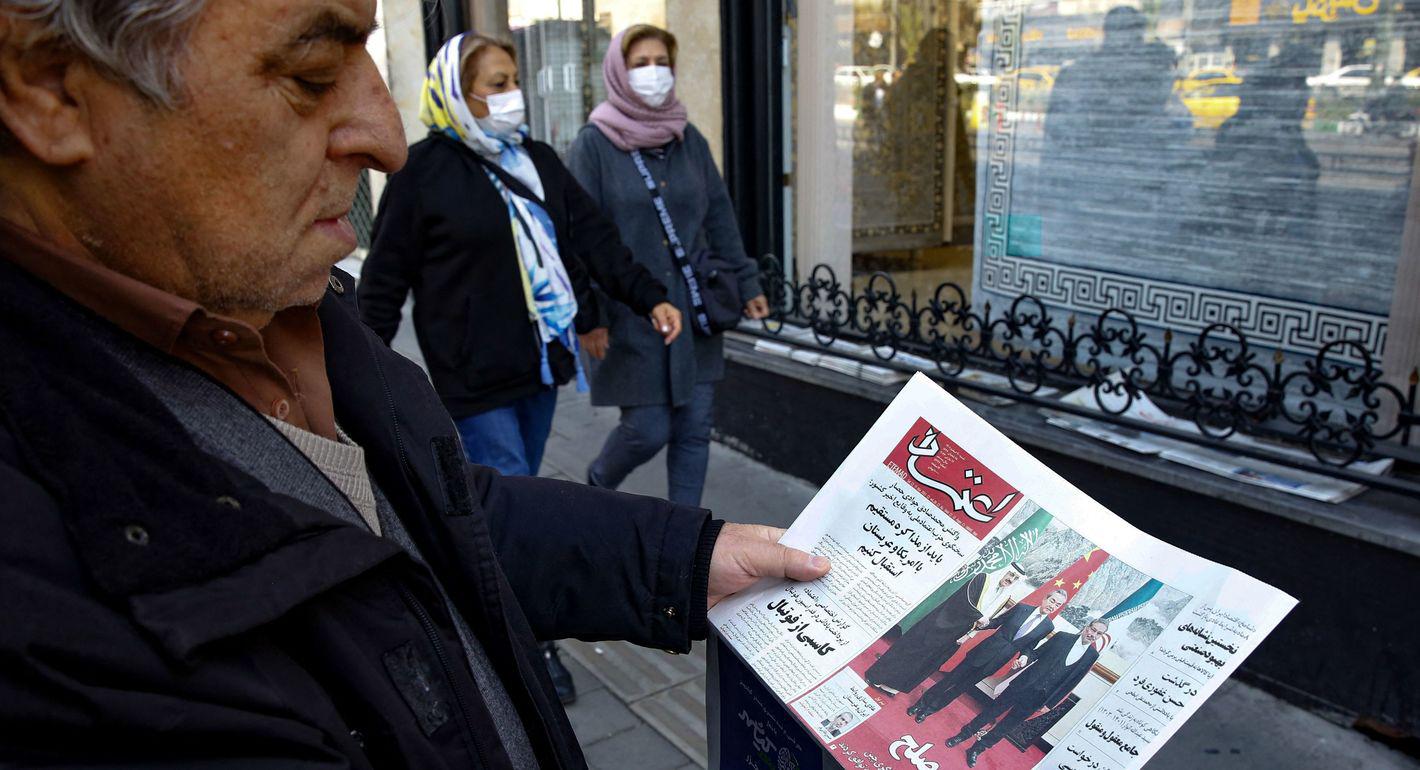
Transactional relationships are stable but can be shallow.



Paul Haenle, Maha Yahya, Benjamin Ho, …
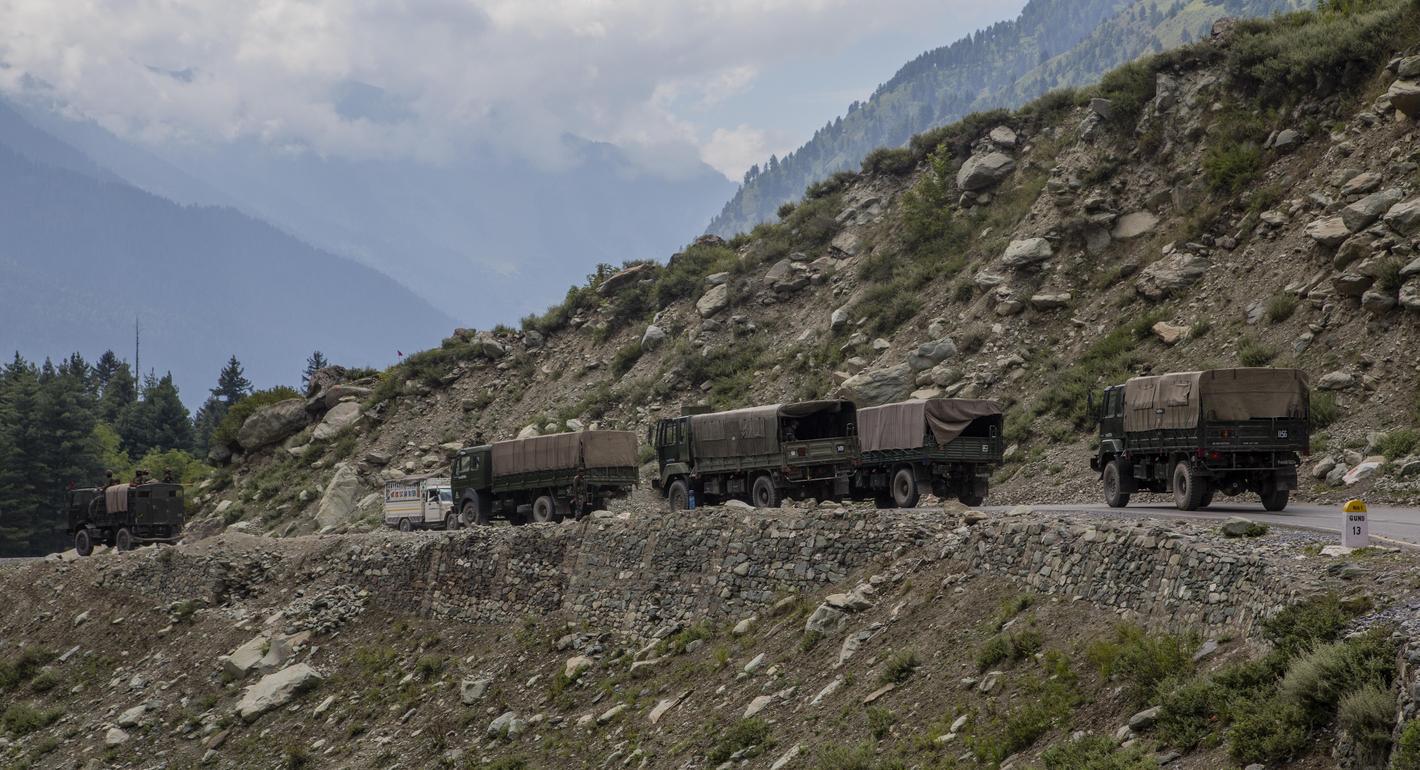
Can China and India disengage from contested territories along the border?
Paul Haenle, Ashley J. Tellis, Han Hua, …
It’s about managing oil prices, bread prices, and strategic partnerships.



Amr Hamzawy, Karim Sadjadpour, Aaron David Miller, …
The government extends the uncertainty with its two new taxes and digital rupee.

Anirudh Burman, Priyadarshini D.