

Article
China has showcased its engineering prowess with small modular reactor demonstration projects. But turning these technological achievements into commercial success will be a greater challenge.
Tong Zhao
{
  "authors": [
    "Zhang Lihua",
    "Vasilis Trigkas"
  ],
  "type": "legacyinthemedia",
  "centerAffiliationAll": "",
  "centers": [
    "Carnegie Endowment for International Peace",
    "Carnegie China"
  ],
  "collections": [
    "China’s Foreign Relations"
  ],
  "englishNewsletterAll": "",
  "nonEnglishNewsletterAll": "",
  "primaryCenter": "Carnegie China",
  "programAffiliation": "",
  "programs": [],
  "projects": [],
  "regions": [
    "Western Europe"
  ],
  "topics": [
    "Economy"
  ]
}
Source: Getty
The outcome of Greece’s election and the country’s potential exit from the eurozone will have profound implications for Europe’s future prospects.
Source: Global Times
The early days of 2015 look like the plot of a Greek tragedy with Europe as the protagonist. A barbaric attack against French satirical magazine Charlie Hebdo and the political repercussions of a more xenophobic European demos as well as the failure of the Greek parliament to elect a president will shape European and global affairs well into 2015.
While the rise of Islamic fundamentalism is a long-term threat to the civilized world, a more imminent question is the political crisis in Greece and the domino effect that a “Greexit” could have for the economic vibrancy and the very survival of the eurozone. The multipolar world order that China has been eager to shape could be threatened.
There have been German reports supporting the idea that a “Greexit” can be effectively contained. However most analysts agree that the moral hazards of the potential reversibility of the eurozone project combined with prolonged economic stagnation in countries like Italy and Spain would lead to the eventual abandonment of the euro by Rome and Madrid and even by Paris. The breakup would be unpredictable and the European economy could contract substantially with European integration suffering irreparable damage.China’s worries are both strategic and economic. Europe, with its almost half a billion citizens, needs to be a strong bulwark in the world order, providing balance between the US, Russia and China. The collapse of the EU integration project would create uncertainties and imbalances and destabilize the global system.
On the economic front, the exit of Greece from the eurozone and the collapse of the monetary union would leave the US dollar as the sole reserve currency for the years ahead and thus limit China’s ability to diversify its monetary reserves away from the currency of its major geopolitical and security competitor. US quantitative easing has not only allowed Washington to reduce the value of the dollar and thus made China suffer real losses on its dollar reserves, but has also helped the US to retain a high military budget and expand its military posture in Asia.
Also, on the economic front, the turbulence of a Greexit and the contraction of the EU economy, at least in the short to mid term, would adversely affect Chinese exports to Europe and harm Chinese growth which already stands at its lowest point in decades. At the same time, European investments in China would decline and the newly issued and heavily depreciated currencies of the former eurozone members would harm China’s competitiveness in the global markets. Such an economic Armageddon could strongly affect the stability of China.
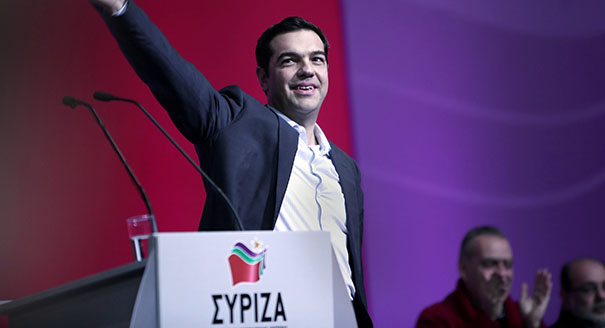
According to current polls, Syriza, a radical left-wing party, is predicted to win the early snap election scheduled for January 25. The vision that Syriza has for Greece’s position in the eurozone is not clear as some of its senior members believe that a national currency is the only path to fast economic recovery. However the young president of the party Alexis Tsipras has clearly stated that Syriza is a pro-European party and its economic policy mix is not aimed at leaving the eurozone, but securing it from the perils of disinflation, high unemployment and right-wing extremism.
Syriza believes that a new deal can be a combination of debt relief and investments in innovation, renewable energy and infrastructure funded by the European Investment Bank and special financial vehicles. In addition, since 2011 the eurozone has implemented strict rules on the budget deficits of its members and thus debt relief measures in Greece will not be wasted as Athens cannot indulge and follow its past sinful behavior.
While at first glance Syriza’s policies have been vehemently condemned by German officials, the longer-term interest of Germany is to help the eurozone recover before extremist tendencies become unmanageable. A pro-growth agenda that shares the costs of EU-wide unemployment and thus promotes solidarity does not contradict the European dream that has shaped post-WWII Europe and substantially contributed to both a welfare state and stronger economies.

Zhang Lihua
Former Resident Scholar, Carnegie-Tsinghua Center for Global Policy
Zhang Lihua was a resident scholar at the Carnegie-Tsinghua Center until June 2020.
Vasilis Trigkas
Carnegie does not take institutional positions on public policy issues; the views represented herein are those of the author(s) and do not necessarily reflect the views of Carnegie, its staff, or its trustees.
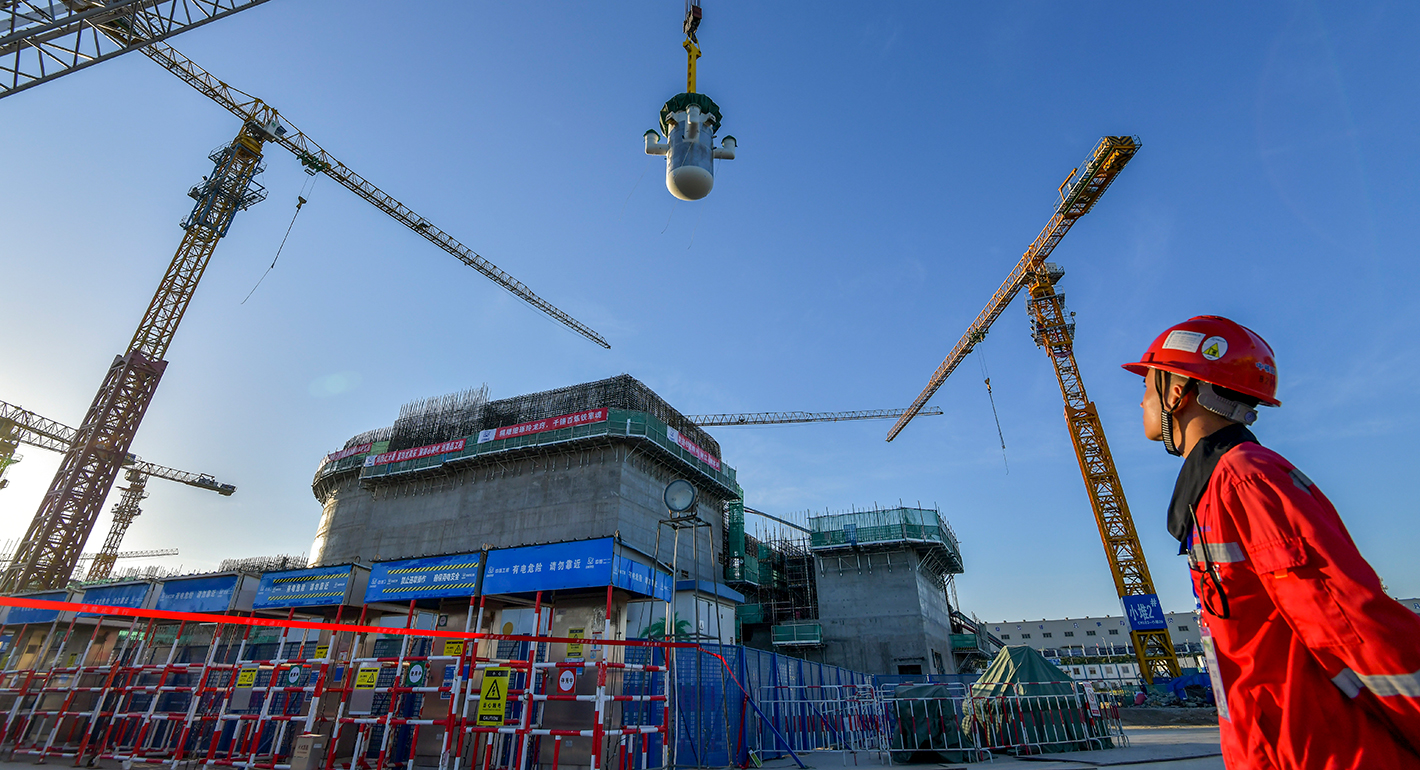
China has showcased its engineering prowess with small modular reactor demonstration projects. But turning these technological achievements into commercial success will be a greater challenge.

Tong Zhao

The Plaza Accord was not an externally imposed punishment of Japan but part of a broader restructuring that Japanese economists and policymakers themselves recognized was necessary. Its effects were undermined, however, when Tokyo responded to the resulting slowdown with policies that exacerbated investment, credit expansion, and the very imbalances the adjustment was intended to resolve.

Michael Pettis
China’s banking crisis in the 2000s was resolved by transferring the costs to households through financial repression—a decision that recapitalized the banks while exacerbating the structural imbalances that continue to shape the Chinese economy today.
Michael Pettis

In the latest Five-Year Plan, the Chinese president cements the shift to an innovation-driven economy over a consumption-driven one.

Damien Ma
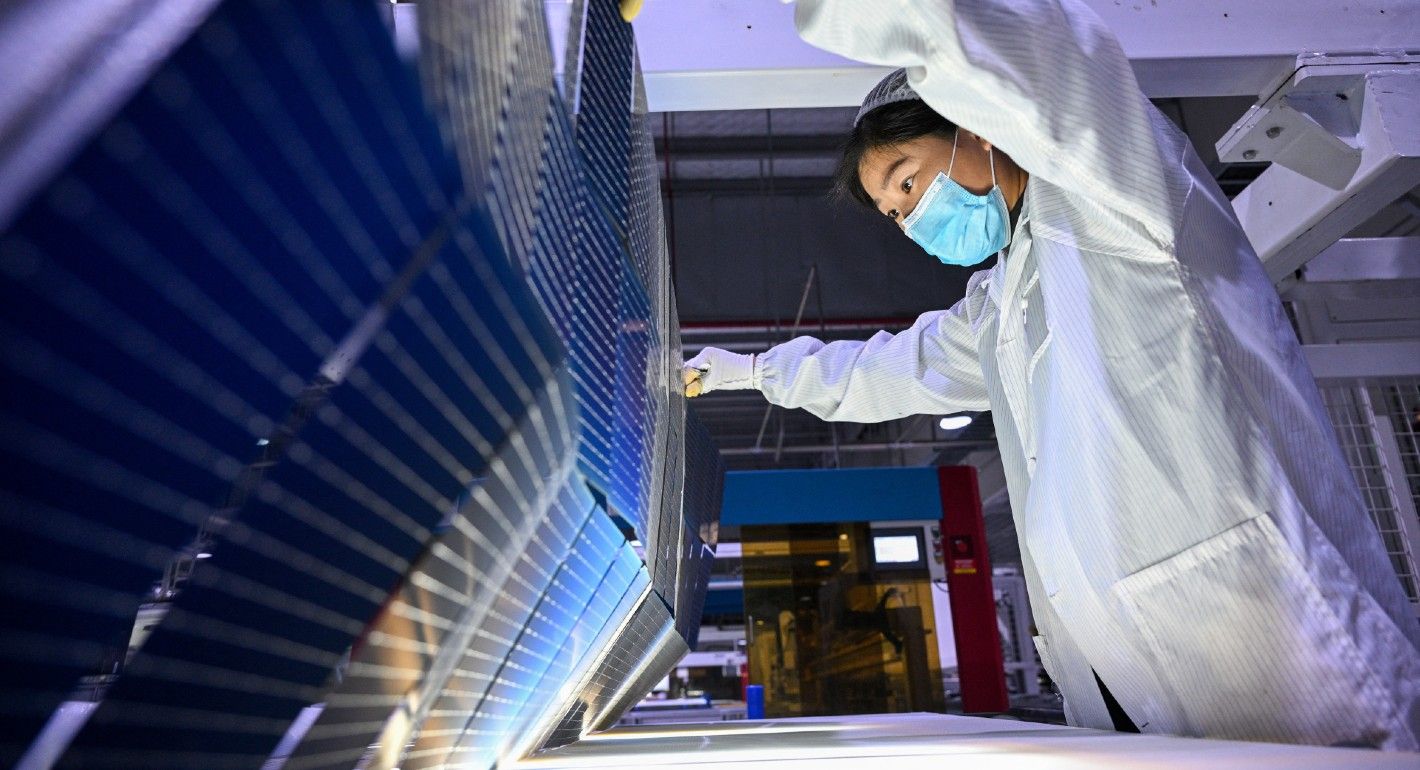
Rather than climate ambitions, compatibility with investment and exports is why China supports both green and high-emission technologies.

Mathias Larsen