

Paper
James M. Acton, Ankit Panda
{
  "authors": [
    "James M. Acton"
  ],
  "type": "legacyinthemedia",
  "centerAffiliationAll": "dc",
  "centers": [
    "Carnegie Endowment for International Peace"
  ],
  "collections": [],
  "englishNewsletterAll": "ctw",
  "nonEnglishNewsletterAll": "",
  "primaryCenter": "Carnegie Endowment for International Peace",
  "programAffiliation": "NPP",
  "programs": [
    "Nuclear Policy"
  ],
  "projects": [],
  "regions": [
    "Central Asia",
    "Kazakhstan"
  ],
  "topics": [
    "Nuclear Policy",
    "Nuclear Energy"
  ]
}
Source: Getty
The International Atomic Energy Agency has signed a deal with Kazakhstan, a former member of the Soviet Union. It will open the first internationally-run bank for low-enriched uranium, the fuel for nuclear power plants.
Source: KCRW’s To the Point
The International Atomic Energy Agency has signed a deal with Kazakhstan, a former member of the Soviet Union. It will open the first internationally-run bank for low-enriched uranium, the fuel for nuclear power plants. Carnegie's James Acton talked to KCRW about the deal.
Acton said that the international market for buying enrichment services is dominated by one Russian company and one European consortium that have been in the business for a very long time and the barriers of entry are now relatively high for newcomers.
Acton also explained the details of the deal between Kazakhstan and the IAEA, emphasizing that the IAEA will buy the low-enriched uranium, put out a tender, and then accept the cheapest bid from the international market.

Jessica T. Mathews Chair, Co-director, Nuclear Policy Program
Acton holds the Jessica T. Mathews Chair and is co-director of the Nuclear Policy Program at the Carnegie Endowment for International Peace.
Recent Work

James M. Acton, Ankit Panda
James M. Acton
Carnegie does not take institutional positions on public policy issues; the views represented herein are those of the author(s) and do not necessarily reflect the views of Carnegie, its staff, or its trustees.
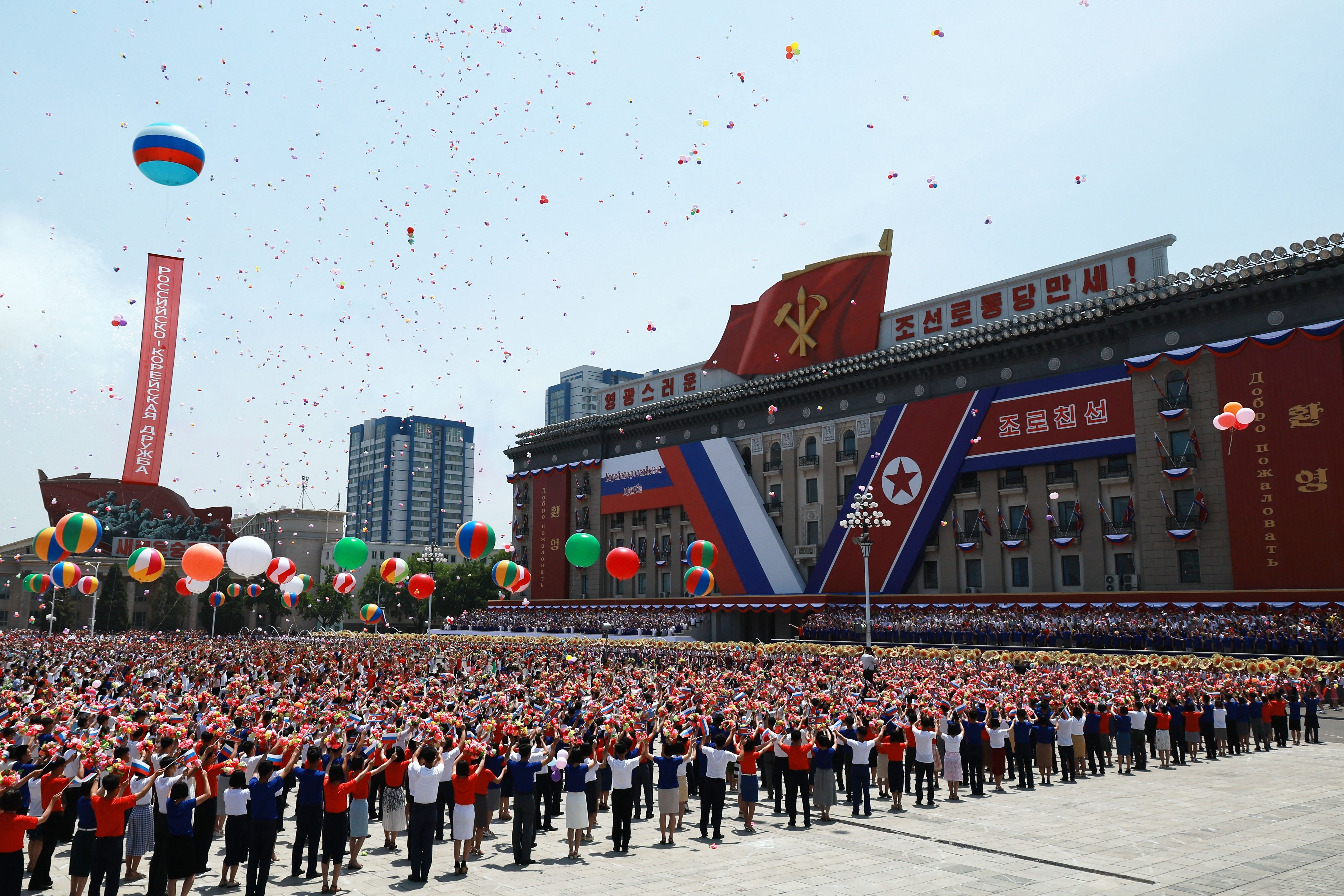
Faced with an increase in strategic maneuvering by Moscow and Pyongyang, Beijing will not sit idly by and allow Putin and Kim to shape the security environment on its behalf.

Tong Zhao
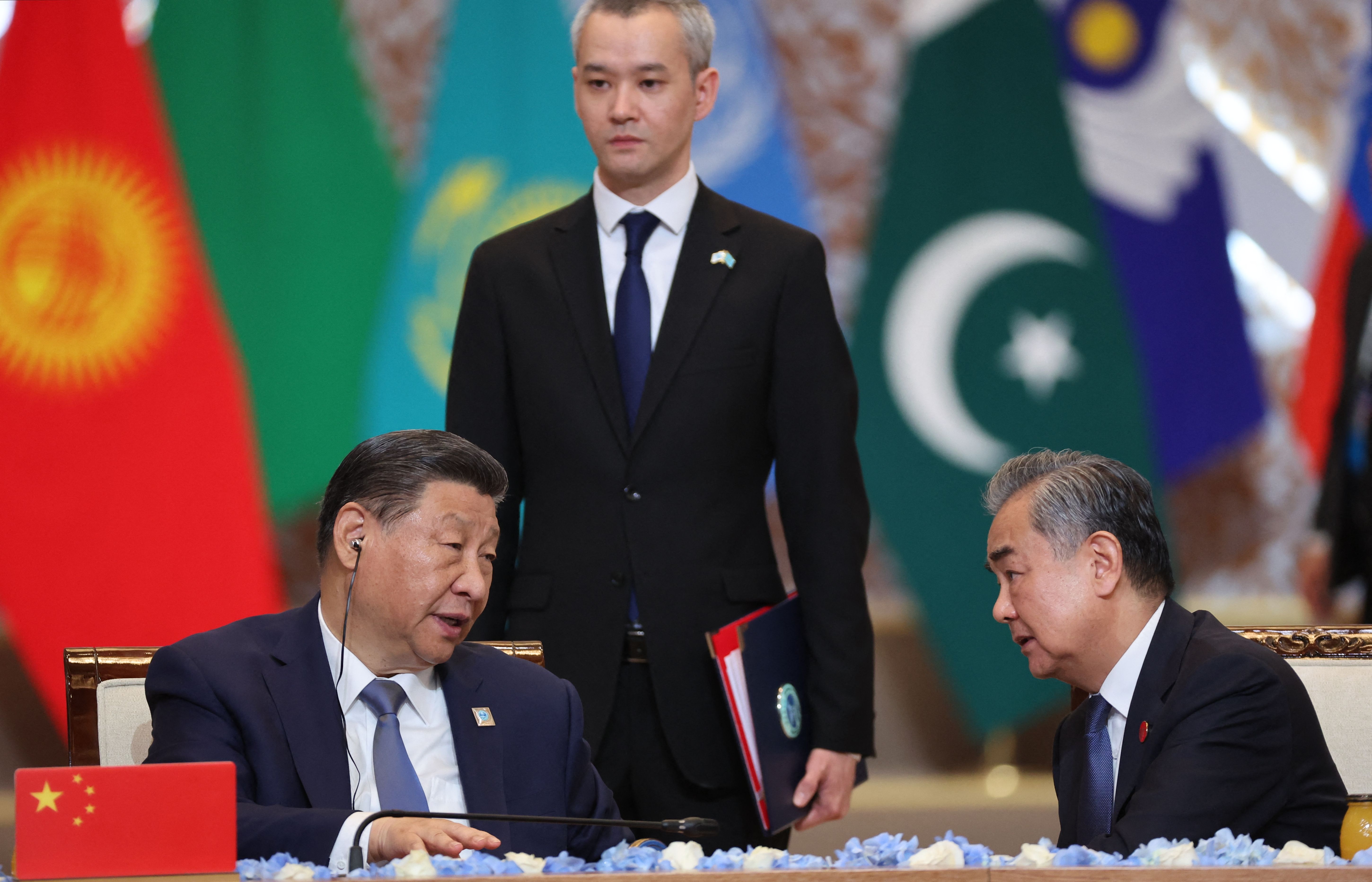
China’s growing attention to Central Asia is perceived as a harbinger of tectonic shifts in regional geopolitics.

Temur Umarov
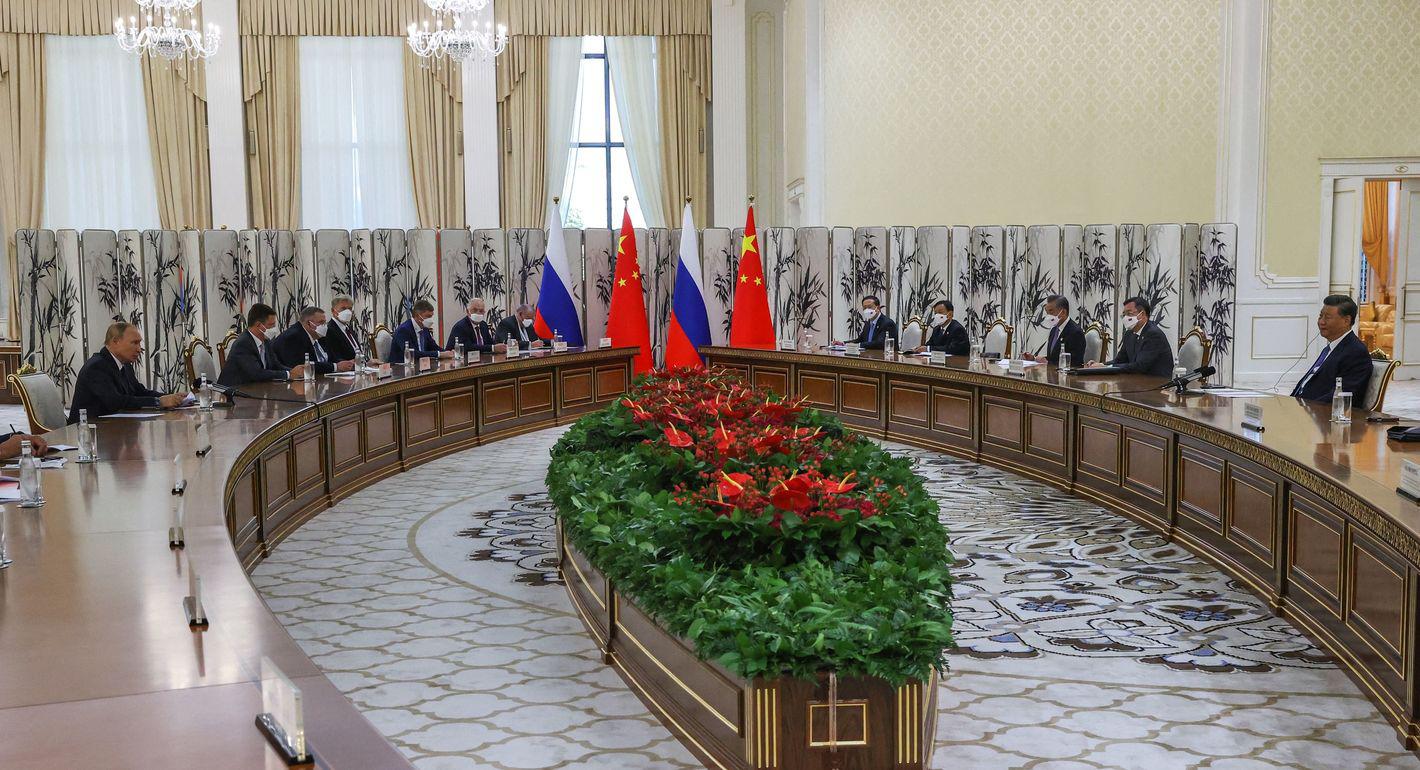
Russia has its Eurasian Economic Union, and China has its Belt and Road Initiative. For both projects, Central Asia is important.

Temur Umarov, Nargis Kassenova

China views U.S. missile defense as posing a greater potential threat to China’s nuclear deterrent than other U.S. military capabilities.
Tong Zhao, Dmitry Stefanovich
There are certainly other issues among other P5 countries, but the U.S.-China competition is so by far the most consequential great power rivalry in the international system, and it has very far-reaching geopolitical implications at and beyond the Pacific region.
Tong Zhao