

Paper
The nuclear relationship between China and the United States is increasingly shaped by widening perception gaps rather than deliberate strategic design.
Tong Zhao
{
  "authors": [
    "Ariel (Eli) Levite",
    "Shlomo Brom"
  ],
  "type": "other",
  "centerAffiliationAll": "dc",
  "centers": [
    "Carnegie Endowment for International Peace"
  ],
  "collections": [],
  "englishNewsletterAll": "ctw",
  "nonEnglishNewsletterAll": "",
  "primaryCenter": "Carnegie Endowment for International Peace",
  "programAffiliation": "NPP",
  "programs": [
    "Nuclear Policy"
  ],
  "projects": [],
  "regions": [
    "Middle East",
    "Israel"
  ],
  "topics": [
    "Nuclear Policy"
  ]
}
Source: Getty
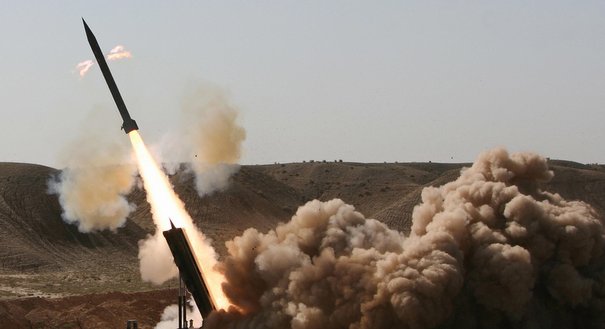
How did Israel’s missile defense program evolve? What lessons can it offer for other states pursuing missile defense?
Source: Regional Missile Defense from a Global Perspective
This chapter reviews the evolution of the missile threat against Israel and the emergence of the indigenous Israeli and collaborative U.S.–Israeli missile defense response. It highlights the remarkable success achieved by the Israeli missile defense program, not only in tests and simulations but in combat. It also goes on to briefly analyze some of the vexing dilemmas in its second phase, such as who and what should get a higher level of protection, that have grown precisely as a result of these remarkable technological advances in missile defense. It concludes with a brief discussion of key implications of the Israeli introduction and operation of a multilayered missile defense system. Although some of these dilemmas and implications are specific to Israel, others may have broader relevance for other nations seriously considering the implications of missile defense.

Senior Fellow, Nuclear Policy Program, Technology and International Affairs Program
Levite was the principal deputy director general for policy at the Israeli Atomic Energy Commission from 2002 to 2007.
Shlomo Brom
Institute for National Security Studies
Carnegie does not take institutional positions on public policy issues; the views represented herein are those of the author(s) and do not necessarily reflect the views of Carnegie, its staff, or its trustees.

The nuclear relationship between China and the United States is increasingly shaped by widening perception gaps rather than deliberate strategic design.

Tong Zhao
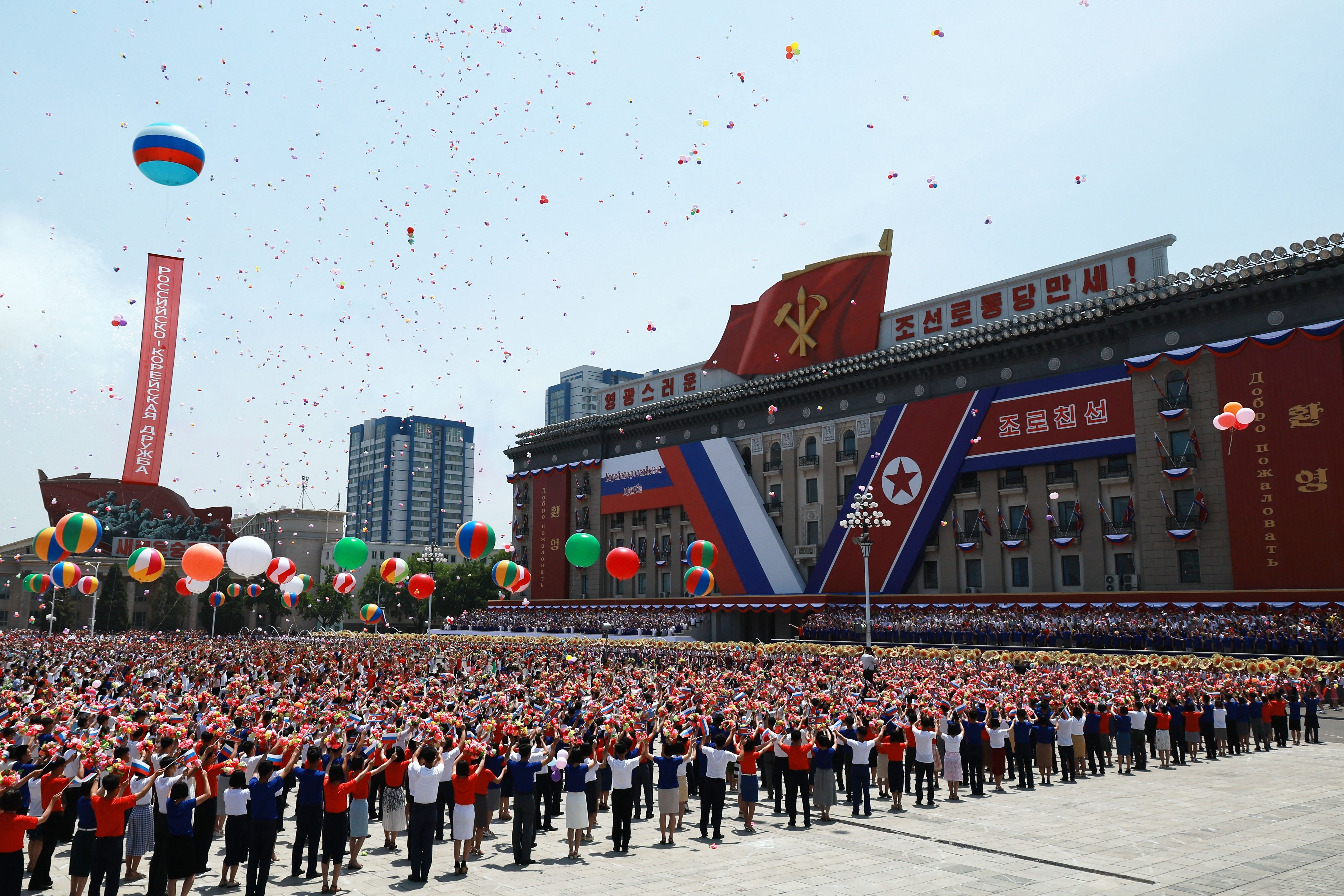
Faced with an increase in strategic maneuvering by Moscow and Pyongyang, Beijing will not sit idly by and allow Putin and Kim to shape the security environment on its behalf.
Tong Zhao
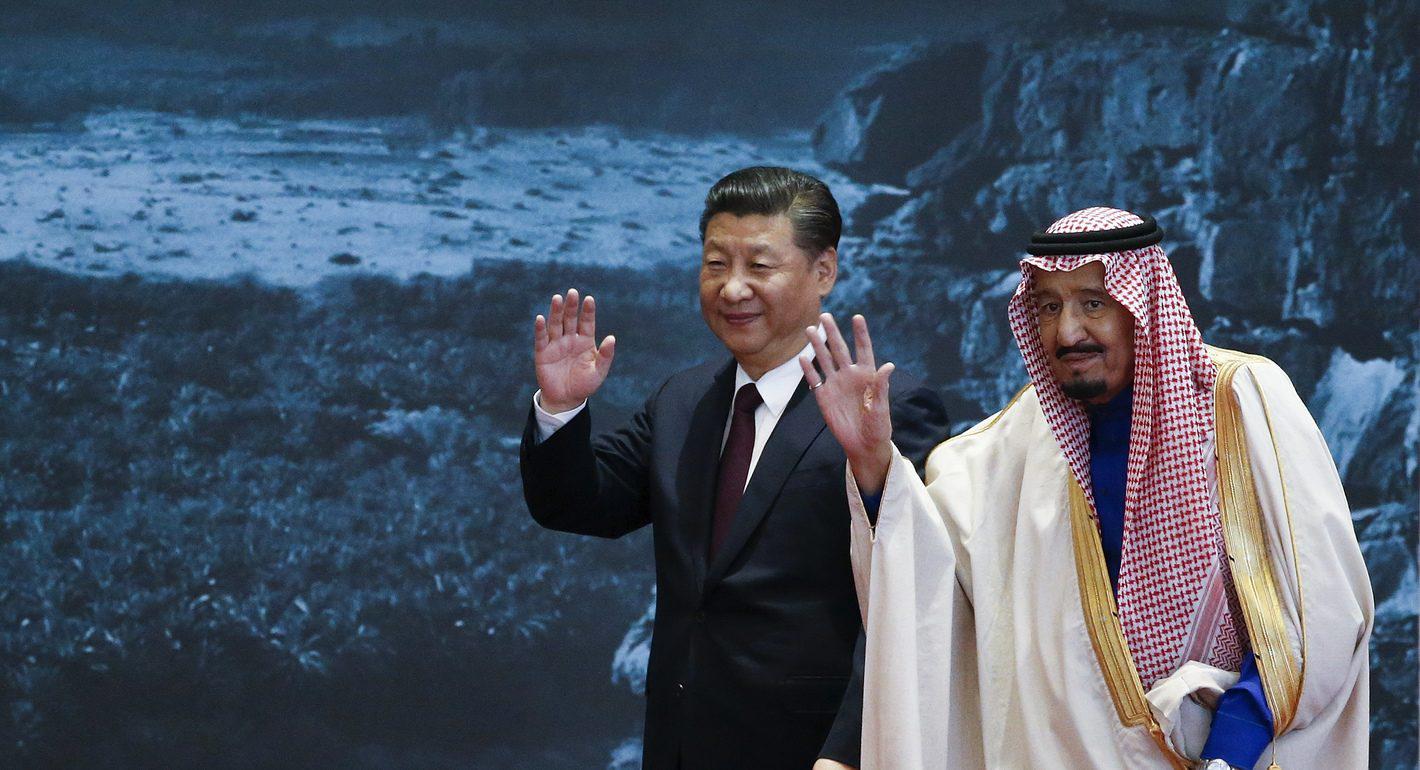
The advantage that China has over other global powers, especially America, is that its foreign policy is closely aligned with those of many of the Middle Eastern countries.


Jin Liangxiang, Maha Yahya, Hesham Alghannam

China views U.S. missile defense as posing a greater potential threat to China’s nuclear deterrent than other U.S. military capabilities.
Tong Zhao, Dmitry Stefanovich

It’s about managing oil prices, bread prices, and strategic partnerships.



Amr Hamzawy, Karim Sadjadpour, Aaron David Miller, …