

Article
China has showcased its engineering prowess with small modular reactor demonstration projects. But turning these technological achievements into commercial success will be a greater challenge.
Tong Zhao
{
  "authors": [
    "Toby Dalton",
    "Sameer Lalwani",
    "Gaurav Kampani"
  ],
  "type": "other",
  "centerAffiliationAll": "dc",
  "centers": [
    "Carnegie Endowment for International Peace"
  ],
  "collections": [],
  "englishNewsletterAll": "ctw",
  "nonEnglishNewsletterAll": "",
  "primaryCenter": "Carnegie Endowment for International Peace",
  "programAffiliation": "NPP",
  "programs": [
    "Nuclear Policy"
  ],
  "projects": [],
  "regions": [
    "South Asia",
    "Pakistan"
  ],
  "topics": [
    "Nuclear Policy"
  ]
}
Source: Getty
Policy options for a potential grand nuclear bargain between the U.S. and Pakistan remain a contested topic of discourse with serious implications for regional cooperation and security.
Source: Atlantic Council Discussion
Speaking at an event held by the Atlantic Council, Carnegie’s Toby Dalton explained that nuclear dangers in South Asia are increasing, particularly as a result of advances in Pakistan’s nuclear arsenal. He said that a nuclear deal may be one way to encourage Pakistan to constrain its nuclear developments in ways that reduce the chances of conflict, if Pakistan were willing to entertain such steps in return for opening a path to joining nuclear regimes. Though the prospects of Pakistan considering such steps are at best uncertain, he argued that it is useful to explore the contours, costs, and benefits of a potential deal as an improvement over the status quo.

Senior Fellow and Co-director, Nuclear Policy Program
Toby Dalton is a senior fellow and co-director of the Nuclear Policy Program at the Carnegie Endowment. An expert on nonproliferation and nuclear energy, his work addresses regional security challenges and the evolution of the global nuclear order.
Sameer Lalwani
Stimson Center
Gaurav Kampani
Carnegie does not take institutional positions on public policy issues; the views represented herein are those of the author(s) and do not necessarily reflect the views of Carnegie, its staff, or its trustees.

China has showcased its engineering prowess with small modular reactor demonstration projects. But turning these technological achievements into commercial success will be a greater challenge.

Tong Zhao

The nuclear relationship between China and the United States is increasingly shaped by widening perception gaps rather than deliberate strategic design.
Tong Zhao
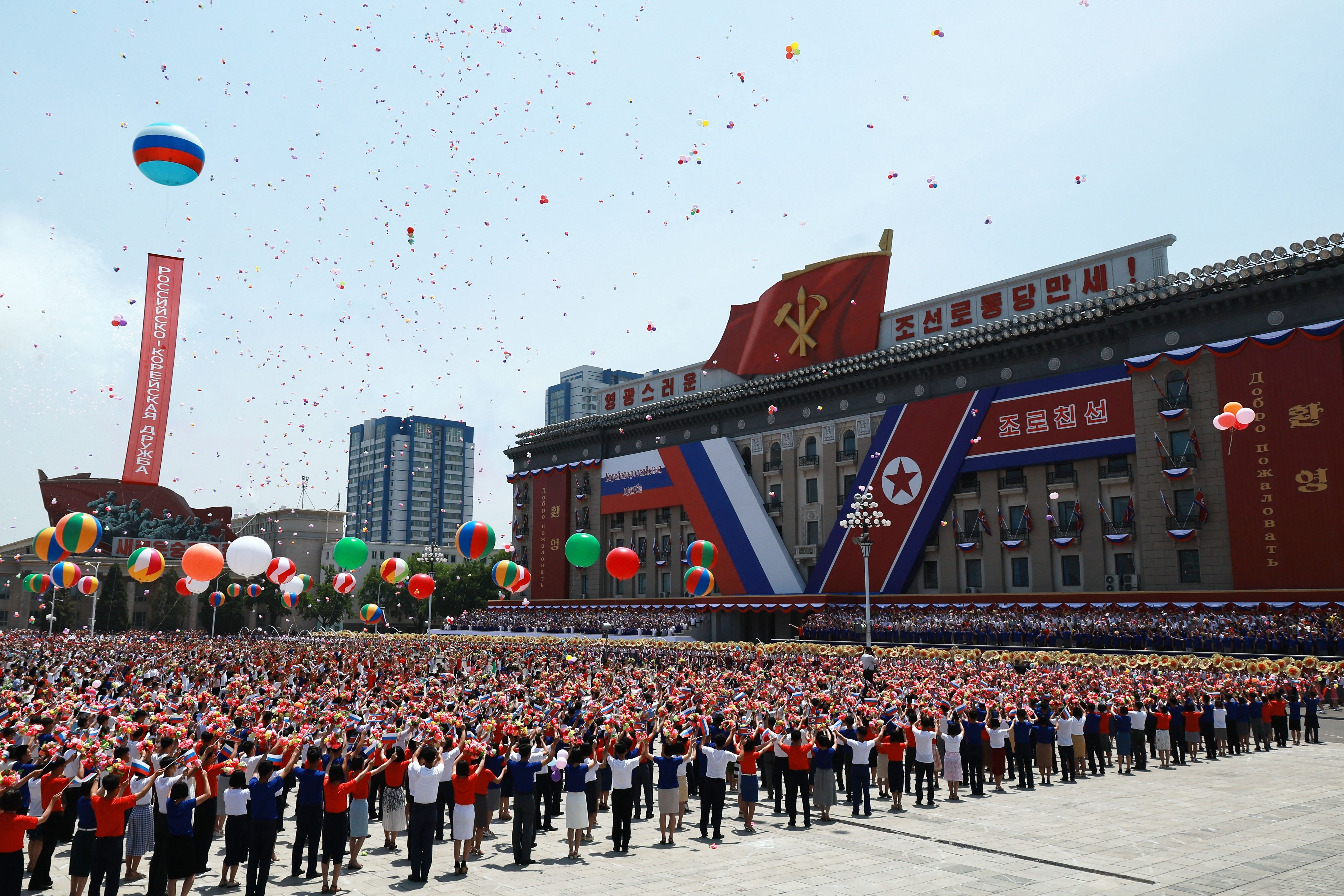
Faced with an increase in strategic maneuvering by Moscow and Pyongyang, Beijing will not sit idly by and allow Putin and Kim to shape the security environment on its behalf.
Tong Zhao

China views U.S. missile defense as posing a greater potential threat to China’s nuclear deterrent than other U.S. military capabilities.
Tong Zhao, Dmitry Stefanovich
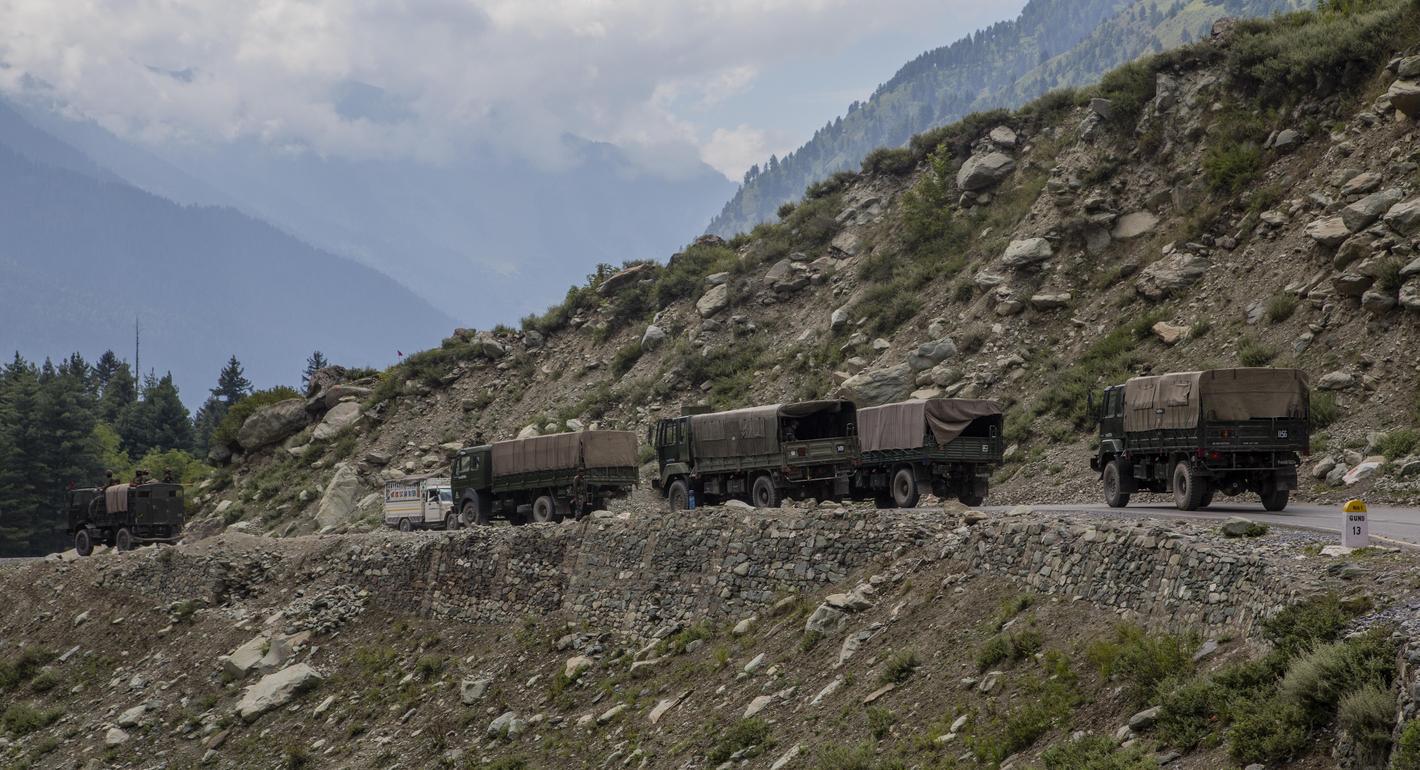
Can China and India disengage from contested territories along the border?

Paul Haenle, Ashley J. Tellis, Han Hua, …