

Research
- +4
Milan Vaishnav, Rahul Verma, Rukmini S., …
{
  "authors": [
    "Christophe Jaffrelot"
  ],
  "type": "other",
  "centerAffiliationAll": "dc",
  "centers": [
    "Carnegie Endowment for International Peace"
  ],
  "collections": [],
  "englishNewsletterAll": "ctw",
  "nonEnglishNewsletterAll": "",
  "primaryCenter": "Carnegie Endowment for International Peace",
  "programAffiliation": "SAP",
  "programs": [
    "South Asia"
  ],
  "projects": [],
  "regions": [
    "South Asia",
    "India"
  ],
  "topics": []
}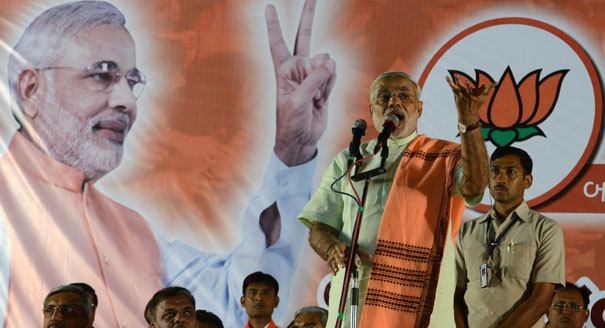
Source: Getty
Narendra Modi’s rhetoric shifted from religion to development and subnationalism. But his regional identity was still defined in religious terms.
Source: India Review
After the 2002 pogrom, Narendra Modi, the Chief Minister of Gujarat, shifted his political repertoire from that of a Hindu Hriday Samrat (King of Hindus’ heart) to that of development and Gujaratiness. He claimed that he was a development man (Vikas Purush) and that he represented the 60 million Gujaratis as an aam admi (common man). He projected himself as an embodiment of their identity—asmita. This populist repertoire, which was explicitly articulated during the Sadbhavna mission in 2012, is in tune with the general trend of Indian politics where most of the Chief Ministers claim to epitomize one subnationalism. In the case of Narendra Modi, however, this regional identity was defined in religious terms and reflected a banalization of Hindutva, an original process that was more likely to happen in Gujarat because of the traditional definition of the state’s identity..
Former Nonresident Scholar, South Asia Program
Jaffrelot’s core research focuses on theories of nationalism and democracy, mobilization of the lower castes and Dalits (ex-untouchables) in India, the Hindu nationalist movement, and ethnic conflicts in Pakistan.
Recent Work

Milan Vaishnav, Rahul Verma, Rukmini S., …
Christophe Jaffrelot
Carnegie does not take institutional positions on public policy issues; the views represented herein are those of the author(s) and do not necessarily reflect the views of Carnegie, its staff, or its trustees.
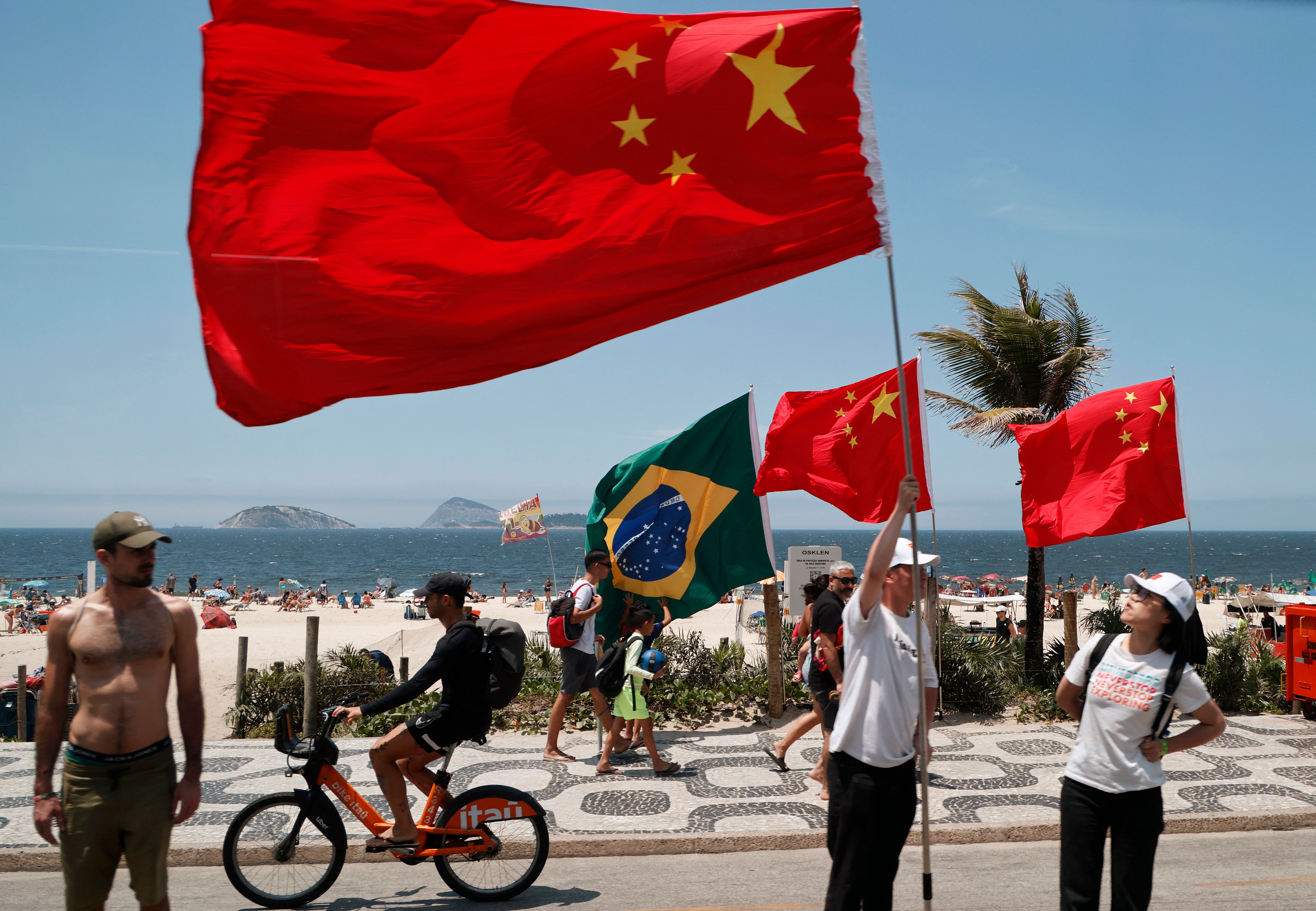
While China will remain a significant political and economic force in the Global South, its ambition to leverage the Global South as a counterbalance to the United States and the Global North is far from assured.

Xue Gong
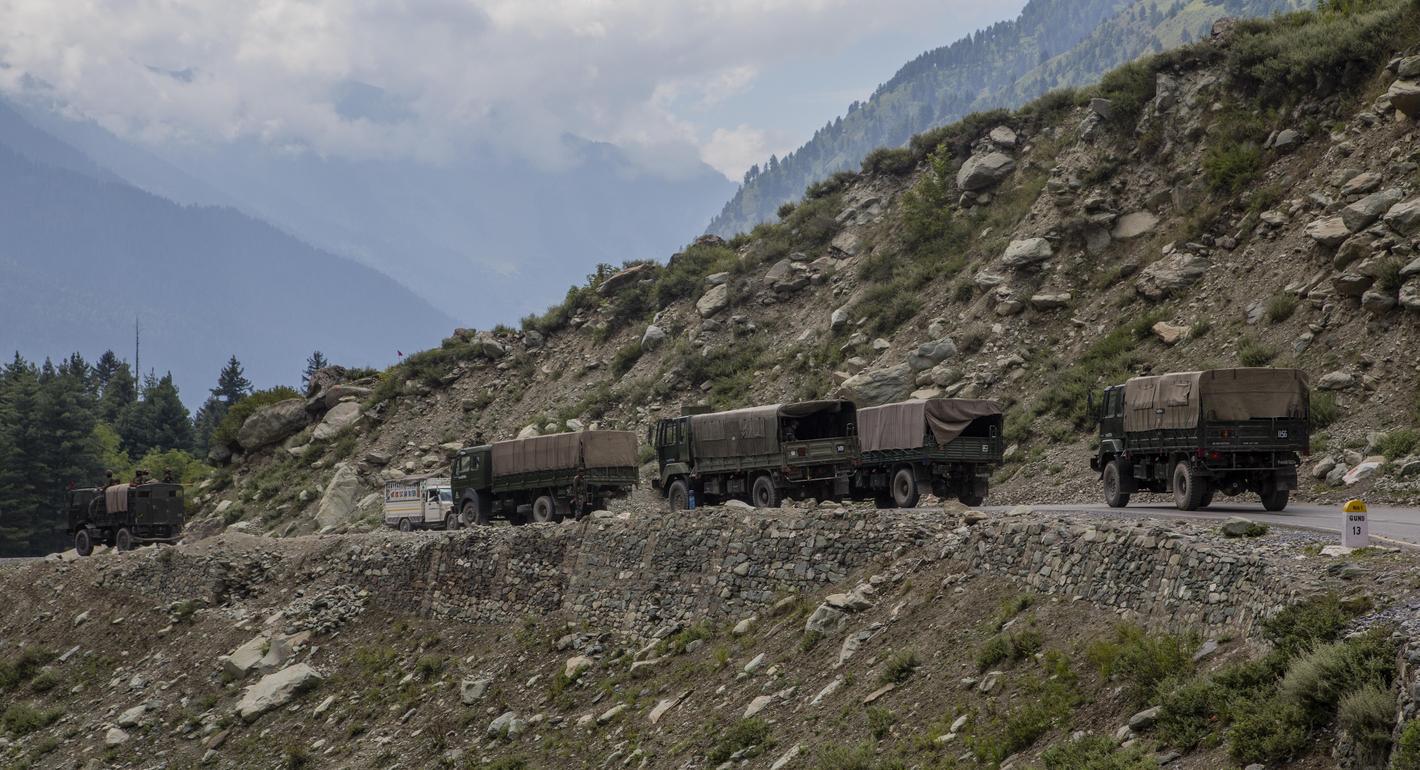
Can China and India disengage from contested territories along the border?

Paul Haenle, Ashley J. Tellis, Han Hua, …
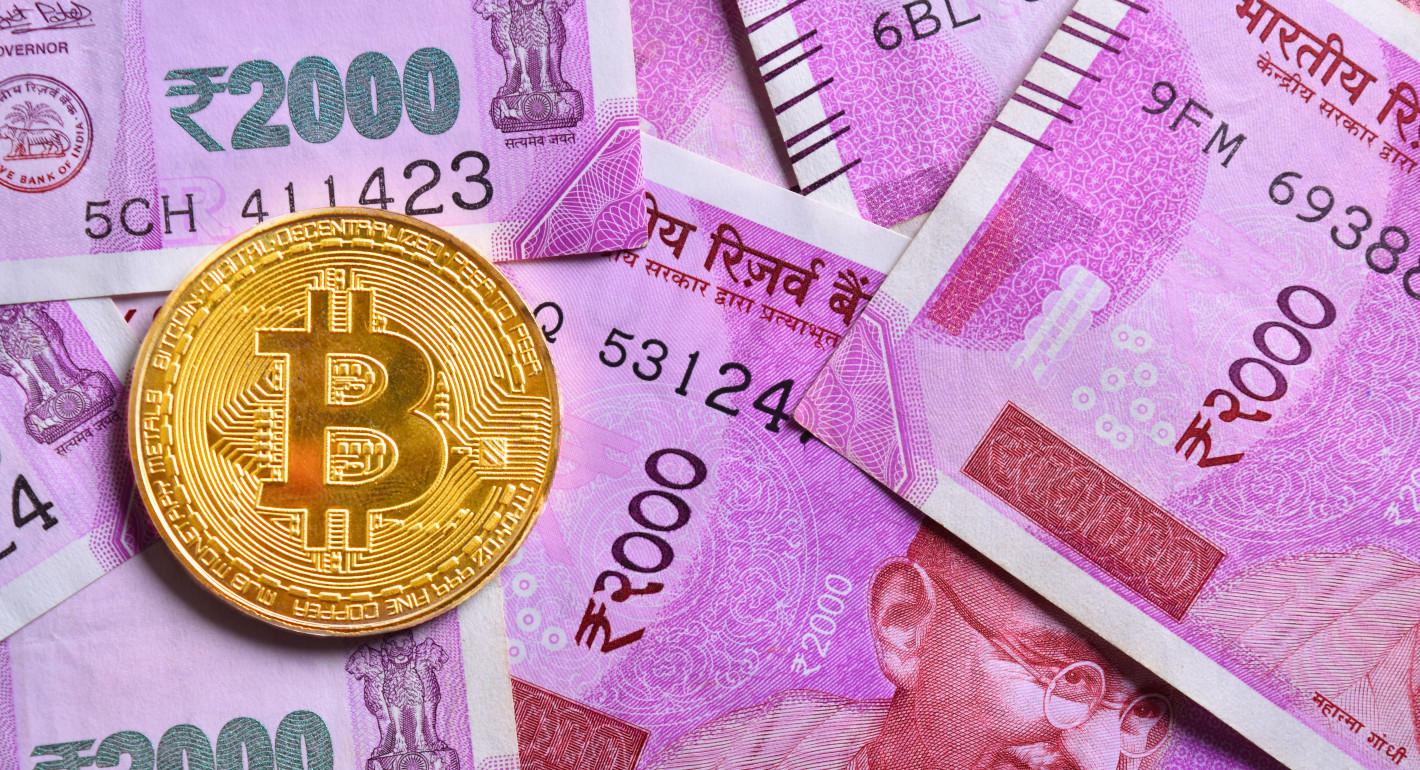
The government extends the uncertainty with its two new taxes and digital rupee.

Anirudh Burman, Priyadarshini D.
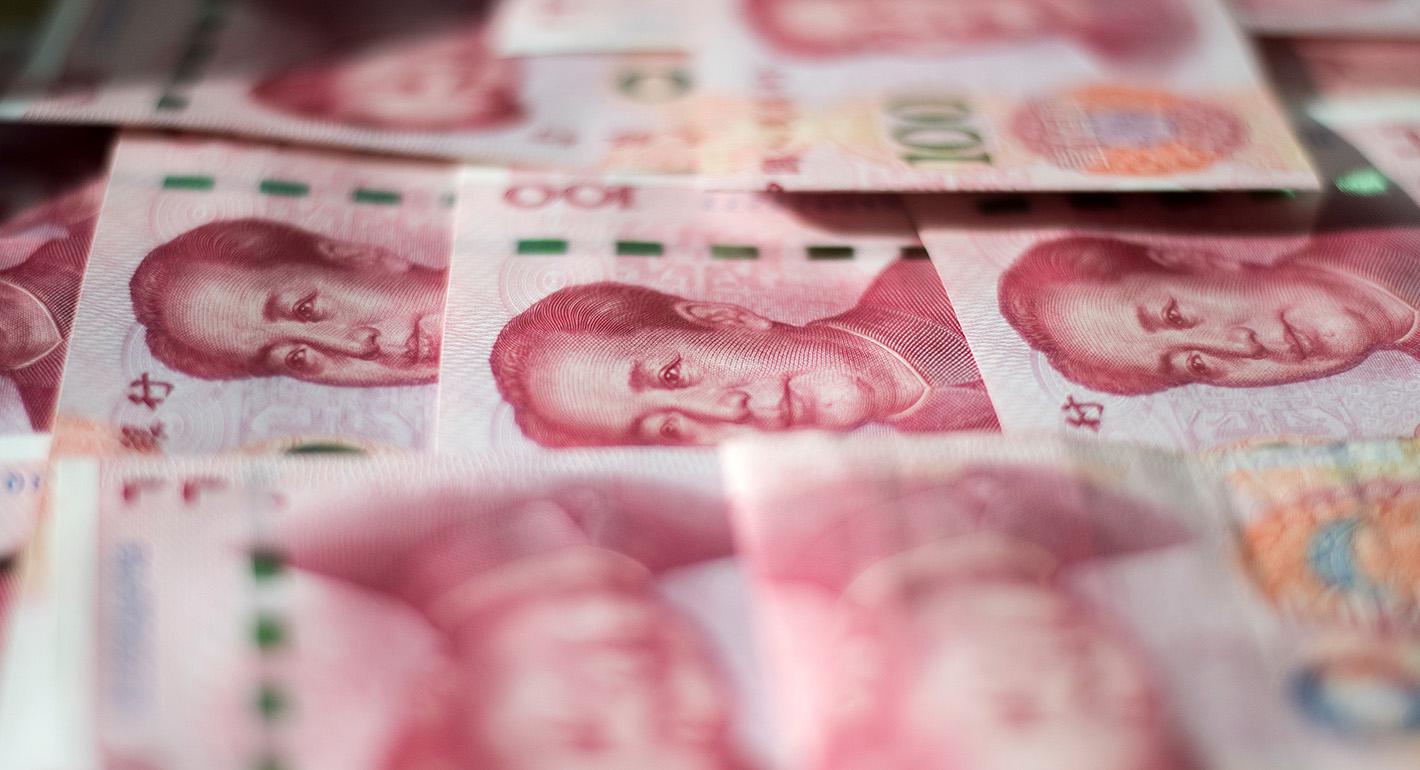
China and Pakistan should strive to build a RMB closed-chain cycle based on capital exports and trade returns.

Lu Yang
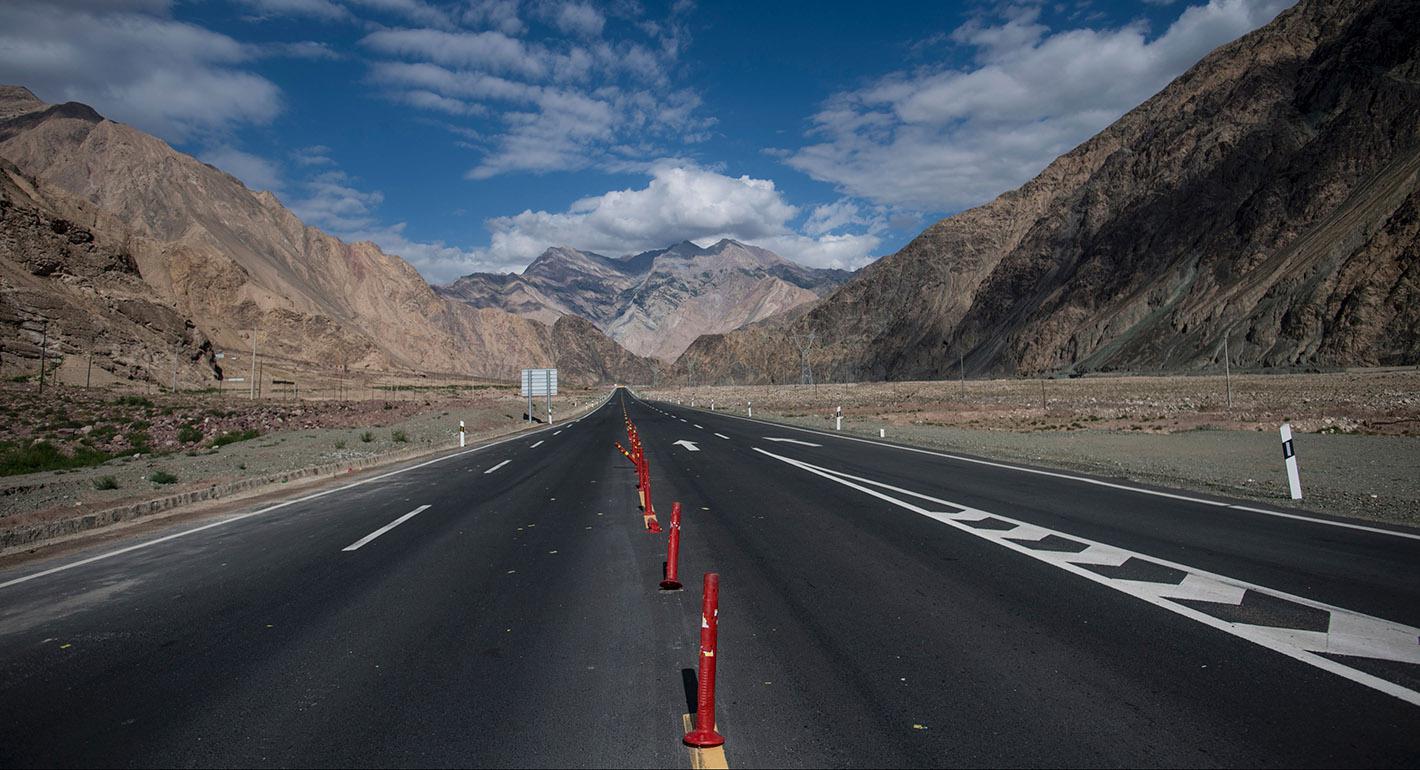
The Trump administration holds a decidedly critical view of China’s infrastructure initiatives in Pakistan. Although there is much to criticize in the China-Pakistan Economic Corridor, the administration’s fixation on commercial and economic issues threatens to distract U.S. policymakers from deeper concerns.
Daniel Markey