

Paper
James M. Acton, Ankit Panda
{
  "authors": [
    "James M. Acton"
  ],
  "type": "other",
  "centerAffiliationAll": "dc",
  "centers": [
    "Carnegie Endowment for International Peace"
  ],
  "collections": [],
  "englishNewsletterAll": "ctw",
  "nonEnglishNewsletterAll": "",
  "primaryCenter": "Carnegie Endowment for International Peace",
  "programAffiliation": "NPP",
  "programs": [
    "Nuclear Policy"
  ],
  "projects": [],
  "regions": [],
  "topics": [
    "Nuclear Policy",
    "Nuclear Energy"
  ]
}
Source: Getty
The regime for managing dual-use nuclear technology has proved remarkably successful to date, but it is becoming increasingly stressed and the prospects for buttressing it are bleak.
Source: Governance of Dual-Use Technologies: Theory and Practice
When General Electric acquired the rights to Silex laser enrichment technology in 2006, few people, even within the nuclear industry, took much notice. After decades of research, laser-based technologies appeared to be yet another in a long list of enrichment processes that were not commercially viable. In 1999, the United States Enrichment Corporation (USEC), a private company originally created by the government to lead domestic enrichment efforts, had abandoned the U.S. indigenous laser enrichment program after twenty-seven years and more than $2 billion had been spent. At the time, USEC had a partnership agreement with Silex Systems, the Australian company that had developed its eponymous laser-based process. But in 2003, USEC decided the technology was too expensive to commercialize and turned its attention to the gas centrifuge, which then, as now, dominated the global market for enrichment. Silex looked dead in the water.
General Electric, which merged its nuclear operations with Hitachi in 2007 to form GE Hitachi Nuclear Energy, had more success with Silex, however, and proceeded with plans to commercialize it, albeit behind schedule. In 2009, it General Electric, which merged its nuclear operations with Hitachi in 2007 to form GE Hitachi Nuclear Energy, had more success with Silex, however, and proceeded with plans to commercialize it, albeit behind schedule. In 2009, it submitted a license application to the U.S. Nuclear Regulatory Commission (NRC) for a commercial-scale facility. GE Hitachi indicated that a decision to build the facility would not be made until the results of further testing were known. But the prospect that the United States might license a first-of-its-kind laser enrichment facility marked an important potential juncture for both the nuclear industry and the nuclear nonproliferation regime.The benefit of the technology was clear. If laser enrichment were cheaper than the centrifuge, GE Hitachi’s investment in a risky technology would reap considerable profits. (Consumer benefits, if any, would be much more modest, because the price of enrichment is set by the most expensive supplier on the market and because enrichment typically accounts for no more than 5 percent of the total cost of electricity.)
The costs and risks of laser enrichment—including proliferation—were potentially significant but extremely hard to evaluate. One key issue was how the commercialization of laser enrichment by a U.S. company would affect its spread globally. Would the demonstration that laser enrichment was a profitable enterprise inspire other states to attempt to develop it for themselves? Could GE Hitachi keep classified details of the Silex process secret for decades, potentially against repeated attempts by foreign governments to acquire them? Even if it could, would other states or companies nonetheless succeed in developing this or another form of laser enrichment technology from scratch? Conversely, if the United States refused to license the plant, would Silex Systems attempt to transfer the technology to another state? If so, could the United States prevent the company from doing so?
A second issue was the consequences of the spread of laser enrichment technology. Did any technical barriers prevent Silex technology from being used to produce the highly enriched uranium (HEU) needed for a nuclear weapon? GE Hitachi had boasted that a Silex facility would be smaller and use less energy than a centrifuge facility—but did that not also imply that a clandestine laser enrichment facility would be more difficult to detect? How effective would International Atomic Energy Agency (IAEA) safeguards be if applied to a laser enrichment facility?...
This chapter originally appeared in Governance of Dual-Use Technologies: Theory and Practice.

Jessica T. Mathews Chair, Co-director, Nuclear Policy Program
Acton holds the Jessica T. Mathews Chair and is co-director of the Nuclear Policy Program at the Carnegie Endowment for International Peace.
Recent Work

James M. Acton, Ankit Panda
James M. Acton
Carnegie does not take institutional positions on public policy issues; the views represented herein are those of the author(s) and do not necessarily reflect the views of Carnegie, its staff, or its trustees.

The nuclear relationship between China and the United States is increasingly shaped by widening perception gaps rather than deliberate strategic design.

Tong Zhao
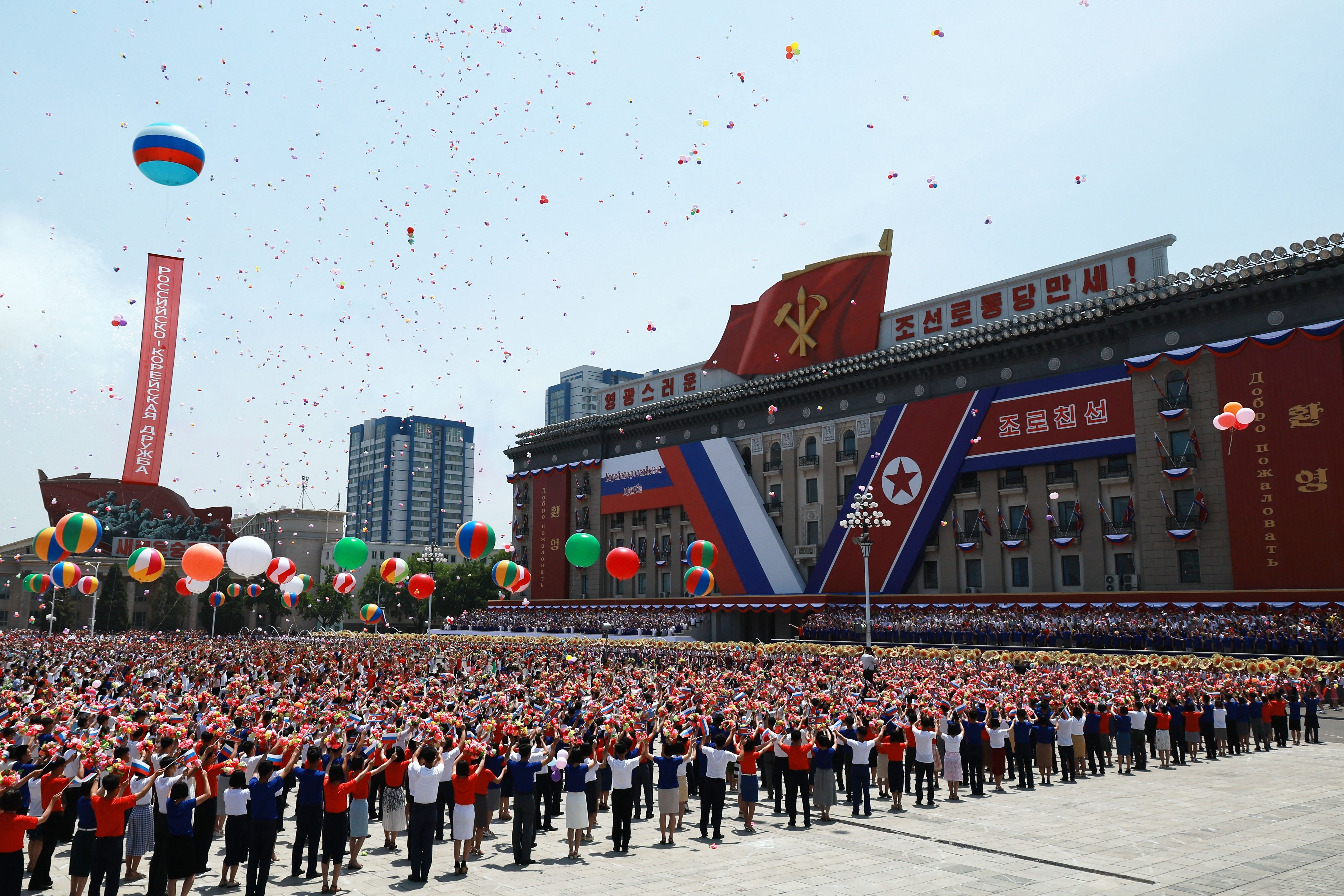
Faced with an increase in strategic maneuvering by Moscow and Pyongyang, Beijing will not sit idly by and allow Putin and Kim to shape the security environment on its behalf.
Tong Zhao

China views U.S. missile defense as posing a greater potential threat to China’s nuclear deterrent than other U.S. military capabilities.
Tong Zhao, Dmitry Stefanovich
There are certainly other issues among other P5 countries, but the U.S.-China competition is so by far the most consequential great power rivalry in the international system, and it has very far-reaching geopolitical implications at and beyond the Pacific region.
Tong Zhao
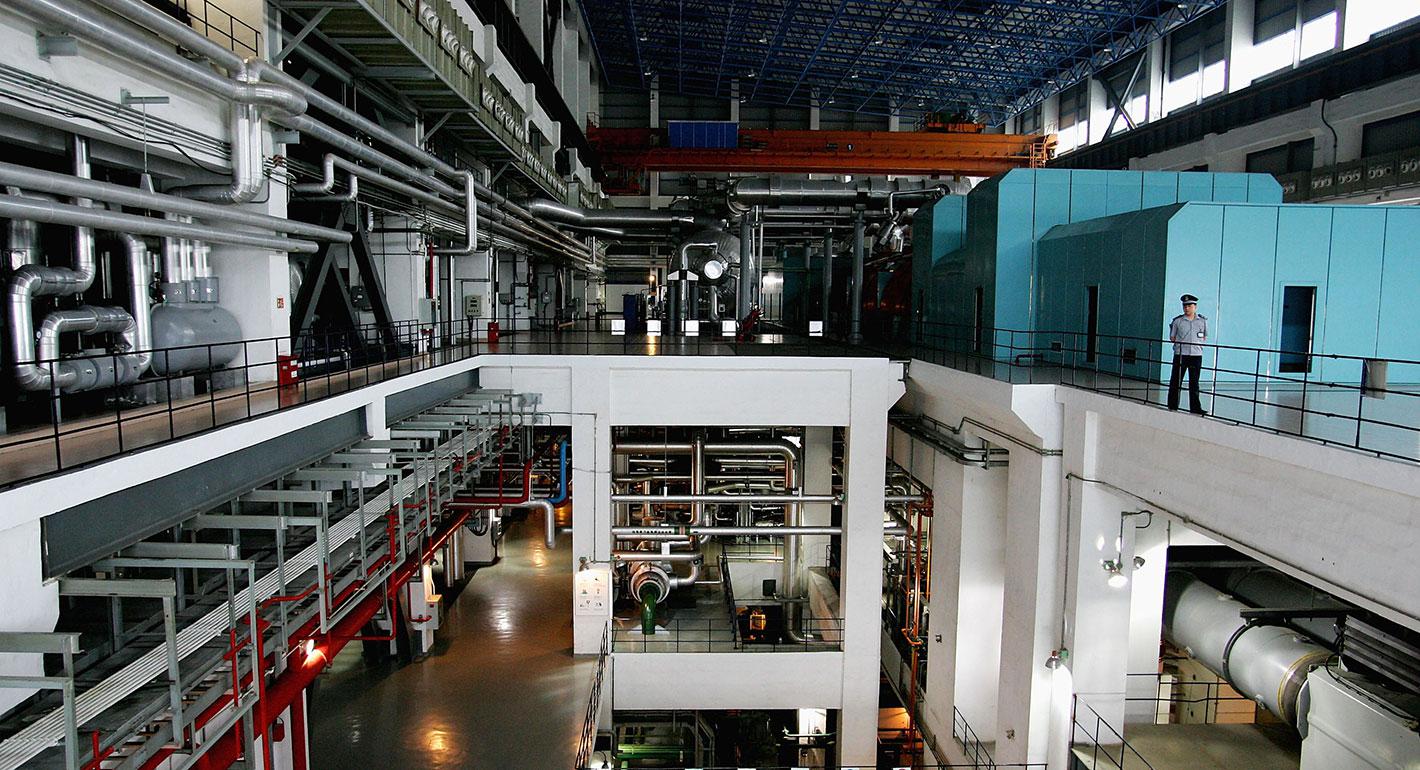
Satellite data has revealed the construction of new nuclear missile silos in Gansu and Xinjiang in western China. How U.S. and Chinese experts interpret the buildup and the motivations behind it could greatly reshape their security relationship.
Tong Zhao