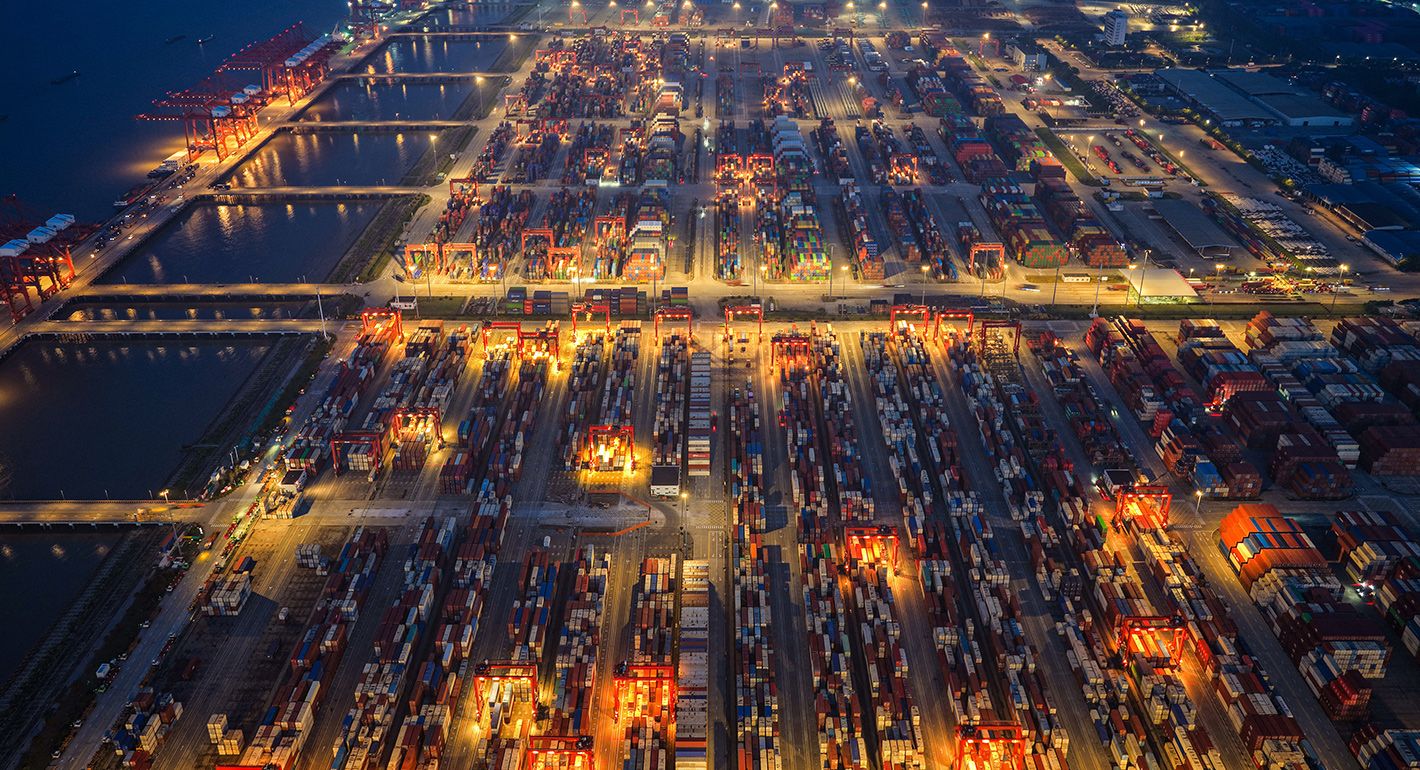

GDP growth means something fundamentally different in China than in most countries.
Michael Pettis
{
"authors": [
"Cory McKenzie",
"William Ossoff"
],
"type": "legacyinthemedia",
"centerAffiliationAll": "dc",
"centers": [
"Carnegie Endowment for International Peace"
],
"collections": [
"Iranian Proliferation",
"The United States and Japan in Asia"
],
"englishNewsletterAll": "asia",
"nonEnglishNewsletterAll": "",
"primaryCenter": "Carnegie Endowment for International Peace",
"programAffiliation": "AP",
"programs": [
"Asia",
"Nuclear Policy"
],
"projects": [],
"regions": [
"East Asia",
"Japan"
],
"topics": [
"Nuclear Policy"
]
}Source: Getty
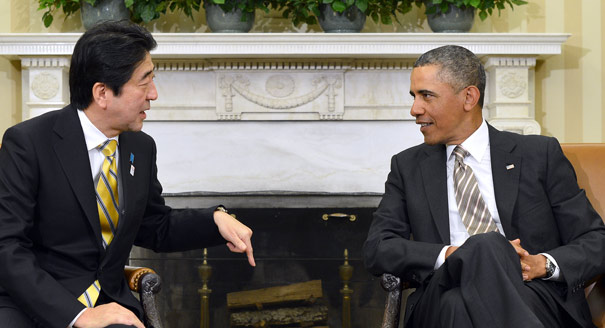
While Japan is not a party to the Iran nuclear deal, it played an important role in its conclusion and could prove influential in its implementation.
Source: Diplomat
While Japan is not a party to the Joint Comprehensive Plan of Action (JCPOA), popularly known as “the Iran nuclear deal,” it played an important role in the conclusion of this international agreement and could be influential in its implementation. The global sanctions regime that helped drive Iran to the negotiating table depended upon the participation of major economic players like Japan. In concert with its U.S. ally and the rest of the international community, Japan endured economic costs in pursuit of shared nuclear nonproliferation principles and broader national interests. The JCPOA is an underappreciated example of cooperation between the United States and Japan on this front.
However, as the one-year anniversary of the JCPOA approaches in July, U.S. and Japanese interests are showing signs of divergence. Japan is expanding investment in Iran’s energy sector while the United States remains at odds with Iran over non-nuclear issues. How will Japan’s deepening economic partnership with Iran impact international nonproliferation efforts and the U.S.-Japan Alliance?...
Cory McKenzie
Former Junior Fellow, Asia Program
William Ossoff
Former Junior Fellow, Nuclear Policy Program
Carnegie does not take institutional positions on public policy issues; the views represented herein are those of the author(s) and do not necessarily reflect the views of Carnegie, its staff, or its trustees.
GDP growth means something fundamentally different in China than in most countries.
Michael Pettis
The Trump administration’s effort to reshape the global trading system and reset overseas security commitments is creating an historic inflection point. Less clear is how far China will be able to capitalize on these dynamics.
Li Mingjiang, Le Hong Hiep, Ngeow Chow Bing, …
Most Southeast Asian states behave as if the actions of their Northeast Asian neighbors and the Philippines will be sufficient to maintain a regional status quo from which they can benefit.
Chong Ja Ian
Patriotic and nationalist sentiments have been co-opted by self-media and social media platforms to generate profit. This has given rise to a traffic-driven business of cyber nationalism that relies on extreme xenophobic rhetoric.
Wang Qiyue, Li Mingjiang
Ignoring the problems of its historical precedents won’t make China’s success any more likely.
Michael Pettis