

Article
Paul Stronski
{
  "authors": [
    "Paul Stronski"
  ],
  "type": "legacyinthemedia",
  "centerAffiliationAll": "dc",
  "centers": [
    "Carnegie Endowment for International Peace"
  ],
  "collections": [],
  "englishNewsletterAll": "ctw",
  "nonEnglishNewsletterAll": "",
  "primaryCenter": "Carnegie Endowment for International Peace",
  "programAffiliation": "russia",
  "programs": [
    "Russia and Eurasia"
  ],
  "projects": [],
  "regions": [
    "Central Asia",
    "Uzbekistan"
  ],
  "topics": [
    "Political Reform",
    "Democracy"
  ]
}
Source: Getty
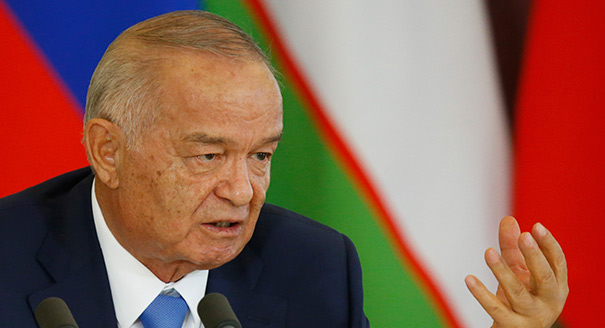
Uzbekistan’s President Islam Karimov has held that position since the country gained independence in 1991. A great deal of uncertainty remains about who his successor might be.
Source: Radio Free Europe/Radio Liberty
Speaking on a panel hosted by Radio Free Europe/Radio Liberty, Carnegie’s Paul Stronski discussed the situation in Uzbekistan following the announcement that the country’s president, Islam Karimov, had been hospitalized. He was joined by Shahida Yakub and Alisher Sidik, both of Radio Free Europe/Radio Liberty. Discussing the possibility that Karimov might not be able to continue on as president, Stronski observed that many countries will be watching the efforts to select a new president closely. He discussed what both Russia and the West will be looking for, both in terms of a candidate for president and the process. “Russia’s going to be watching very closely, hoping that whoever rises to the top is someone who is going to be favorable towards Russia, not too Western,” Stronski said.
This was originally broadcast by Radio Free Europe/Radio Liberty.
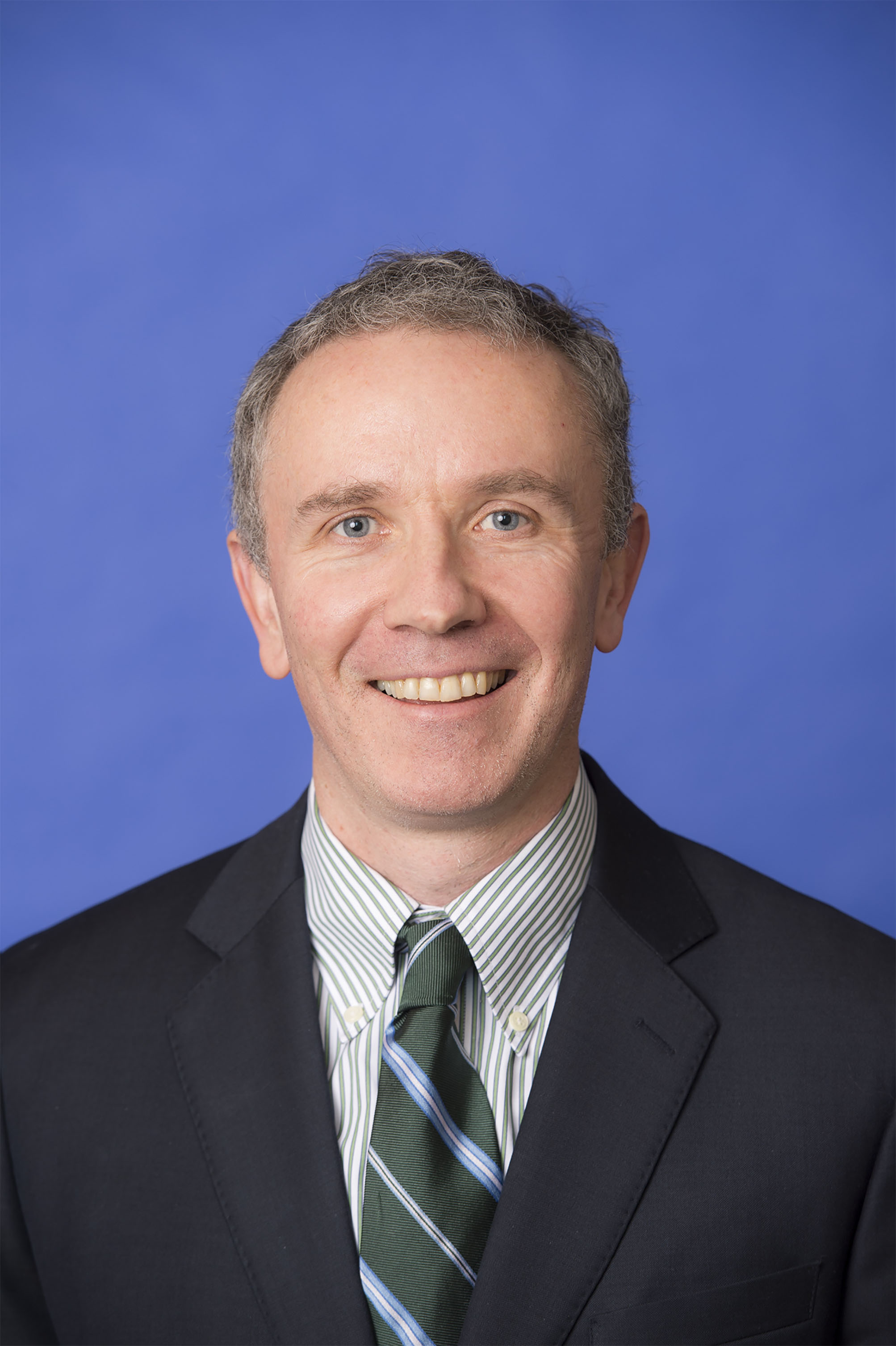
Former Senior Fellow, Russia and Eurasia Program
Paul Stronski was a senior fellow in Carnegie’s Russia and Eurasia Program, where his research focuses on the relationship between Russia and neighboring countries in Central Asia and the South Caucasus.
Recent Work
Paul Stronski
Paul Stronski
Carnegie does not take institutional positions on public policy issues; the views represented herein are those of the author(s) and do not necessarily reflect the views of Carnegie, its staff, or its trustees.

China’s political future will be shaped between now and next October. As the Communist Party enters its intense “campaign season” to prepare for a major political transition in 2027, reading Beijing's actions and responses may become more difficult as domestic politics weigh on its behavior more than usual.

Damien Ma
Russia has its Eurasian Economic Union, and China has its Belt and Road Initiative. For both projects, Central Asia is important.


Temur Umarov, Nargis Kassenova
Transactional relationships are stable but can be shallow.


Paul Haenle, Maha Yahya, Benjamin Ho, …
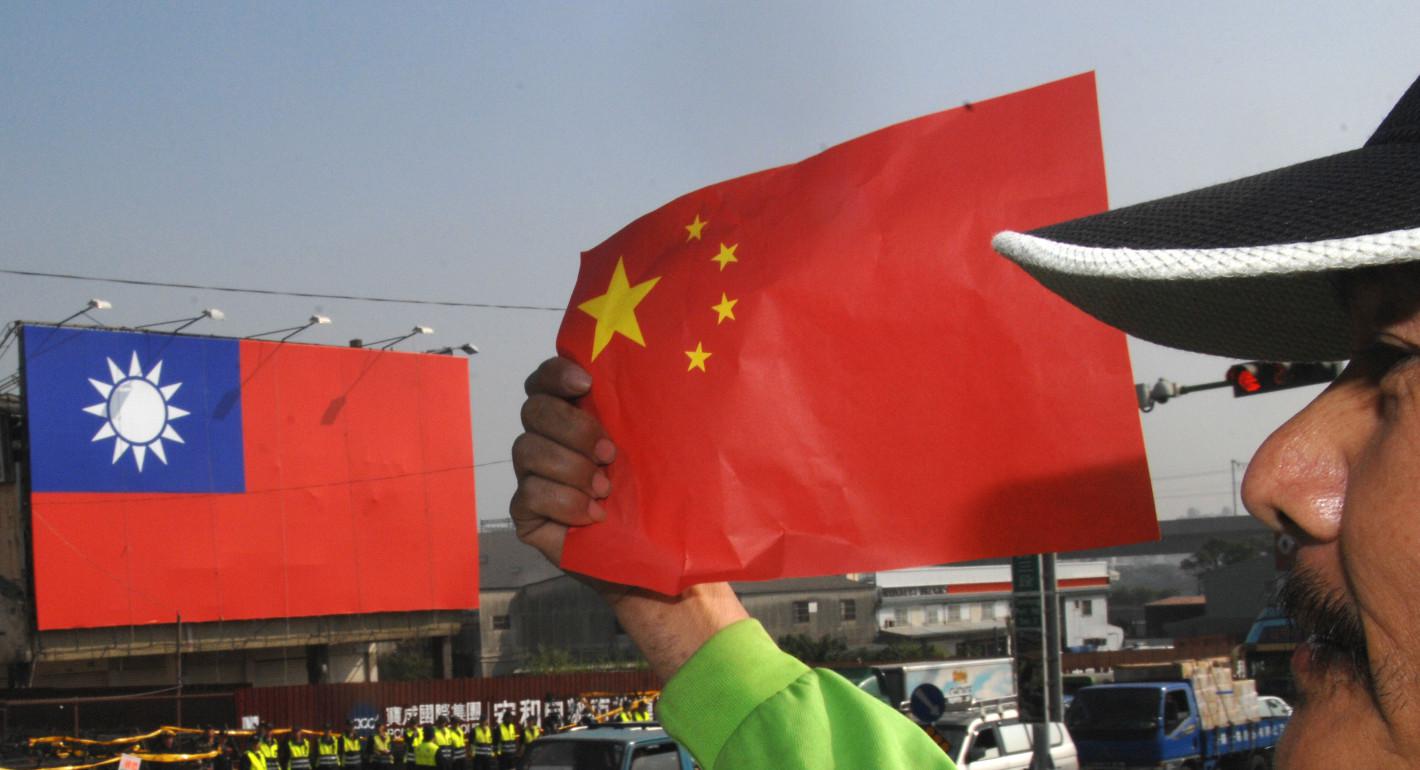
Beijing says that over 180 countries accept its “one China principle” regarding Taiwan, but the reality is more complicated.

Chong Ja Ian
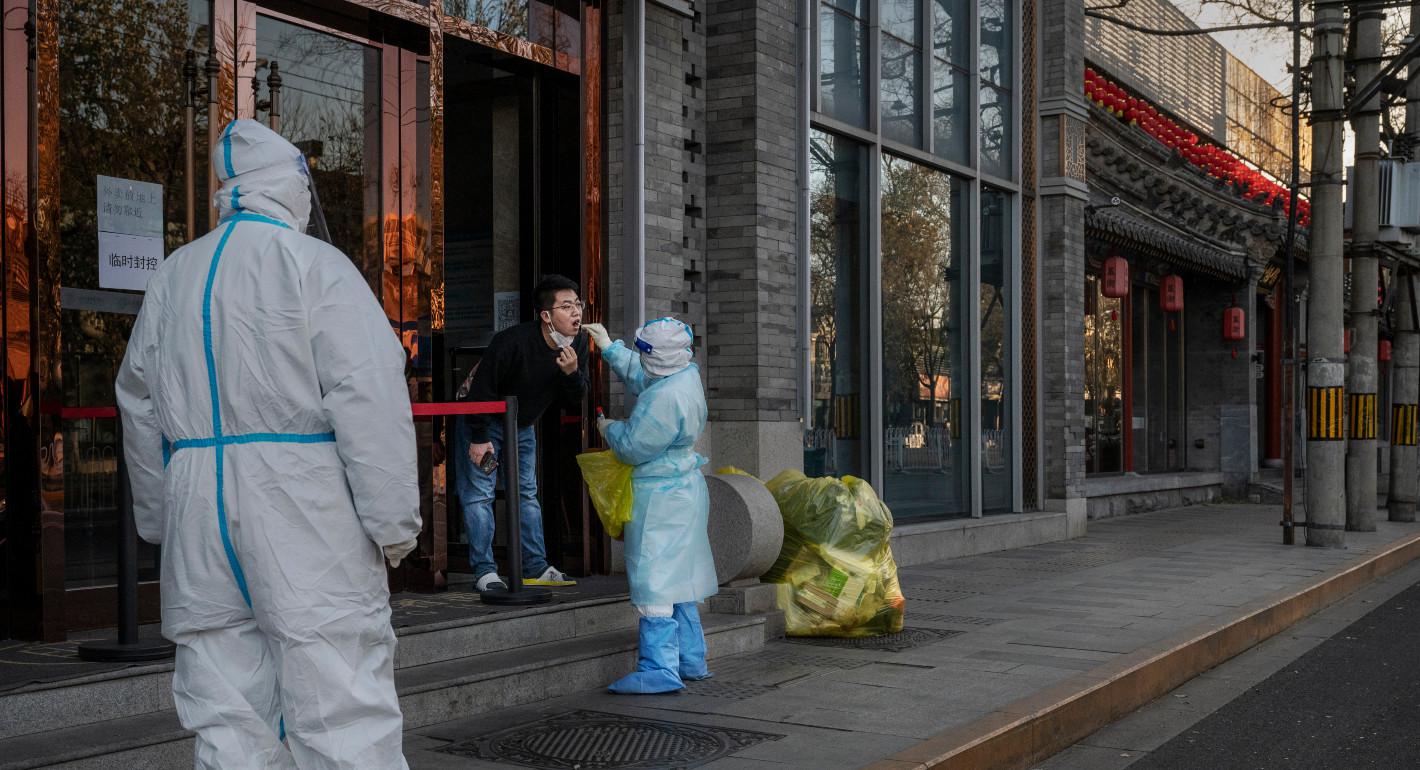
Beijing must choose between preserving its pandemic narrative or facing more unrest.
Paul Haenle