

Commentary
The advantage that China has over other global powers, especially America, is that its foreign policy is closely aligned with those of many of the Middle Eastern countries.
Jin Liangxiang, Maha Yahya, Hesham Alghannam
{
  "authors": [
    "Nathan J. Brown",
    "Lamis El Muhtaseb",
    "Abdul-Wahab Kayyali"
  ],
  "type": "other",
  "centerAffiliationAll": "dc",
  "centers": [
    "Carnegie Endowment for International Peace"
  ],
  "collections": [
    "Arab Awakening"
  ],
  "englishNewsletterAll": "menaTransitions",
  "nonEnglishNewsletterAll": "",
  "primaryCenter": "Carnegie Endowment for International Peace",
  "programAffiliation": "MEP",
  "programs": [
    "Middle East"
  ],
  "projects": [],
  "regions": [
    "Middle East",
    "North Africa",
    "Jordan"
  ],
  "topics": [
    "Political Reform",
    "Democracy"
  ]
}
Source: Getty
Activist groups rarely talk to each other in public, and when they do, their discourses aim primarily at mobilizing support within their own camps rather than addressing each other's concerns.
Source: International Journal of Middle East Studies
The polarization of politics in many Arab societies, on full and even violent display since the uprisings of 2011, has been evident for decades. Adherents of various ideological orientations have advanced sharply different visions of a good society in debates about public policy. Many appear to be talking past each other, basing their conceptions of morality and rights on such widely different sources that they argue in separate worlds. The divisions have often been sharpest on gender issues. Disagreements over constitutional revision, personal status law, honor crimes, and other matters often polarize between those who anchor their arguments in Islamic legal thought and those who turn instead to liberal conceptions of rights, sometimes relying on international human rights instruments. Can politics—understood as the struggle over public policy outcomes—help fellow citizens bridge those differences? Or do members of each camp talk largely among themselves, only deepening their divisions?...
Read the full article at the International Journal of Middle East Studies.

Nonresident Senior Fellow, Middle East Program
Nathan J. Brown, a professor of political science and international affairs at George Washington University, is a distinguished scholar and author of nine books on Arab politics and governance, as well as editor of five books.
Lamis El Muhtaseb
Abdul-Wahab Kayyali
Arab Barometer
Abdul-Wahab Kayyali is a research associate at the Arab Barometer. His research interests are in political parties, social movements and general political agency in the Arab World
Carnegie does not take institutional positions on public policy issues; the views represented herein are those of the author(s) and do not necessarily reflect the views of Carnegie, its staff, or its trustees.
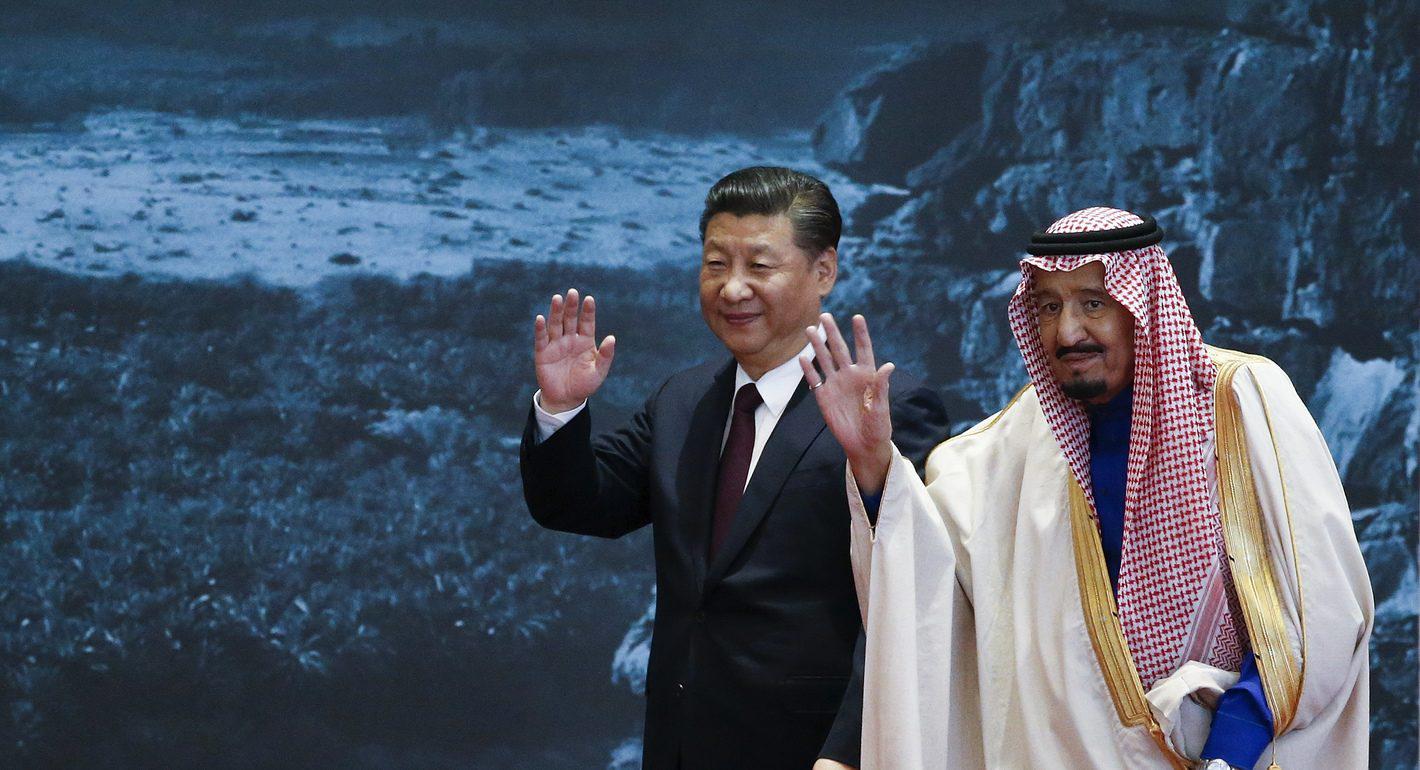
The advantage that China has over other global powers, especially America, is that its foreign policy is closely aligned with those of many of the Middle Eastern countries.



Jin Liangxiang, Maha Yahya, Hesham Alghannam

Transactional relationships are stable but can be shallow.


Paul Haenle, Maha Yahya, Benjamin Ho, …
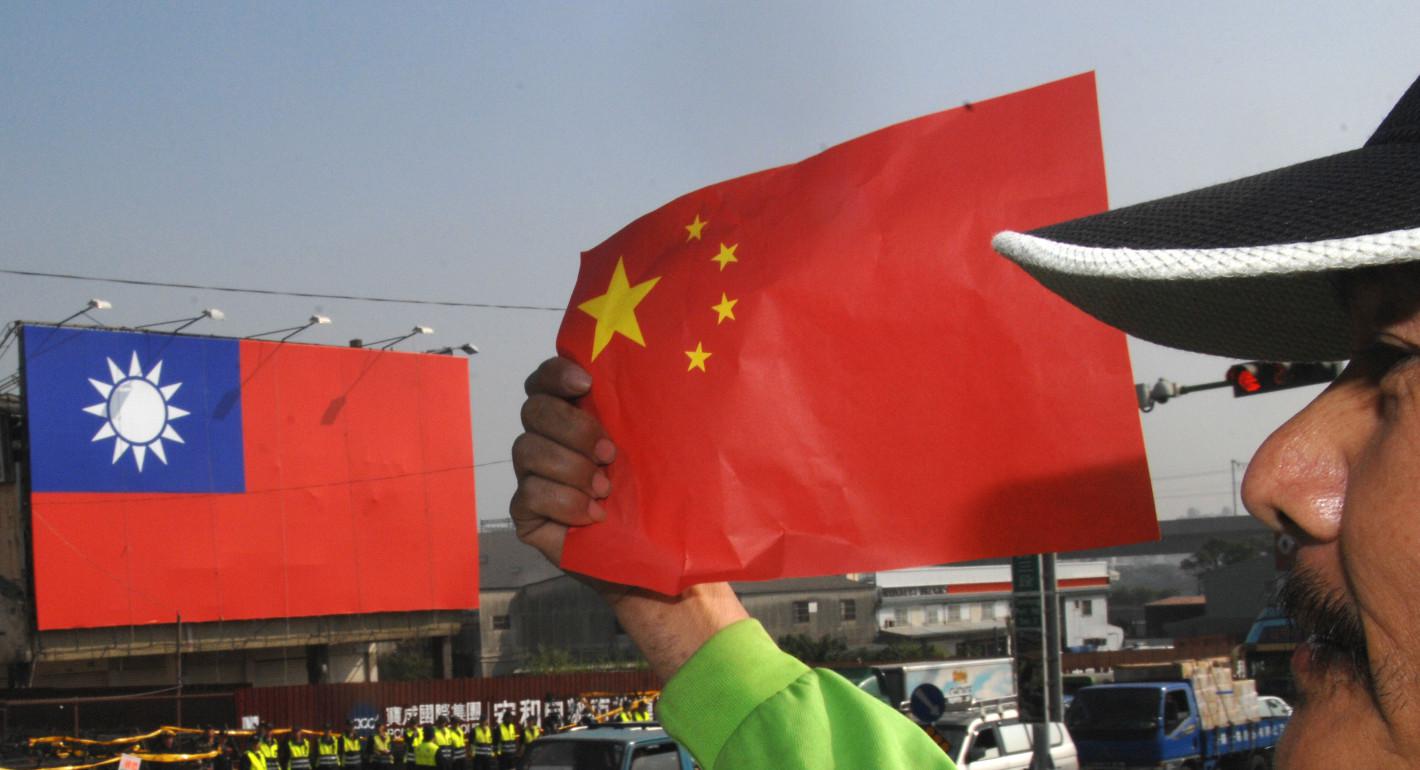
Beijing says that over 180 countries accept its “one China principle” regarding Taiwan, but the reality is more complicated.

Chong Ja Ian

Beijing must choose between preserving its pandemic narrative or facing more unrest.
Paul Haenle

It’s about managing oil prices, bread prices, and strategic partnerships.



Amr Hamzawy, Karim Sadjadpour, Aaron David Miller, …