

Commentary
Yukon Huang, Isaac B. Kardon, Matt Sheehan
{
  "authors": [
    "Yukon Huang"
  ],
  "type": "legacyinthemedia",
  "centerAffiliationAll": "dc",
  "centers": [
    "Carnegie Endowment for International Peace"
  ],
  "collections": [],
  "englishNewsletterAll": "asia",
  "nonEnglishNewsletterAll": "",
  "primaryCenter": "Carnegie Endowment for International Peace",
  "programAffiliation": "AP",
  "programs": [
    "Asia"
  ],
  "projects": [],
  "regions": [
    "East Asia",
    "China"
  ],
  "topics": [
    "Economy"
  ]
}
Source: Getty
China is unique in terms of its economic performance but is not exceptional. People need a different set of assumptions to understand China’s economy even though the economic principles for analysis are the same.
Source: CGTN
Speaking on CGTN, Carnegie’s Yukon Huang argued that while China is unique in terms of its economic performance, it is not exceptional. He explained that a different set of assumptions is needed for understanding China’s economy, even though the economic principles for analysis are the same. He offered as an example the importance of recognizing the unique role of local governments in creating a competitive environment in China. On the topic of globalization, Huang argued that there has been an important change in the perception that emerging economies are putting pressures on employment and wage in advanced economies. While the governance structure of globalization has undergone changes and emerging economies have had more say, a consensus has not been reached on what everyone should work toward, Huang said. Huang also argued that the issues that China faces now—such as environmental issues and innovation—are quite different from what it faced ten years ago.

Senior Fellow, Asia Program
Huang is a senior fellow in the Carnegie Asia Program where his research focuses on China’s economy and its regional and global impact.
Recent Work


Yukon Huang, Isaac B. Kardon, Matt Sheehan
Yukon Huang, Genevieve Slosberg

For Malaysia, the conjunction that works is “and” not “or” when it comes to the United States and China.

Elina Noor

ASEAN needs to determine how to balance perpetuating the benefits of technology cooperation with China while mitigating the risks of getting caught in the crosshairs of U.S.-China gamesmanship.
Elina Noor
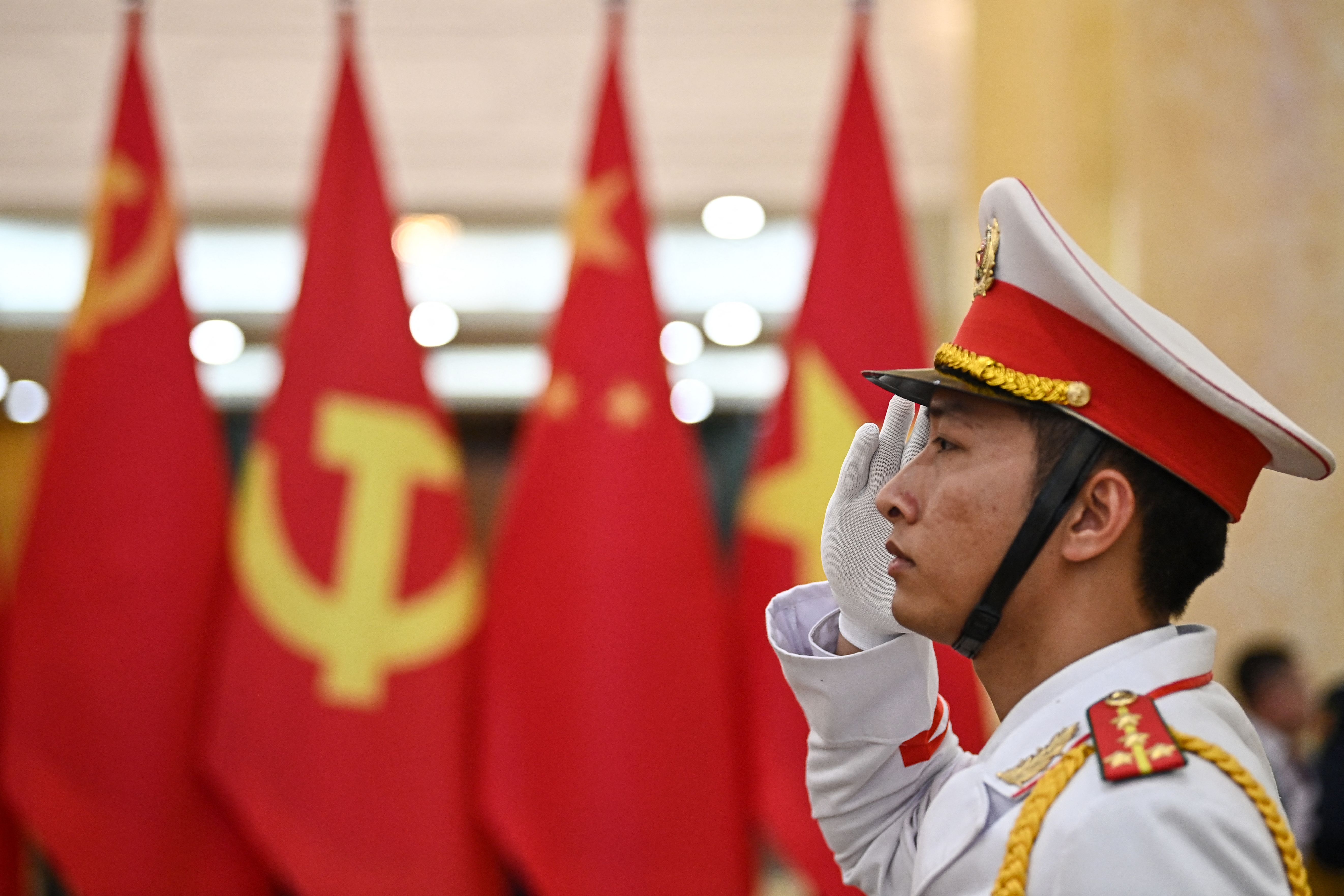
In July 2025, Vietnam and China held their first joint army drill, a modest but symbolic move reflecting Hanoi’s strategic hedging amid U.S.–China rivalry.

Nguyễn Khắc Giang

Regulation, not embargo, allows Beijing to shape how other countries and firms adapt to its terms.

Alvin Camba
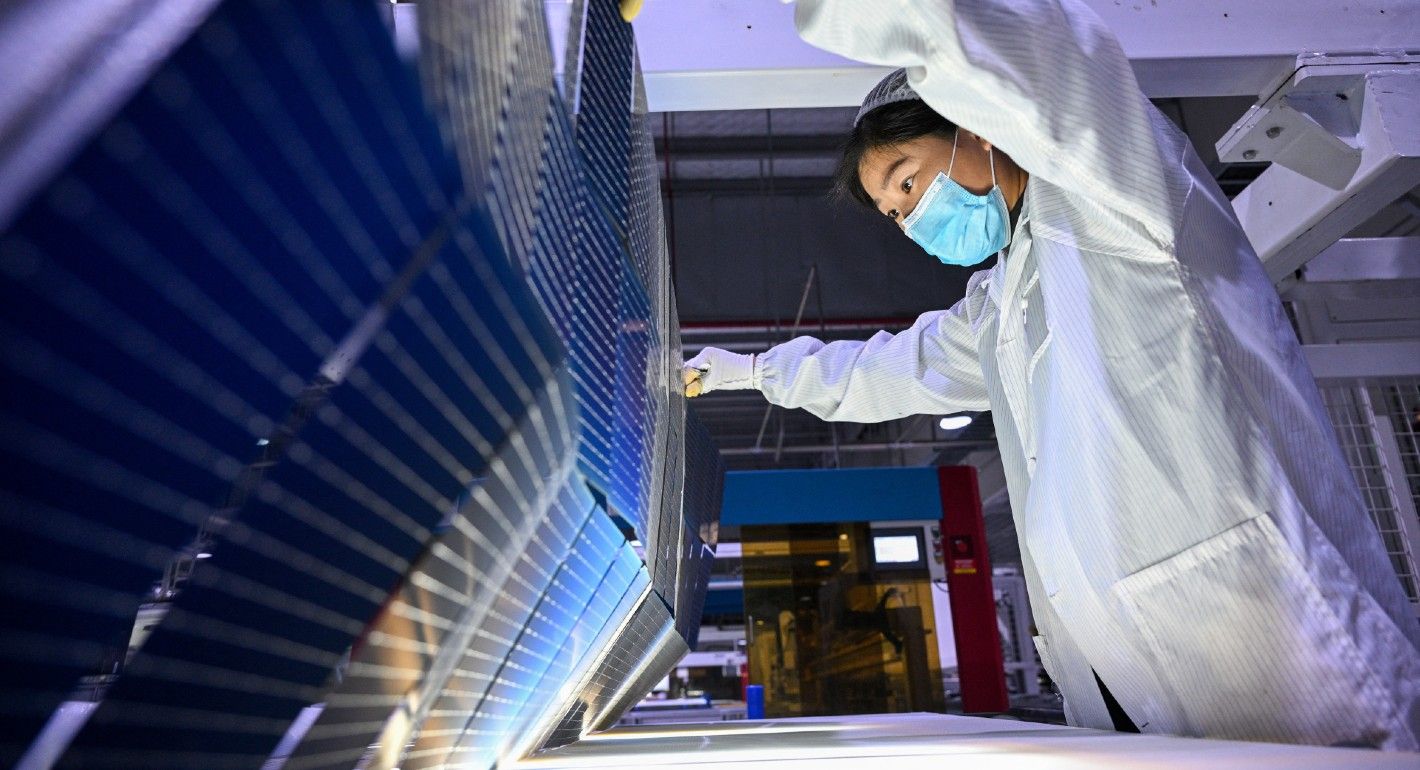
Rather than climate ambitions, compatibility with investment and exports is why China supports both green and high-emission technologies.

Mathias Larsen