

Paper
The nuclear relationship between China and the United States is increasingly shaped by widening perception gaps rather than deliberate strategic design.
Tong Zhao
{
  "authors": [
    "Thomas Carothers",
    "Andrew O’Donohue"
  ],
  "type": "legacyinthemedia",
  "centerAffiliationAll": "dc",
  "centers": [
    "Carnegie Endowment for International Peace"
  ],
  "collections": [
    "U.S. Democracy in Comparative Perspective"
  ],
  "englishNewsletterAll": "democracy",
  "nonEnglishNewsletterAll": "",
  "primaryCenter": "Carnegie Endowment for International Peace",
  "programAffiliation": "DCG",
  "programs": [
    "Democracy, Conflict, and Governance"
  ],
  "projects": [],
  "regions": [
    "North America",
    "United States",
    "Middle East",
    "East Asia",
    "Western Europe"
  ],
  "topics": [
    "Political Reform",
    "Democracy",
    "Foreign Policy",
    "Global Governance"
  ]
}
Source: Getty
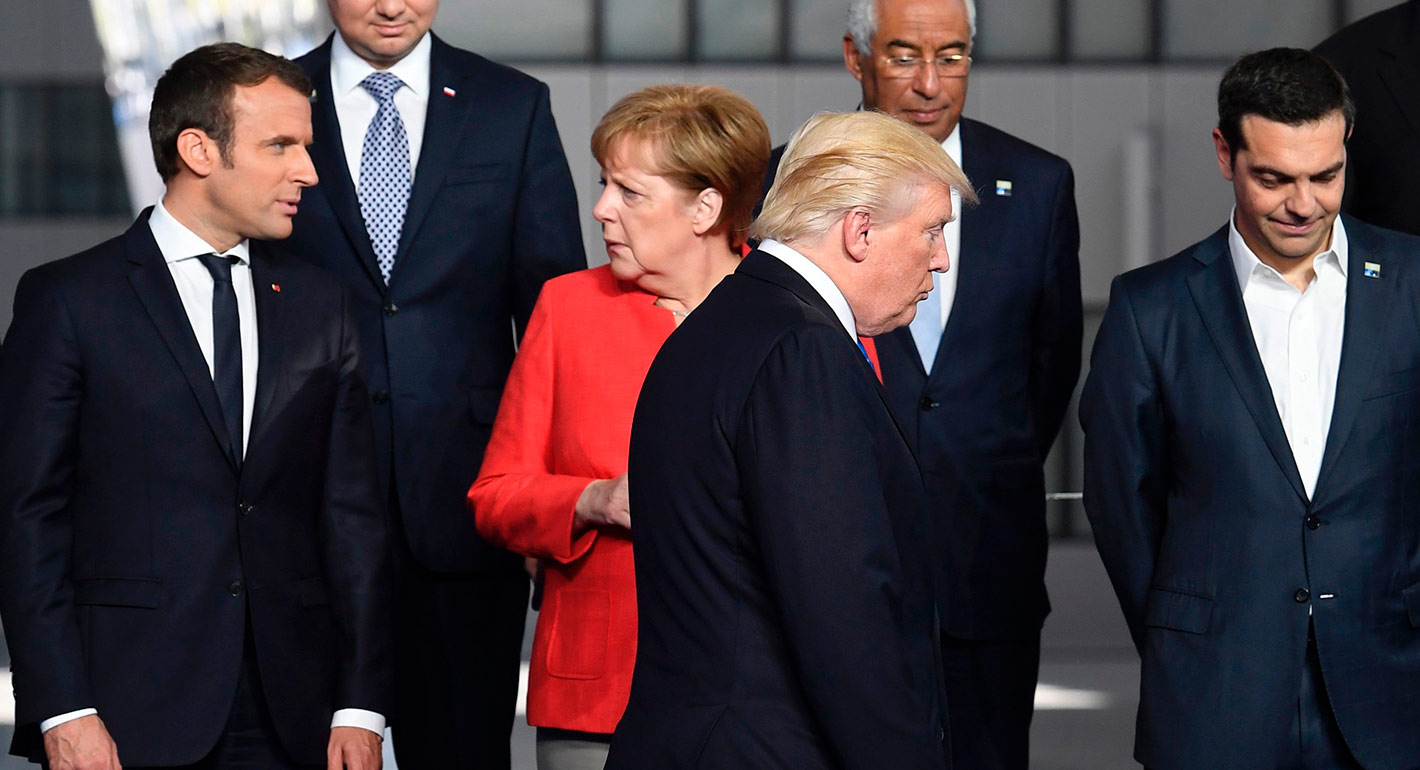
American polarization has deep roots that have taken decades to grow and strengthen. The United States may look much like many other angry, divided countries, but its brand of polarization raises specific concerns about the future and functioning of its democracy.
Source: Foreign Affairs
Every day brings more evidence of the United States’ profound political polarization. Partisan intransigence, vitriol, and divisiveness now contaminate most government institutions. What is more, these sentiments have steadily infiltrated every nook and cranny of American life. The 2020 presidential campaign will only further intensify the country’s partisan tribalism. And despite the lofty praise that news media and civil society heap on politicians who work across party lines, the divisive trend continues with no end in sight.
The more than 35 books published on this subject in the past decade have shed much light on partisan dynamics. Yet almost without exception, they examine U.S. polarization as an isolated phenomenon, separate from the experiences of other countries. In our research and advocacy work, we have taken a different tack.
Collaborating with scholars from around the world, we have examined the striking rise of severe polarization in numerous other democracies, including Bangladesh, Colombia, Poland, and Turkey. In each case we took a close look at the roots of polarization and then traced its trajectory over time, analyzing the main drivers as well as the negative consequences and attempted remedies.
Although polarization in the United States shares some basic features with political divisions elsewhere, we found that it stood out in many crucial respects. American polarization has deep roots that have taken decades to grow and strengthen. The United States may look much like many other angry, divided countries, but its brand of polarization raises specific concerns about the future and functioning of its democracy...

Harvey V. Fineberg Chair for Democracy Studies; Senior Fellow, Democracy, Conflict, and Governance Program
Thomas Carothers, a senior fellow in the Carnegie Endowment for International Peace’s Democracy, Conflict, and Governance Program, is a leading expert on comparative democratization and international support for democracy.

Fellow, Democracy, Conflict, and Governance Program
Andrew O’Donohue is a fellow in Carnegie’s Democracy, Conflict, and Governance Program. His research studies law and courts, democracy and authoritarianism, and Middle East politics, with a focus on Türkiye and Israel.
Carnegie does not take institutional positions on public policy issues; the views represented herein are those of the author(s) and do not necessarily reflect the views of Carnegie, its staff, or its trustees.

The nuclear relationship between China and the United States is increasingly shaped by widening perception gaps rather than deliberate strategic design.

Tong Zhao

Chinese biotech companies have been on the receiving end of U.S. economic coercion. Yet their responses have differed significantly because firm and state interests are not uniformly aligned. For Washington, treating all Chinese tech firms the same, irrespective of their actual interests, risks pushing them farther into Beijing’s corner.

Xue Gong

But their "principal to principal" model will only be as effective as the political strength of each leader back home.

Damien Ma

U.S. unpredictability has allowed China to capitalize on its positioning as the “responsible great power”. Paradoxically, the more China wins the perception game, the more likely expectations will rise for Beijing to deliver not just words but to demonstrate with its deeds.

Chong Ja Ian

Hanoi and Beijing have long treated each other as distant cousins rather than comrades in arms. That might be changing as both sides draw closer to hedge against uncertainty and America’s erratic behavior.

Nguyễn Khắc Giang