

Article
Frederic Wehrey, Charles H. Johnson
{
  "authors": [
    "Frederic Wehrey"
  ],
  "type": "other",
  "centerAffiliationAll": "dc",
  "centers": [
    "Carnegie Endowment for International Peace",
    "Malcolm H. Kerr Carnegie Middle East Center"
  ],
  "collections": [],
  "englishNewsletterAll": "menaTransitions",
  "nonEnglishNewsletterAll": "",
  "primaryCenter": "Carnegie Endowment for International Peace",
  "programAffiliation": "MEP",
  "programs": [
    "Middle East"
  ],
  "projects": [],
  "regions": [
    "North Africa",
    "Libya"
  ],
  "topics": [
    "Political Reform"
  ]
}
Source: Getty
Beyond his testimony about the depredations of interwar imperialism, there are other reasons to revisit Knud Holmboe. The arc of his life, with its stark conversions, straddled the schisms and categories that divide the world still.
Source: New York Review of Books
In the summer of 1931, the security services in French-controlled Syria detained and deported a Danish journalist who had the previous year spent time in the Italian colonies of Tripolitania and Cyrenaica in North Africa, part of what would later become the modern state of Libya. The Italian fascists had reportedly contacted the French to request the expulsion of the twenty-eight-year-old traveler on the grounds that he was a dangerous subversive. French officials in Syria needed little convincing: the tall, blue-eyed Dane’s reputation had preceded his arrival and some of his reporting about Libya, they believed, had inspired anti-Italian riots in Syria that had left several dead. Soon after these disturbances, an article in the British press called the young man a “Danish Lawrence,” referring to T.E. Lawrence, the British military officer in World War I better known as “Lawrence of Arabia.”
This article was originally published in the New York Review of Books.
Senior Fellow, Middle East Program
Frederic Wehrey is a senior fellow in the Middle East Program at the Carnegie Endowment for International Peace, where his research focuses on governance, conflict, and security in Libya, North Africa, and the Persian Gulf.
Recent Work
Frederic Wehrey, Charles H. Johnson
Frederic Wehrey, Charles H. Johnson
Carnegie does not take institutional positions on public policy issues; the views represented herein are those of the author(s) and do not necessarily reflect the views of Carnegie, its staff, or its trustees.
Transactional relationships are stable but can be shallow.



Paul Haenle, Maha Yahya, Benjamin Ho, …
It’s about managing oil prices, bread prices, and strategic partnerships.



Amr Hamzawy, Karim Sadjadpour, Aaron David Miller, …
The murder of George Floyd has underscored the deep inequities that have long plagued American society. In a note to the Carnegie community, Bill Burns reflects on Carnegie’s commitment to build a more just future here at home and around the world, without which peace will remain beyond our grasp.
William J. Burns
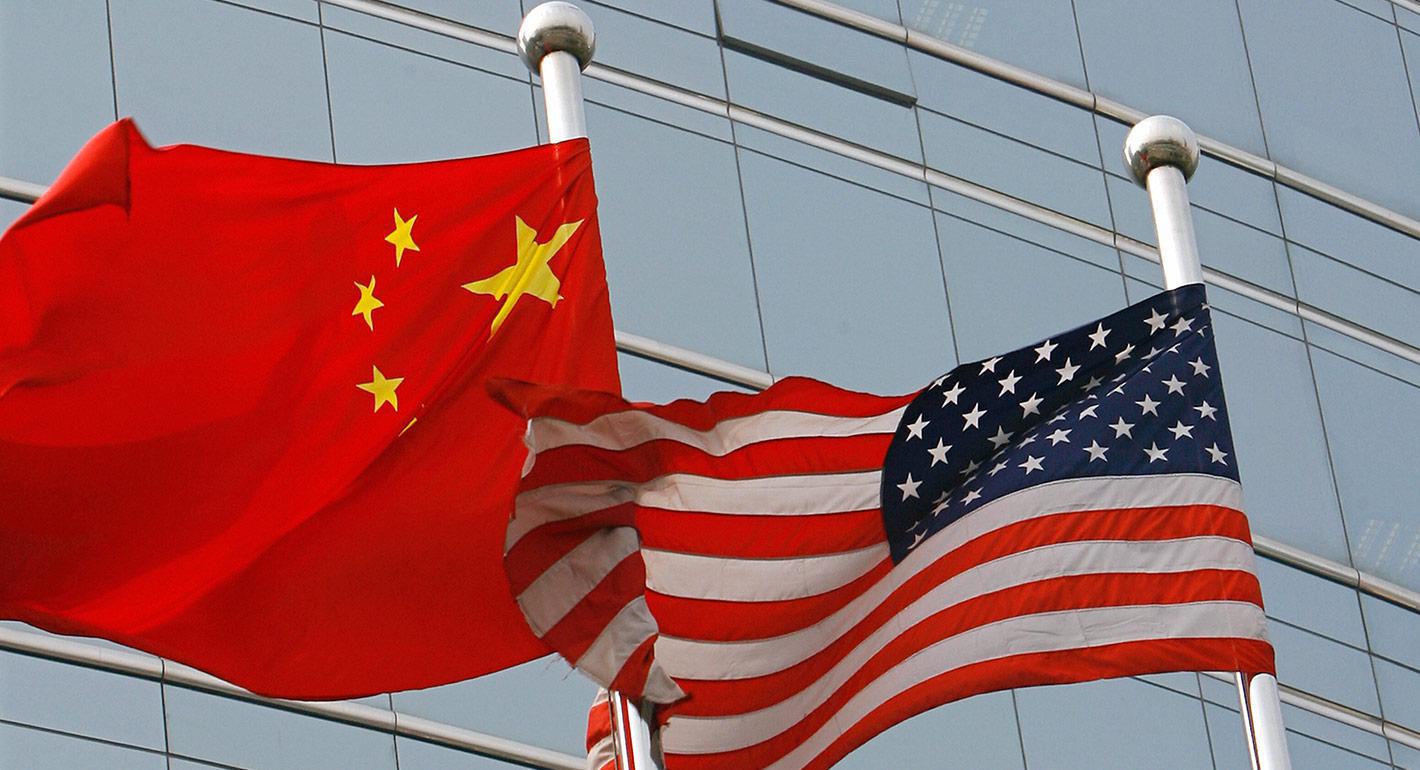
While the world hoped this pandemic might lead to more cooperation between these two great powers, American and Chinese leaders instead fell into a blame game and allowed their increasing suspicions to guide their decision-making.
Lyu Jinghua
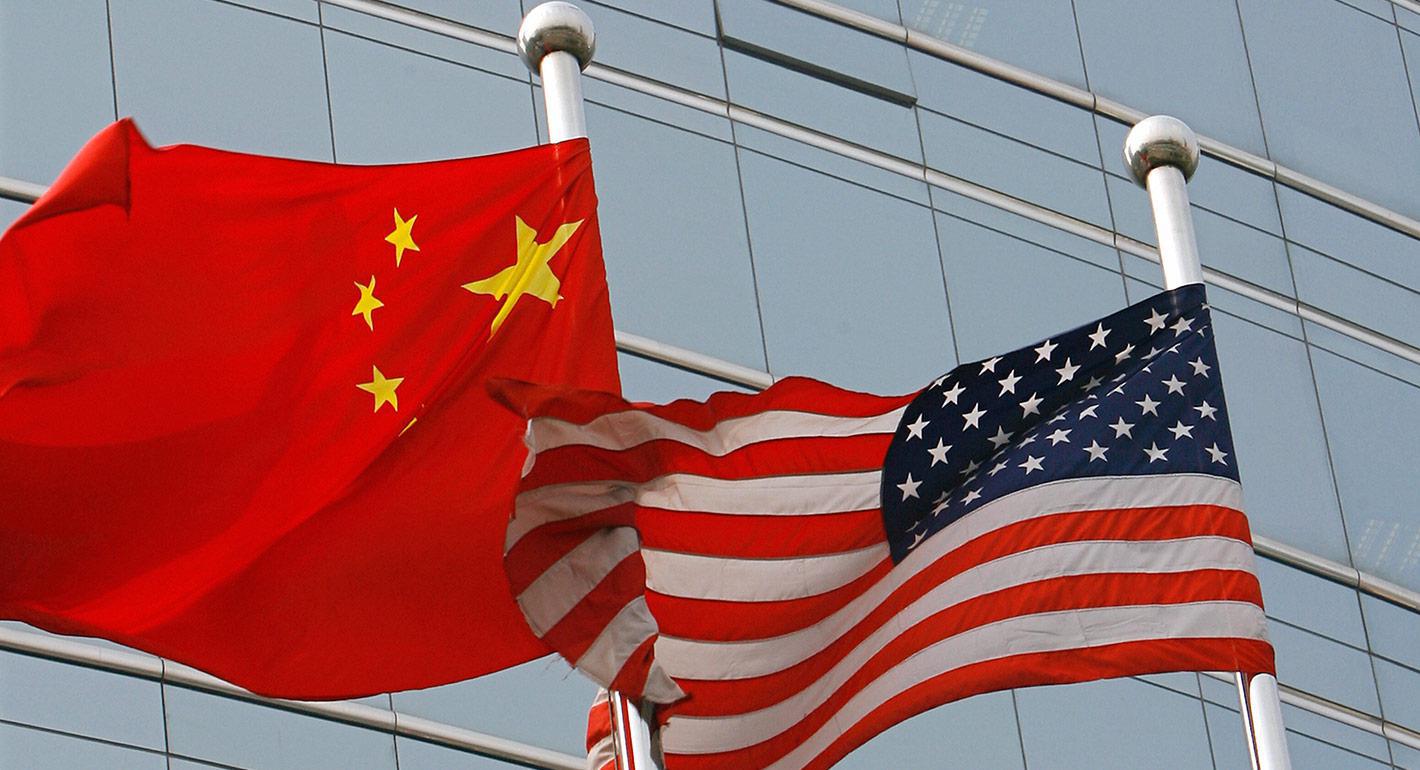
Biological viruses and computer malware differ in important respects. They have considerable potential to spread widely, invading, disrupting and destroying their targets.
Ariel (Eli) Levite, Lyu Jinghua