

Article
Paul Stronski
{
  "authors": [
    "Paul Stronski"
  ],
  "type": "legacyinthemedia",
  "centerAffiliationAll": "dc",
  "centers": [
    "Carnegie Endowment for International Peace"
  ],
  "collections": [],
  "englishNewsletterAll": "ctw",
  "nonEnglishNewsletterAll": "",
  "primaryCenter": "Carnegie Endowment for International Peace",
  "programAffiliation": "russia",
  "programs": [
    "Russia and Eurasia"
  ],
  "projects": [
    "Changing Geopolitics of Eurasia"
  ],
  "regions": [
    "Central Asia",
    "Uzbekistan"
  ],
  "topics": [
    "Political Reform"
  ]
}
Source: Getty
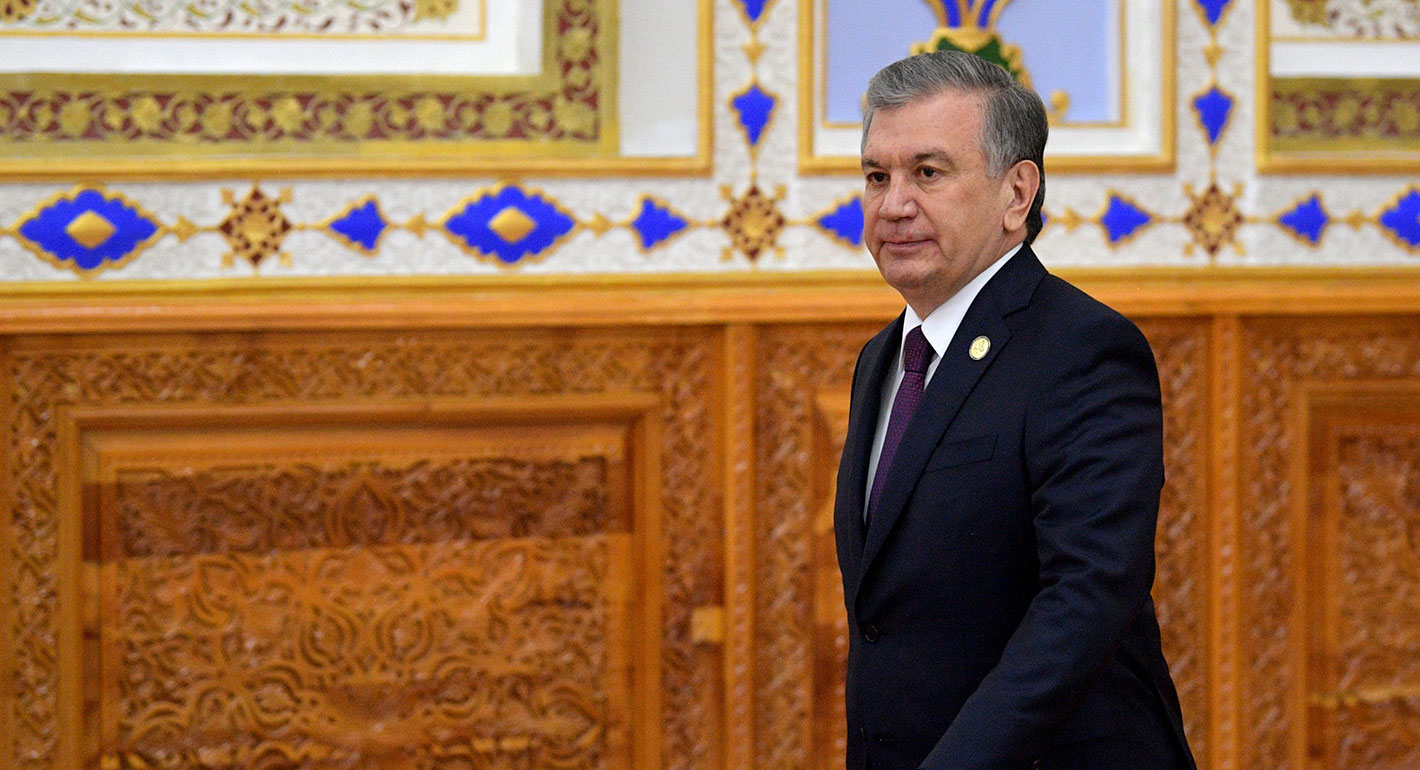
After taking power in 2016, President Shavkat Mirziyoyev quickly recognized that growing socioeconomic discontent could destabilize his regime, so he launched a preventative program of political and economic reforms.
Source: World Politics Review
Last month, The Economist boldly labeled Uzbekistan its “country of the year,” declaring that “no other country travelled so far in 2019.” It is a remarkable achievement for a state that perennially finds itself at the bottom of international rankings on corruption, governance and human rights issues. But while Uzbekistan certainly is changing, the government’s quest for economic stability, not democracy, is driving the process.
After taking power in 2016, President Shavkat Mirziyoyev quickly recognized that growing socioeconomic discontent could destabilize his regime. He saw that resentment toward a corrupted status quo could push angry populations into the streets, as it did in neighboring countries like Iran, Kazakhstan and Russia. Mirziyoyev wants none of that, so he launched a preventative program of political and economic reforms instead.
This article was originally published in World Politics Review.

Former Senior Fellow, Russia and Eurasia Program
Paul Stronski was a senior fellow in Carnegie’s Russia and Eurasia Program, where his research focuses on the relationship between Russia and neighboring countries in Central Asia and the South Caucasus.
Recent Work
Paul Stronski
Paul Stronski
Carnegie does not take institutional positions on public policy issues; the views represented herein are those of the author(s) and do not necessarily reflect the views of Carnegie, its staff, or its trustees.
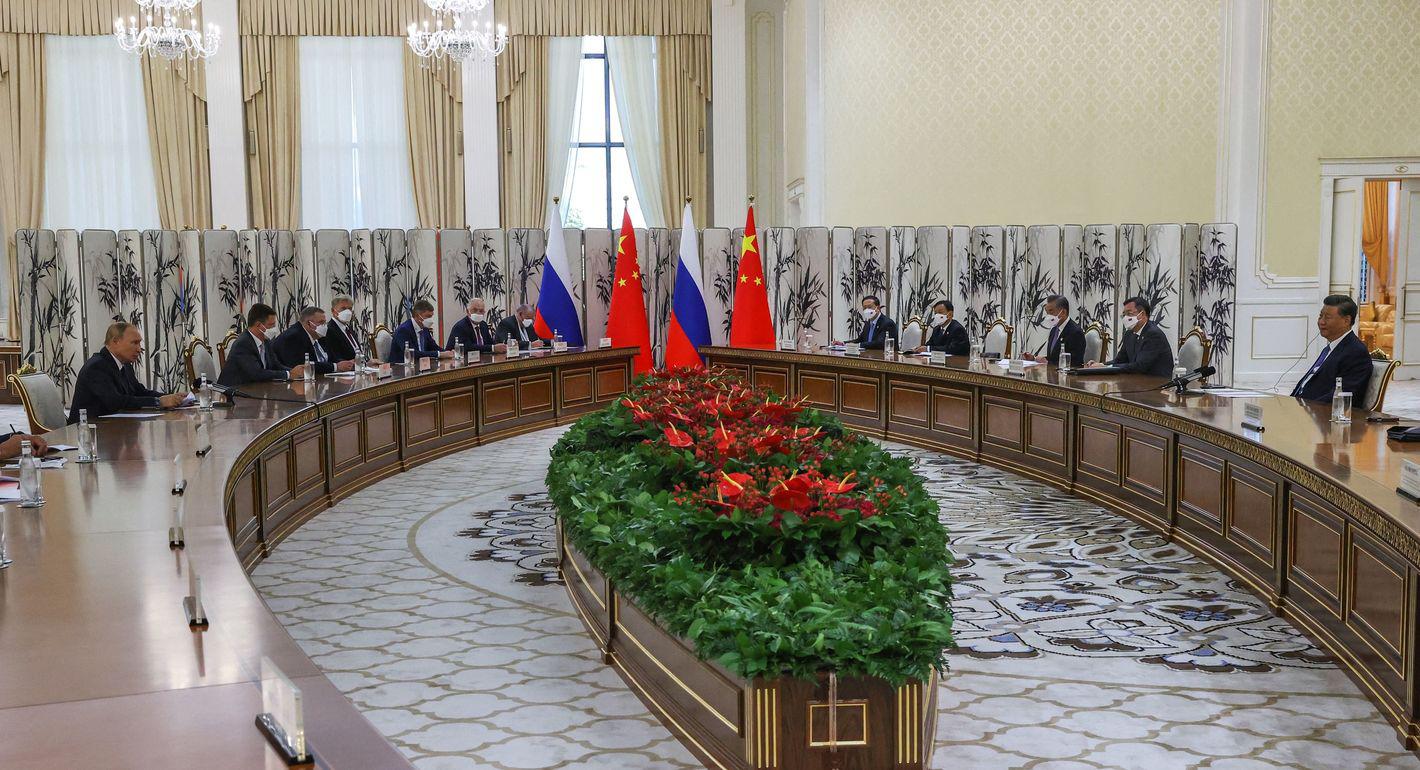
Russia has its Eurasian Economic Union, and China has its Belt and Road Initiative. For both projects, Central Asia is important.


Temur Umarov, Nargis Kassenova
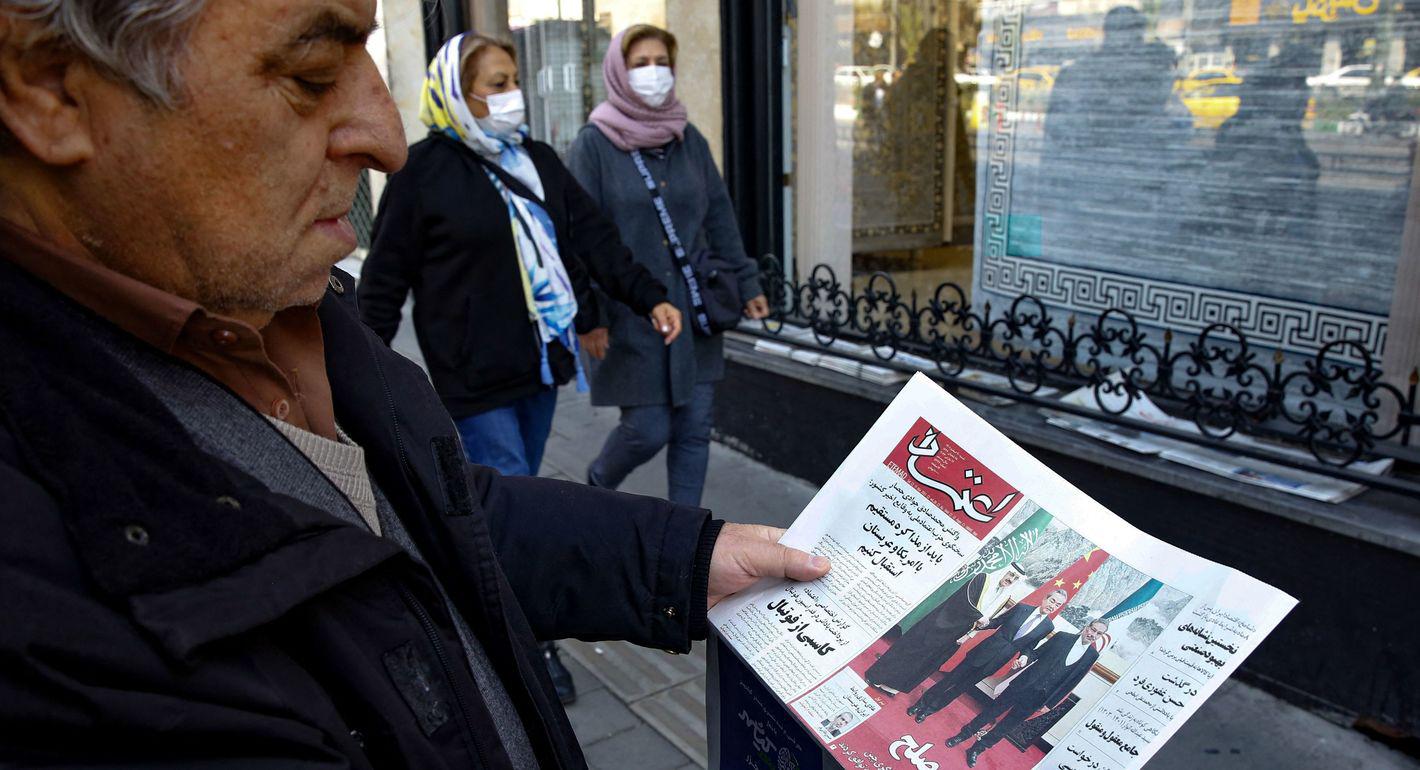
Transactional relationships are stable but can be shallow.

Paul Haenle, Maha Yahya, Benjamin Ho, …
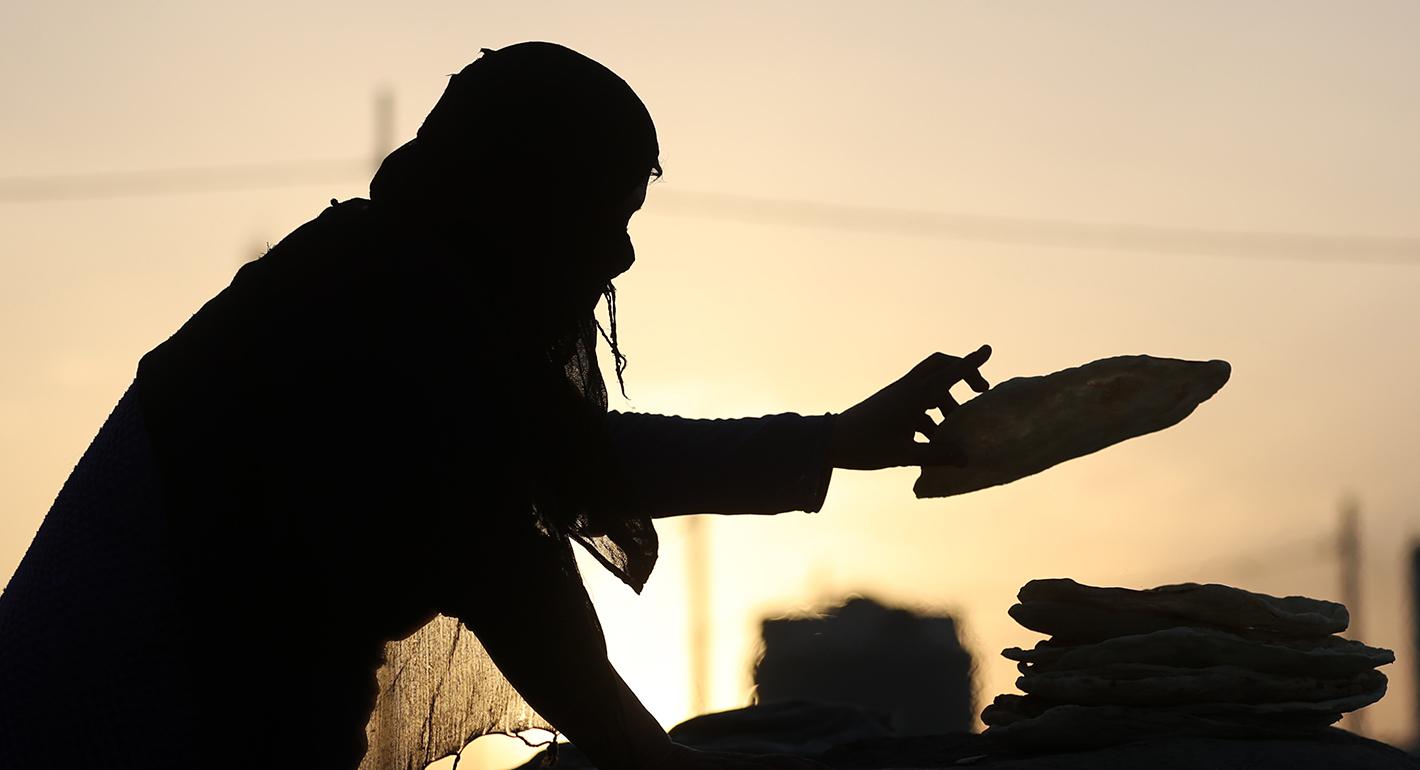
It’s about managing oil prices, bread prices, and strategic partnerships.



Amr Hamzawy, Karim Sadjadpour, Aaron David Miller, …
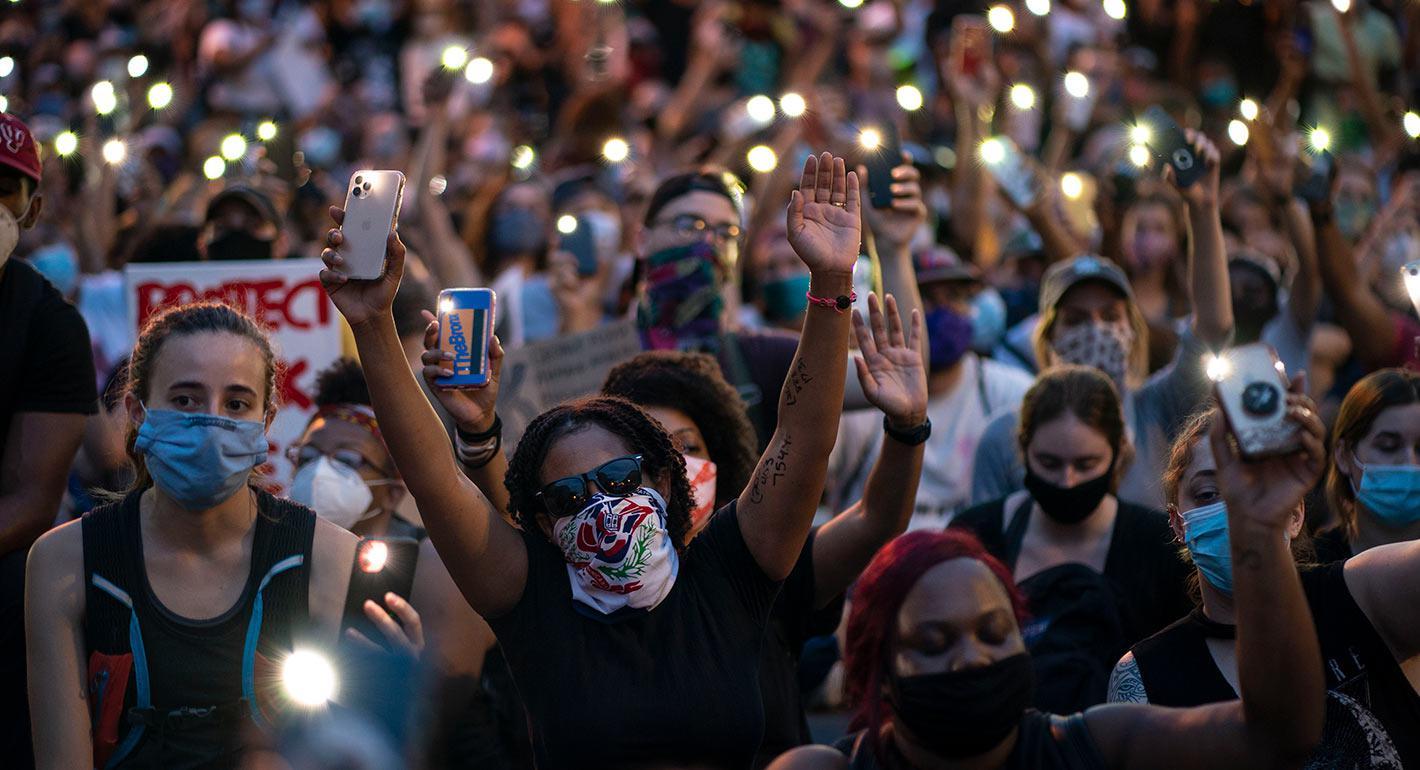
The murder of George Floyd has underscored the deep inequities that have long plagued American society. In a note to the Carnegie community, Bill Burns reflects on Carnegie’s commitment to build a more just future here at home and around the world, without which peace will remain beyond our grasp.
William J. Burns
While the world hoped this pandemic might lead to more cooperation between these two great powers, American and Chinese leaders instead fell into a blame game and allowed their increasing suspicions to guide their decision-making.
Lyu Jinghua