
Malaysia’s chairmanship sought to fend off short-term challenges while laying the groundwork for minimizing ASEAN’s longer-term exposure to external stresses.
Elina Noor
{
"authors": [
"Christopher Hill"
],
"type": "legacyinthemedia",
"centerAffiliationAll": "dc",
"centers": [
"Carnegie Endowment for International Peace"
],
"collections": [],
"englishNewsletterAll": "asia",
"nonEnglishNewsletterAll": "",
"primaryCenter": "Carnegie Endowment for International Peace",
"programAffiliation": "AP",
"programs": [
"Asia"
],
"projects": [],
"regions": [
"North America",
"United States",
"East Asia",
"China"
],
"topics": [
"Foreign Policy",
"Global Governance"
]
}Source: Getty
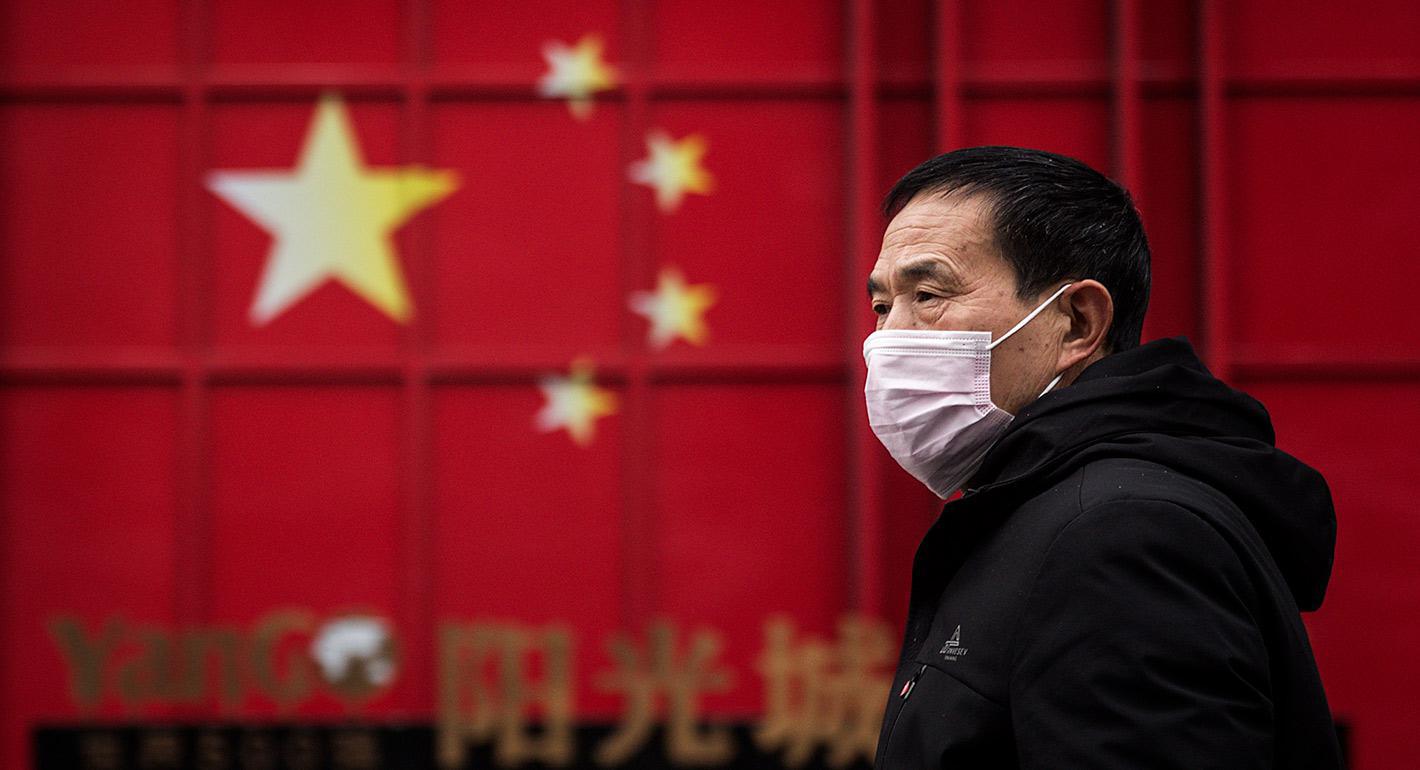
In any crisis, even in the midst of a pandemic, there is a moment where everybody might benefit from taking a deep breath and thinking clearly about the way forward.
Source: Hill
China’s foreign ministry — not unlike the U.S. State Department’s own checkered reputation in the United States — has a reputation among some in China for too often apologizing to foreign government positions and, in these fraught times, for committing the crime of excessive reasonableness. The foreign ministry’s strategy for mitigating such accusations, not surprisingly, is to employ a spokesperson who can protect the ministry from such critics, and demonstrate that the foreign ministry is not full of apologists as it is often accused, but rather is one that can fight back, and fight back hard. Enter foreign ministry spokesperson Zhao Lijian.
On March 11, a lightyear ago in coronavirus time, Zhao Lijian tweeted that “it might be the US army” that brought the disease to China, an accusation that had been making its way across China’s very active blogosphere where just about anything goes, provided it doesn’t include criticism of the Beijing government.
Former Nonresident Senior Fellow, Asia Program
Ambassador Christopher Robert Hill is currently an adjunct professor at Columbia SIPA. He is a former career diplomat, a four-time ambassador, nominated by three presidents, whose last post was as ambassador to Iraq.
Carnegie does not take institutional positions on public policy issues; the views represented herein are those of the author(s) and do not necessarily reflect the views of Carnegie, its staff, or its trustees.
Malaysia’s chairmanship sought to fend off short-term challenges while laying the groundwork for minimizing ASEAN’s longer-term exposure to external stresses.
Elina Noor
For Malaysia, the conjunction that works is “and” not “or” when it comes to the United States and China.
Elina Noor
ASEAN needs to determine how to balance perpetuating the benefits of technology cooperation with China while mitigating the risks of getting caught in the crosshairs of U.S.-China gamesmanship.
Elina Noor
In July 2025, Vietnam and China held their first joint army drill, a modest but symbolic move reflecting Hanoi’s strategic hedging amid U.S.–China rivalry.
Nguyễn Khắc Giang
Regulation, not embargo, allows Beijing to shape how other countries and firms adapt to its terms.
Alvin Camba






