

Commentary
While China will remain a significant political and economic force in the Global South, its ambition to leverage the Global South as a counterbalance to the United States and the Global North is far from assured.
Xue Gong
{
  "authors": [
    "Milan Vaishnav",
    "Bilal Baloch"
  ],
  "type": "other",
  "centerAffiliationAll": "dc",
  "centers": [
    "Carnegie Endowment for International Peace"
  ],
  "collections": [],
  "englishNewsletterAll": "ctw",
  "nonEnglishNewsletterAll": "",
  "primaryCenter": "Carnegie Endowment for International Peace",
  "programAffiliation": "SAP",
  "programs": [
    "South Asia"
  ],
  "projects": [
    "India Elects 2019"
  ],
  "regions": [
    "South Asia",
    "India"
  ],
  "topics": [
    "Political Reform"
  ]
}
Source: Getty
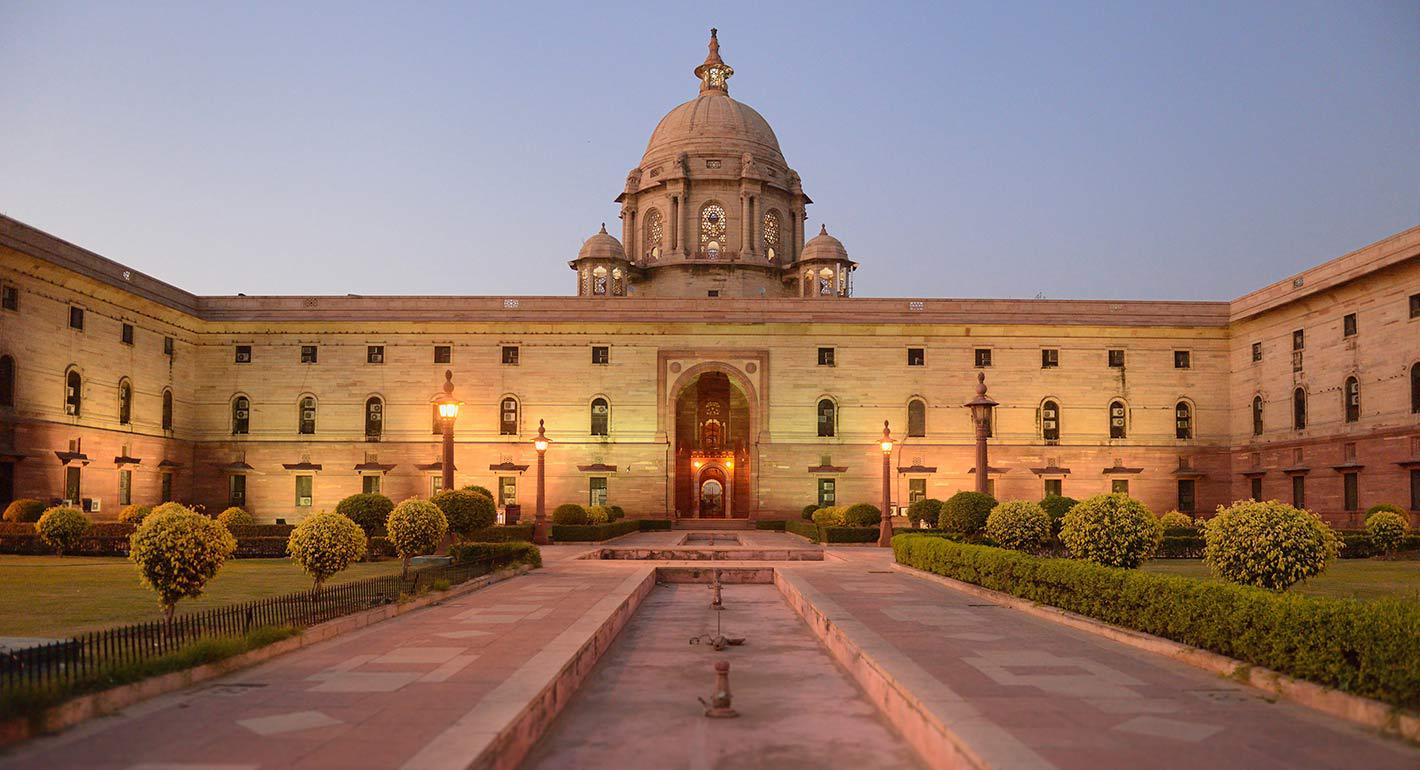
How a second Narendra Modi-led BJP government affects the party system, minority rights, the economy, and federalism in India.
Source: India Review
India’s 2019 general election was undeniably a watershed moment in the country’s post–independence political history. Despite concerns about a slumping economy, the baggage of anti–incumbency, and greater opposition coordination, the Bharatiya Janata Party (BJP) of Prime Minister Narendra Modi cruised to victory, attaining a second consecutive single–party majority in the Lok Sabha (lower house of Parliament). Indeed, it was the first time that a non–Congress government had been brought back to power since 1947. And the BJP did so in an election that saw voter turnout hit an all–time high (67.2 percent) and in which the party dominated its opponents on nearly every score.1 According to survey data compiled by the Lokniti Program of the Center for the Study of Developing Societies (CSDS), the BJP triumphed in both rural and urban areas, across Hindu caste groups, among voters of all classes, and in all four corners of the country.
The BJP’s 2014 and 2019 general election victories, coupled with the party’s meticulous expansion at the state–level and approaching majority in the Rajya Sabha (indirectly–elected upper house of Parliament), firmly establish it as the central pole around which politics in India now revolves. If the party’s victory in 2014 raised doubts about the resilience of India’s coalition–based “third party system,” the 2019 election decisively shattered the idea that 2014 was a “black swan” election — a lone aberration rather than the dawn of a new era.2
Under the watchful gaze of Modi and party president Amit Shah, the BJP amply demonstrated its electoral vigor, organizational robustness, fundraising prowess, and narrative–shaping ability. It has also shown its ability to flex its ideological muscle. The twin forces of Hindu nationalism and what Suhas Palshikar calls a “new developmentalism” constitute the two pillars of its ideological vision for a Naya (new) India.3 Both factors helped propel the party back to power, and both have also been on display in the aftermath of the election.
This piece was originally published in the India Review.
1. Election Commission of India.
2. Milan Vaishnav and Jamie Hintson, “The Dawn of India’s Fourth Party System,” Carnegie Endowment for International Peace (September, 2019), https://carnegieendowment.org/files/201909-VaishnavHintson.pdf (accessed September 22, 2019).
3. Suhas Palshikar, “Towards Hegemony,” Economic and Political Weekly 53, no. 33, (August 18, 2018): 36–42.

Director and Senior Fellow, South Asia Program
Milan Vaishnav is a senior fellow and director of the South Asia Program and the host of the Grand Tamasha podcast at the Carnegie Endowment for International Peace. His primary research focus is the political economy of India, and he examines issues such as corruption and governance, state capacity, federalism, and electoral behavior. He also conducts research on the Indian diaspora.
Former Visiting Fellow
Bilal Baloch was a visiting fellow at Carnegie India where his research focuses on the political economy of government behavior in India and other developing democracies.
Carnegie does not take institutional positions on public policy issues; the views represented herein are those of the author(s) and do not necessarily reflect the views of Carnegie, its staff, or its trustees.
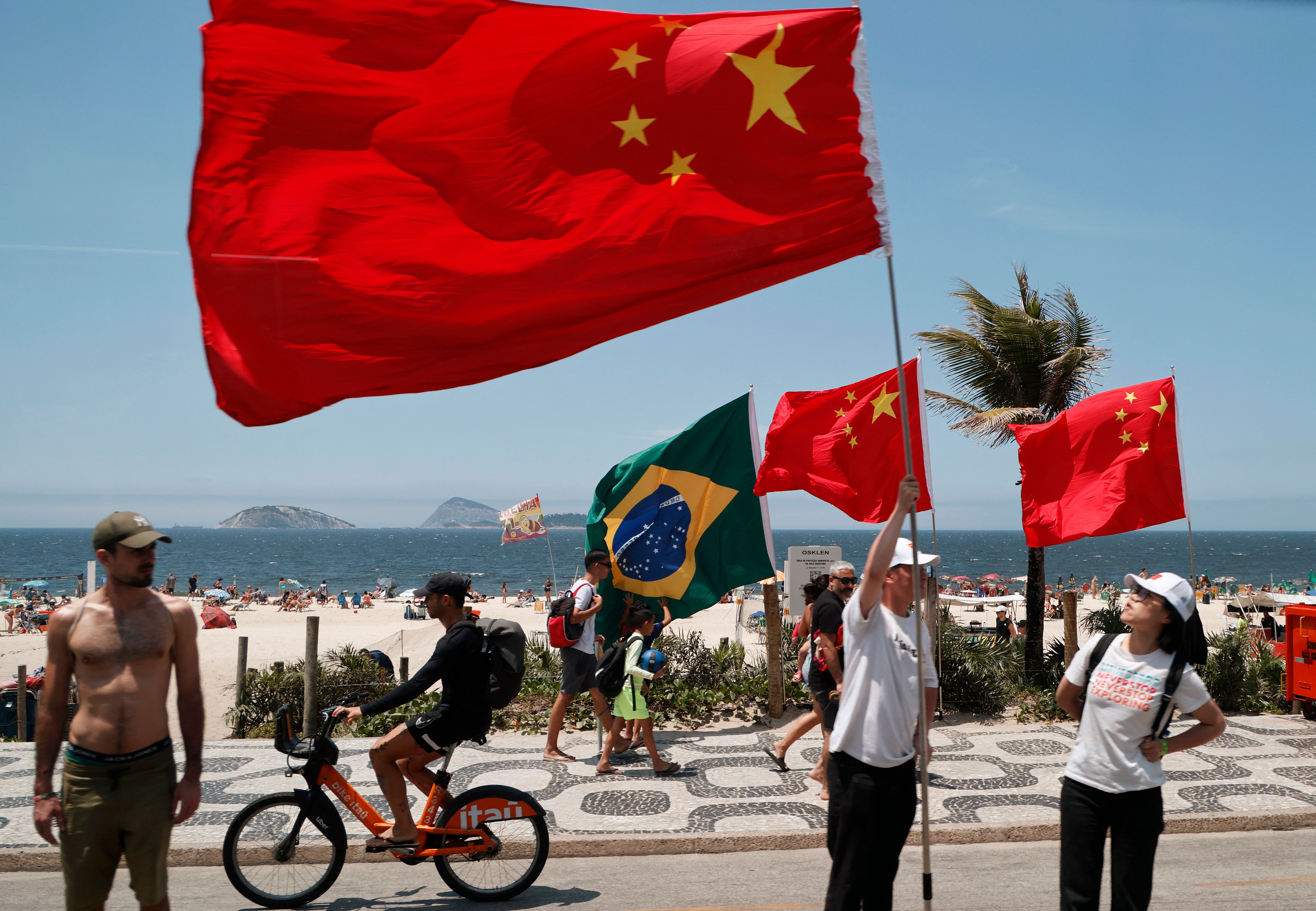
While China will remain a significant political and economic force in the Global South, its ambition to leverage the Global South as a counterbalance to the United States and the Global North is far from assured.

Xue Gong
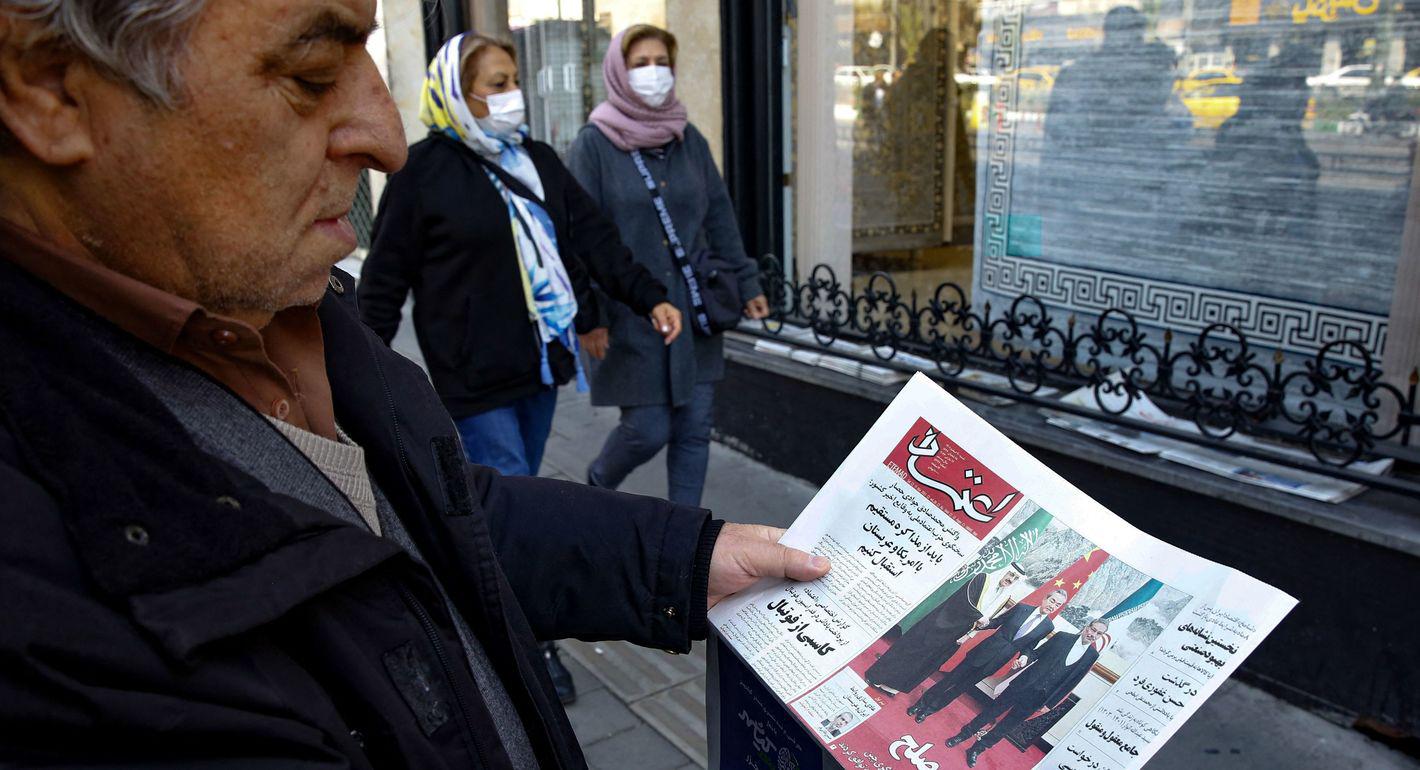
Transactional relationships are stable but can be shallow.



Paul Haenle, Maha Yahya, Benjamin Ho, …
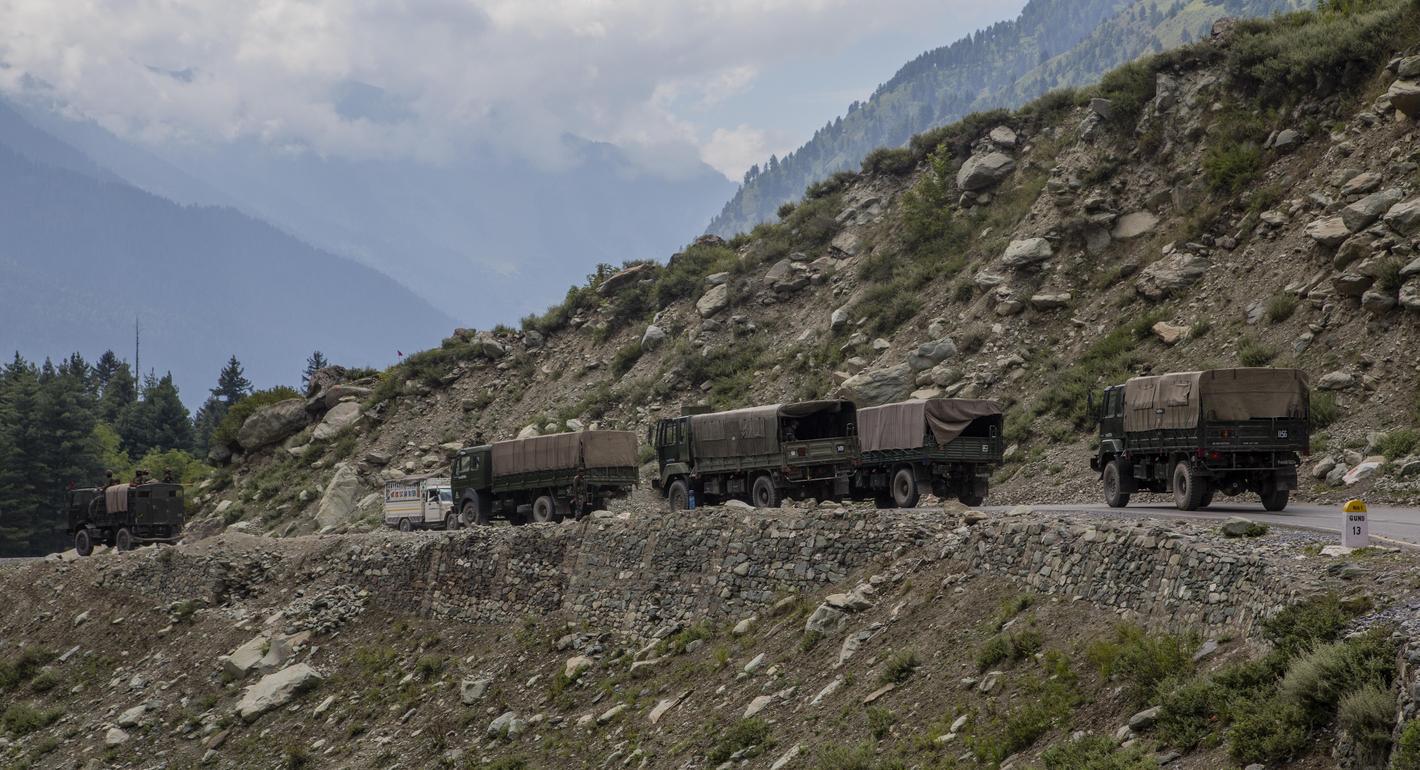
Can China and India disengage from contested territories along the border?
Paul Haenle, Ashley J. Tellis, Han Hua, …

It’s about managing oil prices, bread prices, and strategic partnerships.



Amr Hamzawy, Karim Sadjadpour, Aaron David Miller, …
The government extends the uncertainty with its two new taxes and digital rupee.
Anirudh Burman, Priyadarshini D.