

Q&A
Paul Haenle, Philippe Le Corre
{
  "authors": [
    "Philippe Le Corre"
  ],
  "type": "other",
  "centerAffiliationAll": "dc",
  "centers": [
    "Carnegie Endowment for International Peace"
  ],
  "collections": [],
  "englishNewsletterAll": "asia",
  "nonEnglishNewsletterAll": "",
  "primaryCenter": "Carnegie Endowment for International Peace",
  "programAffiliation": "AP",
  "programs": [
    "Asia"
  ],
  "projects": [],
  "regions": [
    "East Asia",
    "China",
    "Western Europe"
  ],
  "topics": [
    "Economy",
    "Foreign Policy"
  ]
}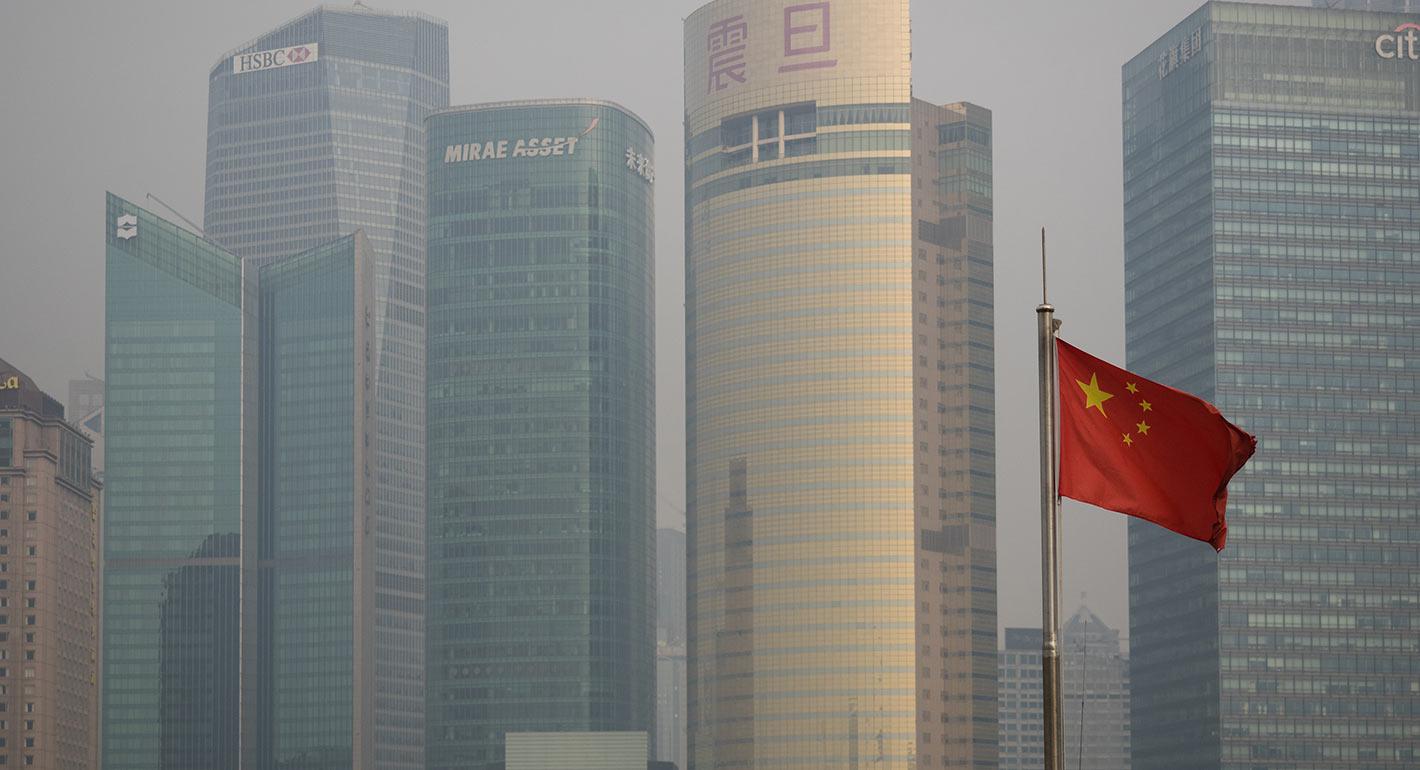
Source: Getty
Both the overland Silk Road Economic Belt and the Maritime Silk road have fundamentally been aimed at linking China with the European continent and its 500-million consumer market.
Source: Routledge
China released key details of its Belt and Road Initiative (originally termed “One Belt, One Road”), during President Xi Jinping’s visits to Kazakhstan and Indonesia in the Fall of 2013. Initially billed as a network of regional infrastructure projects, encompassing road and rail routes, as well as oil and gas pipelines and facilities (the “Belt”), the scope of the BRI has continued to expand over the past few years. The “Road” component of China’s plan, the twenty-first-century Maritime Silk Road, envisaged a network of new port facilities and other coastal infrastructure extending from China through South and Southeast Asia all the way to Africa and the Mediterranean. The initiative featured prominently in China’s 13th Five-Year Plan, guiding national investment strategy from 2015 to 2020, and enhancing the coordination of all China’s policies across the Asian continent, including financial integration, trade liberalization, people-to-people connectivity, and a “digital silk road.” Although the geographical coverage of the BRI has repeatedly expanded, there is one long-lasting trend. Both the overland Silk Road Economic Belt and the Maritime Silk road have fundamentally been linking China with the European continent and its 500-million consumer market.
Former Nonresident Senior Fellow, Europe Program
Philippe Le Corre was a nonresident senior fellow in the Europe Program at the Carnegie Endowment for International Peace.
Recent Work

Paul Haenle, Philippe Le Corre


Erik Brattberg, Philippe Le Corre, Paul Stronski, …
Carnegie does not take institutional positions on public policy issues; the views represented herein are those of the author(s) and do not necessarily reflect the views of Carnegie, its staff, or its trustees.

Malaysia’s chairmanship sought to fend off short-term challenges while laying the groundwork for minimizing ASEAN’s longer-term exposure to external stresses.

Elina Noor

For Malaysia, the conjunction that works is “and” not “or” when it comes to the United States and China.
Elina Noor

ASEAN needs to determine how to balance perpetuating the benefits of technology cooperation with China while mitigating the risks of getting caught in the crosshairs of U.S.-China gamesmanship.
Elina Noor
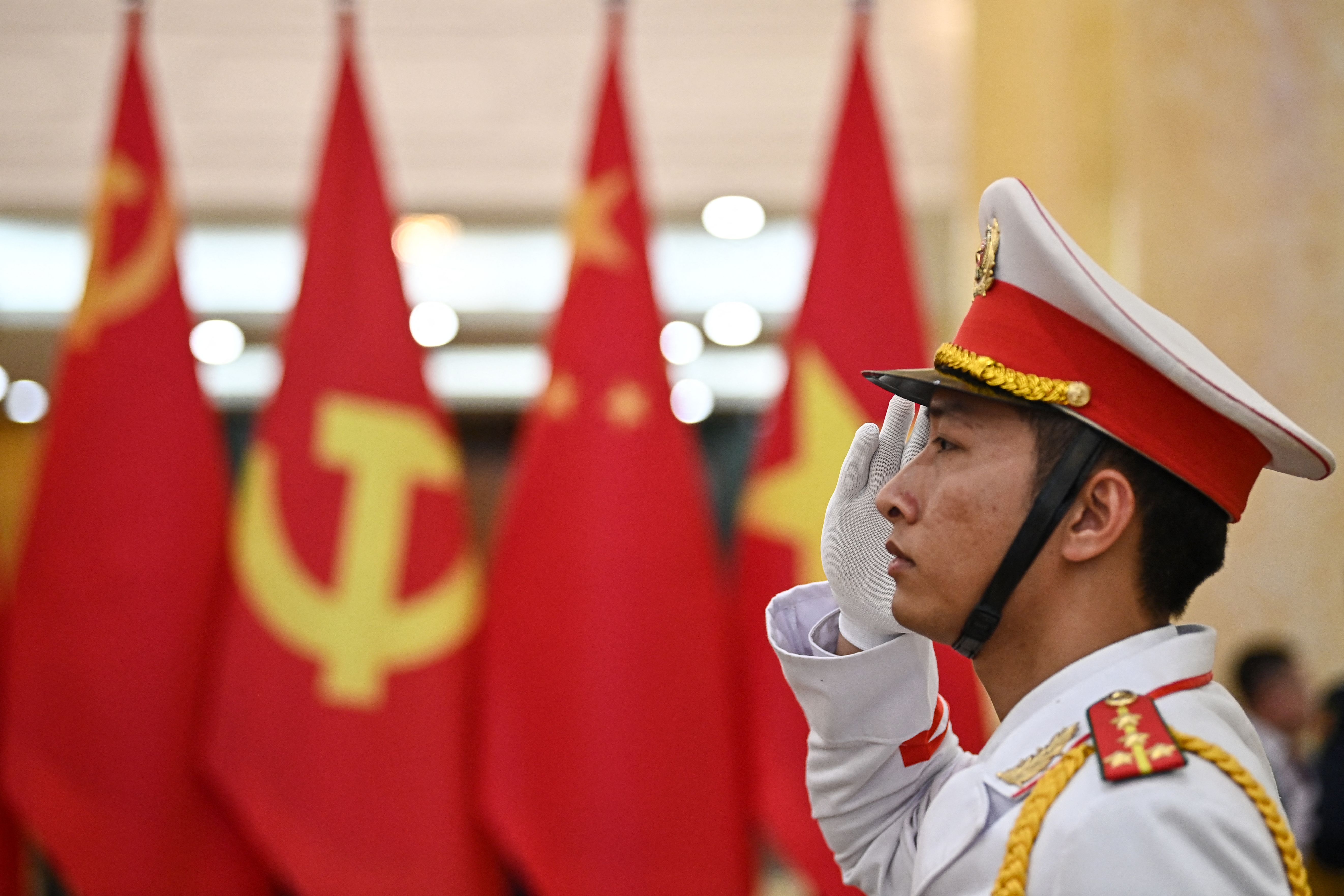
In July 2025, Vietnam and China held their first joint army drill, a modest but symbolic move reflecting Hanoi’s strategic hedging amid U.S.–China rivalry.

Nguyễn Khắc Giang

Regulation, not embargo, allows Beijing to shape how other countries and firms adapt to its terms.

Alvin Camba