

Article
Paul Staniland
{
  "authors": [
    "Paul Staniland"
  ],
  "type": "legacyinthemedia",
  "centerAffiliationAll": "dc",
  "centers": [
    "Carnegie Endowment for International Peace"
  ],
  "collections": [],
  "englishNewsletterAll": "ctw",
  "nonEnglishNewsletterAll": "",
  "primaryCenter": "Carnegie Endowment for International Peace",
  "programAffiliation": "SAP",
  "programs": [
    "South Asia"
  ],
  "projects": [],
  "regions": [
    "North America",
    "United States"
  ],
  "topics": [
    "Political Reform",
    "Democracy",
    "Security",
    "Military",
    "Civil Society"
  ]
}
Source: Getty
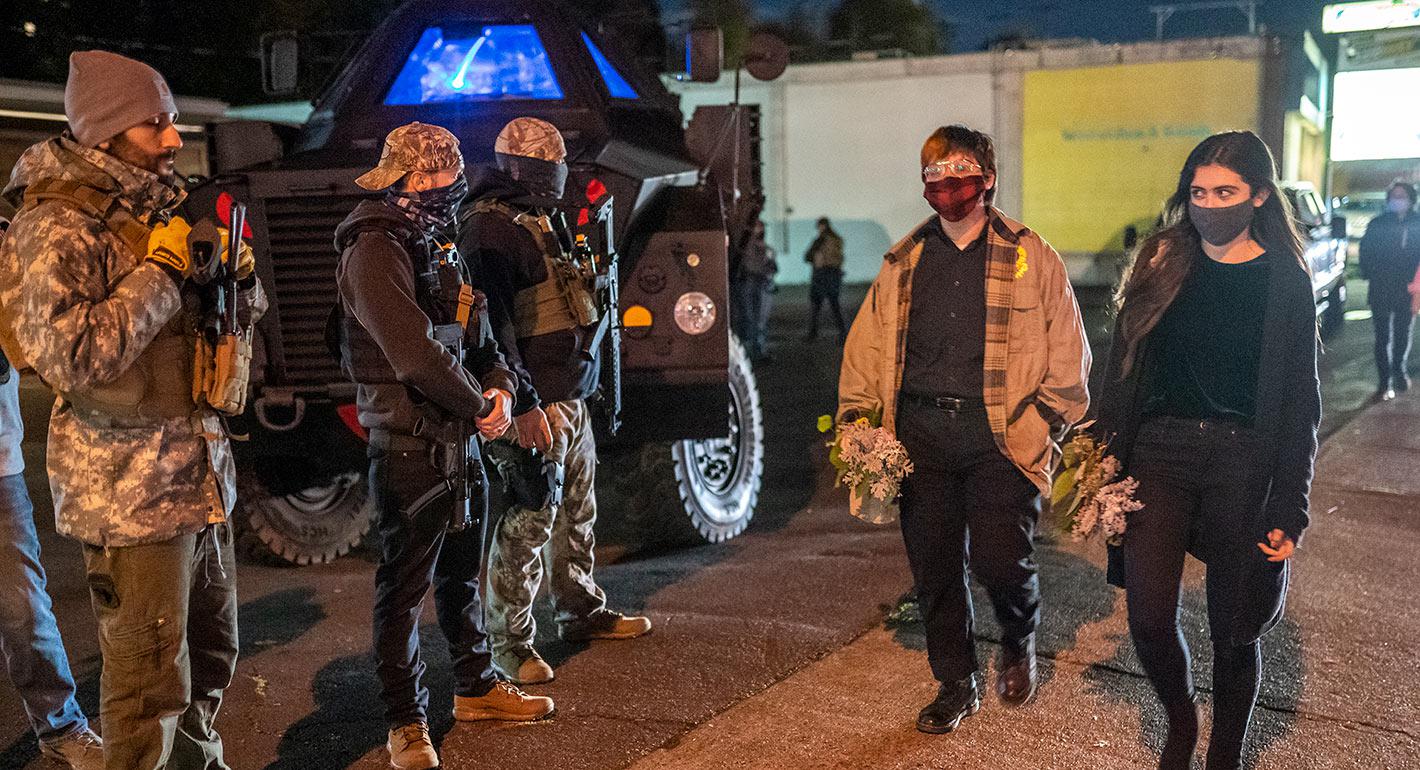
The Trump administration has reportedly pressured law enforcement agencies to downplay the threat posed by these organizations, allowing nonstate violence to creep back into the political mainstream to a degree not seen since the 1960s and 1970s.
Source: Foreign Affairs
Over the last four years, U.S. President Donald Trump has shown more sympathy for far-right groups, many of them armed, than any president in recent memory. At the same time, his administration has reportedly pressured law enforcement agencies to downplay the threat posed by these organizations, allowing nonstate violence to creep back into the political mainstream to a degree not seen since the 1960s and 1970s. Just last month, a group of antigovernment extremists was arrested for plotting to kidnap Michigan’s Democratic governor, Gretchen Whitmer, after she defied Trump’s demand to “LIBERATE MICHIGAN” from COVID-19 restrictions. More violence could erupt ahead of next week’s presidential election, as well as in its aftermath.

Nonresident Scholar, South Asia Program
Paul Staniland is a nonresident scholar in the South Asia Program at the Carnegie Endowment for International Peace.
Recent Work
Paul Staniland
Paul Staniland
Carnegie does not take institutional positions on public policy issues; the views represented herein are those of the author(s) and do not necessarily reflect the views of Carnegie, its staff, or its trustees.

The nuclear relationship between China and the United States is increasingly shaped by widening perception gaps rather than deliberate strategic design.

Tong Zhao

But their "principal to principal" model will only be as effective as the political strength of each leader back home.

Damien Ma

U.S. unpredictability has allowed China to capitalize on its positioning as the “responsible great power”. Paradoxically, the more China wins the perception game, the more likely expectations will rise for Beijing to deliver not just words but to demonstrate with its deeds.

Chong Ja Ian

For Malaysia, the conjunction that works is “and” not “or” when it comes to the United States and China.

Elina Noor
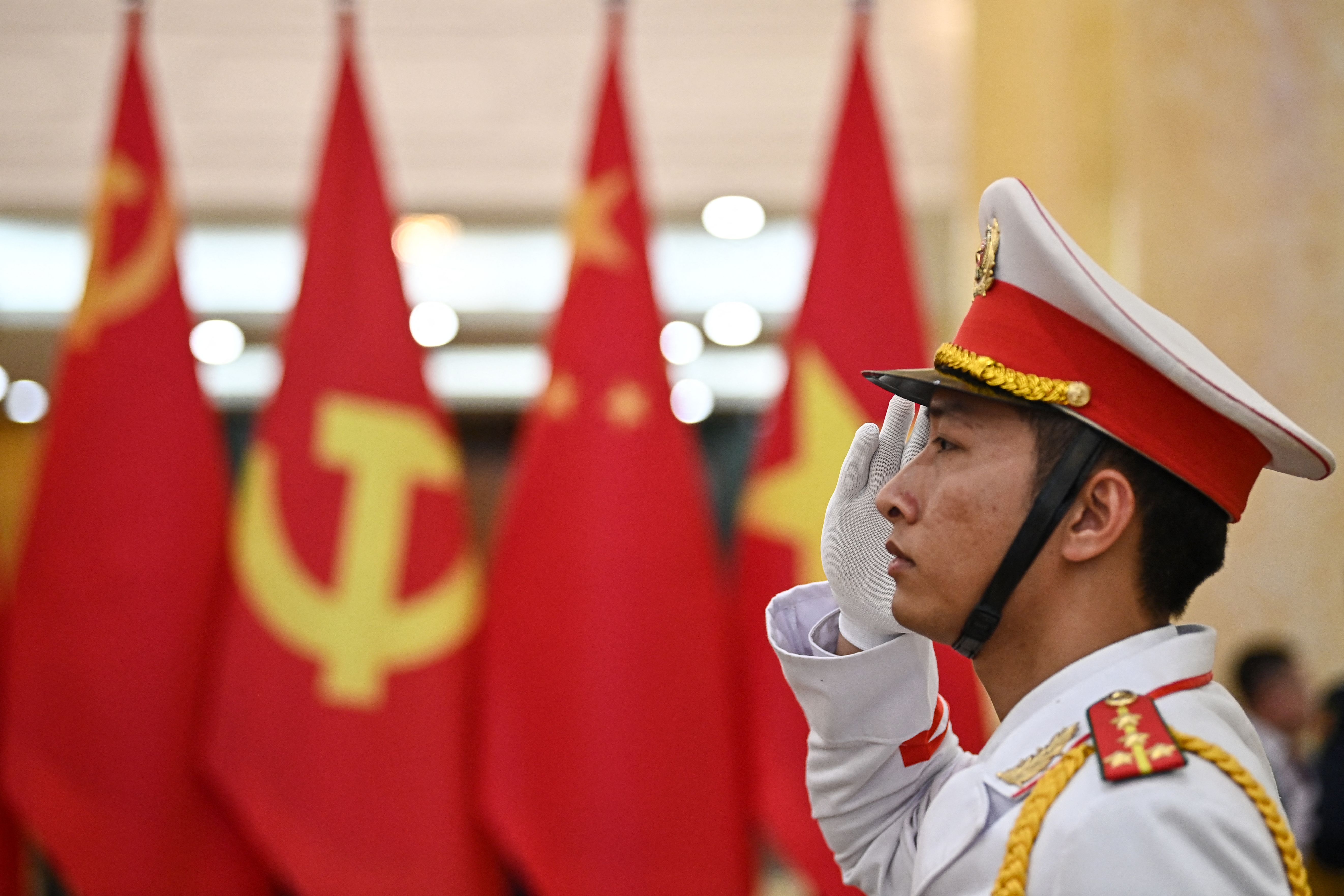
In July 2025, Vietnam and China held their first joint army drill, a modest but symbolic move reflecting Hanoi’s strategic hedging amid U.S.–China rivalry.

Nguyễn Khắc Giang