

Article
Beijing says that over 180 countries accept its “one China principle” regarding Taiwan, but the reality is more complicated.
Chong Ja Ian
{
  "authors": [
    "Erica Gaston"
  ],
  "type": "legacyinthemedia",
  "centerAffiliationAll": "dc",
  "centers": [
    "Carnegie Endowment for International Peace"
  ],
  "collections": [],
  "englishNewsletterAll": "democracy",
  "nonEnglishNewsletterAll": "",
  "primaryCenter": "Carnegie Endowment for International Peace",
  "programAffiliation": "DCG",
  "programs": [
    "Democracy, Conflict, and Governance"
  ],
  "projects": [],
  "regions": [
    "South Asia",
    "Afghanistan"
  ],
  "topics": [
    "Democracy"
  ]
}
REQUIRED IMAGE
This winter, however, an even worse catastrophe could unfold: Afghanistan’s economy is in ruins, and millions of Afghans are suffering from a lack of food and other basic needs, even as parts of the country remain wracked by violence.

Former Nonresident Scholar, Democracy, Conflict, and Governance Program
Dr. Erica L. Gaston was a nonresident scholar at the Carnegie Endowment for International Peace.
Carnegie does not take institutional positions on public policy issues; the views represented herein are those of the author(s) and do not necessarily reflect the views of Carnegie, its staff, or its trustees.
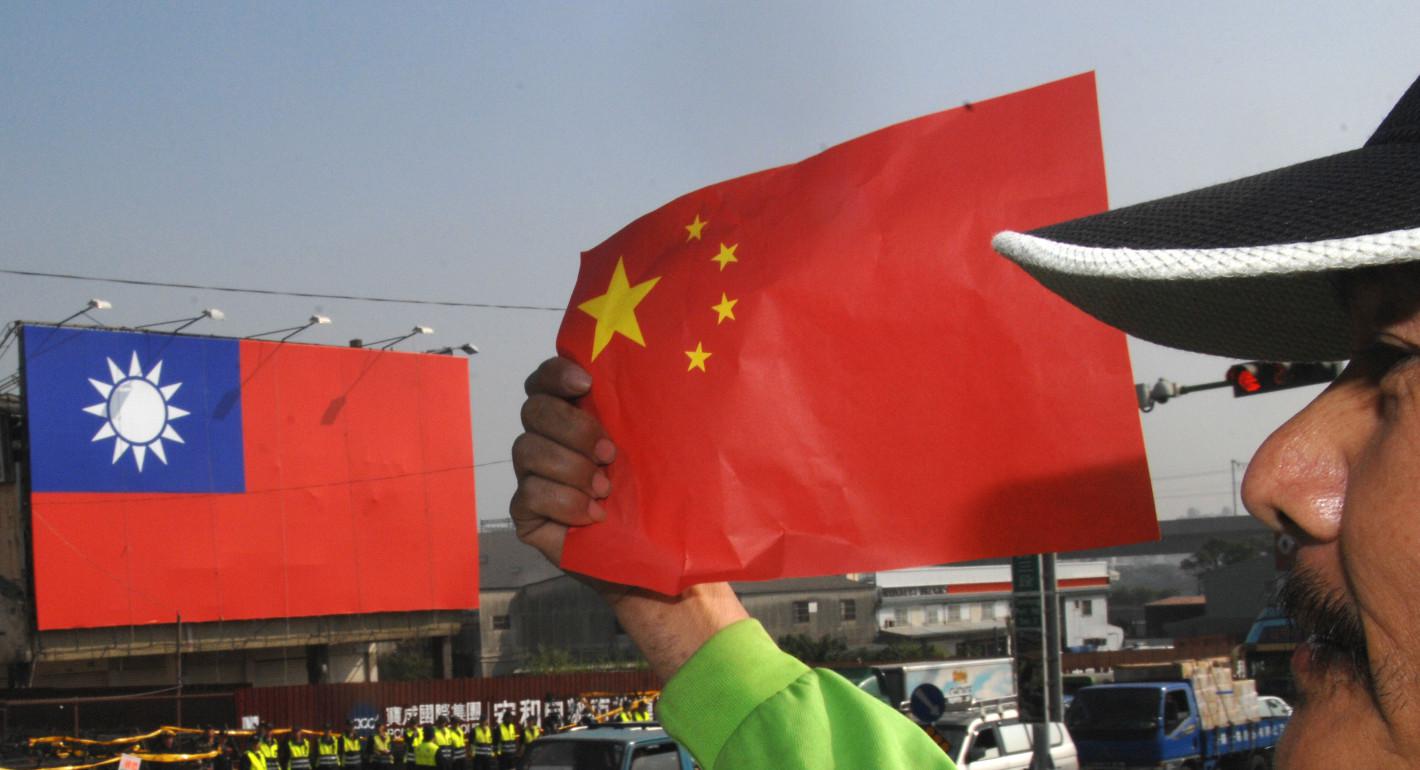
Beijing says that over 180 countries accept its “one China principle” regarding Taiwan, but the reality is more complicated.

Chong Ja Ian
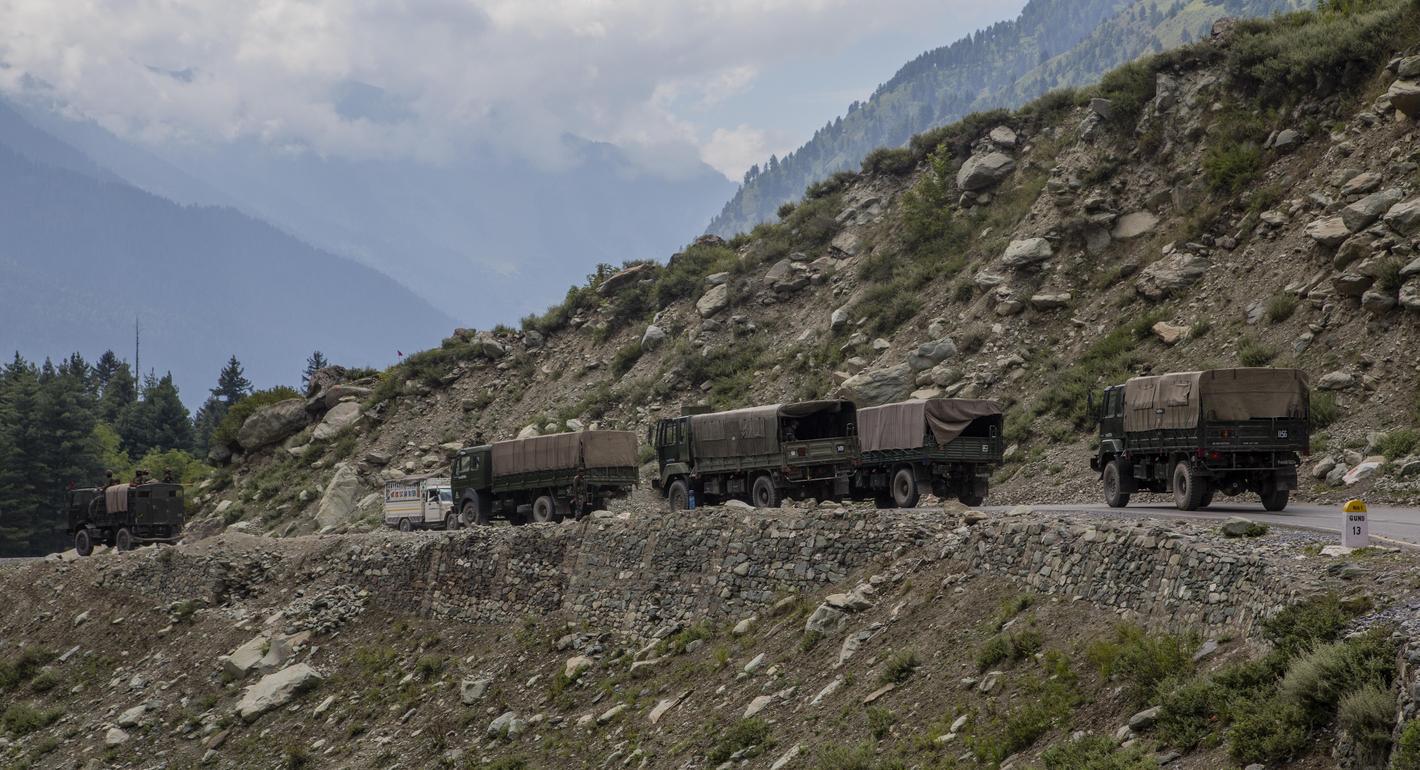
Can China and India disengage from contested territories along the border?

Paul Haenle, Ashley J. Tellis, Han Hua, …
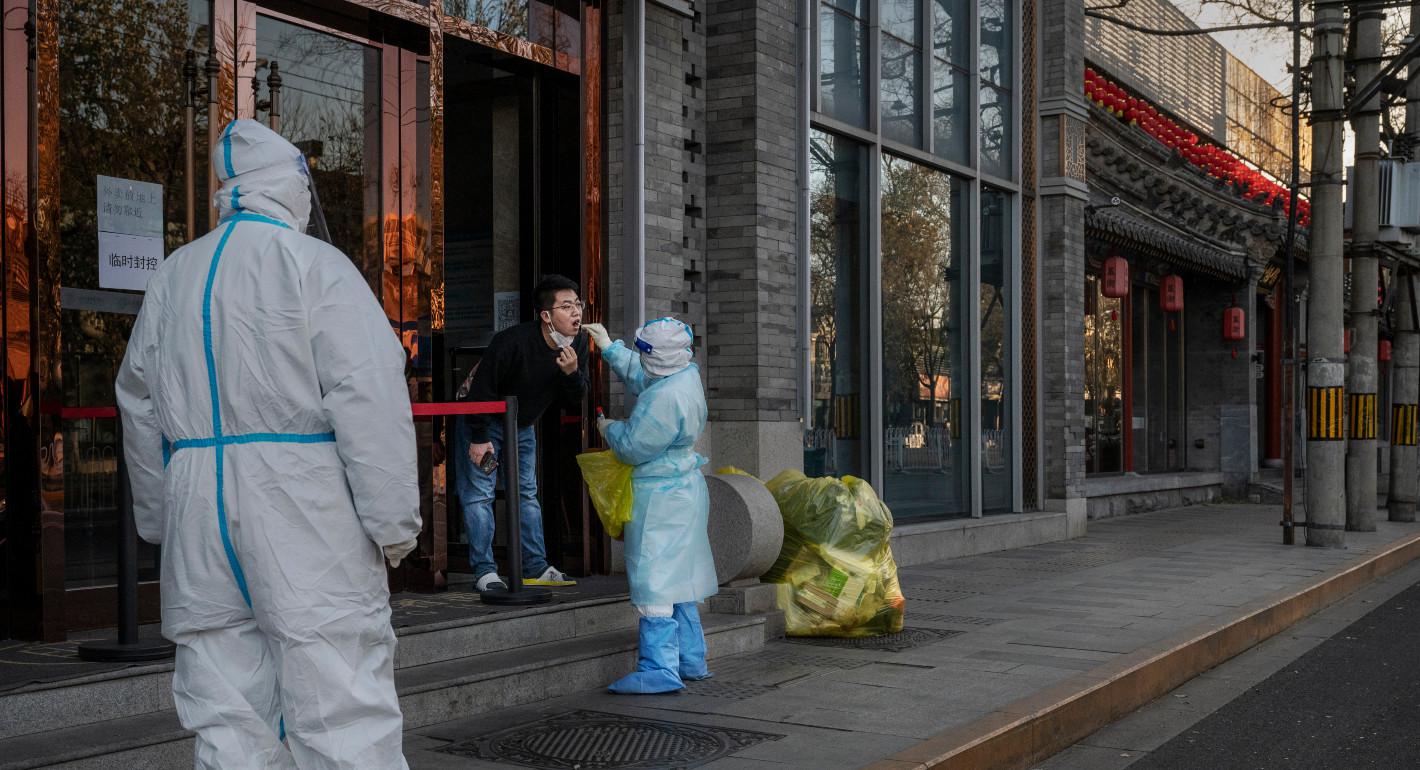
Beijing must choose between preserving its pandemic narrative or facing more unrest.
Paul Haenle
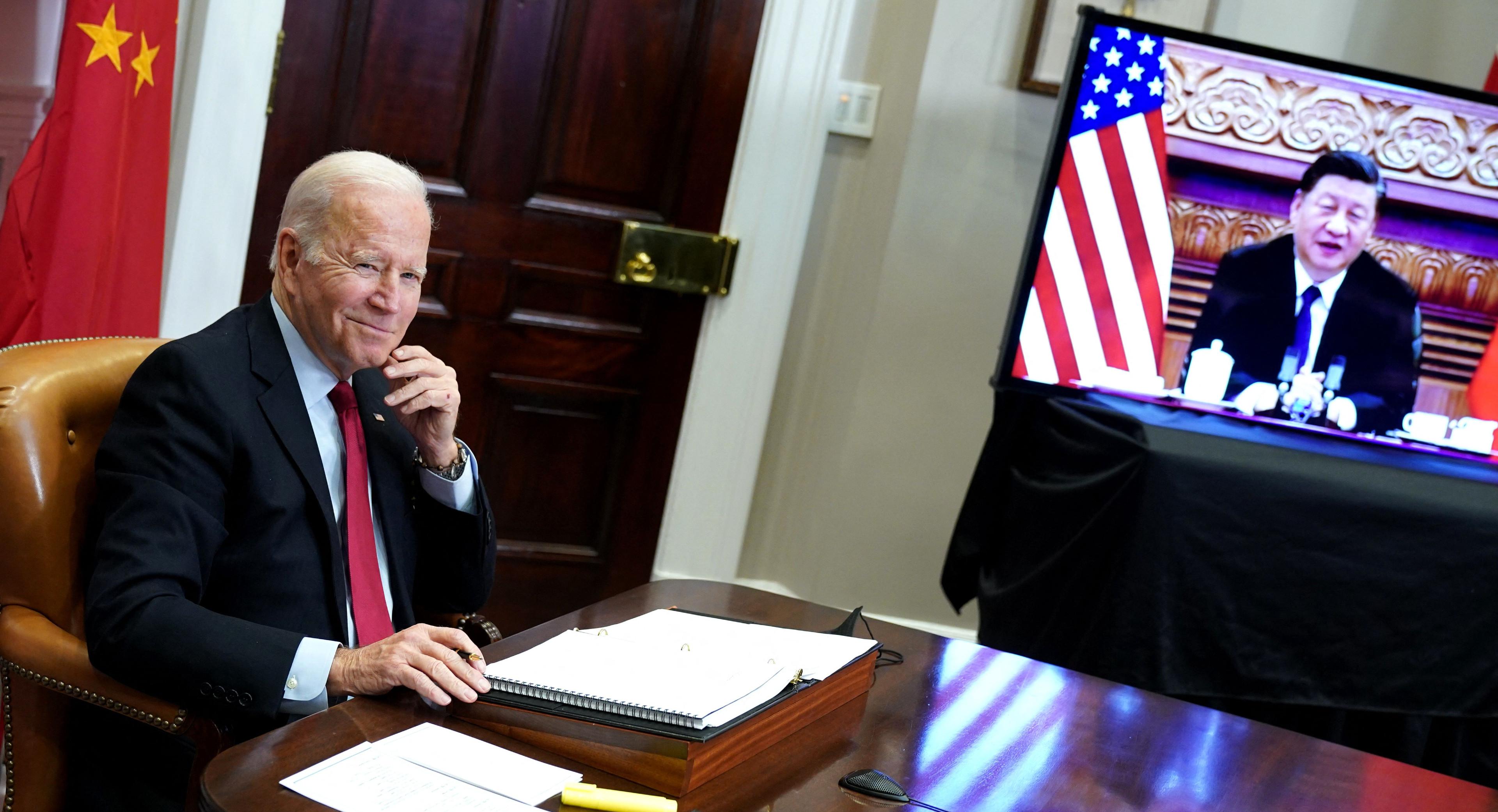
Three months after the Biden-Xi summit, the two sides’ divergent framings of the bilateral relationship are hindering progress.
Paul Haenle, Sam Bresnick

The government extends the uncertainty with its two new taxes and digital rupee.


Anirudh Burman, Priyadarshini D.