

Paper
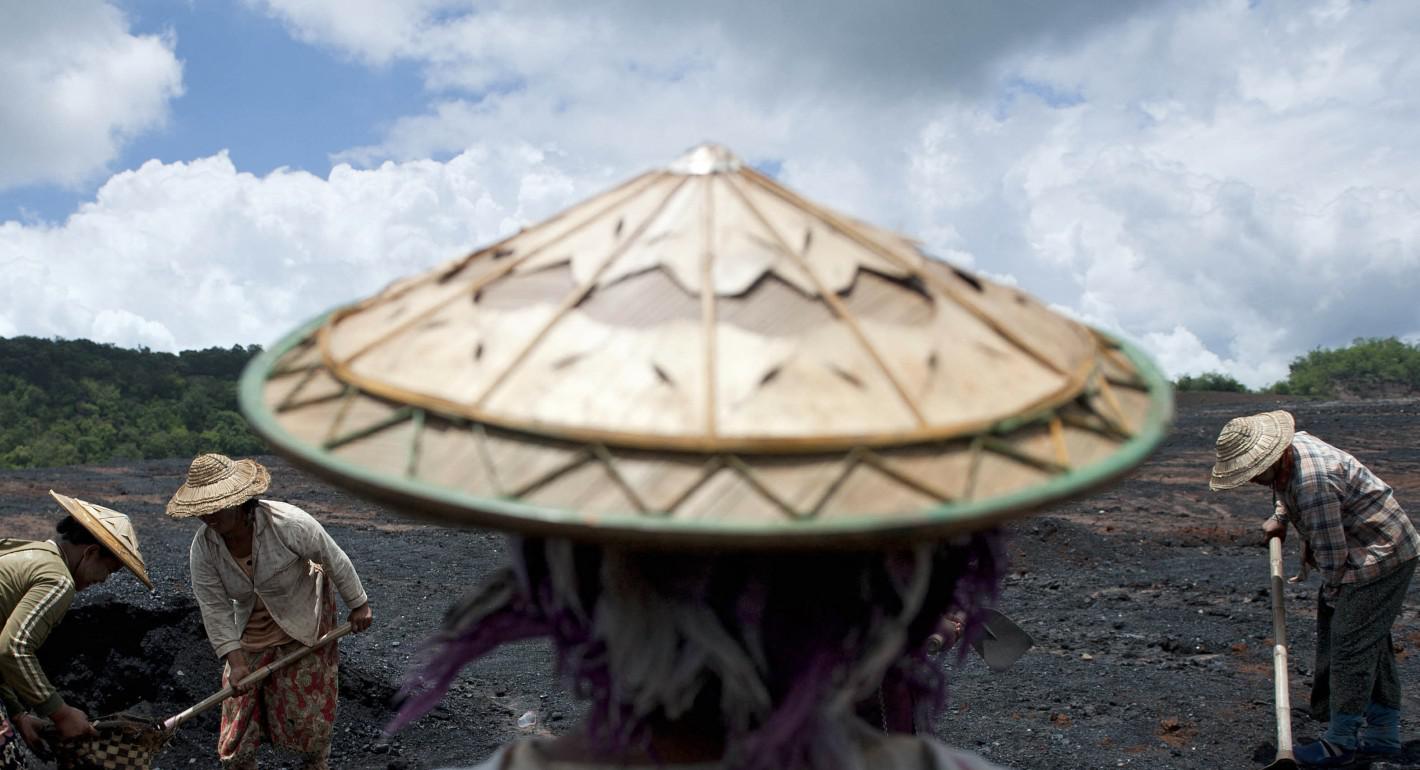
Chinese economic players in Myanmar initially relied on ties to the government and ruling elites. Faced with controversy, they turned to actors that local communities trust and listen to as de facto partners and informal advisers.
Xue Gong
{
  "authors": [
    "Francis Fukuyama"
  ],
  "type": "legacyinthemedia",
  "centerAffiliationAll": "dc",
  "centers": [
    "Carnegie Endowment for International Peace"
  ],
  "collections": [],
  "englishNewsletterAll": "democracy",
  "nonEnglishNewsletterAll": "",
  "primaryCenter": "Carnegie Endowment for International Peace",
  "programAffiliation": "DCG",
  "programs": [
    "Democracy, Conflict, and Governance"
  ],
  "projects": [],
  "regions": [],
  "topics": [
    "Climate Change"
  ]
}
REQUIRED IMAGE
With regard to the first issue, some learning has taken place. There seems to be general recognition that punitive policies to reduce emissions don’t generally work. This is why cap-and-trade was implemented in Europe and in US states like California in preference to the economists’ favorite carbon tax solution.

Former Nonresident Scholar, Democracy, Conflict, and Governance Program
Francis Fukuyama was a nonresident scholar in Carnegie’s Democracy, Conflict, and Governance Program, where his research focuses on democratization and international political economy.
Carnegie does not take institutional positions on public policy issues; the views represented herein are those of the author(s) and do not necessarily reflect the views of Carnegie, its staff, or its trustees.
Chinese economic players in Myanmar initially relied on ties to the government and ruling elites. Faced with controversy, they turned to actors that local communities trust and listen to as de facto partners and informal advisers.

Xue Gong
China is on course to lead the world in the deployment of nuclear power technology by 2030. Should it succeed, China will assume global leadership in nuclear technology development, industrial capacity, and nuclear energy governance.

Mark Hibbs

The days of simply sticking a pipe in the ground and tapping a pool of easy-to-handle and profitable crude oil are fading. Changing resources require people challenge conventional thinking on oil.

Deborah Gordon

China will be incentivized to adopt a growing leadership role in international trade and climate change negotiations in 2017 if the United States pursues more inward-looking policies under Trump.

Matt Ferchen
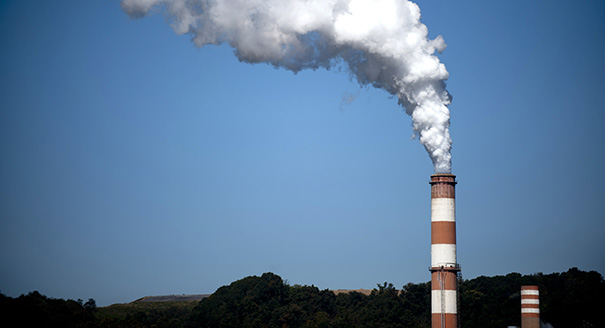
Even though the Clean Power Plan’s opponents will present the battle against climate change as one we cannot afford to fight, in reality it is one we cannot afford to lose.

William J. Burns