

Article
Beijing says that over 180 countries accept its “one China principle” regarding Taiwan, but the reality is more complicated.
Chong Ja Ian
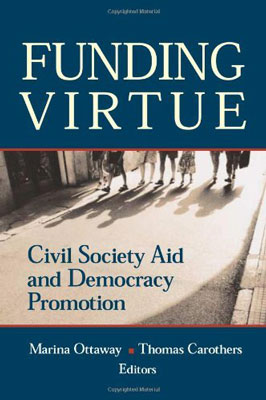
A diverse, distinguished group of democracy experts and civil society practitioners from both donor and recipient countries analyze civil society aid in five regions, including country case studies of South Africa, the Philippines, Peru, Egypt, and Romania.
Source: Washington

Funding Virtue: Civil Society Aid and Democracy Promotion critically examines this burgeoning field. A diverse, distinguished collection of democracy experts and civil society practitioners from both donor and recipient countries analyze civil society aid in five regions, including country case studies of South Africa, the Philippines, Peru, Egypt, and Romania. The authors focus on crucial issues and dilemmas, such as the relationship between donor conceptions of civil society and local realities, the effects of civil society programs, and how aid can be improved. The book's broad geographic reach, practical focus, and analytic rigor make it an invaluable guide to this vital new area of international affairs.
Contributors: Mustapha Kamel Al-Sayyid, Cairo University, Egypt; Carlos Basombrio, Instituto de Defensa Legal, Peru; Imco Brouwer, European University Institute; Thomas Carothers, Carnegie Endowment; Stephen Golub, Open Society Institute; Chris Landsberg, Centre for Policy Studies, South Africa; Marina Ottaway, Carnegie Endowment; Dan Petrescu, World Bank, Romania; Kevin Quigley, Global Alliance, International Youth Foundation; Mary Racelis, University of the Philippines; Michael Shifter, Inter-American Dialogue.
About the Editors
Marina Ottoway, co-editor, is a senior associate at the Carnegie Endowment for International Peace. A leading scholar of African politics, she has written extensively on political change and international aid in developing countries, including her book Africa's New Leaders: Democracy or State Reconstruction? (Carnegie Endowment, 1999).
Thomas Carothers, co-editor, is vice president for studies and director of the Democracy and Rule of Law Project at the Carnegie Endowment for International Peace. A leading specialist in democracy promotion, he has published numerous books on democracy aid, including Aiding Democracy Abroad: The Learning Curve (Carnegie Endowment, 1999).
"...well-written, very insightful, and filled with good information. An indispensable contribution for scholars and activists. Graduate and research collections."
—CHOICE

Harvey V. Fineberg Chair for Democracy Studies; Senior Fellow, Democracy, Conflict, and Governance Program
Thomas Carothers, a senior fellow in the Carnegie Endowment for International Peace’s Democracy, Conflict, and Governance Program, is a leading expert on comparative democratization and international support for democracy.
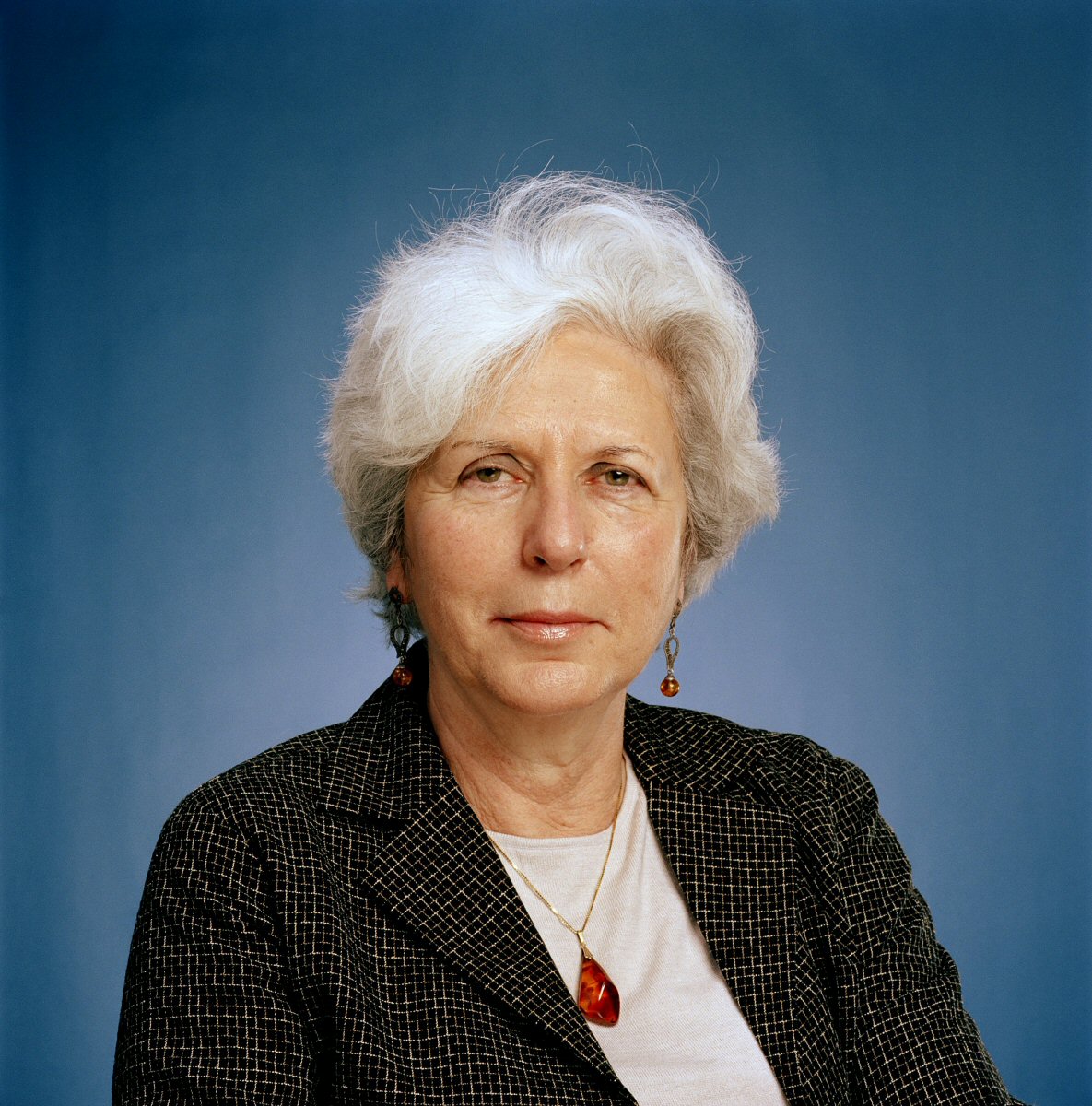
Former Senior Associate, Middle East Program
Before joining the Endowment, Ottaway carried out research in Africa and in the Middle East for many years and taught at the University of Addis Ababa, the University of Zambia, the American University in Cairo, and the University of the Witwatersrand in South Africa.
Carnegie does not take institutional positions on public policy issues; the views represented herein are those of the author(s) and do not necessarily reflect the views of Carnegie, its staff, or its trustees.
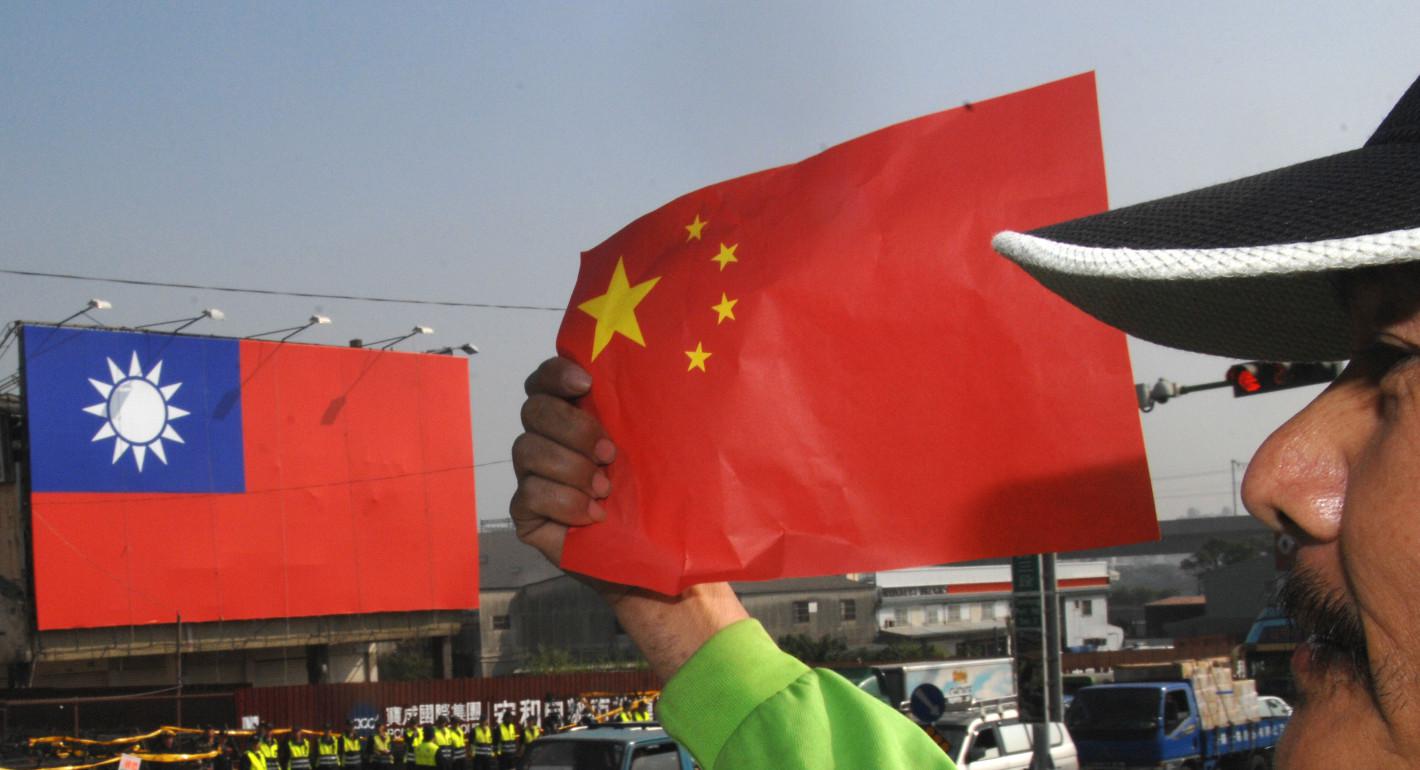
Beijing says that over 180 countries accept its “one China principle” regarding Taiwan, but the reality is more complicated.

Chong Ja Ian

Beijing must choose between preserving its pandemic narrative or facing more unrest.

Paul Haenle
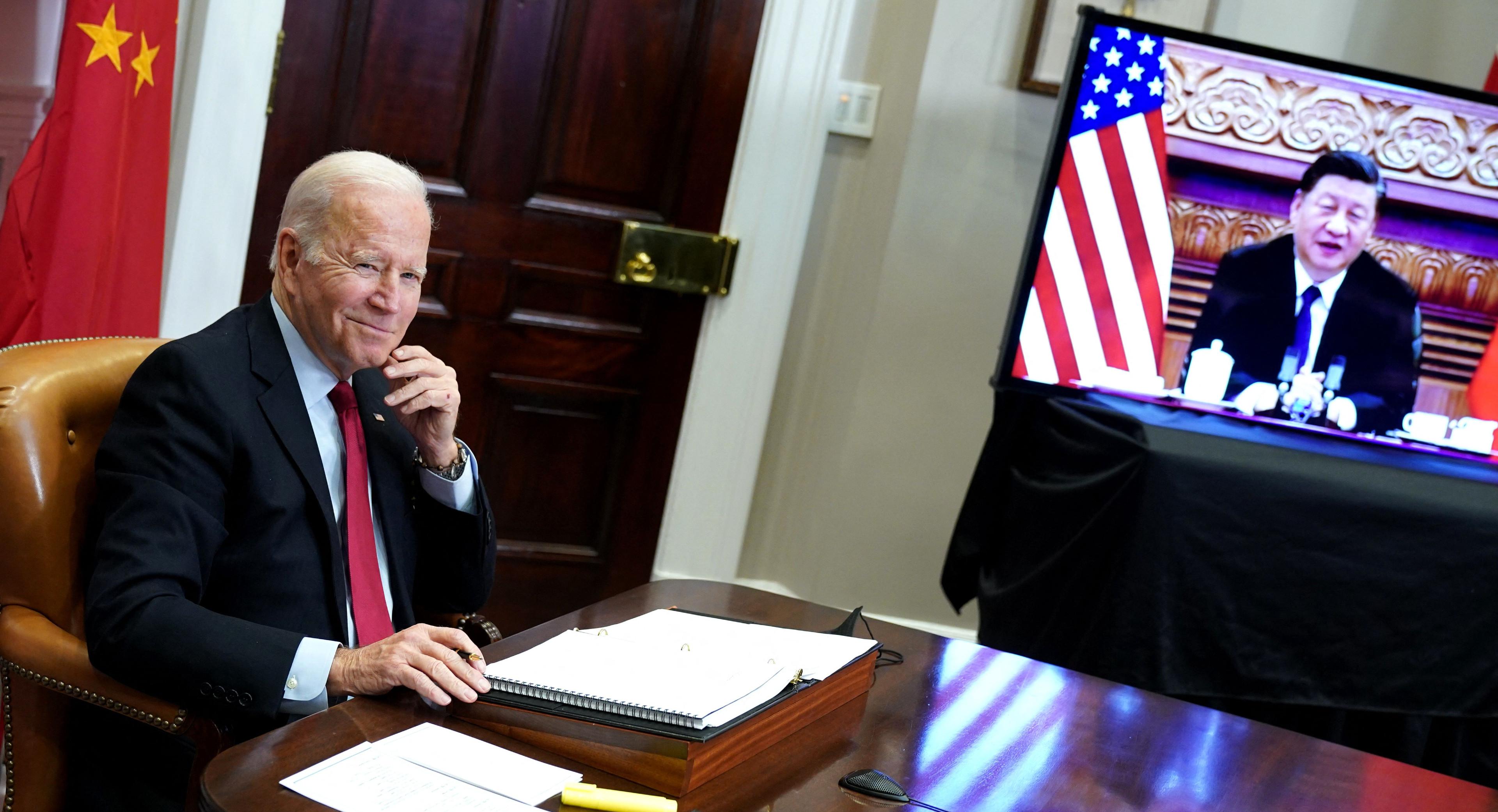
Three months after the Biden-Xi summit, the two sides’ divergent framings of the bilateral relationship are hindering progress.
Paul Haenle, Sam Bresnick

The murder of George Floyd has underscored the deep inequities that have long plagued American society. In a note to the Carnegie community, Bill Burns reflects on Carnegie’s commitment to build a more just future here at home and around the world, without which peace will remain beyond our grasp.

William J. Burns

Biological viruses and computer malware differ in important respects. They have considerable potential to spread widely, invading, disrupting and destroying their targets.

Ariel (Eli) Levite, Lyu Jinghua