

Commentary
Can China and India disengage from contested territories along the border?
- +1
Paul Haenle, Ashley J. Tellis, Han Hua, …

REQUIRED IMAGE
The waiving of U.S. sanctions and the promise of economic assistance cannot have come too soon for Pakistan. The country has a teetering economy with an external debt of $32 billion, with 60% of the government's revenue going towards servicing the country's total debt. Prior to September 22nd and October 17th waivers, U.S. assistance to Pakistan was limited to mainly refugee and counter-narcotics assistance as well as an education program. We offer a brief summary of the primary sanctions that have been lifted.
The waiving of U.S. sanctions and the promise of economic assistance cannot have come too soon for Pakistan. The country has a teetering economy with an external debt of $32 billion, with 60% of the government's revenue going towards servicing the country's total debt. Prior to September 22nd and October 17th waivers, U.S. assistance to Pakistan was limited mainly to refugee and counter-narcotics assistance as well as an education program. We offer a brief summary of the primary sanctions that have been lifted.
On September 22nd, Glenn, Symington and Pressler sanctions, all imposed due to Pakistan's nuclear weapons program, were waived for U.S. national security reasons. In addition on October 17, Congress voted to allow the President to waive the coup-related sanctions pursuant to Section 508 of the Foreign Assistance Act. The "democracy sanctions," imposed on Pakistan when Mussharef took over in a military coup in October 1999, restrict expenditure of bilateral funds and financing to countries that overthrow democratic governments.
The Symington Amendment (to the aforementioned Foreign Assistance Act) prohibits delivering or receiving economic assistance and military aid unless the President certifies that Pakistan has not obtained any nuclear-enriched material. The Glenn Amendment requires the termination of U.S. government economic assistance and military transfers due to Pakistan's testing of a nuclear device in 1998 (this applies to India as well). It also prohibits U.S. support for non-Basic Human Needs lending at the International Financial Institutes. The Pressler Amendment calls for sanctions on government to government military sales and new economic assistance unless the President certifies that Pakistan does not possess a nuclear device.
The Symington Amendment was first activated against Pakistan in 1979 because of Pakistan's importation of equipment for the Kahuta uranium-enrichment facility, a facility which is not subject to IAEA safeguards. However, the Soviet invasion of Afghansitan in 1979 led to a shift in U.S. proliferation policies towards Pakistan, and in 1981 Congress waived the Symington Amendment, citing national security concerns.
Until 1990, the United States provided military aid to Pakistan to modernize its conventional defensive capability. During this period the U.S. allocated about 40% of its assistance package to non-reimbursable credits for military purchases, the third largest program behind Israel and Egypt. The remainder of the aid program was devoted to economic assistance.
Soon after the Soviets left Afghanistan in 1989, in 1990 the Bush I Administration declined to make the certification that Pakistan does "not possess a nuclear explosive device and that the proposed U.S. assistance program will significantly reduce the risk that Pakistan will possess a nuclear explosive device." As a result the Pressler Amendment went into effect against Pakistan, ending all government to government military sales to Pakistan.
This Amendment prohibited the sale of 28 F-16s, for which Pakistan had placed an order at the time. The country had already made a partial payment, but the F-16s deal was frozen. In 1998 the Clinton Administration paid Pakistan in cash and food credits to partly off-set the payments made for the F-16. Currently, according to a report in Defense News, the Pentagon is conducting an audit to determine what the U.S. owes Pakistan on the F-16 deal.
The non-delivery of the F-16s is still a sore spot with Islamabad, which hopes that they will be delivered in the new environment. The country's true priority, however, lies in economic assistance. The government would like to show a restive populace that the decision to fight terrorism alongside the United States will deliver real benefits for the people of Pakistan.
Carnegie does not take institutional positions on public policy issues; the views represented herein are those of the author(s) and do not necessarily reflect the views of Carnegie, its staff, or its trustees.
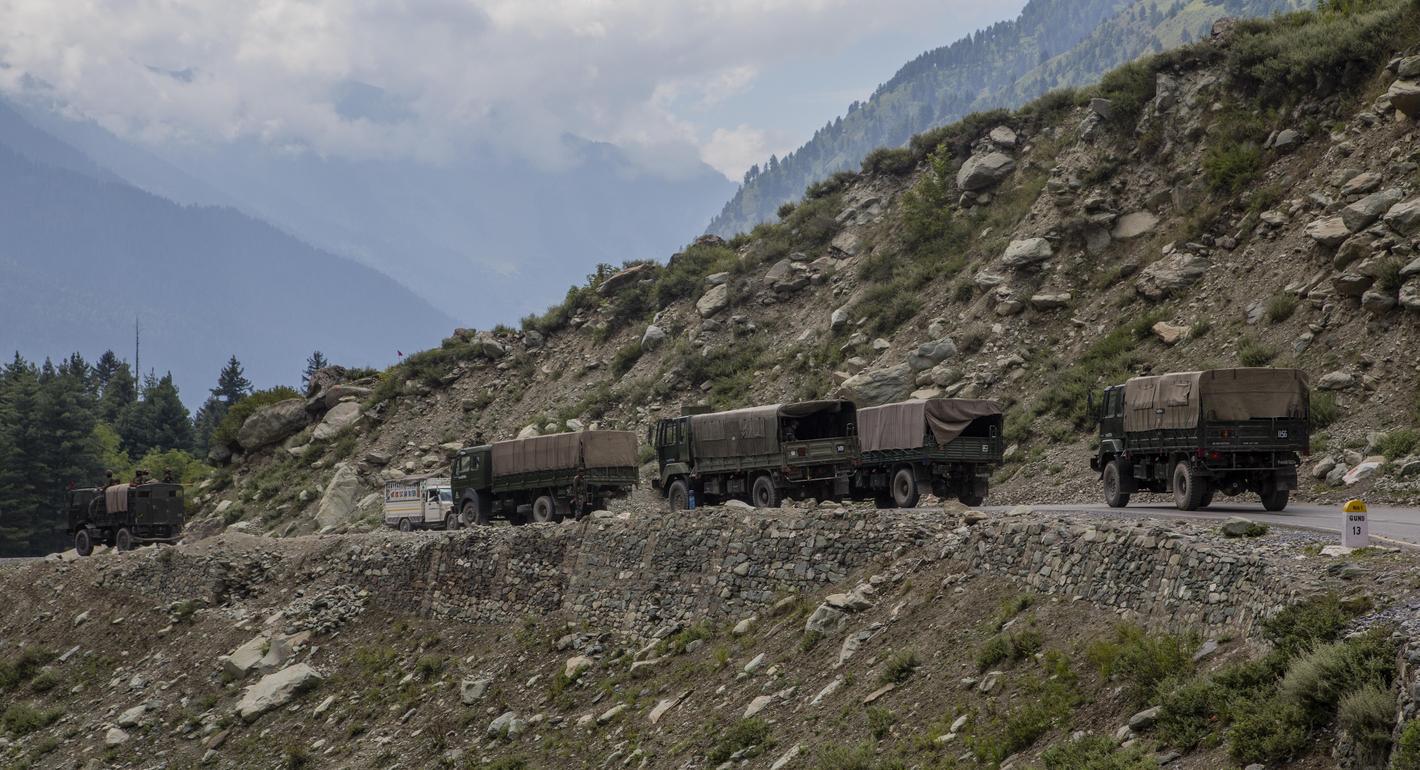
Can China and India disengage from contested territories along the border?

Paul Haenle, Ashley J. Tellis, Han Hua, …
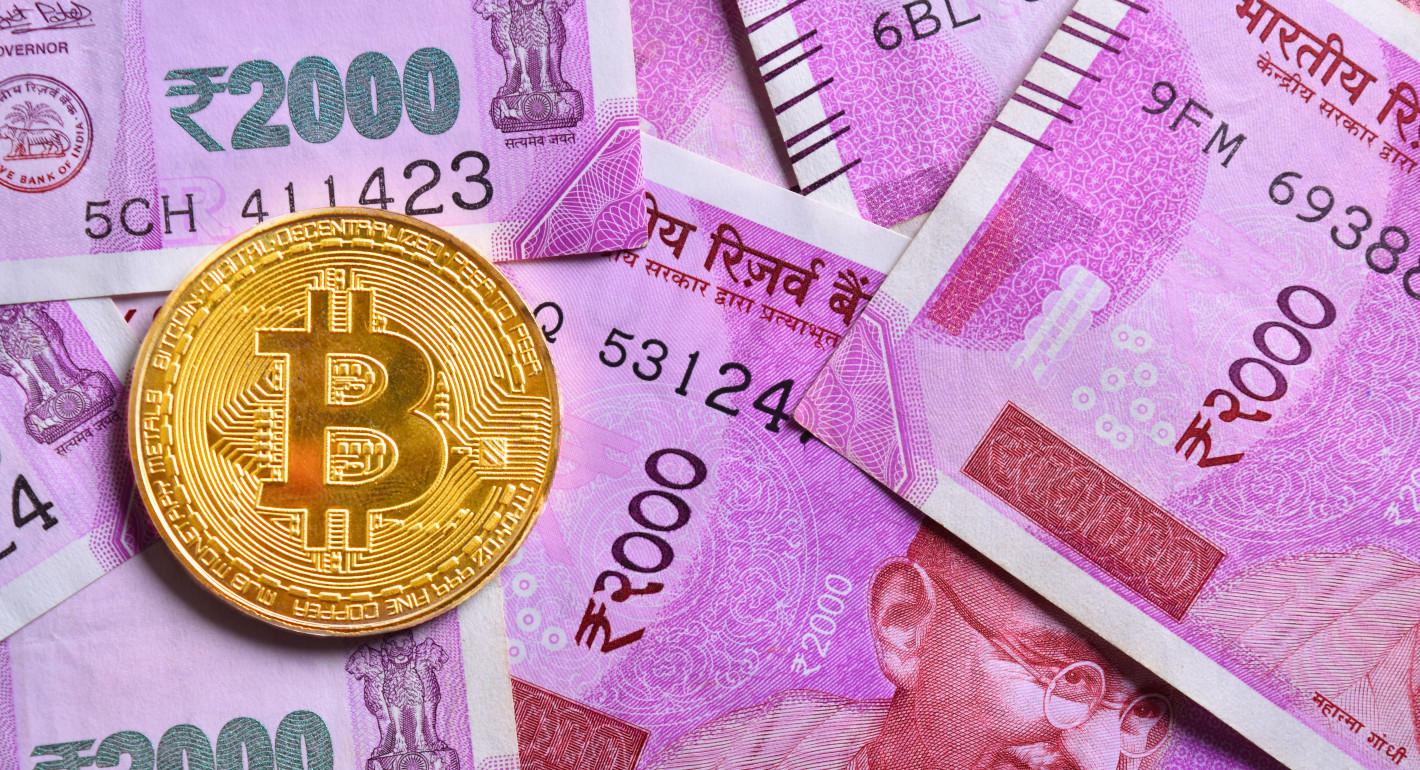
The government extends the uncertainty with its two new taxes and digital rupee.


Anirudh Burman, Priyadarshini D.
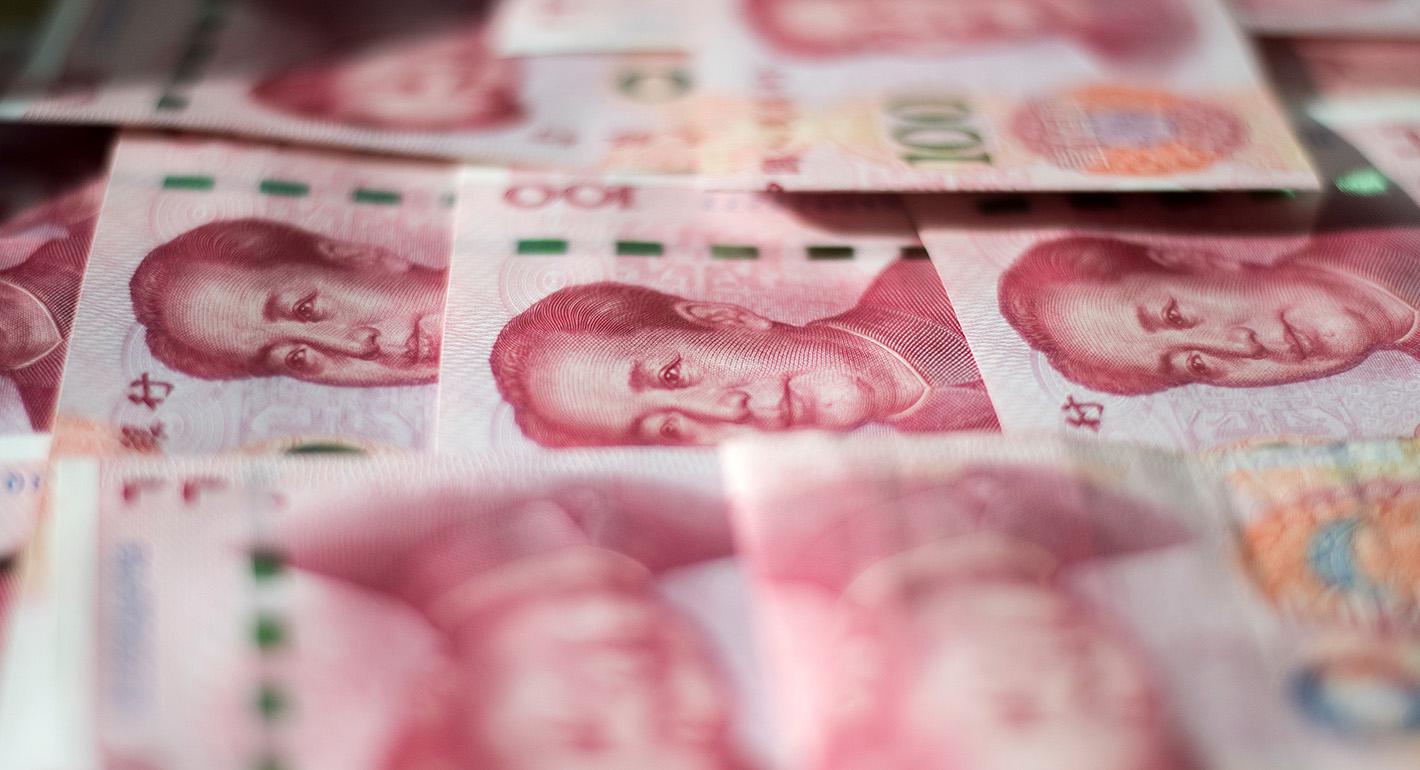
China and Pakistan should strive to build a RMB closed-chain cycle based on capital exports and trade returns.

Lu Yang
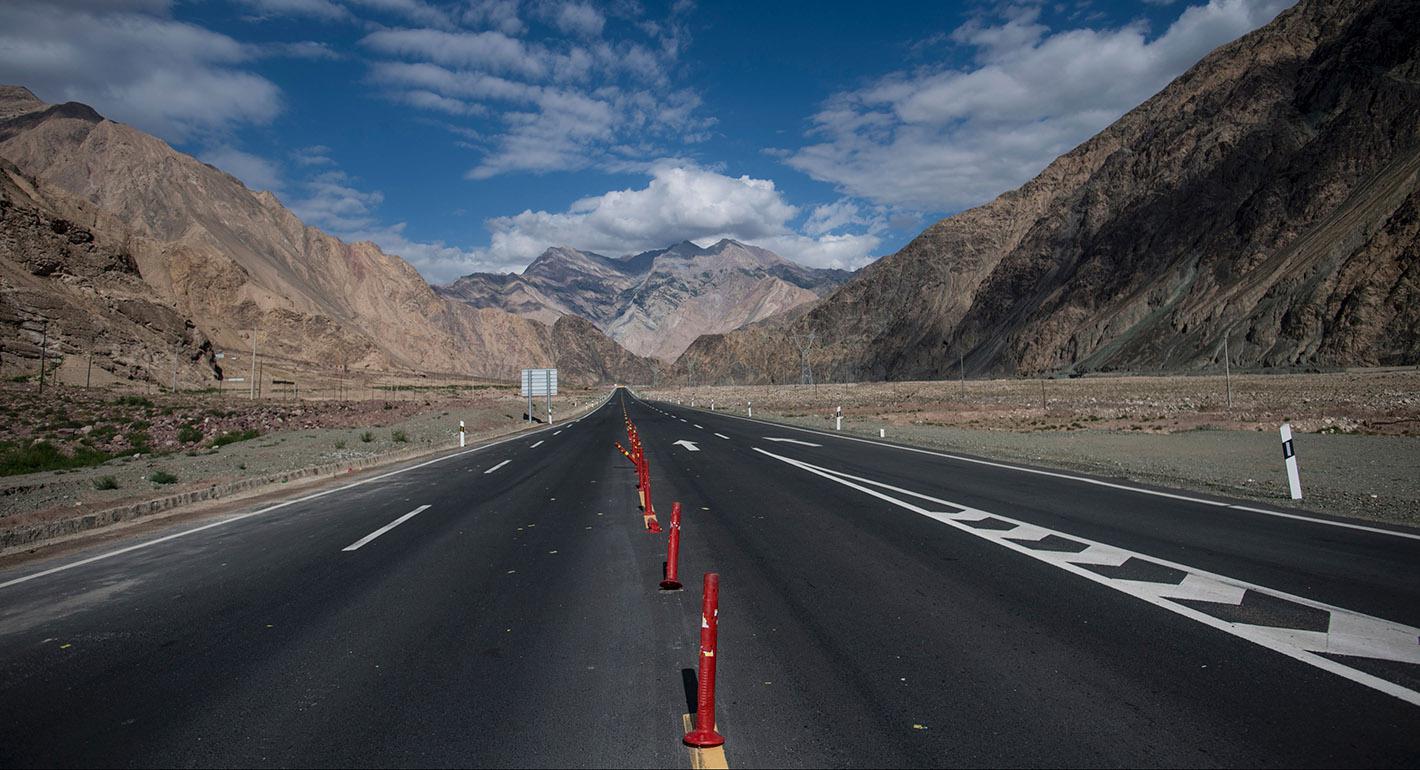
The Trump administration holds a decidedly critical view of China’s infrastructure initiatives in Pakistan. Although there is much to criticize in the China-Pakistan Economic Corridor, the administration’s fixation on commercial and economic issues threatens to distract U.S. policymakers from deeper concerns.
Daniel Markey
India manages a delicate balancing act between the United States and China, but in several key areas, the three giants could advance shared interests.
Lu Yang