

Commentary
Can China and India disengage from contested territories along the border?
- +1
Paul Haenle, Ashley J. Tellis, Han Hua, …

REQUIRED IMAGE
Rhetoric and missile tests may be flying, but for many Indians nuclear war seems a remote prospect. At the height of tensions between India and Pakistan, people in the bustling city of Bangalore, India's answer to California's Silicon Valley, had decided that they were far more concerned about the dismal state of the IT economy than they were concerned about nuclear Armageddon. Fear of nuclear war in this South Indian city is conspicuous in its absence.
Rhetoric and missile tests may be flying, but for many Indians nuclear war seems a remote prospect. At the height of tensions between India and Pakistan, people in the bustling city of Bangalore, India's answer to California's Silicon Valley, had decided that they were far more concerned about the dismal state of the IT economy than they were concerned about nuclear Armageddon. Fear of nuclear war in this South Indian city is conspicuous in its absence.
I just returned from three weeks in Bangalore and even after the Decemeber 13 terrorist attack on India's Parliament, I found no sense of impending nuclear doom. In part, this is due to the city's geographical distance from the actual tension; in part it is because India- Pakistan bickering is par-for-the-course to South Asian ears; in part it is a consequence of thinking that New Delhi's decisions really have little impact on their lives, and in part it reflects a fatalism that characterizes the people.
The reality of a nuclear-armed South Asia has virtually no impact on the daily lives of people here. The 1998 nuclear tests were popular because of the sense of scientific and military accomplishment they provided. The nukes, however, have long lost their ability to enamour the people. And, in what some may view as dangerous naiveté, the bomb has yet to strike terror in the hearts of people who go on with their lives far removed from New Delhi's political and security wrangling over Kashmir. Thus, even with the military build-up along the Line of Control in Kashmir, even as India cut its staff at the Indian embassy in Islamabad, even in the midst of news reports (denied by Islamabad) that Pakistan had moved its missile force to the border, Banglorians continued their daily life largely unaffected and undaunted.
In public and private conversations people voiced vociferous political opinions, of course. They shared the whole country's sense of outrage at what had been attempted on December 13 - a terrorist strike at the heart of Indian democracy. The foiled attack on India's parliament did change some of this city's nonchalance towards Kashmir and "cross-border terrorism." There was some glib talk of "solving" the Kashmir problem once and for all, drawing inevitable comparisons to the American response to September 11. For the most part, however, the people here recognized the need for restraint. There was consternation that this government could find itself trapped in its own rhetoric, leading the country to war. Numerous editorials expressed this fear and called for restraint both in rhetoric and action.
Meanwhile, as Washington worried about the prospect of nuclear war, many in Bangalore worried about their high-tech job prospects, quite oblivious, it seems, that they were inhabitants of "the most dangerous place in the world."
Carnegie does not take institutional positions on public policy issues; the views represented herein are those of the author(s) and do not necessarily reflect the views of Carnegie, its staff, or its trustees.
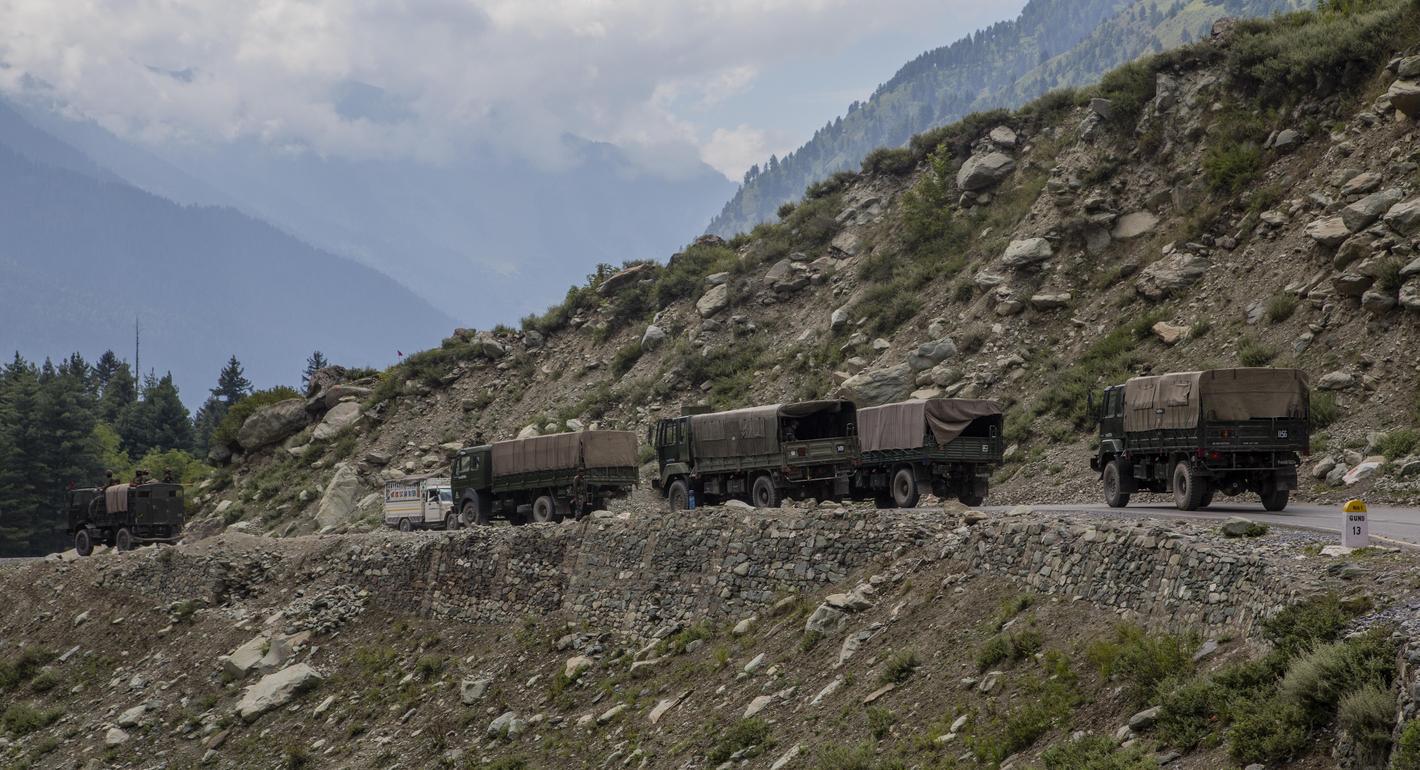
Can China and India disengage from contested territories along the border?

Paul Haenle, Ashley J. Tellis, Han Hua, …
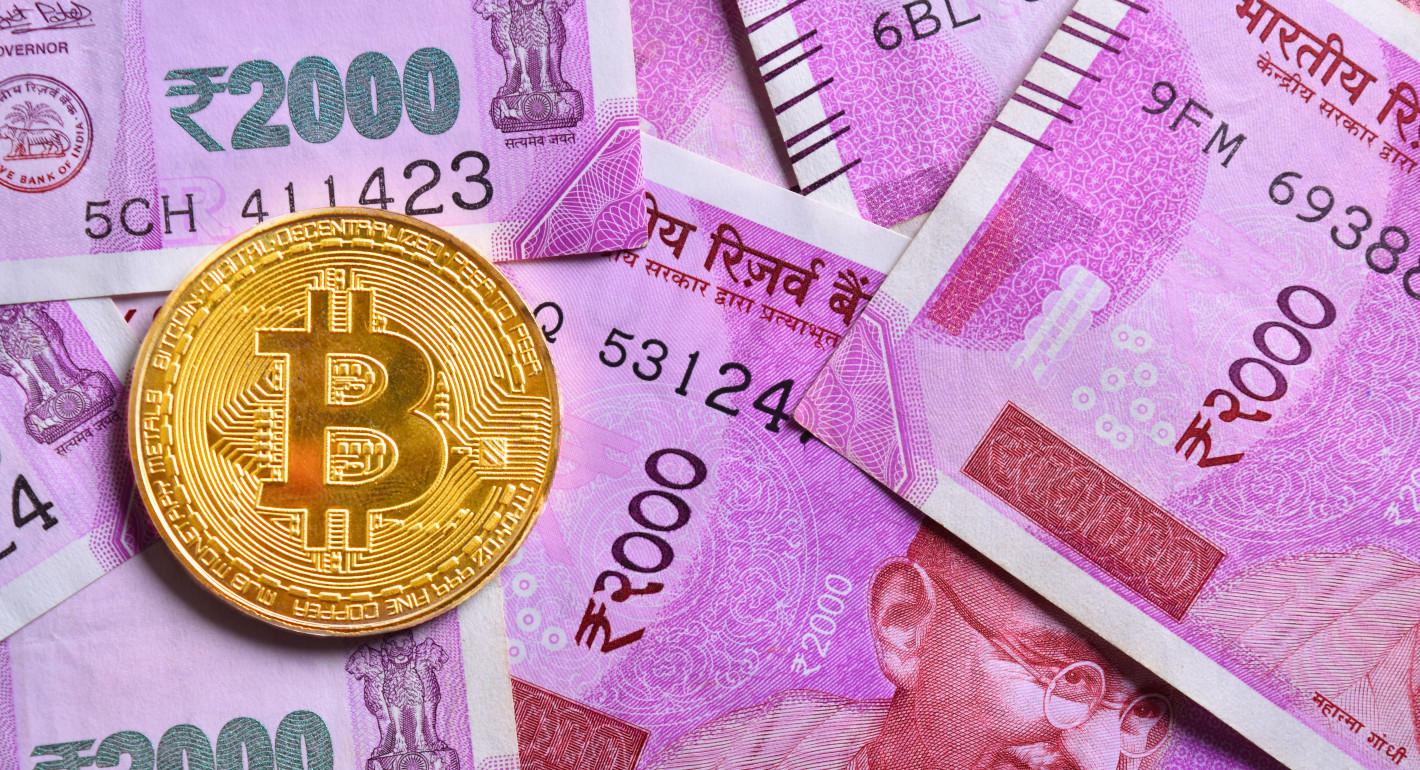
The government extends the uncertainty with its two new taxes and digital rupee.


Anirudh Burman, Priyadarshini D.
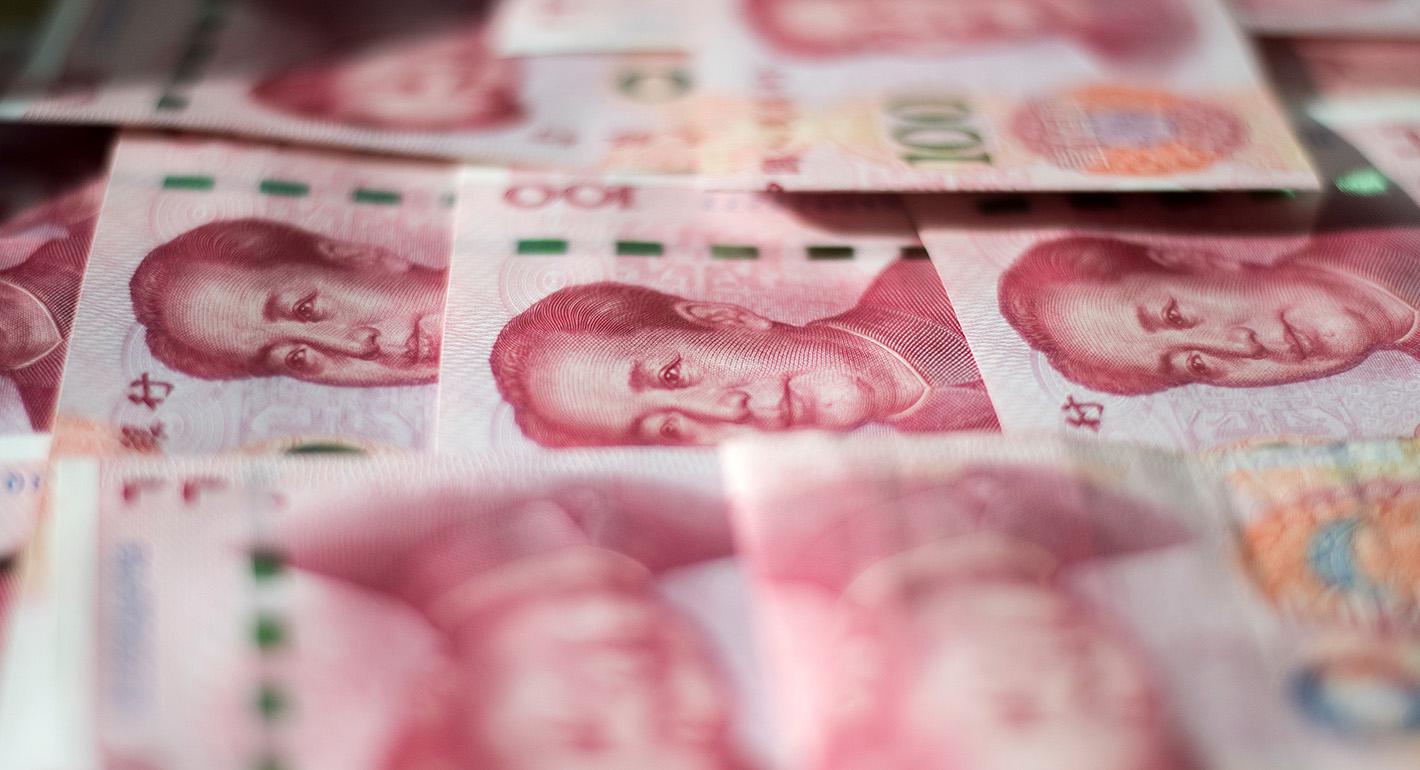
China and Pakistan should strive to build a RMB closed-chain cycle based on capital exports and trade returns.

Lu Yang
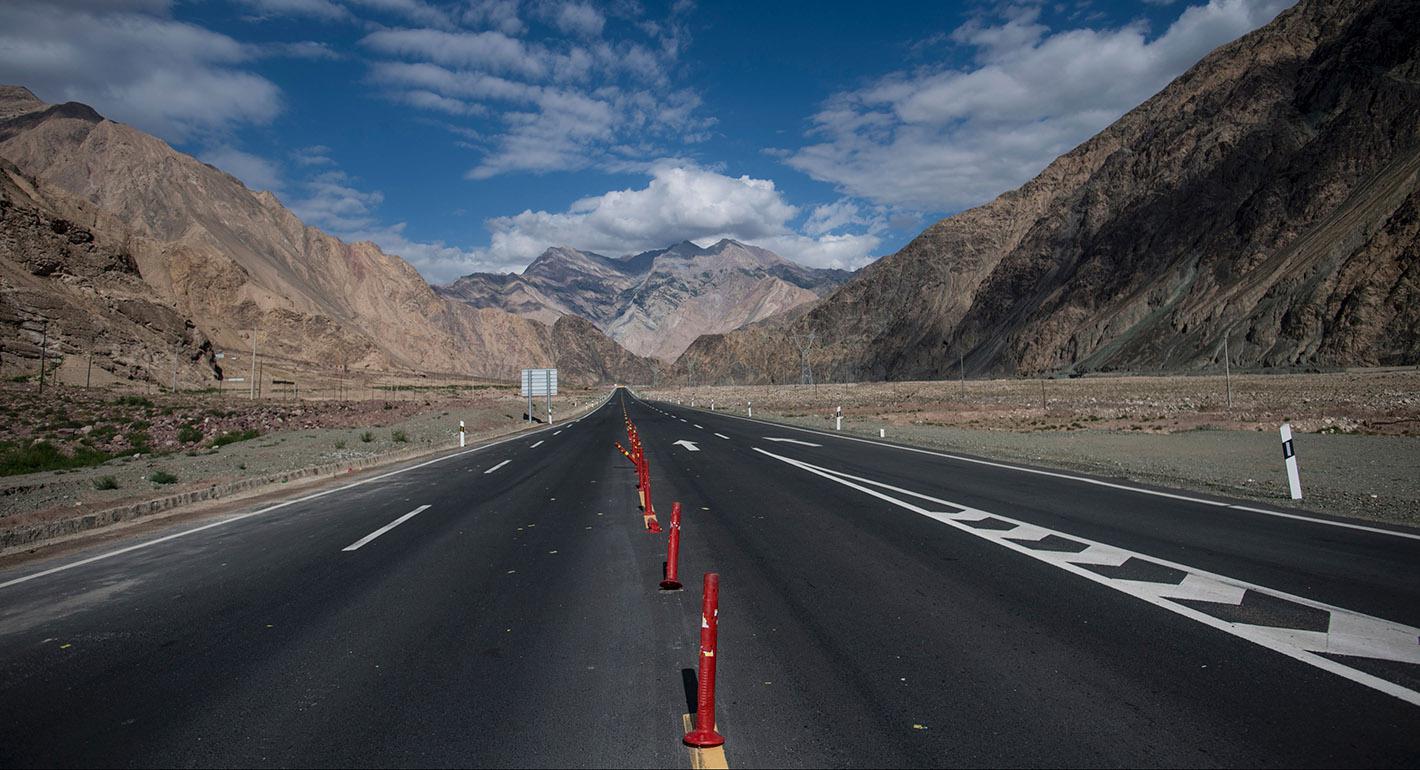
The Trump administration holds a decidedly critical view of China’s infrastructure initiatives in Pakistan. Although there is much to criticize in the China-Pakistan Economic Corridor, the administration’s fixation on commercial and economic issues threatens to distract U.S. policymakers from deeper concerns.
Daniel Markey
India manages a delicate balancing act between the United States and China, but in several key areas, the three giants could advance shared interests.
Lu Yang