

In The Media
John Judis
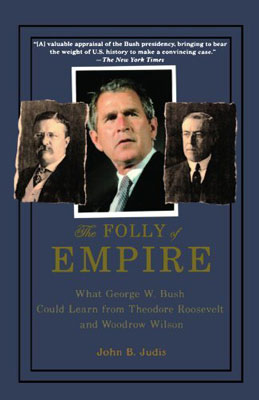
John Judis draws sharp contrasts between the Bush administration's policies, especially with regard to Iraq, and those of every administration from Franklin Roosevelt through Bill Clinton.
Source: Scribner

About the Author: John B. Judis is a visiting scholar at the Carmegie Endowment for International Peace and also senior editor at The New Republic. Judis's books include The Emerging Democratic Majority, The Paradox of American Democracy: Elites, Special Interests, and the Betrayal of Public Trust; William F. Buckley: Patron Saint of the Conservatives; and Grand Illusion: Critics and Champions of the American Century. His articles have appeared in The American Prospect, The New York Times Magazine, The Washington Post, Foreign Affairs, The Washington Monthly, American Enterprise, Mother Jones, and Dissent.

Former Visiting Scholar
As a visiting scholar at Carnegie, Judis wrote The Folly of Empire: What George W. Bush Could Learn from Theodore Roosevelt and Woodrow Wilson.
Recent Work
John Judis
John Judis
Carnegie does not take institutional positions on public policy issues; the views represented herein are those of the author(s) and do not necessarily reflect the views of Carnegie, its staff, or its trustees.

Beijing says that over 180 countries accept its “one China principle” regarding Taiwan, but the reality is more complicated.

Chong Ja Ian

Beijing must choose between preserving its pandemic narrative or facing more unrest.

Paul Haenle
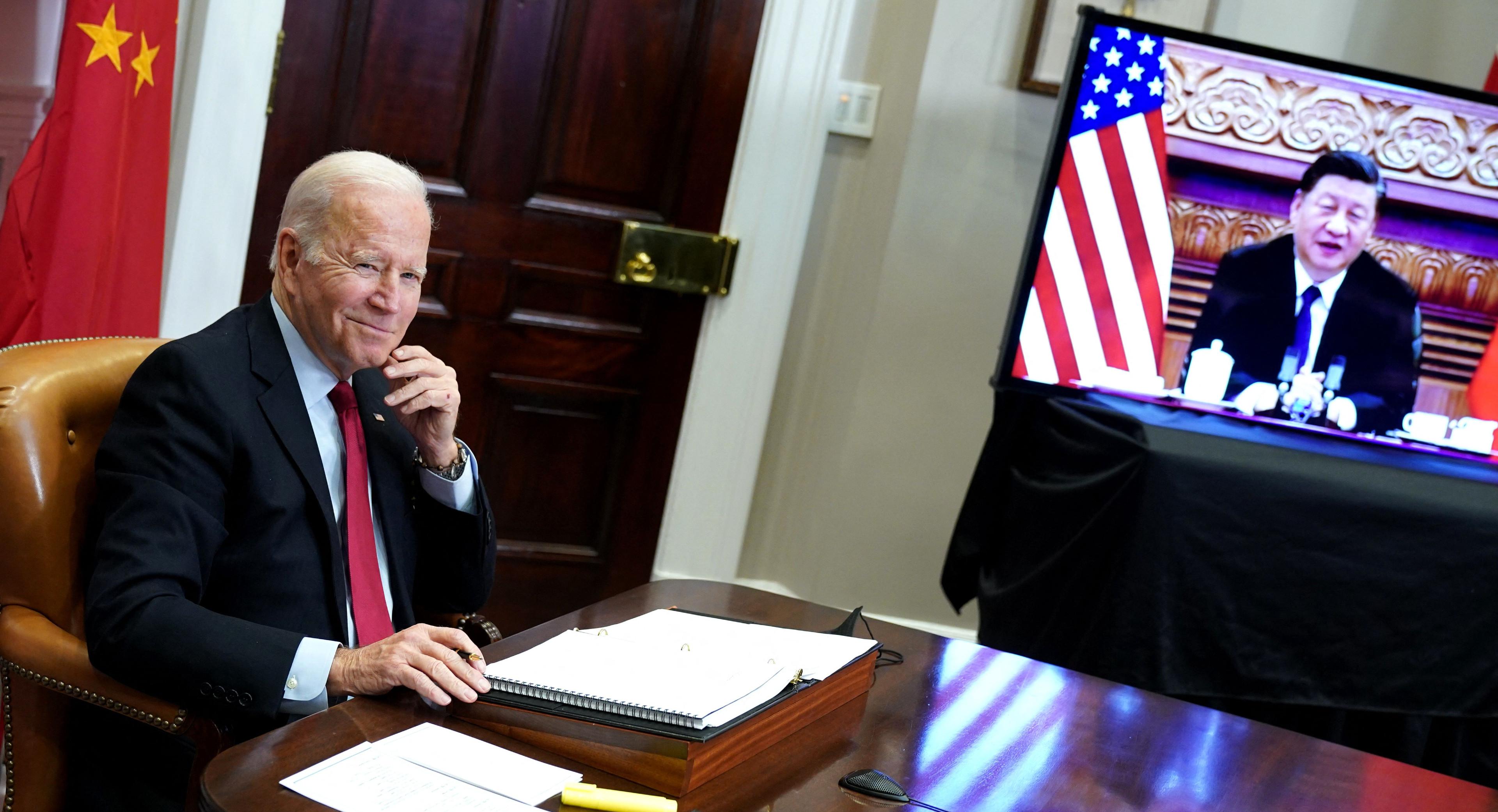
Three months after the Biden-Xi summit, the two sides’ divergent framings of the bilateral relationship are hindering progress.
Paul Haenle, Sam Bresnick

The murder of George Floyd has underscored the deep inequities that have long plagued American society. In a note to the Carnegie community, Bill Burns reflects on Carnegie’s commitment to build a more just future here at home and around the world, without which peace will remain beyond our grasp.

William J. Burns

Biological viruses and computer malware differ in important respects. They have considerable potential to spread widely, invading, disrupting and destroying their targets.

Ariel (Eli) Levite, Lyu Jinghua