

Commentary
Faced with an increase in strategic maneuvering by Moscow and Pyongyang, Beijing will not sit idly by and allow Putin and Kim to shape the security environment on its behalf.
Tong Zhao

REQUIRED IMAGE
A compilation of information on fissile material around the world.
Number of kilograms of highly-enriched uranium (HEU)
needed for a nuclear weapon 15-25[i]
Number of kilograms in global HEU stockpiles 1,900,000
Number of countries with at least 1 kg of HEU 53
Number of countries with at least one bomb’s worth (25kg) of HEU 24
Number of countries with at least twenty bombs' worth (500kg) of HEU 12
Number of kilograms of HEU in civil power and research programs 50,000
Number of civil research facilities that still have 20kg or more of HEU 128
Number of kilograms of plutonium needed for a nuclear weapon 4-8
Number of kilograms of plutonium in global stockpiles 1,830,000
Number of kilograms of weapons usable (separated) plutonium in
the global stockpile 238,000
Number of countries with at least one bomb’s worth (8kg) of plutonium 35
Number of countries with at least 5,000 kg of plutonium 25
Percentage of civil fissile material stocks that is plutonium 91
Number of kilograms by which civil plutonium increases every year 70,000
Number of kilograms of plutonium released on Earth from
nuclear explosions 10,000
Number of nuclear weapons that could be made
from existing fissile materials 300,000
Number of countries with uranium enrichment facilities 9
Number of countries with new enrichment or reprocessing projects 11
Number of illicit trafficking and other unauthorized activities involving
nuclear and radiological materials in 2004 121
Number of confirmed incidents involving trafficking of HEU or plutonium
between 1993-2004 18
The Facts in This Analysis Are From:
"Global Stocks of Nuclear Explosive Materials," ISIS, September 7, 2005< FONT>
“Global Cleanout of Civil Nuclear Material: Toward a Comprehensive, Threat-Driven Response,” Strengthening the Global Partnership Issue Brief #4, Philipp Bleek, September 2005
IAEA Illicit Trafficking Database (ITDB)
“World Nuclear Fuel Facilities,” WISE Uranium Project
“Highly Enriched Uranium Transferred to
<>Fissile Materials Page, Proliferation News and Resources Website, Carnegie Endowment for International Peace
[1]Deadly Arsenals: Nuclear, Biological, and Chemical Threats, Joseph Cirincione, Jon B. Wolfsthal, and Miriam Rajkumar, Carnegie Endowment for International Peace, July 2005, “The significant quantities that the IAEA specifies are 25 kilograms of highly enriched uranium and 8 kilograms of plutonium. The minimum or exact amount of nuclear material needed to produce nuclear weapons is classified information in all nuclear weapon states. The
Ben Bain
Former Junior Fellow, Nonproliferation Project
Carnegie does not take institutional positions on public policy issues; the views represented herein are those of the author(s) and do not necessarily reflect the views of Carnegie, its staff, or its trustees.
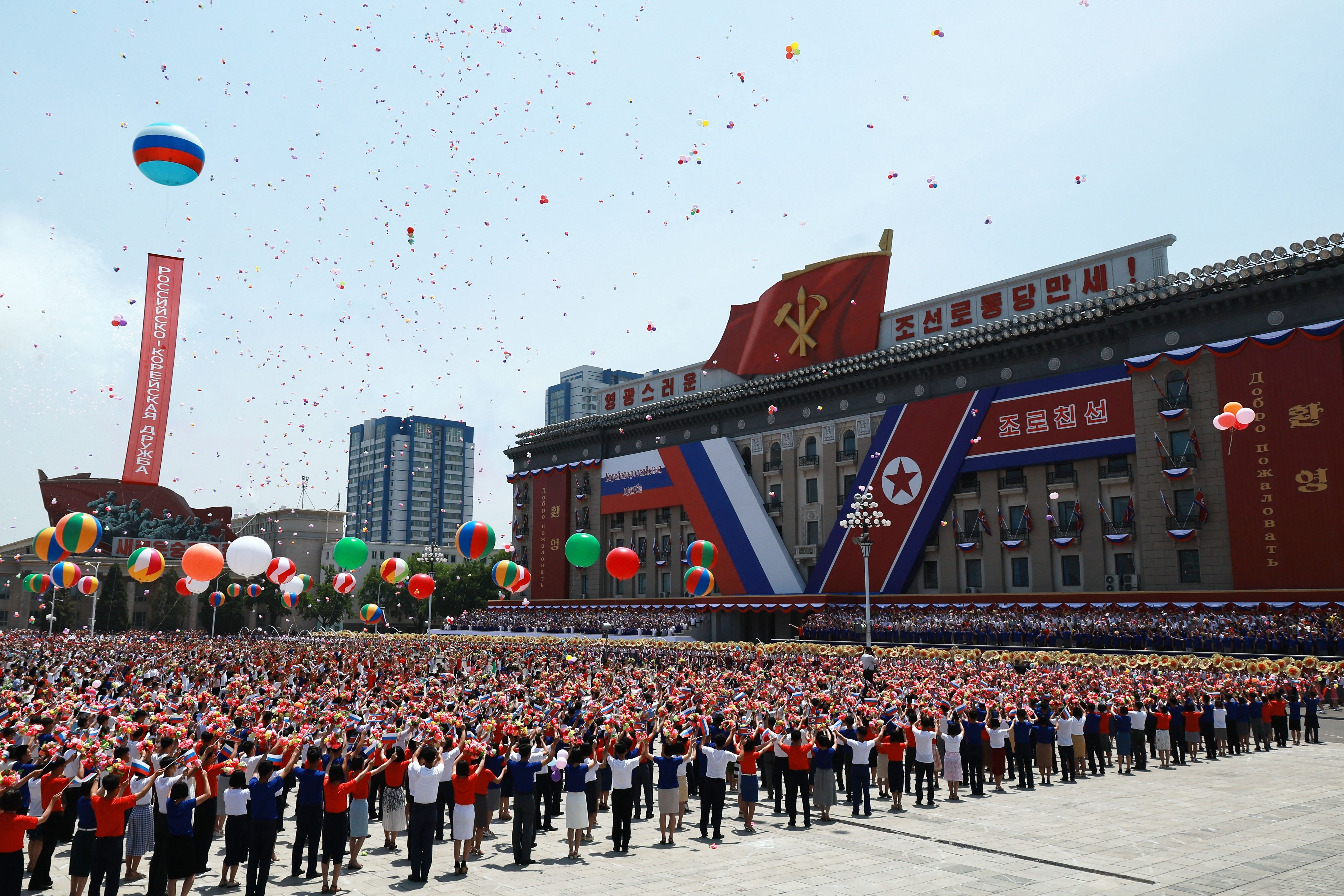
Faced with an increase in strategic maneuvering by Moscow and Pyongyang, Beijing will not sit idly by and allow Putin and Kim to shape the security environment on its behalf.

Tong Zhao
China views U.S. missile defense as posing a greater potential threat to China’s nuclear deterrent than other U.S. military capabilities.
Tong Zhao, Dmitry Stefanovich
There are certainly other issues among other P5 countries, but the U.S.-China competition is so by far the most consequential great power rivalry in the international system, and it has very far-reaching geopolitical implications at and beyond the Pacific region.
Tong Zhao
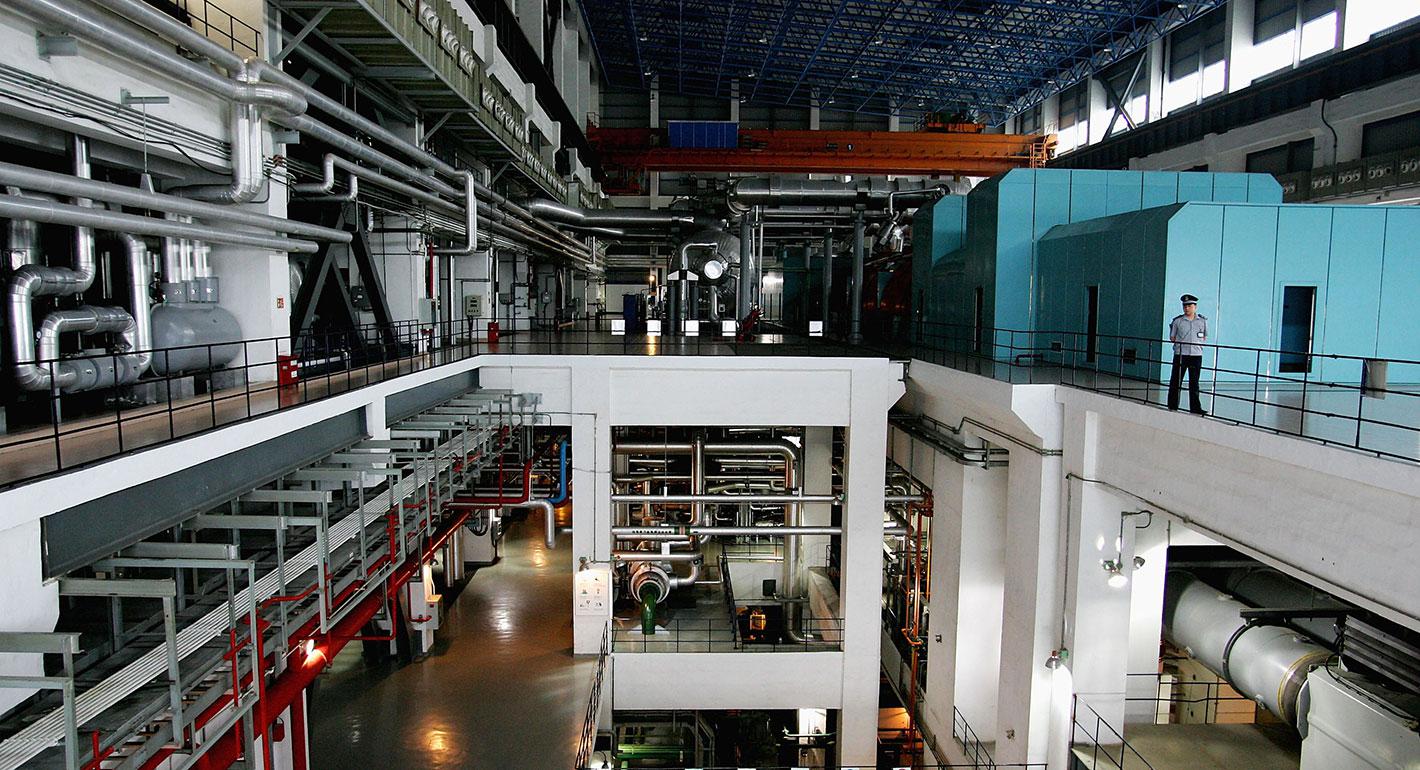
Satellite data has revealed the construction of new nuclear missile silos in Gansu and Xinjiang in western China. How U.S. and Chinese experts interpret the buildup and the motivations behind it could greatly reshape their security relationship.
Tong Zhao
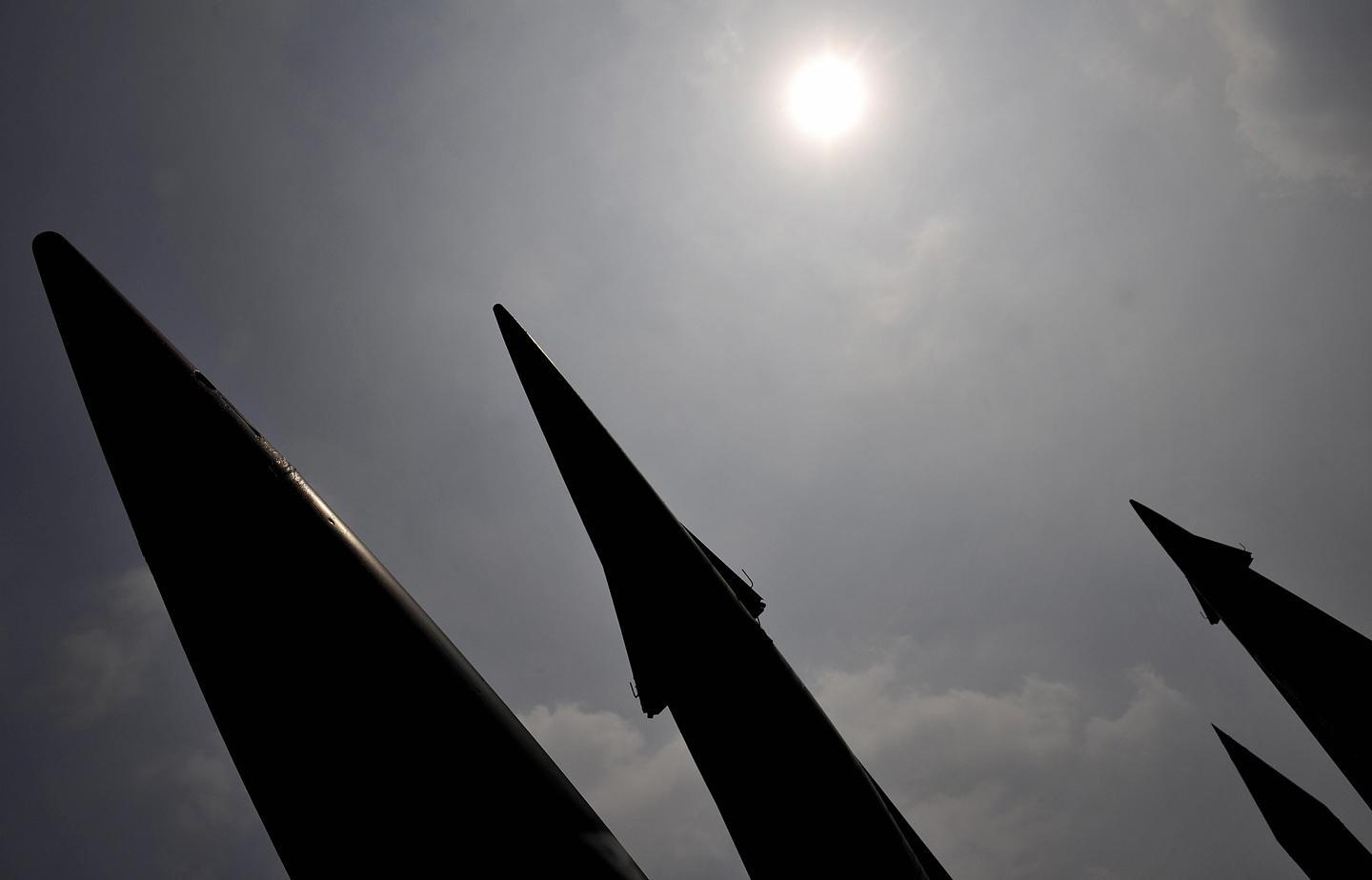
There are three guiding principles that can help make future arms control dialogues more successful.

Andrey Baklitskiy, Alexandra Bell, Tong Zhao