

Commentary
Julia Choucair-Vizoso

REQUIRED IMAGE
The Lebanese political system, designed to ensure representation for a diverse population, makes it very difficult for one group to gain enough seats in parliament to govern effectively. Therefore, although Syria's withdrawal has restored Lebanon's sovereignty, it has also left a power vacuum that threatens the stability of the country.
Source: Carnegie Endowment
Summary
Syria's troop withdrawal in April 2005 allowed Lebanon to hold its first completely independent elections in three decades. However, the Lebanese political system, designed to ensure representation for a diverse population, makes it very difficult for one group to gain enough seats in parliament to govern effectively. Therefore, although Syria's withdrawal has restored Lebanon's sovereignty, it has also left a power vacuum that threatens the stability of the country.
In a new Carnegie Paper, Julia Choucair discusses the problems and prospects facing the largely fractured Lebanese political system. She outlines policies to realistically achieve security, electoral, and economic reform in Lebanon and discusses the role of international actors in Lebanon's political future.
Click on link above for the full text of this Carnegie Paper.
About the Author
Julia Choucair is a project associate in the Democracy and Rule of Law Project and serves as assistant editor of Carnegie's e-monthly, the Arab Reform Bulletin.
Former Editor in Chief, Sada
Julia Choucair Vizoso is editor in chief of the online journal, Sada. Her research interests include Middle Eastern politics, authoritarianism, and identity politics.
Recent Work
Julia Choucair-Vizoso
Julia Choucair-Vizoso
Carnegie does not take institutional positions on public policy issues; the views represented herein are those of the author(s) and do not necessarily reflect the views of Carnegie, its staff, or its trustees.
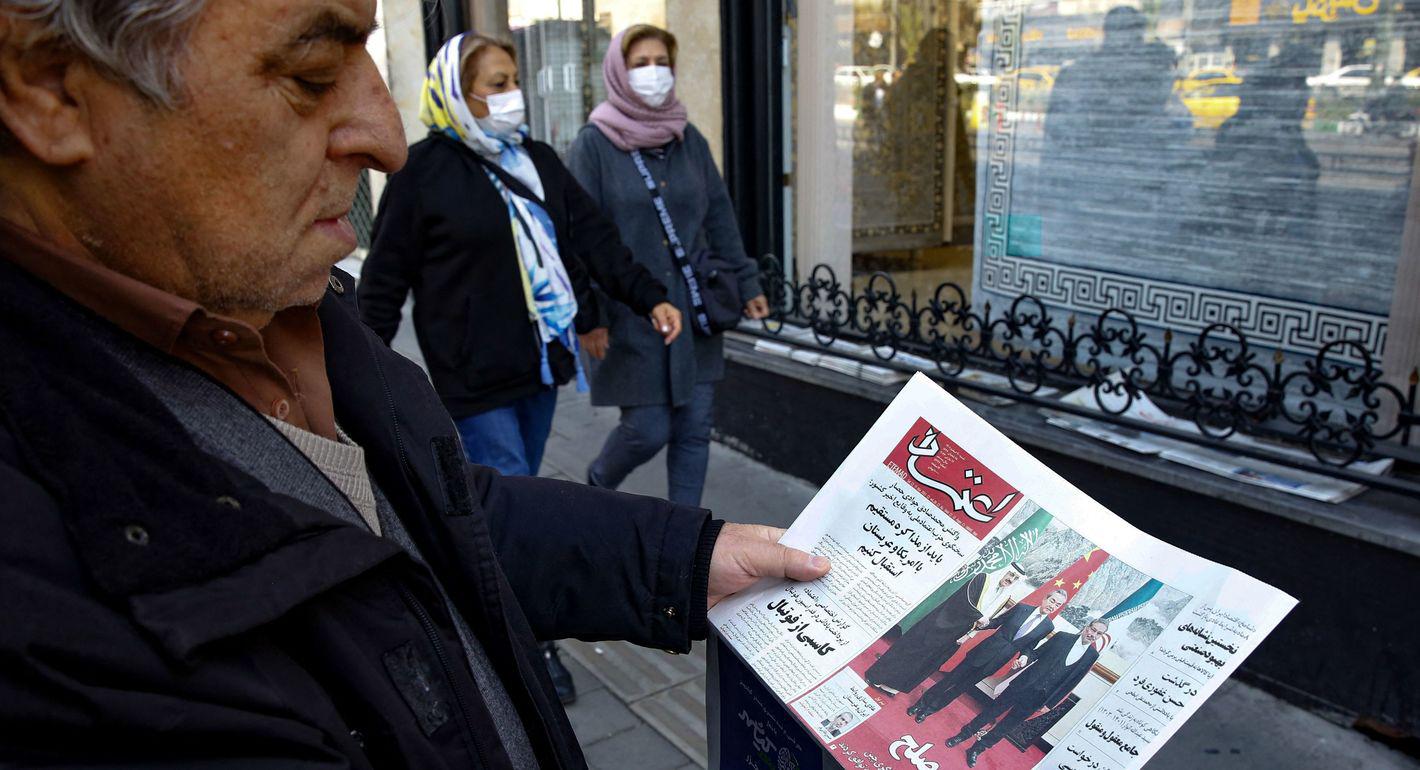
Transactional relationships are stable but can be shallow.


Paul Haenle, Maha Yahya, Benjamin Ho, …
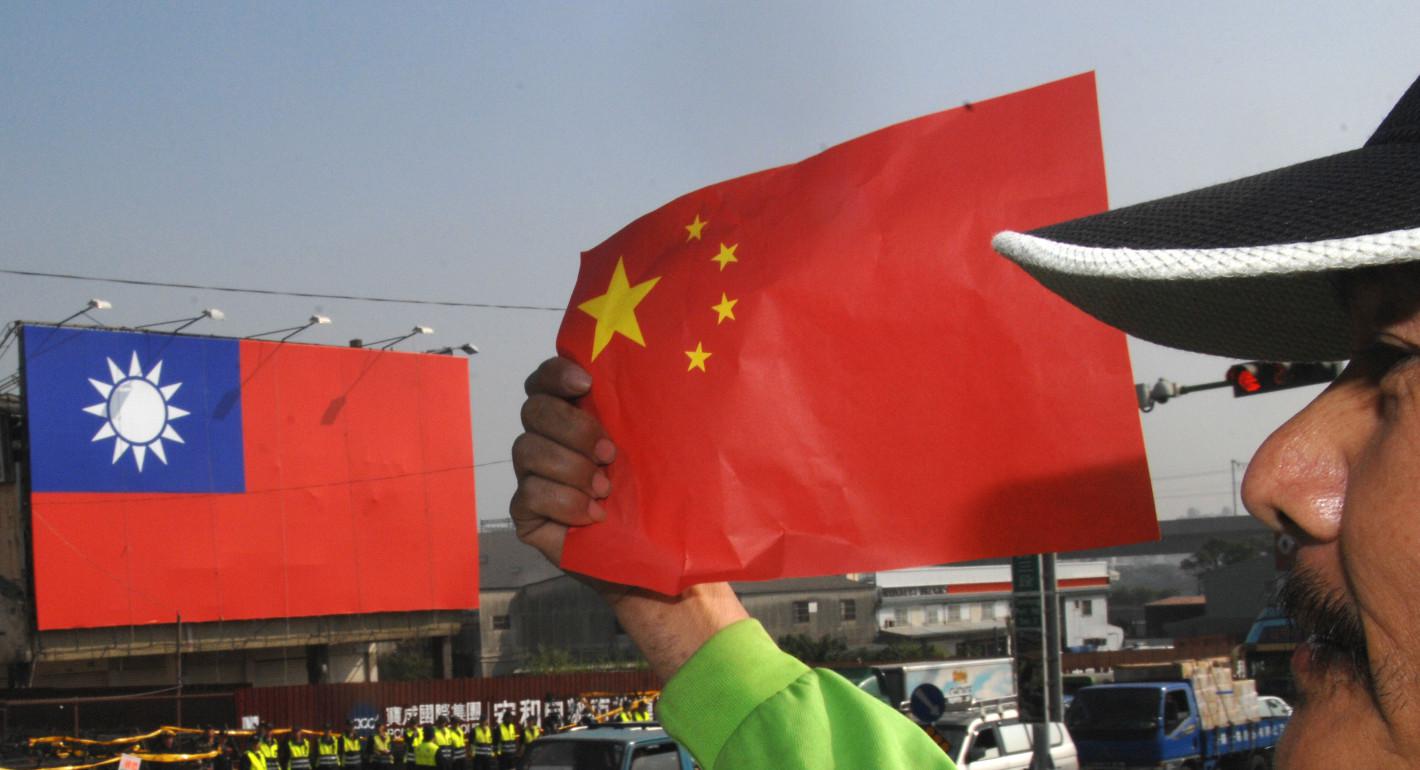
Beijing says that over 180 countries accept its “one China principle” regarding Taiwan, but the reality is more complicated.

Chong Ja Ian
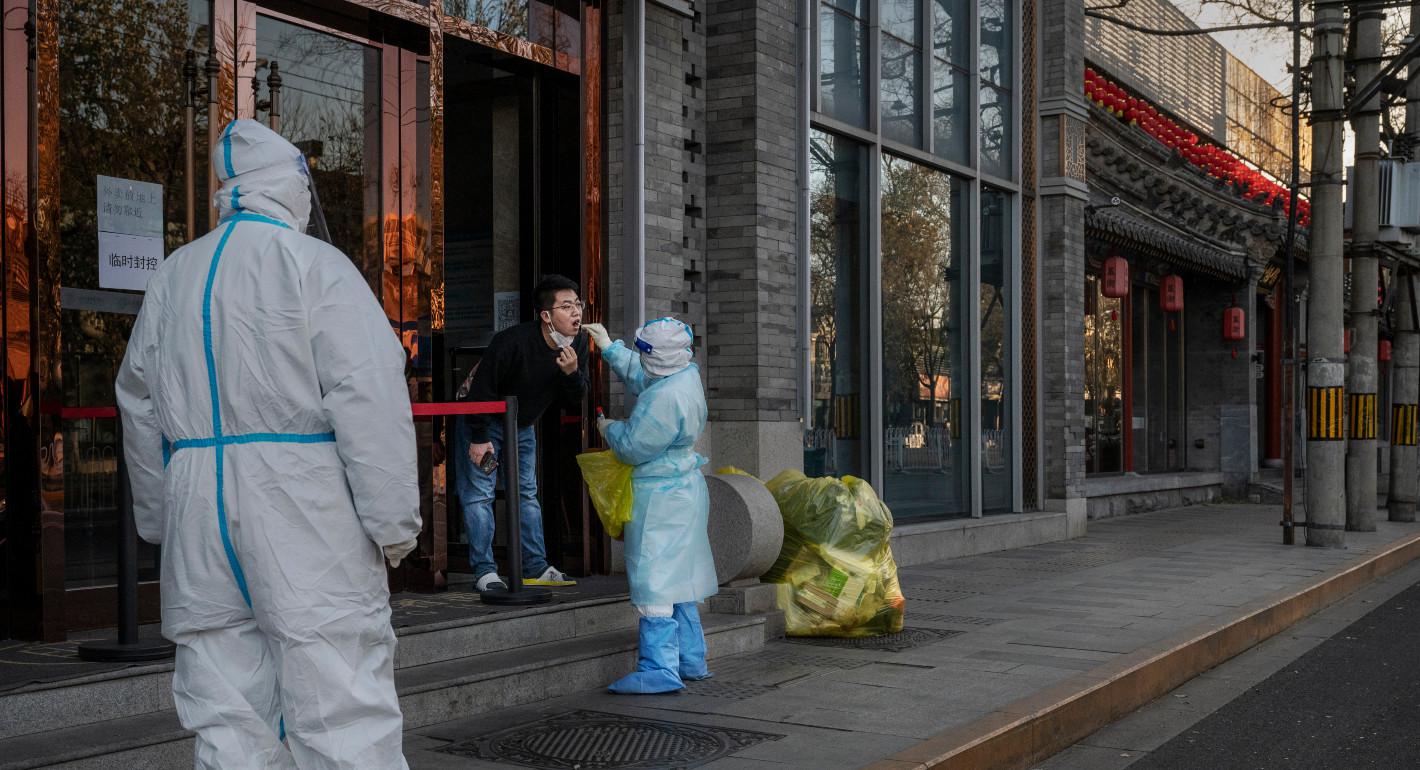
Beijing must choose between preserving its pandemic narrative or facing more unrest.
Paul Haenle

It’s about managing oil prices, bread prices, and strategic partnerships.



Amr Hamzawy, Karim Sadjadpour, Aaron David Miller, …
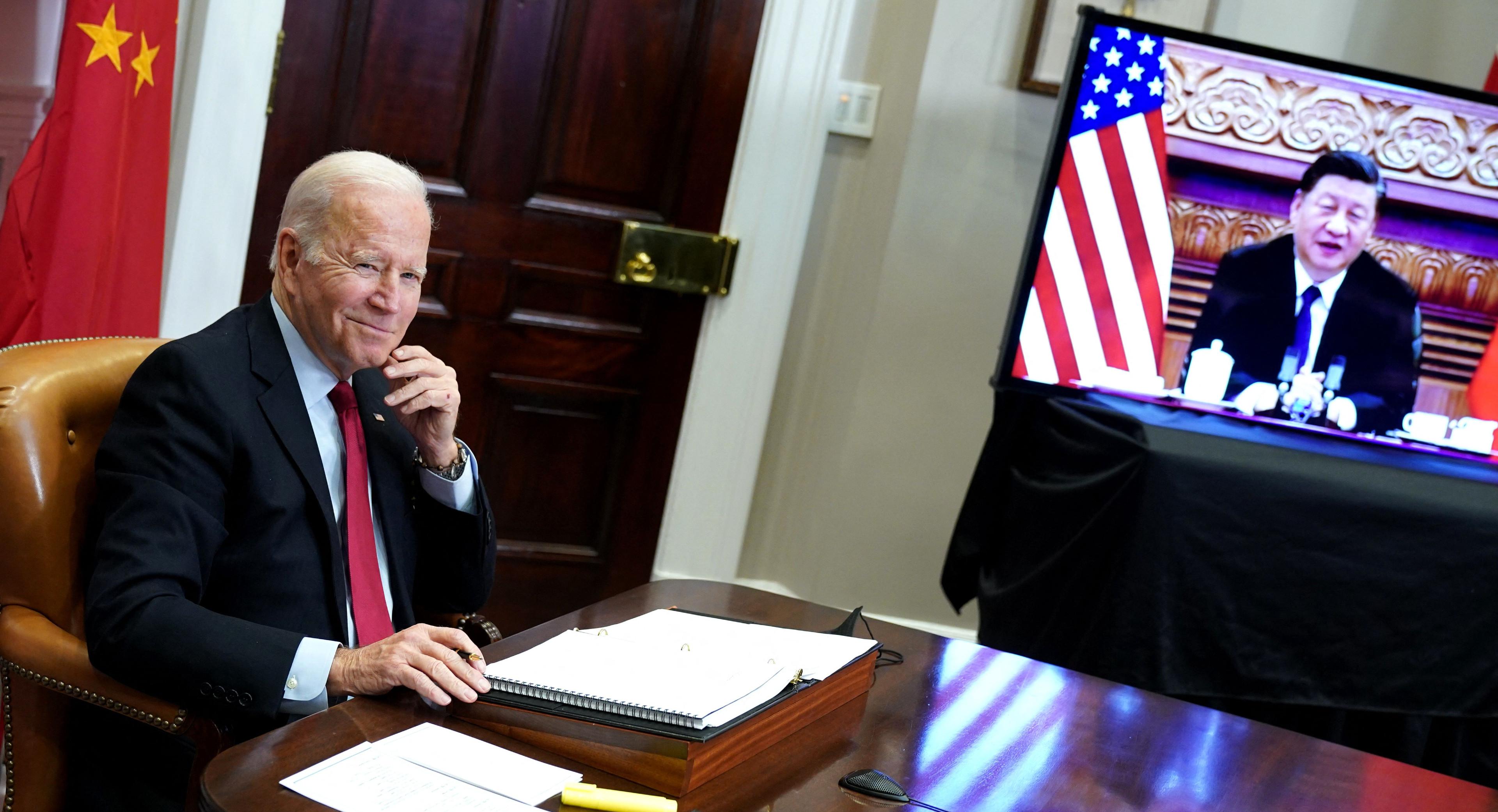
Three months after the Biden-Xi summit, the two sides’ divergent framings of the bilateral relationship are hindering progress.
Paul Haenle, Sam Bresnick