

Commentary
Nathan J. Brown

REQUIRED IMAGE
The shock of the landslide victory of Hamas in the January 25 Palestinian parliamentary elections has confronted all interested parties with stark problems and choices with little preparation. It is not merely that the extent of the Hamas electoral triumph was unanticipated by so many and that the various parties to the conflict assumed a post-election environment and set of issues far different from the ones they are actually facing. The situation is especially murky because of the nature of Hamas: The language and arguments it uses depart so sharply from those used by other actors that it is difficult to discern a rhetorical feint from a sincere initiative.
In an effort to clarify options and possible outcomes, this analysis will address four questions:
• What did Palestinians vote for on January 25?
• What agenda and set of priorities is Hamas likely to pursue?
• What is Hamas likely to be able to do with a parliamentary majority?
• What choices do Western donor states have—is there any possibility of coaxing Hamas into a more promising set of positions regarding Israel?
Click on the link above to continue reading.
This is a web-only publication

Nonresident Senior Fellow, Middle East Program
Nathan J. Brown, a professor of political science and international affairs at George Washington University, is a distinguished scholar and author of nine books on Arab politics and governance, as well as editor of five books.
Recent Work
Nathan J. Brown
Nathan J. Brown
Carnegie does not take institutional positions on public policy issues; the views represented herein are those of the author(s) and do not necessarily reflect the views of Carnegie, its staff, or its trustees.
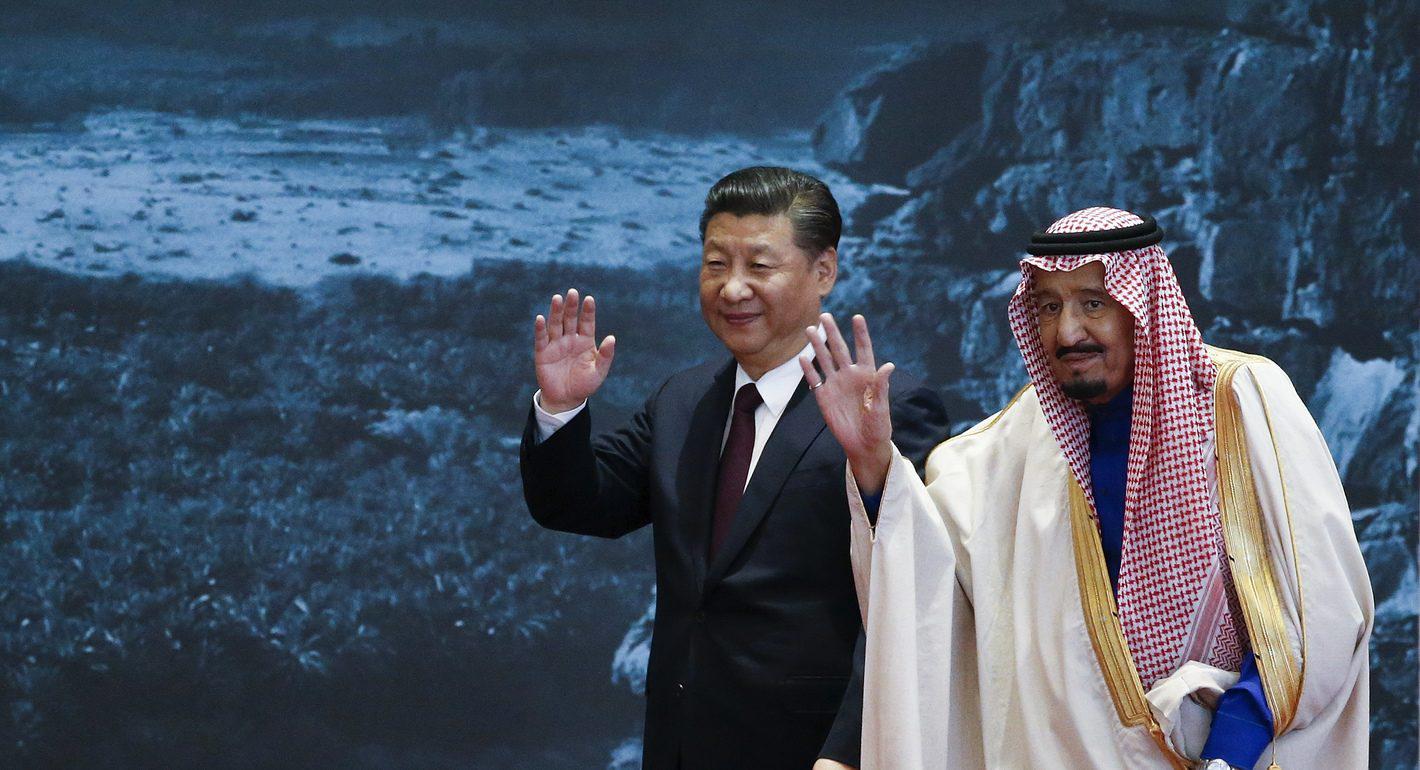
The advantage that China has over other global powers, especially America, is that its foreign policy is closely aligned with those of many of the Middle Eastern countries.


Jin Liangxiang, Maha Yahya, Hesham Alghannam
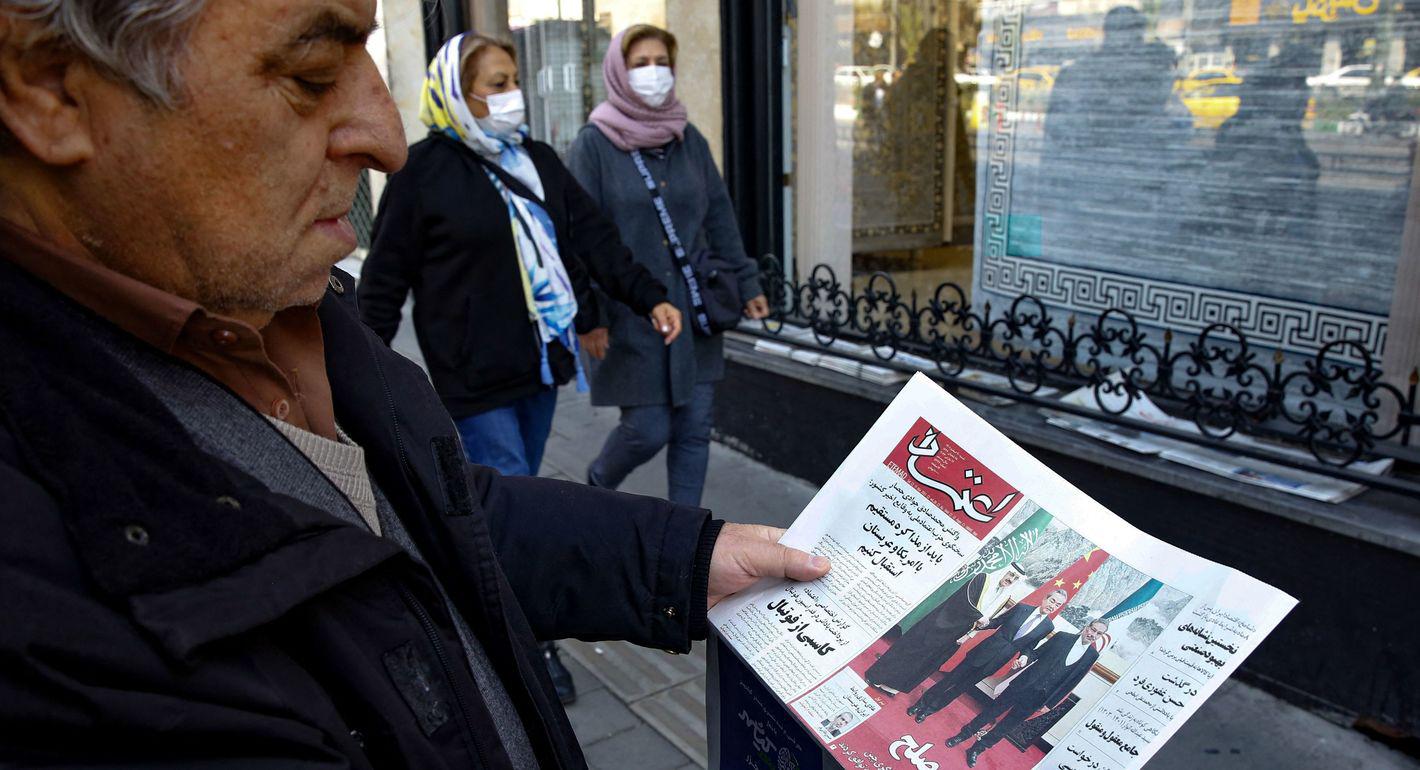
Transactional relationships are stable but can be shallow.


Paul Haenle, Maha Yahya, Benjamin Ho, …
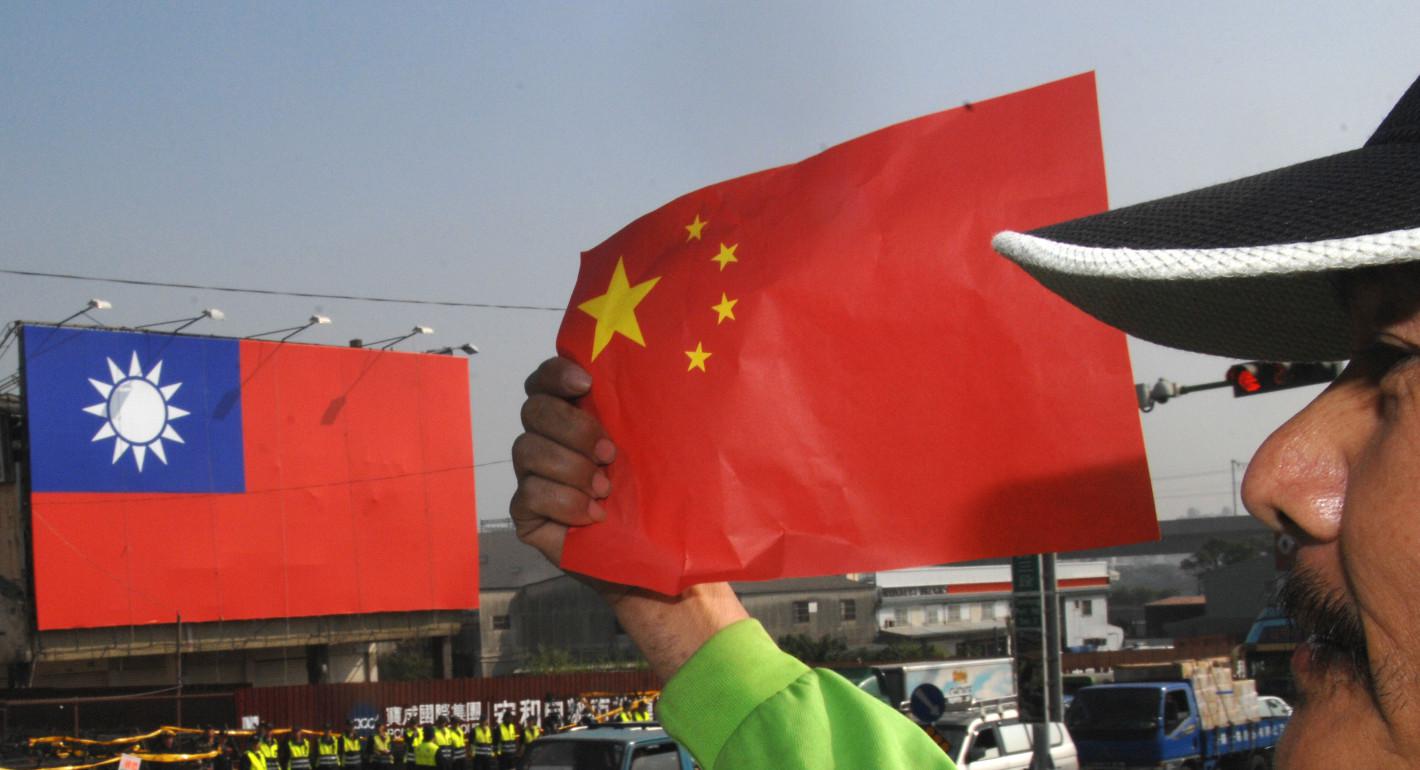
Beijing says that over 180 countries accept its “one China principle” regarding Taiwan, but the reality is more complicated.

Chong Ja Ian

Beijing must choose between preserving its pandemic narrative or facing more unrest.
Paul Haenle

It’s about managing oil prices, bread prices, and strategic partnerships.



Amr Hamzawy, Karim Sadjadpour, Aaron David Miller, …