

Commentary
Transactional relationships are stable but can be shallow.
- +1
Paul Haenle, Maha Yahya, Benjamin Ho, …

Source: Getty
The 2006 parliamentary elections in Kuwait have two striking features. First, they are occasioned by an intense controversy over the size of electoral districts—a seemingly technical matter with significant implications for Kuwaiti political life. Second, in this dispute, liberals and Islamists are very much on the same side—a rare alliance in the region, and unusual even in Kuwait.
On June 29, 2006, Kuwaitis go to the polls to elect a parliament. While the elections have drawn little international attention, the poll could have deep implications for the future of the Arabian peninsula’s most democratic political system. This year’s voting may seem routine—with two interruptions, Kuwait has had regular parliamentary elections since independence. But the 2006 parliamentary elections have two striking features. First, they are occasioned by an intense controversy over the size of electoral districts—a seemingly technical matter with significant implications for Kuwaiti political life. Second, in this dispute, liberals and Islamists are very much on the same side—a rare alliance in the region, and unusual even in Kuwait.
This is a web-only publication.

Nonresident Senior Fellow, Middle East Program
Nathan J. Brown, a professor of political science and international affairs at George Washington University, is a distinguished scholar and author of nine books on Arab politics and governance, as well as editor of five books.
Dina Bishara
Carnegie does not take institutional positions on public policy issues; the views represented herein are those of the author(s) and do not necessarily reflect the views of Carnegie, its staff, or its trustees.
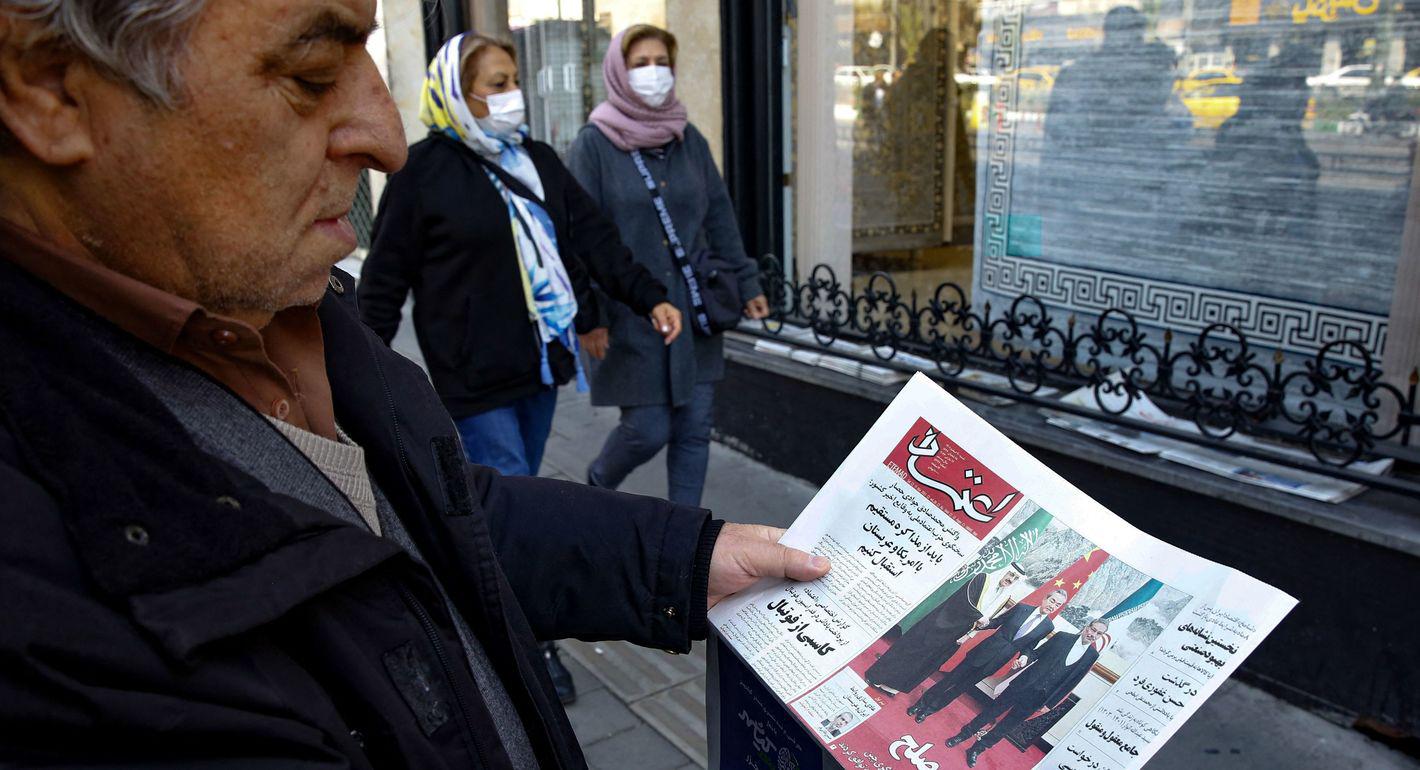
Transactional relationships are stable but can be shallow.



Paul Haenle, Maha Yahya, Benjamin Ho, …
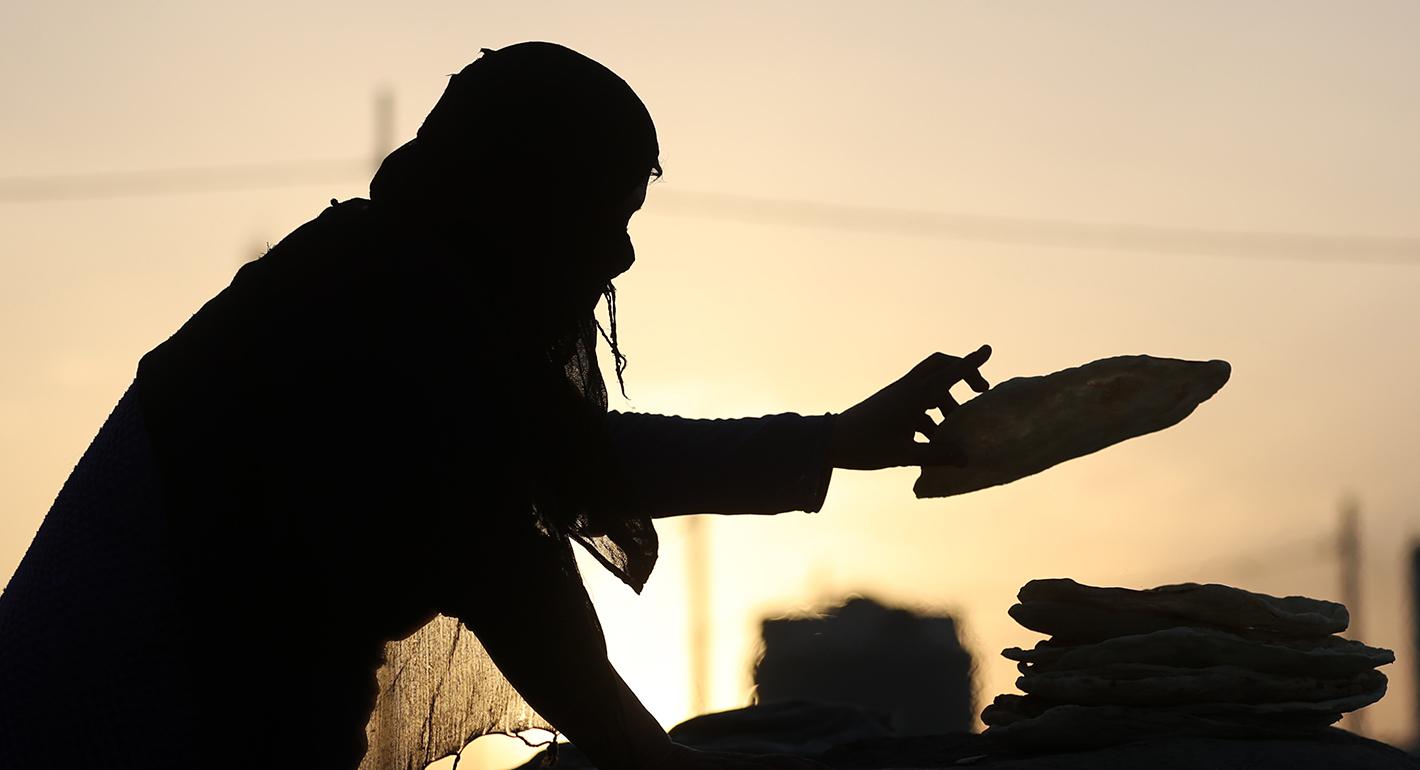
It’s about managing oil prices, bread prices, and strategic partnerships.



Amr Hamzawy, Karim Sadjadpour, Aaron David Miller, …
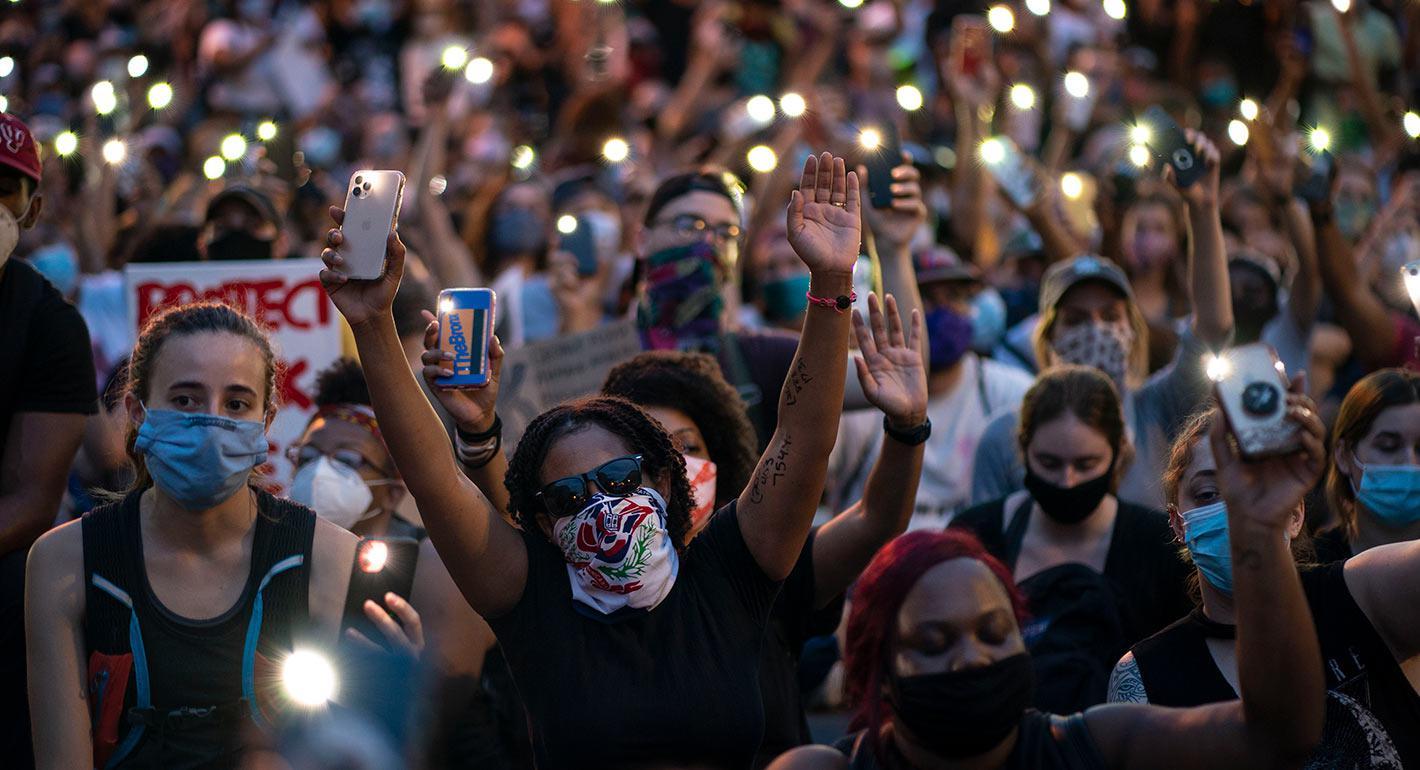
The murder of George Floyd has underscored the deep inequities that have long plagued American society. In a note to the Carnegie community, Bill Burns reflects on Carnegie’s commitment to build a more just future here at home and around the world, without which peace will remain beyond our grasp.
William J. Burns
While the world hoped this pandemic might lead to more cooperation between these two great powers, American and Chinese leaders instead fell into a blame game and allowed their increasing suspicions to guide their decision-making.
Lyu Jinghua
Biological viruses and computer malware differ in important respects. They have considerable potential to spread widely, invading, disrupting and destroying their targets.

Ariel (Eli) Levite, Lyu Jinghua