

Paper
The nuclear relationship between China and the United States is increasingly shaped by widening perception gaps rather than deliberate strategic design.
Tong Zhao

REQUIRED IMAGE
IAEA Director General Mohamed ElBaradei addressed a wide range of nonproliferation challenges yesterday in a conversation with Robert Gallucci at Georgetown University.
IAEA Director General Mohamed ElBaradei addressed a wide range of nonproliferation challenges yesterday in a conversation with Robert Gallucci at
On
ElBaradei made a clear distinction in his remarks between the North Korean and Iranian nuclear crises. The recent nuclear test in
In response to Gallucci’s question of whether Japan and South Korea will pursue nuclear weapons in response to the North Korean test, ElBaradei said that Secretary of State Condoleezza Rice assured the U.S. allies that they would continue to be under the U.S. nuclear umbrella, but the Director General warned that a second test could lead to a “rethinking” by North Korea’s neighbors of whether to develop their own deterrents.
Sanctions, ElBaradei stated, “do not work as a penalty,” but should instead be viewed as a “measured way to induce change of behavior.”
On
Again stressing the importance of dialogue, the Director General commented on his perspective on how he believes
Acknowledging international apprehension about nuclear program, he discussed the difference between “future intention” and “industrial capacity.”
On Dual-use Technologies
Dr. ElBaradei the broached a critical issue related to the Iranian nuclear crisis, indicating, “we need to stop the proliferation of enrichment and reprocessing [technology], because otherwise we’ll have, in addition to the nine nuclear weapons states we have today, another score of countries who I call ‘virtual’ nuclear weapons states, countries that are able to develop nuclear weapons overnight, if you like.”
Explaining a dangerous loophole in the Non-Proliferation Treaty (NPT), Dr. ElBaradei stated that the NPT was developed 30 years ago and was based on the assumption that nuclear technology is a “very sophisticated technology that not many countries will be able to muster” and that “we can deal with it through export control.” However, the Director General said, “since the A.Q. Khan network and illicit trafficking, we have realized that many countries now can develop that technology… indigenously right now.” Dr. ElBaradei spoke about the need to “restrict an individual country or national countries having enrichment [or] reprocessing on their own.
He outlined possible solutions, saying that “we need an additional protocol, if you like, to the nonproliferation treaty that limits the acquisition of enrichment or reprocessing.” He added that at the very minimum, enrichment capabilities should be “multinational so no one country can sit on an enrichment factory , because sitting on an enrichment factory means that that country in a couple of months could develop a nuclear weapon, if their sense of security has changed.”
Addressing the inherent dangers of a civilian fuel cycle that can be used to either develop low-enriched uranium or highly-enriched uranium for bombs, he continued, “we need to see how much we can restrict the use of highly enriched uranium and plutonium on the civilian fuel cycle.” He noted that “a lot of technology R&D going on right now to develop a system that is proliferation resistance that does not automatically lead to a possibility of separating plutonium.”
We are trying to reduce very much the use of highly enriched uranium. I mean, we have a program that now converting all research reactors from highly enriched uranium into low enriched uranium.
Strengthening the Non-Proliferation Regime
Dr. ElBaradei spoke about the importance of a Comprehensive Test Ban Treaty to strengthen international norms against nuclear testing. He said that a “clear-cut, legally binding norm against nuclear testing” would be useful in dealing with the North Korean nuclear test or
He also urged the international community to begin negotiations on a Fissile Material Cutoff Treaty. Addressing the contentious issue of whether a Fissile Material Cutoff Treaty could be verifiable, the Director General said, “from our perspective, it is verifiable.” He continued, “It might not be perfect. It might be difficult some time, of course, because you have to make a distinction between the stockpile of the weapons states and a new production.” ElBaradei indicated that a verification system would make it difficult for countries to cheat. He also added that a de facto verification process already taking place in “Japan [and] in many other countries to make sure that we’re verifying the enrichment and reprocessing capability declared, and … to make sure that there is not undeclared enrichment for reprocessing.”
Disarmament
In his closing remarks, Dr. ElBaradei emphasized the need for those “nine states that have nuclear weapons to move towards nuclear disarmament.” He stated, “it’s a multi-pronged approach that we need to do so that at the end of the day, we can say we have what we think is a regime that can protect us from nuclear weapons being used either by states, or worse by extremist groups.”
Caterina Dutto
Carnegie does not take institutional positions on public policy issues; the views represented herein are those of the author(s) and do not necessarily reflect the views of Carnegie, its staff, or its trustees.

The nuclear relationship between China and the United States is increasingly shaped by widening perception gaps rather than deliberate strategic design.

Tong Zhao
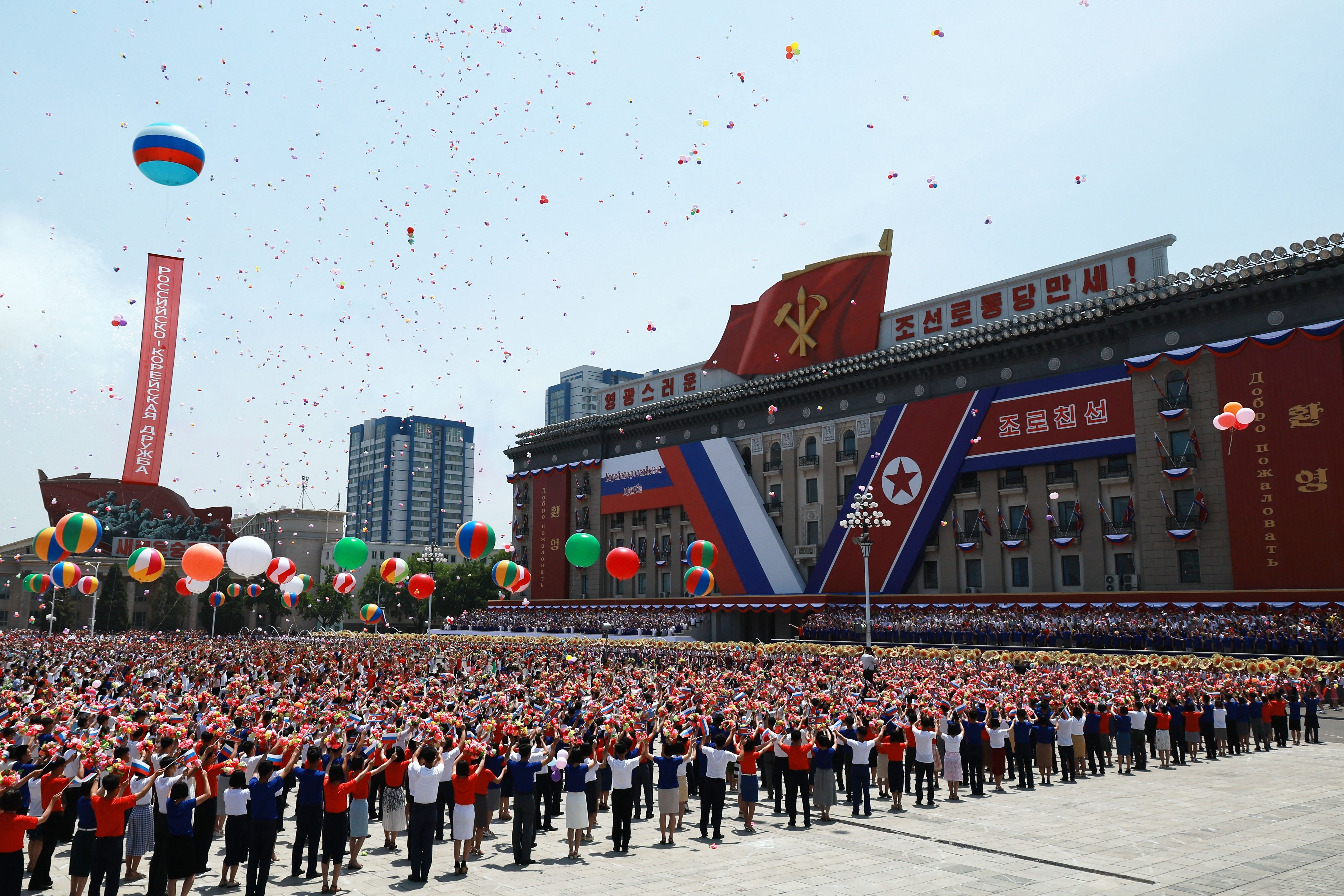
Faced with an increase in strategic maneuvering by Moscow and Pyongyang, Beijing will not sit idly by and allow Putin and Kim to shape the security environment on its behalf.
Tong Zhao
China views U.S. missile defense as posing a greater potential threat to China’s nuclear deterrent than other U.S. military capabilities.
Tong Zhao, Dmitry Stefanovich
There are certainly other issues among other P5 countries, but the U.S.-China competition is so by far the most consequential great power rivalry in the international system, and it has very far-reaching geopolitical implications at and beyond the Pacific region.
Tong Zhao
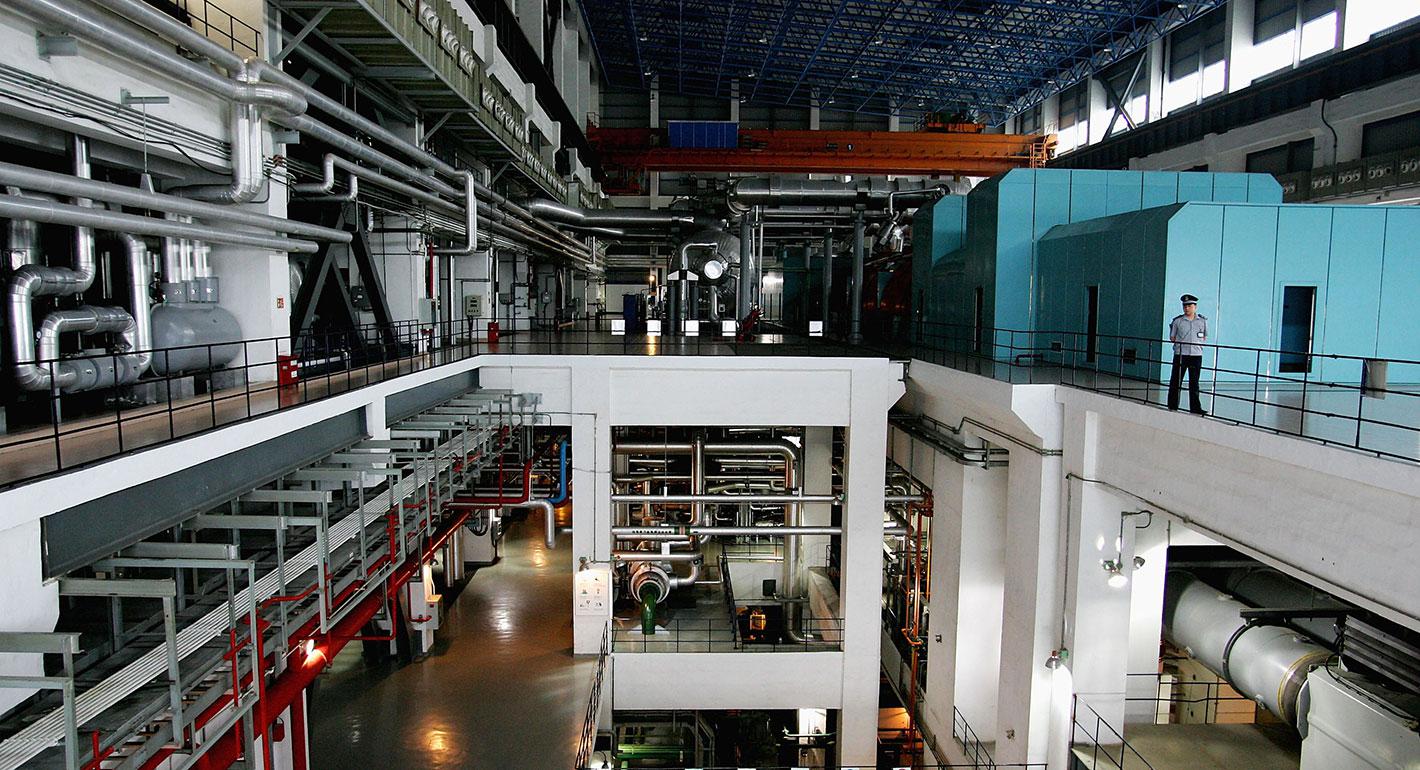
Satellite data has revealed the construction of new nuclear missile silos in Gansu and Xinjiang in western China. How U.S. and Chinese experts interpret the buildup and the motivations behind it could greatly reshape their security relationship.
Tong Zhao