

Commentary
Nathan J. Brown

REQUIRED IMAGE
When Hamas won a majority of seats in the Palestinian Legislative Council in the January 2006 elections, many observers asked whether President Mahmud Abbas (Abu Mazin), the popularly elected president from the rival Fatah movement, could prevent Hamas from assuming authority. Once Hamas formed a government, many asked whether Abu Mazin could dismiss or replace it.
The Palestinian “Basic Law”—the constitutional document for the Palestinian Authority—is untested and its contents are not widely known. Confusion has been aggravated by the tendency of Abu Mazin’s advisors to pressure Hamas by hinting that the president might use constitutional powers that he simply does not have. Existing arrangements give Abu Mazin very few tools to act unilaterally. Almost any change would require either Hamas’s consent or a violation of the Basic Law.
In a short commentary in question and answer format, Carnegie Senior Associate Nathan J. Brown, an expert of Palestinian politics, explains what Abu Mazin can and cannot do.

Nonresident Senior Fellow, Middle East Program
Nathan J. Brown, a professor of political science and international affairs at George Washington University, is a distinguished scholar and author of nine books on Arab politics and governance, as well as editor of five books.
Recent Work
Nathan J. Brown
Nathan J. Brown
Carnegie does not take institutional positions on public policy issues; the views represented herein are those of the author(s) and do not necessarily reflect the views of Carnegie, its staff, or its trustees.

China’s political future will be shaped between now and next October. As the Communist Party enters its intense “campaign season” to prepare for a major political transition in 2027, reading Beijing's actions and responses may become more difficult as domestic politics weigh on its behavior more than usual.

Damien Ma
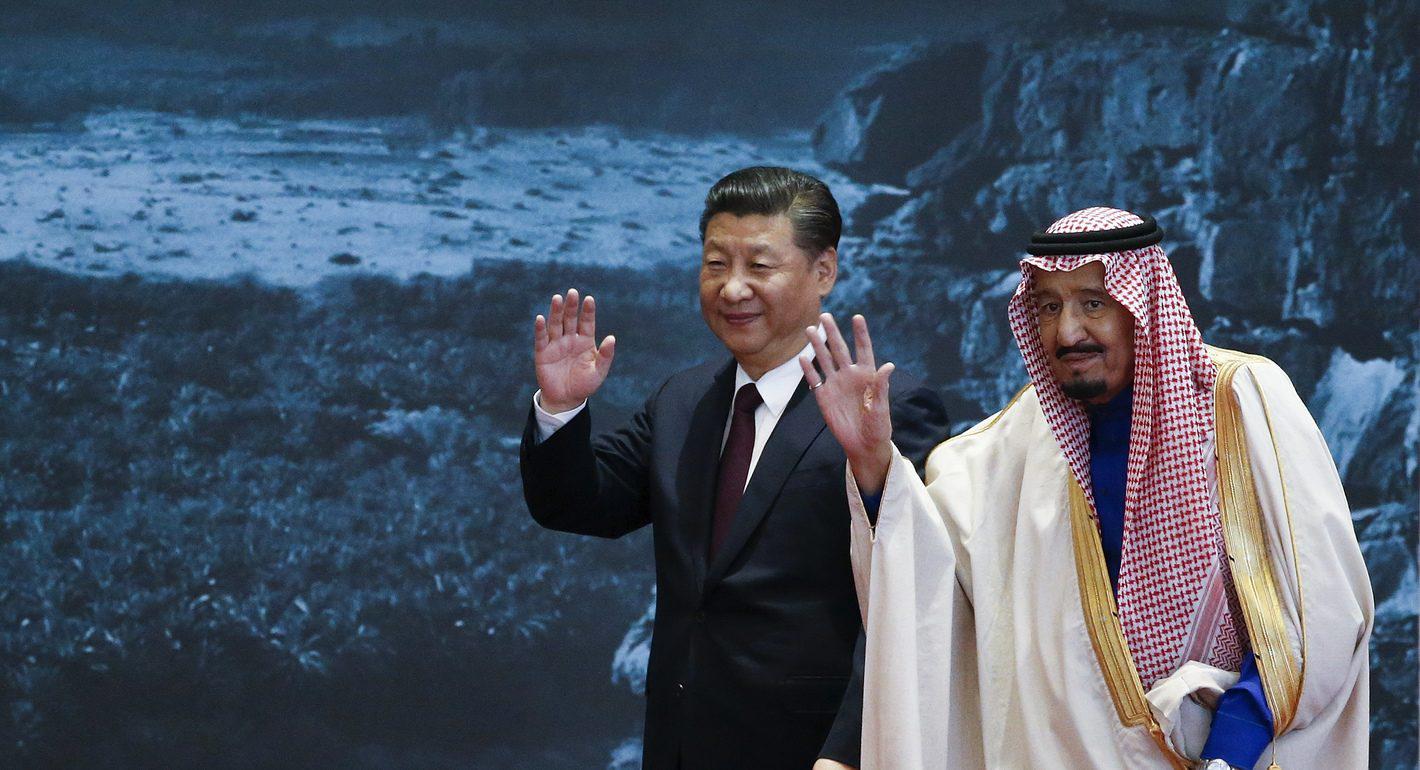
The advantage that China has over other global powers, especially America, is that its foreign policy is closely aligned with those of many of the Middle Eastern countries.



Jin Liangxiang, Maha Yahya, Hesham Alghannam
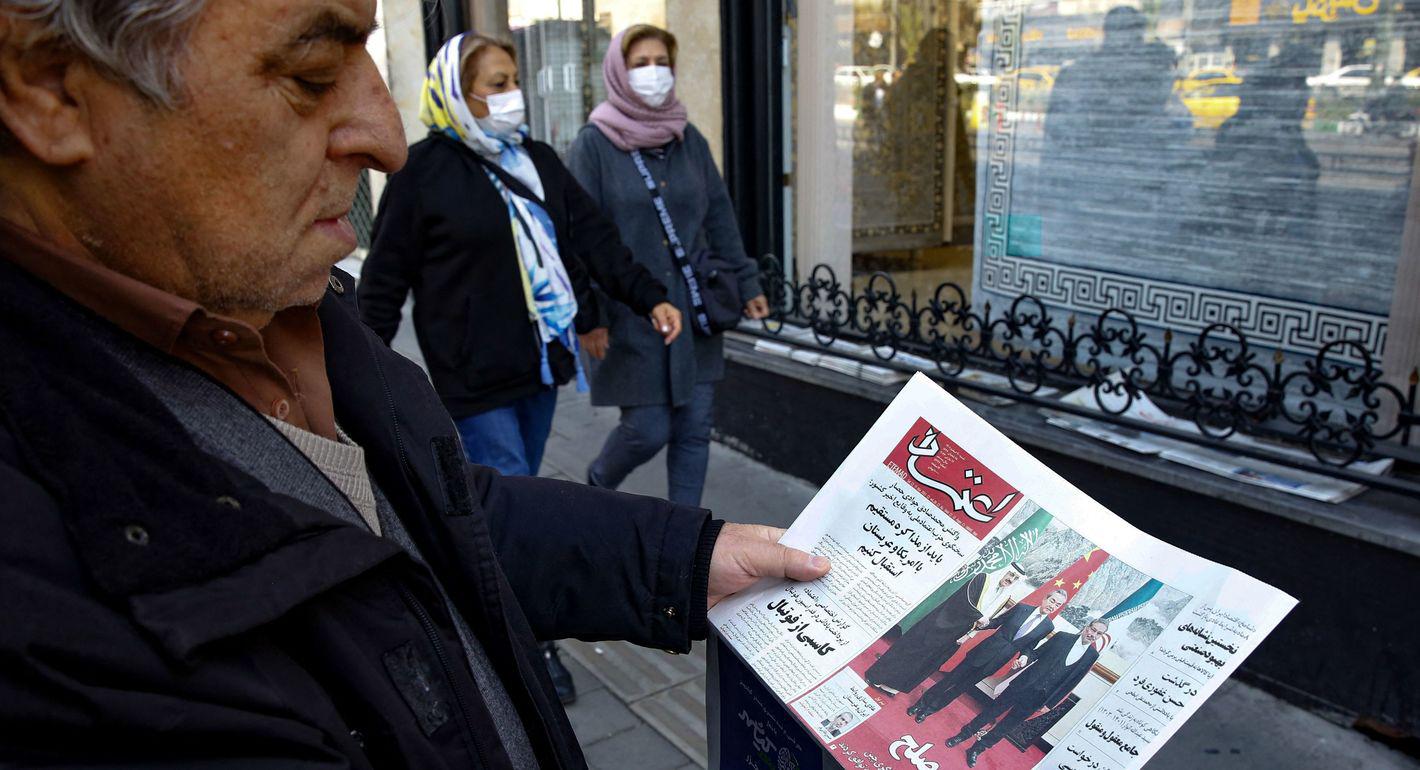
Transactional relationships are stable but can be shallow.


Paul Haenle, Maha Yahya, Benjamin Ho, …
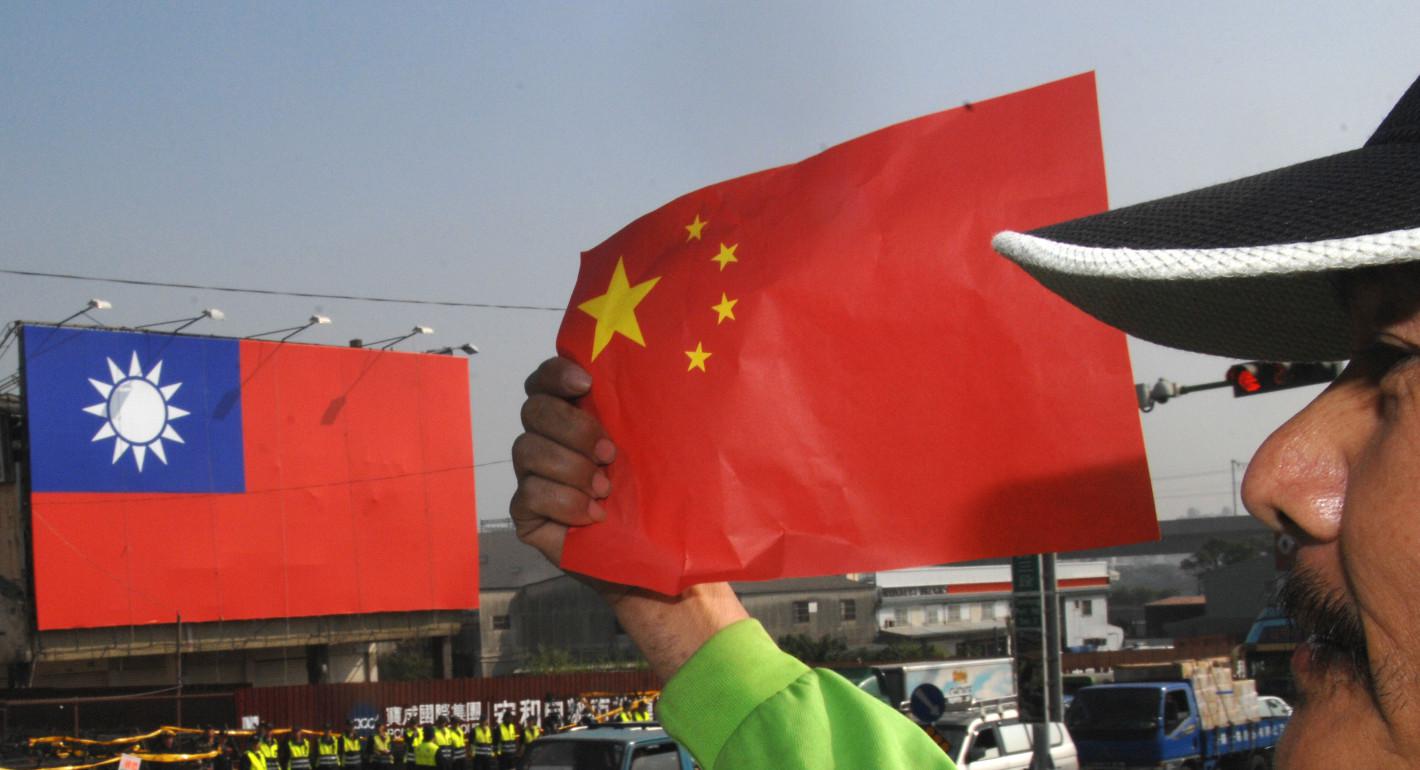
Beijing says that over 180 countries accept its “one China principle” regarding Taiwan, but the reality is more complicated.

Chong Ja Ian

Beijing must choose between preserving its pandemic narrative or facing more unrest.
Paul Haenle