

Commentary
In the latest Five-Year Plan, the Chinese president cements the shift to an innovation-driven economy over a consumption-driven one.
Damien Ma
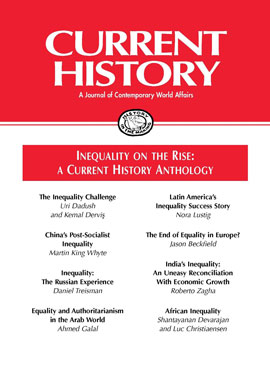
Rising inequality and unfair disparities in incomes and opportunities is stirring controversy in both developing and advanced countries and could undermine the legitimacy of governments across the globe.
Source: Current History
Inequality is stirring controversy in developing and advanced economies. Perceptions of unfair disparities in incomes and opportunities can undermine the legitimacy of both authoritarian and democratic governments. Yet the problem is more complex than many on the right or left care to admit. Once it reaches certain levels, income inequality impedes economic growth; at other times it seems an unavoidable trade-off in the pursuit of growth. Finding the proper balance is more than a question of economic theory; it’s a moral and political dilemma.
The eight essays collected in this e-book appeared in Current History from 2012 to 2013 in a monthly series on inequality around the world. Together they form a useful guide to the topic that benefits from Current History’s region-by-region approach. Contributors include Uri Dadush and Kemal Derviş, who provide a global overview; Martin King Whyte on China; Daniel Treisman on Russia; Ahmed Galal on the Middle East; Nora Lustig on Latin America; Jason Beckfield on Europe; Roberto Zagha on India; and Luc Christiaensen and Shantayanan Devarajan on Africa. As their essays show, each of the world’s regions has struggled with the economics and politics of income distribution. Yet, as Dadush and Derviş note, “There is no secret to the recipes that governments can use to mitigate inequality.” The key ingredient may be political will.
Former Senior Associate, International Economics Program
Dadush was a senior associate at the Carnegie Endowment for International Peace. He focuses on trends in the global economy and is currently tracking developments in the eurozone crisis.
Kemal Dervis
Martin King Whyte
Harvard University
Daniel Treisman
Ahmed Galal
Egyptian Center for Economic Studies
Nora Lustig
Center for Global Development
Jason Beckfield
Harvard University
Roberto Zagha
Luc Christiaensen
World Bank
Shantayanan Devarajan
World Bank
Carnegie does not take institutional positions on public policy issues; the views represented herein are those of the author(s) and do not necessarily reflect the views of Carnegie, its staff, or its trustees.

In the latest Five-Year Plan, the Chinese president cements the shift to an innovation-driven economy over a consumption-driven one.

Damien Ma

Regulation, not embargo, allows Beijing to shape how other countries and firms adapt to its terms.
Alvin Camba
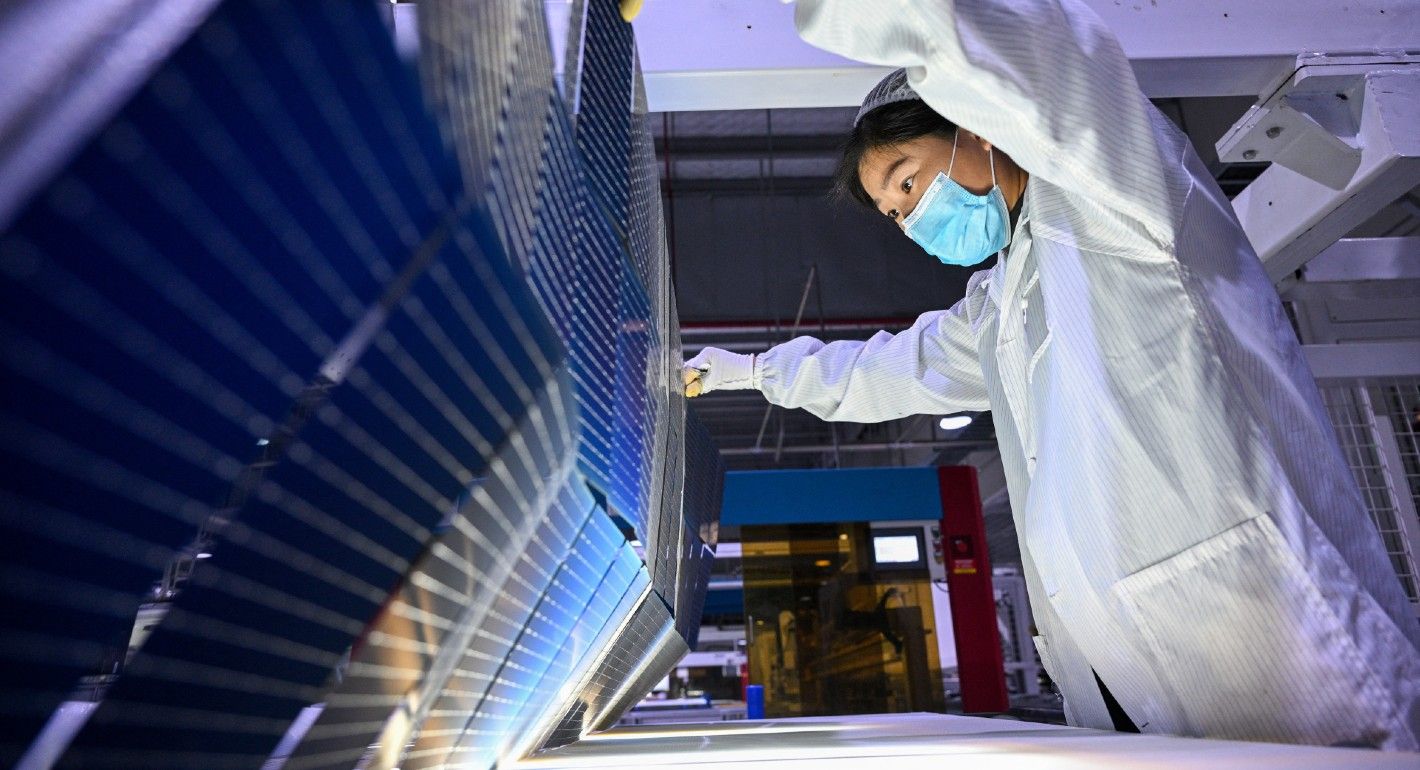
Rather than climate ambitions, compatibility with investment and exports is why China supports both green and high-emission technologies.

Mathias Larsen
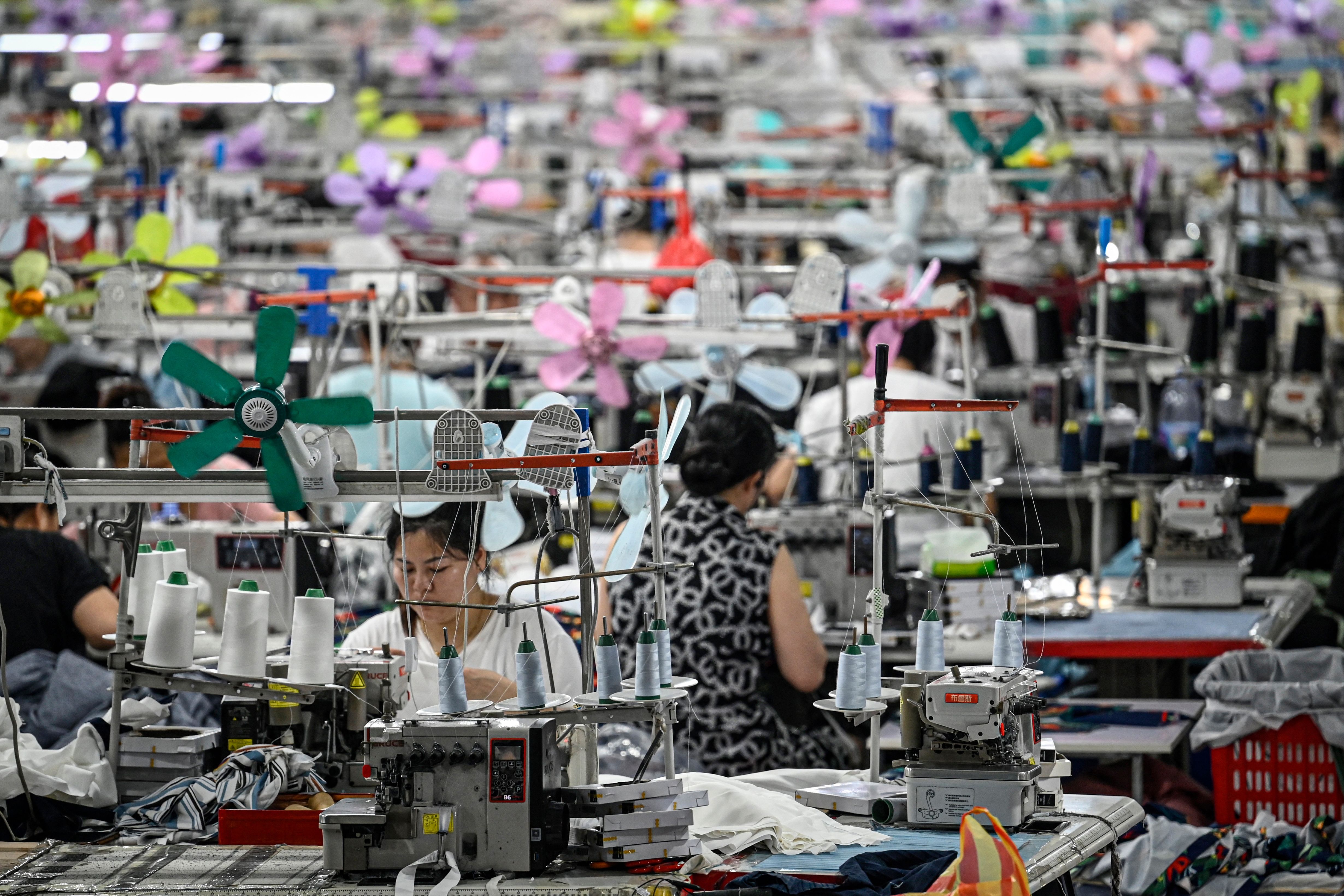
“Involution” is a new word for an old problem, and without a very different set of policies to rein it in, it is a problem that is likely to persist.

Michael Pettis

While China's investment story seems contradictory from the outside, the real answers to Beijing's high-quality growth ambitions are hiding in plain sight across the nation's cities.
Yuhan Zhang