

Article
Tristan Volpe
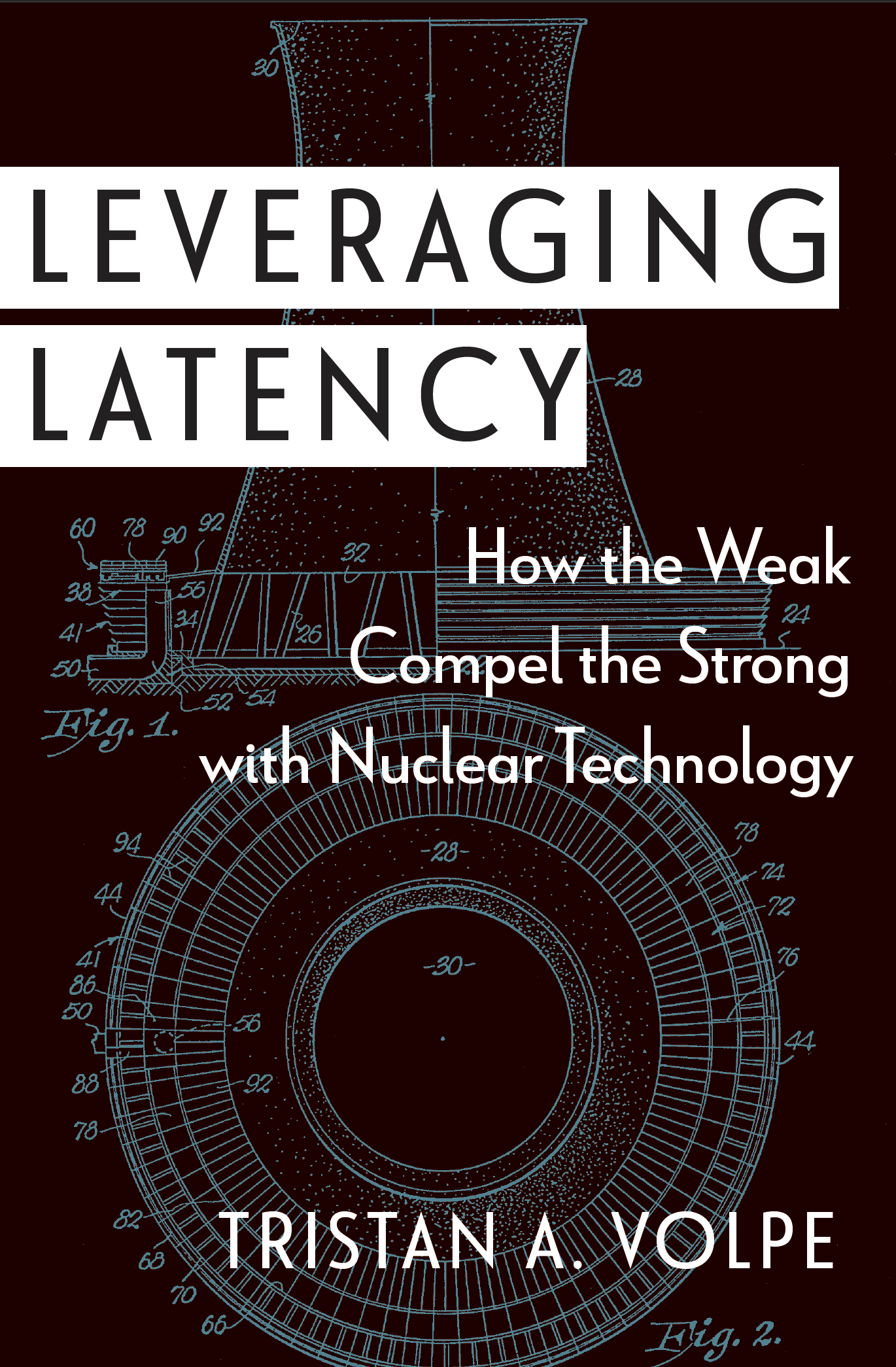
Over the last seven decades, some states successfully leveraged the threat of acquiring atomic weapons to compel concessions from superpowers. For many others, however, this coercive gambit failed to work. When does nuclear latency—the technical capacity to build the bomb—enable states to pursue effective coercion?

Former Nonresident Fellow, Nuclear Policy Program
Tristan Volpe was a nonresident fellow at the Carnegie Endowment for International Peace and assistant professor of defense analysis at the Naval Postgraduate School.
Recent Work


Joseph Bahout, Perry Cammack, David Livingston, …
Carnegie does not take institutional positions on public policy issues; the views represented herein are those of the author(s) and do not necessarily reflect the views of Carnegie, its staff, or its trustees.

Faced with an increase in strategic maneuvering by Moscow and Pyongyang, Beijing will not sit idly by and allow Putin and Kim to shape the security environment on its behalf.

Tong Zhao

China views U.S. missile defense as posing a greater potential threat to China’s nuclear deterrent than other U.S. military capabilities.
Tong Zhao, Dmitry Stefanovich
There are certainly other issues among other P5 countries, but the U.S.-China competition is so by far the most consequential great power rivalry in the international system, and it has very far-reaching geopolitical implications at and beyond the Pacific region.
Tong Zhao
Satellite data has revealed the construction of new nuclear missile silos in Gansu and Xinjiang in western China. How U.S. and Chinese experts interpret the buildup and the motivations behind it could greatly reshape their security relationship.
Tong Zhao
There are three guiding principles that can help make future arms control dialogues more successful.

Andrey Baklitskiy, Alexandra Bell, Tong Zhao