

Article
Beijing says that over 180 countries accept its “one China principle” regarding Taiwan, but the reality is more complicated.
Chong Ja Ian

Evidence is strong that affective polarization and democratic backsliding are interlinked phenomena.

Nonresident Scholar, Democracy, Conflict, and Governance Program
Jennifer McCoy is a nonresident scholar in the Democracy, Conflict, and Governance Program, where she focuses on political polarization and democratic resilience in the U.S. and around the world.

Murat Somer
Murat Somer is a professor of political science at Koç University in Istanbul and an expert on political polarization, religious and secular politics, ethnic conflict, autocratization, and democratization in Turkey and around the world.
Carnegie does not take institutional positions on public policy issues; the views represented herein are those of the author(s) and do not necessarily reflect the views of Carnegie, its staff, or its trustees.
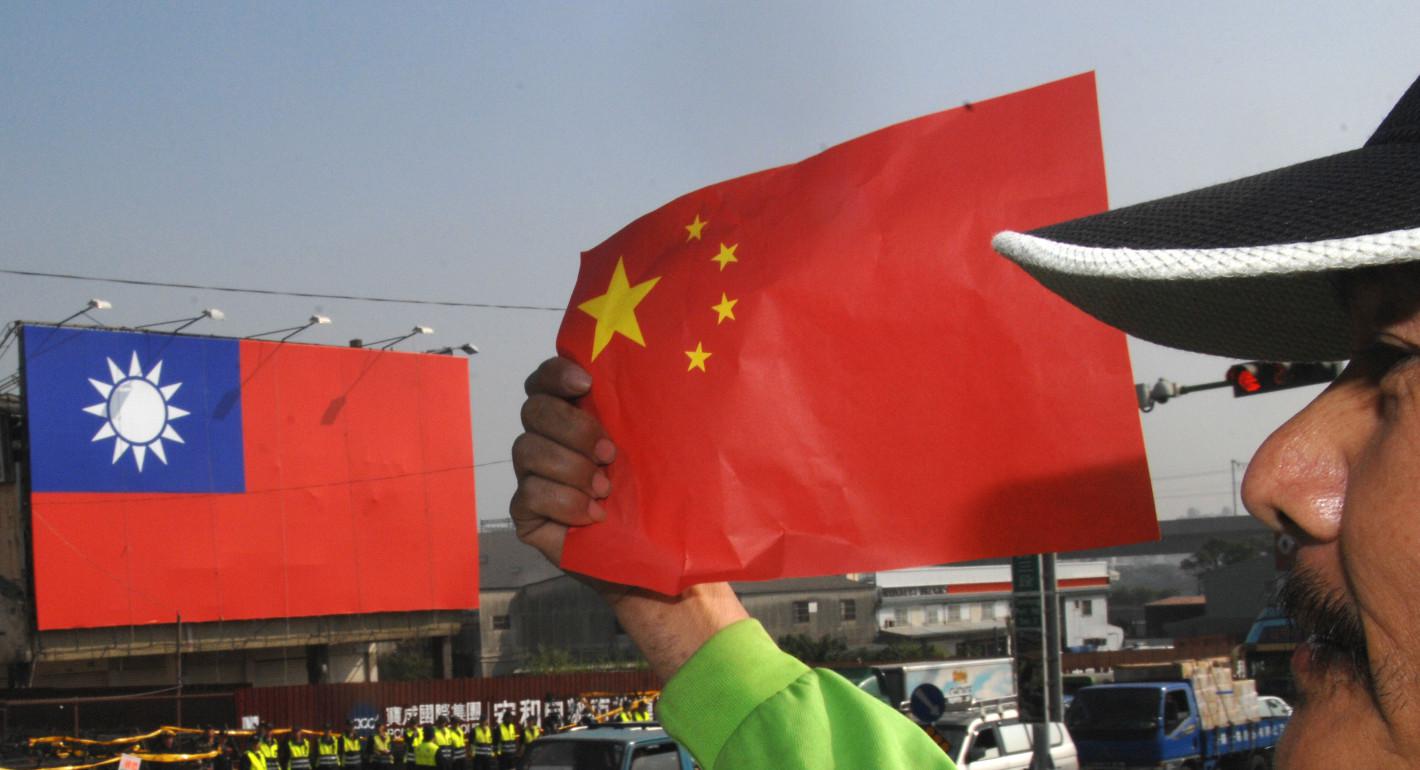
Beijing says that over 180 countries accept its “one China principle” regarding Taiwan, but the reality is more complicated.

Chong Ja Ian

Beijing must choose between preserving its pandemic narrative or facing more unrest.

Paul Haenle
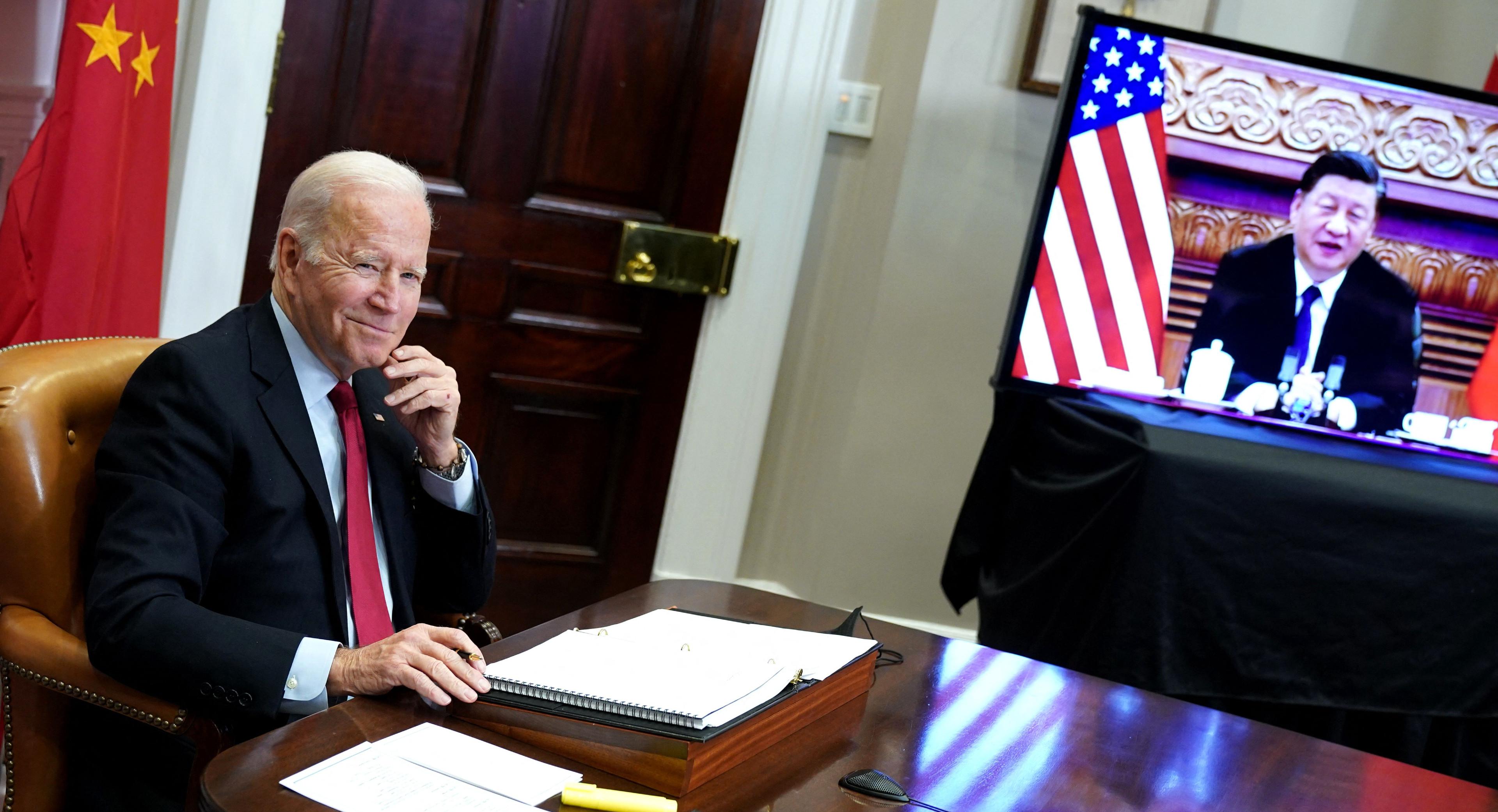
Three months after the Biden-Xi summit, the two sides’ divergent framings of the bilateral relationship are hindering progress.
Paul Haenle, Sam Bresnick

The murder of George Floyd has underscored the deep inequities that have long plagued American society. In a note to the Carnegie community, Bill Burns reflects on Carnegie’s commitment to build a more just future here at home and around the world, without which peace will remain beyond our grasp.

William J. Burns

Biological viruses and computer malware differ in important respects. They have considerable potential to spread widely, invading, disrupting and destroying their targets.

Ariel (Eli) Levite, Lyu Jinghua