

Commentary
While China will remain a significant political and economic force in the Global South, its ambition to leverage the Global South as a counterbalance to the United States and the Global North is far from assured.
Xue Gong

Multilateralism possesses core, non-instrumental values—namely, a spirit of collectivity, inclusivity over exclusivity, and negotiated governance—that distinguish it from other forms of international cooperation.

Nonresident Scholar, Global Order and Institutions Program
Federica D’Alessandra is a nonresident scholar with the Global Order and Institutions Program at the Carnegie Endowment for International Peace.
Ross Gildea
Carnegie does not take institutional positions on public policy issues; the views represented herein are those of the author(s) and do not necessarily reflect the views of Carnegie, its staff, or its trustees.
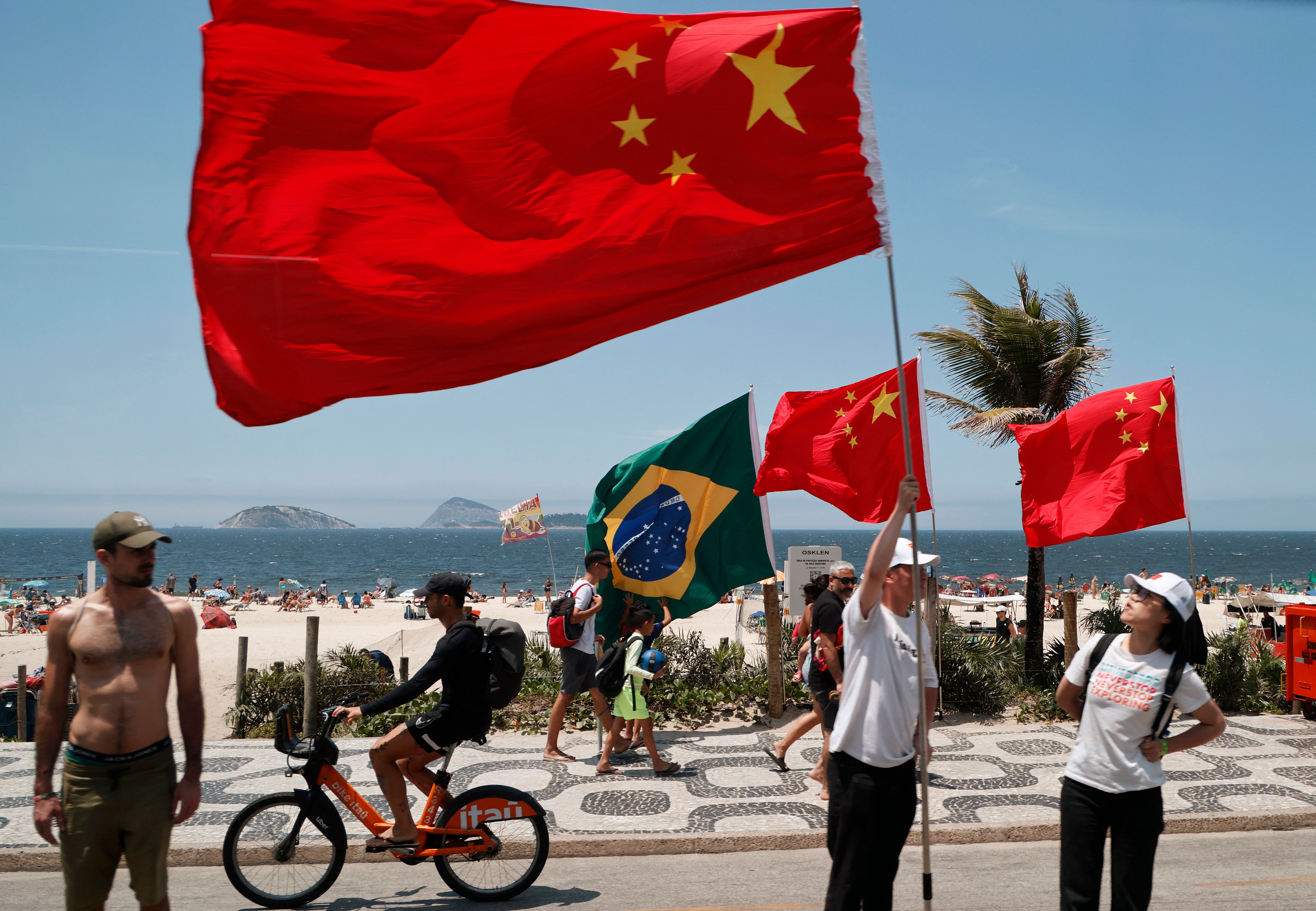
While China will remain a significant political and economic force in the Global South, its ambition to leverage the Global South as a counterbalance to the United States and the Global North is far from assured.

Xue Gong
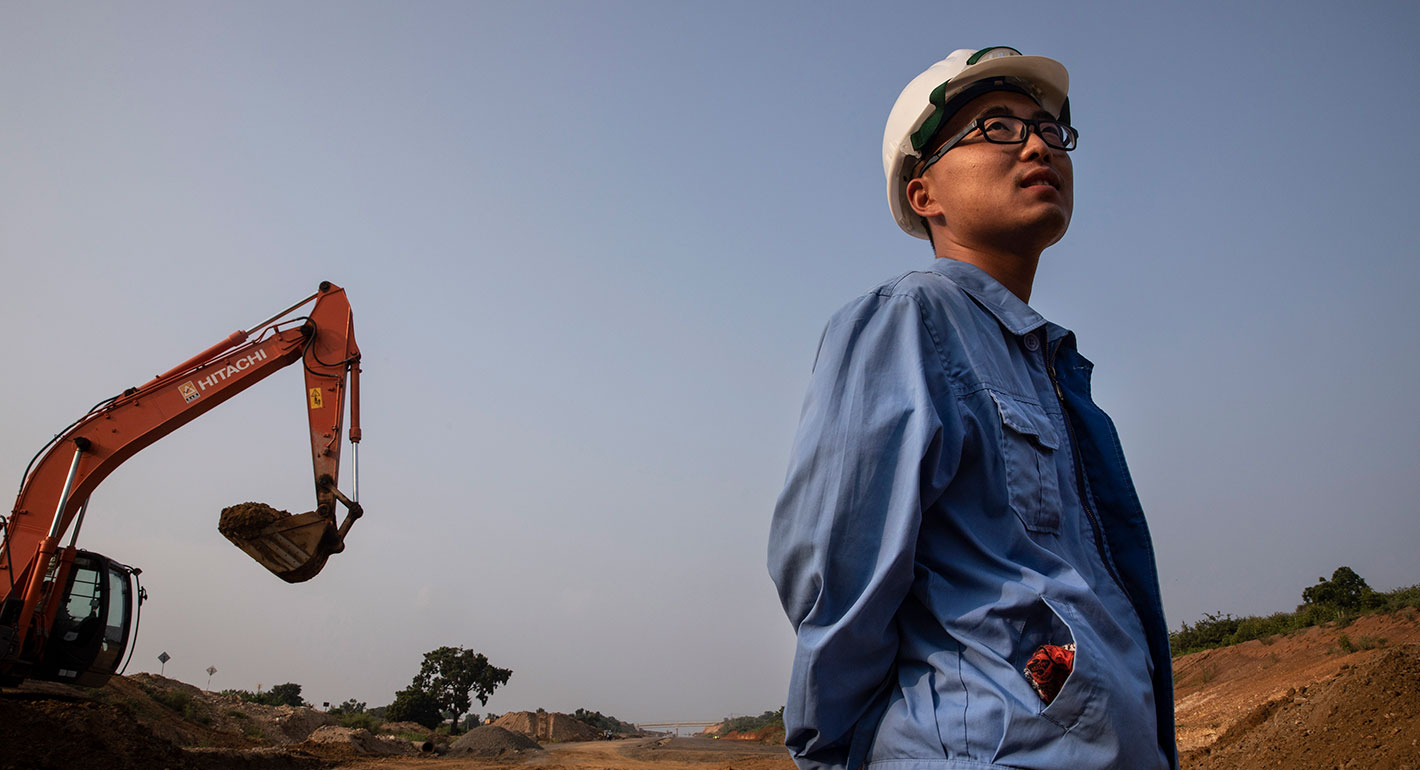
Pitched as a new Silk Road sweeping from Asia to Europe, China’s enormous Belt and Road Initiative is an ambitious, multinational infrastructure project. Experts from four Carnegie global centers explain other countries’ perspectives.


Paul Haenle, Dmitri Trenin, Alexander Gabuev, …
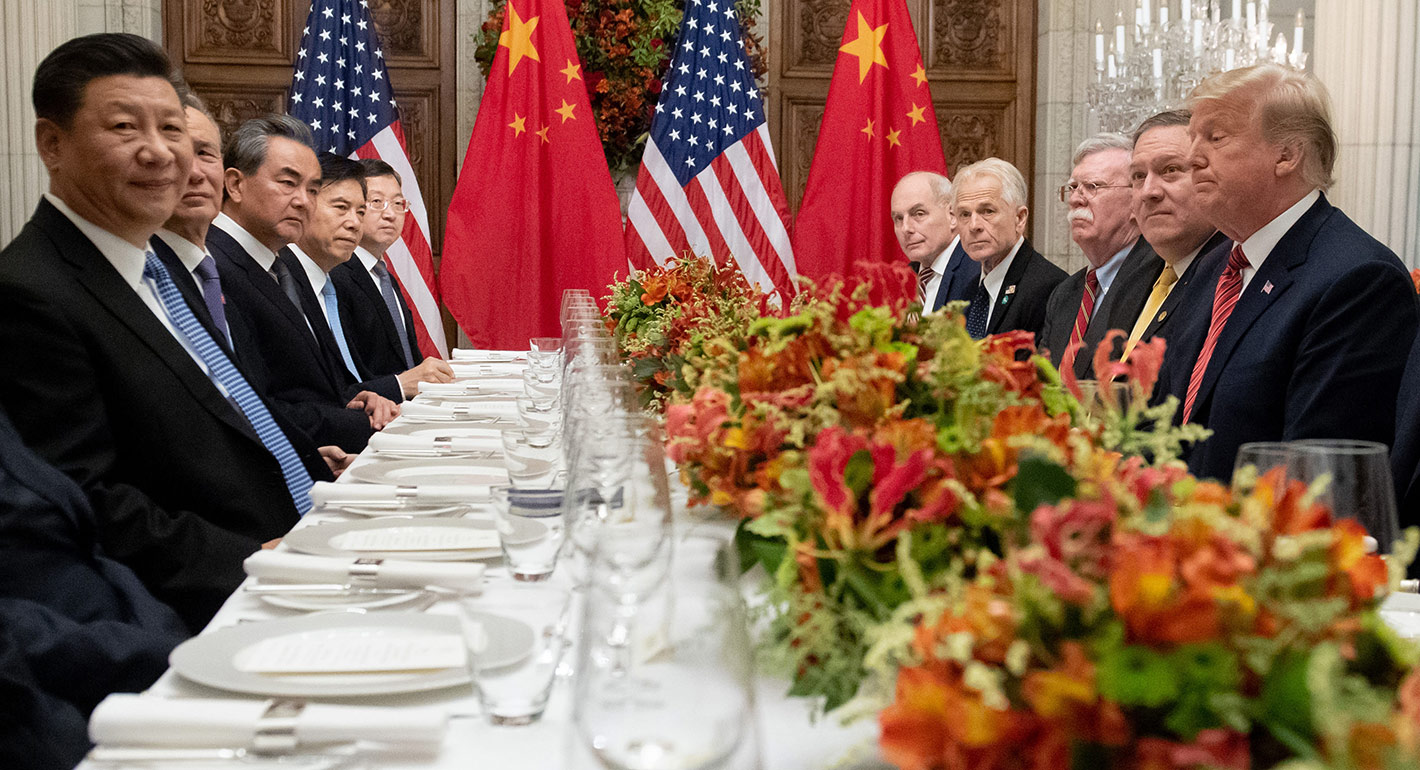
Trump is fixated on the United States’ bilateral trade deficit with China, but the United States–China impasse comes from much deeper differences in perceptions.

Yukon Huang
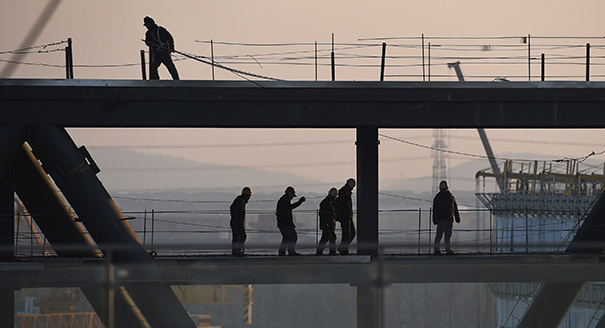
As the Belt and Road Initiative moves forward, countries and local communities more directly in the initiative’s path could learn from Latin American countries’ labor practices.

Matt Ferchen
Before experts can understand China’s growing role in global development finance, and its impact on development outcomes more generally, they must decide on the meaning and content of development itself.
Matt Ferchen