

Commentary
It’s about managing oil prices, bread prices, and strategic partnerships.
- +8
Amr Hamzawy, Karim Sadjadpour, Aaron David Miller, …
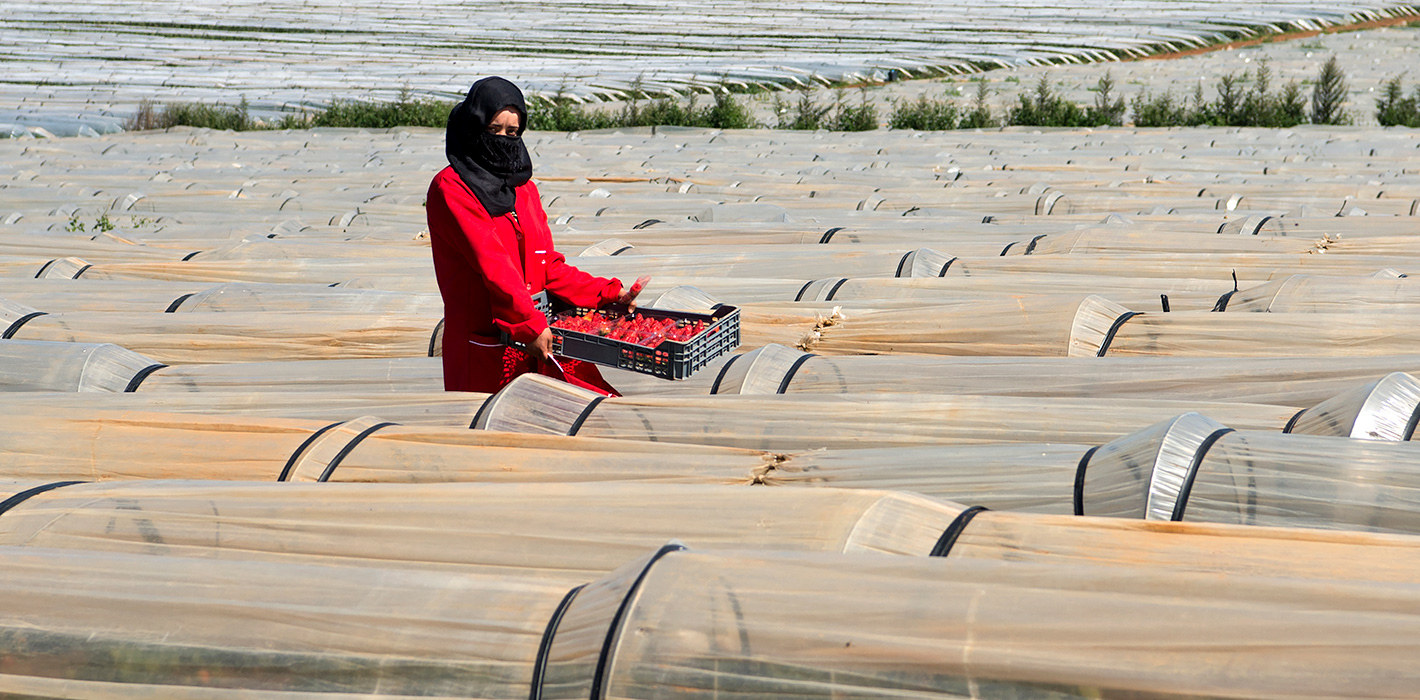
Source: Getty
For Morocco, integrating gender into climate governance is not simply a matter of social justice. It is a strategic imperative for effective adaptation.
Over the past decade, Morocco has positioned itself as a regional and international leader on climate action. The country hosted COP22 in Marrakech in 2016, signaling its ambition to serve as a bridge between developed and developing countries in climate diplomacy. Morocco has since strengthened its climate commitments, pledging to reduce greenhouse gas emissions by 45.5 percent by 2030. This is conditional on international support, and Morocco has adopted a series of national strategies aimed at mitigation, adaptation, and energy transition. These include the National Climate Plan 2022–2030, the national energy strategy, and sectoral plans for agriculture, water, and sustainable development.
Morocco’s climate leadership is often cited as a model among middle-income countries. Large-scale investments in renewable energy infrastructure, such as the Noor Ouarzazate solar complex, have significantly increased the share of renewables in the national energy mix. Institutional mechanisms have also multiplied, including climate coordination units across ministries and reporting frameworks aligned with the United Nations Framework Convention on Climate Change. International partners including the World Bank, the Green Climate Fund, and the European Union have supported these efforts through financing and technical assistance.
Yet Morocco’s climate agenda is largely technocratic. Policy frameworks prioritize emissions reduction targets, infrastructure deployment, and macro-level adaptation planning, while social differentiation—particularly along gender lines—receives limited operational attention. Gender considerations are often framed as crosscutting principles rather than binding requirements, which results in uneven implementation and weak accountability. This disconnect affects who participates in climate decisionmaking, who benefits from adaptation investments, and who bears the costs of environmental change.
Morocco has made notable progress in formal gender equality commitments. The 2011 Constitution enshrines the principle of gender equality and mandates the state to work toward parity. Women’s political representation has improved in parliament and local councils through quota mechanisms, and national strategies such as the Government Plan for Equality (Plan Gouvernemental pour l’Egalité) emphasize women’s empowerment.
However, women remain underrepresented in climate-related decisionmaking bodies. This is particularly so at the regional and local levels where adaptation policies are designed and implemented. Climate strategies are largely formulated within technical ministries and agencies, with limited participation from women’s organizations, rural associations, or informal producers. As UN Women has repeatedly noted, gender-blind climate governance risks reinforcing existing inequalities rather than reducing vulnerability.
This gap between formally recognized equality and practical inclusion is especially pronounced in rural regions, where women’s economic roles are significant but politically invisible. Climate adaptation policies that overlook women’s land rights, labor burdens, and access to resources fail to address the social foundations of resilience. In this sense, gender is not a marginal concern but a central determinant of climate outcomes.
Morocco’s climate governance is characterized by a dense institutional landscape. The Ministry of Energy Transition and Sustainable Development oversees national climate policy, while sectoral ministries—agriculture, water, interior, and economy—implement adaptation measures within their respective mandates. The Climate Change Competence Center (4C Morocco) serves as a national platform for coordination, knowledge-sharing, and capacity building among public institutions, researchers, and civil society.
4C Morocco disseminates climate data, supports vulnerability assessments, and aligns national reporting with international standards. For example, the center has coordinated training programs for local officials on climate risk assessment and supported the development of regional climate plans. However, these initiatives have not systematically integrated gender analysis or ensured meaningful participation of women’s organizations in program design. The emphasis remains on information management rather than on redistributing power within climate governance.
Similarly, national adaptation measures are often framed at a scale that obscures local inequalities. Large infrastructure projects, such as desalination plants, irrigation schemes, and renewable energy installations, are designed to enhance national resilience and economic competitiveness. Yet their social impacts vary considerably across regions and social groups, raising questions about equity, access, and representation.
The Souss-Massa region offers a revealing lens for examining these dynamics. Located in southwestern Morocco, Souss-Massa encompasses coastal zones, fertile plains, and mountainous areas of the Anti-Atlas. The region is a cornerstone of Morocco’s agricultural economy, particularly in export-oriented horticulture, citrus production, and argan oil. Agadir, its main urban center, is also a hub for tourism and agro-industrial processing.
Souss-Massa is also among the regions most exposed to climate stress. Prolonged droughts, declining rainfall, rising temperatures, and groundwater depletion have intensified over the past two decades. According to the World Bank water security analysis, Morocco has fallen below the absolute water scarcity threshold of 500 cubic meters per capita per year. And the Souss-Massa basin has experienced some of the sharpest declines in groundwater levels due to over-extraction and reduced recharge.
Climate vulnerability in Souss-Massa is not evenly distributed. While export agriculture has benefited from irrigation infrastructure, technological innovation, and preferential access to water, small-scale producers and rural households face mounting constraints. These disparities are shaped by land tenure arrangements, market access, and state investment priorities—factors that intersect closely with gender.
Demographically, Souss-Massa has a slight female majority. Women make up approximately 50.4 percent of the region’s population in 2024. This imbalance is heightened in rural areas and is closely linked to sustained male out-migration toward urban centers and other regions.
Men are migrating from rural Souss-Massa due to structural economic factors. Declining agricultural profitability, exacerbated by water scarcity and climate variability, has reduced labor demand in traditional farming. At the same time, investment and employment opportunities are increasingly concentrated in cities and agro-industrial hubs. Men are more likely to migrate in search of wage labor in construction, services, or transport, while women tend to remain in rural communities due to caregiving responsibilities, social norms, and limited mobility.
This demographic shift has profound political and economic implications. Women assume greater responsibility for agricultural production, household management, and community cohesion, yet they do so within institutional frameworks that continue to marginalize them. Increased labor does not translate into increased rights or representation. Instead, women’s expanded roles coexist with persistent exclusion from land ownership, formal credit, and agricultural subsidies.
Land tenure systems play a central role in shaping women’s vulnerability and adaptive capacity. Moroccan law does not explicitly prohibit women from owning land, and constitutional reforms have affirmed gender equality. However, in practice, women’s access to land is constrained by inheritance norms, customary practices, and administrative hurdles.
Collective lands (terres collectives) are particularly significant in rural areas. Historically managed under customary rules, these lands often excluded women from usufruct rights—that is, legal rights to use and benefit from land or property without owning it. Such rights are common in collective and family land systems in rural Morocco. Reforms adopted in 2019, including Law 62-17, formally recognized women’s rights to collective land benefits. While these reforms represent an important legal advance, implementation has been uneven. Many women lack information, legal support, or the administrative capacity to claim their rights.
Beyond formal law, bureaucratic requirements act as de facto barriers. Access to agricultural subsidies, bank loans, and climate-related financing often requires proof of land ownership or long-term tenure—criteria that disproportionately exclude women. These structural constraints limit women’s ability to invest in climate-resilient practices and reinforce their exposure to environmental shocks.
Climate stress has accelerated processes of land concentration in parts of Souss-Massa. Declining water availability and rising production costs have made small-scale farming increasingly precarious. In some cases, households are compelled to lease or sell land to larger operators better equipped to manage risk. While this trend is not uniform, it reflects a broader trajectory in which adaptation favors those with capital and institutional access.
For women, land loss has cascading effects. Land is not only a productive asset but also a source of social status, security, and eligibility for public programs. Losing access to land narrows livelihood options and increases dependence on informal labor or remittances. These dynamics underscore the importance of distinguishing between observed trends and projected risks: though not all women farmers have lost land, current policy trajectories increase the likelihood of such outcomes if affordability and equity are not addressed.
From a gender perspective, these regional contrasts are instructive. In subsistence-oriented regions, women’s vulnerability is tied to poverty and food insecurity. In Souss-Massa, vulnerability is more directly linked to exclusion from high-value adaptation pathways, irrigation networks, export markets, and climate finance domains where resources, decisionmaking power, and economic returns are concentrated. While women play a central role in agricultural and household economies, their underrepresentation in these high-value systems structurally positions them at the margins.
Souss-Massa therefore illustrates a broader national dilemma: climate adaptation strategies that prioritize efficiency and competitiveness may succeed at the macro level, yet reproduce inequality locally. Understanding this tension is essential for designing policies that are both resilient and socially inclusive.
Climate change adaptation in Souss-Massa cannot be understood separate from the region’s political economy. Environmental vulnerability is mediated by economic structures, market incentives, and public policy choices that shape who has access to land, water, and capital.
Souss-Massa is one of Morocco’s most productive agricultural regions. The region supplies a substantial share of Morocco’s citrus fruits and early vegetables destined for European markets. These sectors have benefited from sustained public and private investment, including modern irrigation systems, greenhouse technologies, cold storage facilities, and preferential access to water resources.
From a macroeconomic perspective, export agriculture is often framed as a pillar of national food security, foreign exchange earnings, and rural employment. However, this framing obscures important distributional effects. Large- and medium-sized farms, mainly owned or managed by men, are far better positioned to absorb climate shocks than small producers. They have access to capital, insurance mechanisms, technical expertise, and state support programs, allowing them to adapt through technological upgrading rather than livelihood diversification.
By contrast, small-scale producers, many of whom are women managing family plots, operate at the margins of these value chains. They face rising input costs, declining yields due to water scarcity, and limited bargaining power in markets increasingly dominated by large buyers. Climate adaptation policies that prioritize productivity gains and export competitiveness thus risk entrenching inequality rather than enhancing resilience.
For example, desalinated water is primarily allocated to urban centers and export-oriented farms capable of absorbing higher water costs. Rural households and subsistence producers, particularly women, remain largely excluded from these networks. For women responsible for household water collection and small-scale agriculture, desalination has little direct impact on daily water security. This divergence highlights how adaptation infrastructure can simultaneously enhance national resilience and deepen local inequality.
Agricultural adaptation in Souss-Massa has been strongly influenced by the Green Morocco Plan (Plan Maroc Vert), launched in 2008, and its successor strategy, Generation Green 2020–2030. These initiatives aim to modernize agriculture, increase productivity, and integrate Moroccan farmers into global markets, while also addressing environmental sustainability.
While the Green Morocco Plan formally acknowledged environmental protection and climate vulnerability, its dual-pillar structure ultimately fostered uneven development. Public investment has leaned heavily toward capital-intensive segments, such as large-scale irrigation, mechanization, and export logistics, often at the expense of the broader rural workforce. But these support programs often require formal land titles, minimum plot sizes, or cooperative membership. Women are often unable to meet this criteria due to inheritance practices, fragmented landholdings, and administrative barriers. As a result, adaptation support reaches women unevenly, reinforcing a gender gap in resilience capacity.
By bifurcating support between high-value agribusiness and smallholder farming, the policy missed an opportunity to integrate farm-size equity, water-use efficiency, and gender-inclusive land access—measures that could have prevented widening socioeconomic gaps. Agriculture contributes 15 percent to Morocco’s GDP, yet it employs 40 percent of the total workforce, underscoring a critical reliance that masks a disproportionate distribution of benefits.
Market access further shapes adaptive capacity. Small producers in Souss-Massa typically sell their products through intermediaries who control access to wholesale markets and export channels. These brokers often set prices unilaterally, capturing a significant share of the value added. Women producers, lacking scale and legal recognition, are particularly vulnerable to unfavorable terms of trade.
This market structure limits incentives for climate-resilient investment among smallholders. When producers cannot capture returns from improved practices, adaptation becomes financially unattractive. Attempts to form collective marketing arrangements or producer groups, sometimes described as “forming blocs,” aim to strengthen bargaining power by pooling output and negotiating collectively. However, these initiatives face legal, logistical, and financial constraints, and women’s participation remains limited without targeted support.
In the absence of inclusive public policy, grassroots organizations and cooperatives have tried to fill adaptation gaps. Women-led cooperatives in argan oil, agro-ecology, and small-scale processing have diversified income sources and reduced exposure to climate risk. These initiatives often combine traditional knowledge with climate-smart practices, illustrating the potential of locally grounded adaptation. Evidence from Morocco highlights the role of women’s cooperatives, particularly in the Argan sector, in supporting income diversification and resilience in rural areas.
However, these efforts face structural constraints. Funding is often project-based and short-term, limiting sustainability. Administrative requirements for grants and partnerships can exclude smaller organizations, particularly in rural areas. Visibility remains low, reducing access to markets and policy influence. These challenges are documented in analyses of water governance and resource inequality in Morocco and the wider MENA region, which highlight persistent barriers in access to land, water, and markets affecting smallholder farmers and cooperatives.
Taken together, these dynamics suggest that climate adaptation in Souss-Massa is not merely a technical challenge but a distributive one. Policies designed to enhance resilience can produce divergent outcomes depending on who has access to resources, decisionmaking power, and institutional support. Export-oriented agriculture and large-scale infrastructure projects may stabilize regional production while leaving small-scale, female-led livelihoods increasingly exposed.
Without explicit mechanisms to address land rights, market access, and representation, adaptation risks reproducing the very vulnerabilities it seeks to reduce.
In rural Souss-Massa, women shoulder a gendered set of daily responsibilities that include water collection, food preparation, fuel gathering, caregiving, and participation in agricultural production. These tasks are socially assigned rather than biologically determined, and they expand as climate stress deepens. When rainfall declines and water points dry up, women’s unpaid labor increases, often invisibly.
Rural outmigration has reshaped the demographic and social structure of Souss-Massa. Census data from the High Commission for Planning confirm a sustained decline in rural populations across several Moroccan regions, including Souss-Massa, driven largely by male migrating to cities and coastal hubs. Economic drivers include declining agricultural profitability, growing water scarcity, and limited rural employment opportunities.
As men migrate, women increasingly manage farms, livestock, and household finances. This phenomenon is sometimes described as the “feminization of agriculture,” but this term can be misleading if interpreted as empowerment. In Souss-Massa, feminization often means expanded responsibility without expanded rights. Women assume decisionmaking roles in practice while remaining excluded in law and policy.
In some mountainous and pre-Saharan communes, particularly in the Anti-Atlas foothills, villages now consist largely of women-headed households, elderly populations, and children. This does not reflect improved housing access for women, but rather demographic thinning caused by economic displacement. Women’s increased presence in rural areas signals vulnerability rather than opportunity.
Land ownership is a central determinant of climate resilience. In Morocco, access to land determines eligibility for agricultural subsidies, irrigation programs, credit, and insurance. Yet women’s access to land in Souss-Massa remains severely constrained.
While Morocco’s formal legal framework recognizes women’s inheritance rights, land transmission in practice is governed by a combination of family law, customary norms, and administrative procedures. In many rural areas, women either renounce inheritance rights in favor of male relatives or receive land informally without registration. This results in widespread female land use without legal title.
Estimates from the Ministry of Agriculture suggest that women hold between 7 and 15 percent of registered agricultural land nationally, depending on classification and data source. Bureaucratic hurdles, such as costly registration procedures, lack of legal assistance, and complex documentation requirements, further discourage formalization.
The climate implications are profound. Without land titles, women cannot access state-backed irrigation subsidies, benefit from climate-smart agriculture programs, or use land as collateral for bank loans. Adaptation finance thus bypasses many of the very actors managing climate risk on the ground.
Financial exclusion compounds land inequality. Formal banking is largely inaccessible to rural women due to lack of collateral, irregular income, and limited financial literacy. Climate finance mechanisms, both national and international, tend to replicate these barriers.
Although Morocco has mobilized significant climate finance through multilateral funds and bilateral partnerships, the bulk of these resources flow through central ministries, large utilities, and international implementing agencies. Complex application procedures, language barriers, and reporting requirements create high entry thresholds, which women-led cooperatives and grassroots organizations are often unable to surmount.
This pattern mirrors global trends. Less than 10 percent of global climate finance reaches projects with gender equality as a principal objective. In Morocco, this gap translates into underfunded local initiatives despite strong evidence of their effectiveness.
Climate stress also affects women’s health through indirect pathways. Reduced access to affordable fuel increases reliance on biomass, exposing women to indoor air pollution and respiratory illness. Heat stress, compounded by physical labor and caregiving responsibilities, heightens health risks during longer and hotter summers.
In Souss-Massa, women’s cooperatives experimenting with solar cooking and drying technologies directly address these intersecting challenges. By reducing fuel use and time poverty, these initiatives improve health outcomes while contributing to mitigation goals. However, without integration into public health or energy strategies, these interventions remain localized rather than systemic.
Empirical studies and national surveys show that in drought-affected rural areas of Morocco, women and girls may spend between one and three hours per day collecting water during dry seasons, depending on distance and infrastructure availability. Evidence shows that girls’ involvement in water provision and domestic tasks significantly reduces school attendance and study time, while drought conditions can further disrupt women’s education and access to income-generating activities and public life. At the same time, rural girls face persistent barriers to secondary school completion, with enrollment and retention rates significantly lower than those of boys, particularly in remote areas. Men, particularly those who migrate seasonally or permanently to urban areas, are less exposed to these daily resource-management pressures and often diversify their income through wage labor in fields like construction, transportation, or services.
Educational exclusion undermines future adaptive capacity. Lower levels of education limit women’s access to formal employment, leadership roles, and technical training. Climate vulnerability therefore reproduces itself across generations unless structural interventions break this cycle.
Morocco’s decentralization reforms have expanded the role of regional and municipal councils in development planning, including climate adaptation. However, women’s representation in local governance remains limited. Where women do participate, they are often confined to consultative roles without control over budgets or strategic decisions.
Local water user associations, agricultural boards, and climate committees in Souss-Massa are overwhelmingly male-dominated. This limits the integration of women’s experiential knowledge into policy design. Participation without power leads to tokenism rather than transformation.
The exclusion of women from land, finance, and decision-making is not only a rights issue but also an efficiency problem. Adaptation policies that fail to engage primary resource managers are less likely to succeed. Evidence from Morocco and comparable contexts shows that gender-responsive environmental and climate initiatives, particularly those that support women’s leadership and access to resources, tend to produce more sustainable and inclusive outcomes (UNDP, 2021). Empirical research from Morocco further demonstrates that women’s participation in agricultural cooperatives significantly enhances their economic autonomy, decision-making power, and community engagement, while also improving the effectiveness of local development strategies. Climate justice, in this sense, is not an abstract moral principle but a practical requirement for effective adaptation. Recognizing women as agents rather than beneficiaries is essential to closing the gap between policy ambition and lived reality.
Much of the most effective adaptation in Souss-Massa occurs outside of formal policy frameworks. Women-led initiatives—often informal, underfunded, and locally rooted—have emerged to address gaps left by national and regional strategies. Crucially, these initiatives challenge the assumption that resilience flows from scale and capital intensity. Instead, they demonstrate how low-cost, knowledge-intensive solutions can yield high social returns when embedded in local institutions. Yet their marginal position in policy hierarchies limits their replication and sustainability.
One of the most emblematic examples of women-led adaptation in Souss-Massa is fog harvesting in the Aït Baamrane area. In this mountainous coastal zone, atmospheric humidity from Atlantic fogs provides an untapped water source. With support from NGO Dar Si Hmad, local communities, led in practice by women, have installed mesh fog collectors that capture water droplets and channel them into storage tanks.
According to project evaluations, individual networks can collect between 6,000 and 8,000 liters of water per day during peak fog periods, supplying households, schools, and small-scale agriculture. Women play a central role in maintaining the systems, managing distribution schedules, and resolving disputes.
This initiative exposes two policy gaps. First, national water strategies prioritize dams, desalination, and inter-basin transfers while overlooking decentralized atmospheric water capture, despite its relevance in specific microclimates. Second, women’s governance role in fog harvesting remains informal, excluding them from official water-management bodies. Scaling these systems would require integrating them into basin-level planning and recognizing women’s committees as legitimate water authorities.
Beyond technological innovation, women’s adaptation practices draw on long-standing customary irrigation systems (orf), particularly in the Anti-Atlas. These systems allocate water based on time-sharing, collective responsibility, and sanction mechanisms, ensuring equitable distribution under scarcity. Women’s participation in maintaining canals, enforcing schedules, and transmitting knowledge sustains these systems across generations.
However, modernization policies often marginalize customary systems in favor of drip irrigation and private wells. While efficiency gains are real, the erosion of collective governance weakens social cohesion and excludes women from decisionmaking. Integrating customary institutions into formal water governance could enhance both equity and sustainability.
Energy access is another domain where women-led initiatives address policy blind spots. In arid communes south of Agadir, women’s cooperatives have adopted solar cookers and dryers to reduce reliance on firewood and bottled gas. While precise local estimates vary, evidence from comparable contexts shows that solar cooking technologies can significantly reduce fuel wood consumption, time spent collecting energy, and exposure to indoor air pollution. These initiatives also generate important co-benefits in terms of women’s time savings and environmental conservation.
Some cooperatives now assemble and sell solar cookers locally, creating modest income streams while promoting clean energy. These projects align with Morocco’s renewable energy objectives. But they are not formally integrated into national energy strategies, which prioritize grid-scale solar and wind installations over decentralized, community-managed systems. The absence of financing mechanisms for household-level renewable technologies reflects a broader policy bias toward centralized infrastructure. Incorporating micro-renewables into climate and energy planning could simultaneously advance mitigation, adaptation, and gender equity.
Argan oil production is often cited as a success story of women’s economic empowerment in Morocco. In Souss-Massa, cooperatives in Tiznit, Taroudant, and Chtouka Aït Baha organize thousands of women around argan collection, processing, and commercialization. Income from argan oil has financed education, healthcare, and improved housing for many families.
Yet climate stress threatens this model. Prolonged droughts, rising temperatures, and overgrazing have reduced argan fruit yields, while global demand has driven price volatility. Market intermediaries frequently purchase argan fruit in bulk, store it, and resell it at inflated prices, capturing value that cooperatives cannot negotiate individually.
Women’s inability to form collective purchasing or marketing blocs—formal alliances that pool resources and coordinate pricing—limits their bargaining power. Legal constraints, limited access to working capital, and fragmented cooperative networks hinder coordination. Without policy intervention to support cooperative federations and regulate intermediaries, argan-based livelihoods are vulnerable.
In response, some cooperatives have diversified into honey production, herbal cosmetics, eco-tourism, and organic agriculture. The Tissaliwine Union of Cooperatives near Agadir, for example, combined argan processing with a visitor center and demonstration garden, creating new jobs and reducing dependence on a single climate-sensitive product.
These initiatives illustrate adaptive entrepreneurship rooted in local ecosystems. However, diversification requires technical assistance, marketing support, and upfront investment—services unevenly available to women’s groups. Extension services, public or semi-public systems that provide technical training, advisory services, and technology transfer tend to prioritize medium- and large-scale commercial farms in irrigated horticulture, export citrus, and agro-industry, while women-led cooperatives in remote rural areas receive limited outreach.
Beyond economic adaptation, some initiatives focus on strengthening women’s leadership in local governance. The Women and Sustainable Cities Program, supported by the Cities Alliance, trains women and local actors to participate more effectively in urban and environmental governance processes, including water management and climate-resilience planning in North African municipalities. By providing training in participatory planning, public budgeting, and local advocacy, the program seeks to enhance women’s ability to engage with municipal institutions and influence development priorities.
Evidence from program activities across the region suggests that such capacity-building initiatives can improve women’s participation in community consultations and local environmental planning processes, although systematic evaluations remain limited. In practice, women trained through these initiatives often become intermediaries between communities and local authorities, helping translate household-level concerns, particularly around water access, environmental degradation, and public services, into policy discussions.
These experiences highlight the importance of political capacity alongside technical adaptation. Yet the reach of such initiatives remains uneven, constrained by funding limitations, mobility barriers, and the persistent domestic workload carried by many rural and peri-urban women. Expanding leadership training and ensuring sustained institutional support could therefore play an important role in strengthening gender-responsive climate governance at the local level.
Taken together, these initiatives reveal a pattern: women innovate where policy fails, but innovation alone cannot substitute for structural reform. Local projects mitigate symptoms of vulnerability without addressing root causes such as land inequality, financial exclusion, and underrepresentation.
From a policy perspective, women-led adaptation initiatives should not be treated as peripheral success stories but as diagnostic tools. They expose where formal systems underperform and where alternative governance models emerge organically.
Climate adaptation in Morocco is often treated as a sectoral or technical problem, managed through water infrastructure, agricultural modernization, or energy transition. These interventions are necessary, but they are insufficient when detached from questions of power, access, and inclusion. In Souss-Massa, adaptation outcomes are shaped less by exposure alone than by who controls resources and who participates in decisionmaking.
Women’s vulnerability is not primarily the result of climate hazards but of institutional arrangements that restrict their adaptive capacity. Limited land ownership, financial exclusion, and underrepresentation in local governance reduce women’s ability to respond proactively to environmental change. As a result, adaptation becomes reactive, household-based, and fragile.
Recognizing adaptation as a governance challenge shifts the policy focus from beneficiaries to institutions. It highlights the need to reform the rules that determine access to resources and influence, rather than simply compensating for exclusion after the fact. Public advocacy and climate governance education initiatives that strengthen civic engagement and shape discourse on equitable resource management can support institutional reform.
Women’s underrepresentation in climate governance undermines both legitimacy and effectiveness. Local water-user associations, agricultural boards, and municipal planning committees in Souss-Massa are predominantly male, even as women manage daily resource use. Where women participate, their roles are often consultative.
Institutionalizing women’s representation in climate governance bodies—through quotas, leadership programs, and capacity-building initiatives—would strengthen accountability and policy relevance. Programs such as Tawazon demonstrate that when women receive training in governance and budgeting, they can influence policy outcomes. Scaling such initiatives would help close the gap between participation and power.
While Morocco has successfully mobilized international climate funding, access is largely concentrated among central ministries, accredited public agencies, and large-scale infrastructure projects. Women-led cooperatives and grassroots initiatives in Souss-Massa operate mostly outside these funding streams, despite their demonstrated impact on local resilience. Bridging this gap requires targeted financial instruments, including dedicated funding windows for women-led adaptation projects, simplified application procedures, and technical assistance for grant management to improve equity and effectiveness. Partnering with local banks and microfinance institutions to offer concessional loans for climate-resilient activities—such as water-saving technologies, renewable energy, and value-chain diversification—could further expand women’s adaptive capacity. Crucially, climate finance should be accompanied by gender-disaggregated reporting requirements to track who benefits from public and international investment. Without such data, gender mainstreaming risks remaining rhetorical rather than operational.
The limited reach of climate finance to women-led initiatives in Souss-Massa is not only a question of resource scarcity, but also of institutional design. Morocco’s climate finance architecture channels international funding through central institutions and large implementing partners to enhance fiduciary oversight and alignment with national priorities. While effective at the macro-level, this structure creates high entry barriers for subnational actors. Multilateral climate funds such as the Green Climate Fund and the Adaptation Fund typically require accredited entities to manage resources and comply with complex reporting standards. In Morocco, accreditation is concentrated among national institutions and international organizations, effectively excluding local cooperatives and grassroots associations from direct access. Women-led initiatives in Souss-Massa thus engage climate finance indirectly, if at all, through projects designed and administered by external actors, including international NGOs, donor agencies, and foreign technical partners. This intermediary model has important gender implications: project design decisions, technology choices, beneficiary criteria, and geographic targeting are often made upstream, before local consultation occurs. Consequently, gender considerations are typically incorporated at the implementation stage rather than structurally, limiting their influence on resource allocation and program priorities.
Moreover, climate finance remains closely aligned with capital-intensive infrastructure and measurable emissions reductions, favoring sectors such as energy, water supply, and large-scale agriculture. While these investments are essential, they leave limited space for financing social and institutional adaptation, including women’s leadership, legal empowerment, and collective organization—dimensions critical to adaptive capacity at household and community levels. International evidence demonstrates that climate projects with strong gender integration achieve more durable outcomes, particularly in water management and livelihood diversification. Translating this evidence into practice in Morocco requires rethinking project content and governance channels. Dedicated funding windows for women-led adaptation, simplified regional access mechanisms, and partnerships with local financial institutions could bridge the gap between national climate ambition and local gender realities. Without these adjustments, climate finance risks reinforcing existing hierarchies of access and expertise, limiting its transformative potential in regions like Souss-Massa.
Although Morocco’s legal framework does not formally prohibit women from owning land, the interaction of inheritance practices, customary norms, and administrative procedures produces systematic gender disparities in land registration. This exclusion has direct climate implications: without secure land rights, women cannot access irrigation subsidies, climate-smart agriculture programs, or formal credit.
From a policy perspective, incremental legal reforms are insufficient without administrative redesign. Simplifying land registration procedures, subsidizing titling costs for women, and providing legal assistance in rural areas would enhance both gender equity and climate resilience. These measures would also improve the efficiency of public investment by ensuring that adaptation support reaches active land managers rather than remaining concentrated among established elites.
Effective gender-responsive adaptation depends on robust data. While Morocco’s statistical system has improved, gaps remain in sex-disaggregated data on land ownership, time use, climate impacts, and adaptation beneficiaries. These gaps obscure gendered vulnerabilities and hinder targeted policy design.
Developing a regional “Gender and Climate Atlas” for Souss-Massa—drawing on data from the High Commission for Planning, sectorial ministries, and academic institutions—could support evidence-based decision making. Integrating gender indicators into climate monitoring frameworks would also enable evaluation of policy effectiveness over time.
Gender-disaggregated climate data should be shared through coordinated reporting systems linking municipal, regional, and national planning bodies to ensure consistent monitoring and accountability across governance levels.
Climate change increases income volatility, particularly for households dependent on rain-fed agriculture and livestock. Women-headed households are especially exposed. Yet social protection mechanisms remain weakly linked to climate risk.
Expanding adaptive social protection, such as drought-responsive cash transfers and subsidized insurance schemes for crop loss and livestock mortality, would enhance resilience. Community-based insurance models, supported by public subsidies, could spread risk while remaining accessible to women’s groups. Clear regulatory frameworks and public co-financing would be essential to ensure sustainability and trust.
Climate change in Souss-Massa is both an environmental and a governance test. Women bear a disproportionate share of climate impacts. Yet they also manage many of the systems—water, food, energy, and care—that sustain household and community resilience. Excluding them from land rights, finance, and decision-making weakens adaptation outcomes for society as a whole.
For Morocco, integrating gender into climate governance is not simply a matter of social justice. It is a strategic imperative for effective adaptation. Empowering women enhances institutional legitimacy, improves resource management, and anchors climate action in lived realities.
As climate pressures intensify, the choice is not between equity and efficiency. In Souss-Massa, as elsewhere, resilience will depend on aligning the two.
Fadwa Rajouani
Researcher
Fadwa Rajouani is a researcher specializing in migration and development with a particular focus on the links between climate change and migration in the Souss-Massa region of Morocco. She holds a master’s degree in tourism and communication, with research on the transition “from tourist to immigrant” in Agadir, Morocco, and a bachelor’s degree in English language and literature.
Carnegie does not take institutional positions on public policy issues; the views represented herein are those of the author(s) and do not necessarily reflect the views of Carnegie, its staff, or its trustees.
It’s about managing oil prices, bread prices, and strategic partnerships.



Amr Hamzawy, Karim Sadjadpour, Aaron David Miller, …
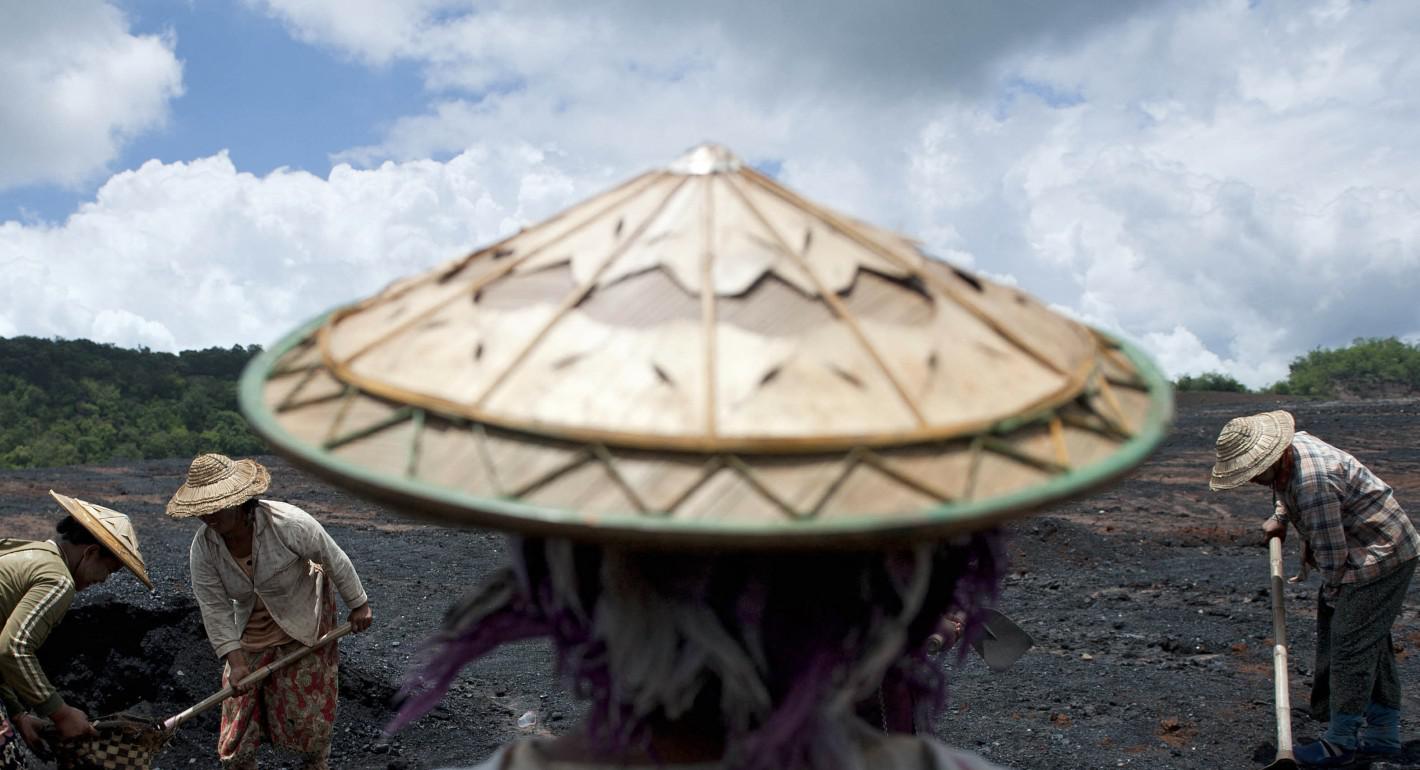
Chinese economic players in Myanmar initially relied on ties to the government and ruling elites. Faced with controversy, they turned to actors that local communities trust and listen to as de facto partners and informal advisers.

Xue Gong
China is on course to lead the world in the deployment of nuclear power technology by 2030. Should it succeed, China will assume global leadership in nuclear technology development, industrial capacity, and nuclear energy governance.

Mark Hibbs

The days of simply sticking a pipe in the ground and tapping a pool of easy-to-handle and profitable crude oil are fading. Changing resources require people challenge conventional thinking on oil.

Deborah Gordon
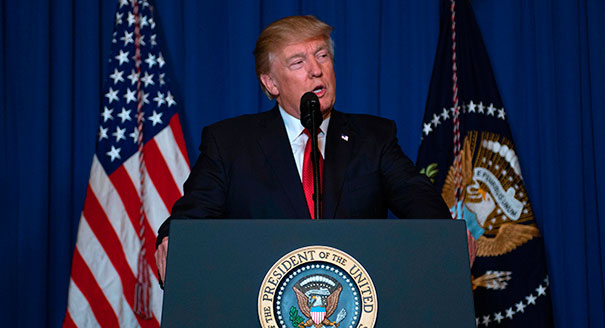
It remains to be seen whether recent foreign policy pivots by the Trump administration amount to a departure from its earlier views about America’s role in the world.

William J. Burns