

Commentary
The advantage that China has over other global powers, especially America, is that its foreign policy is closely aligned with those of many of the Middle Eastern countries.
Jin Liangxiang, Maha Yahya, Hesham Alghannam
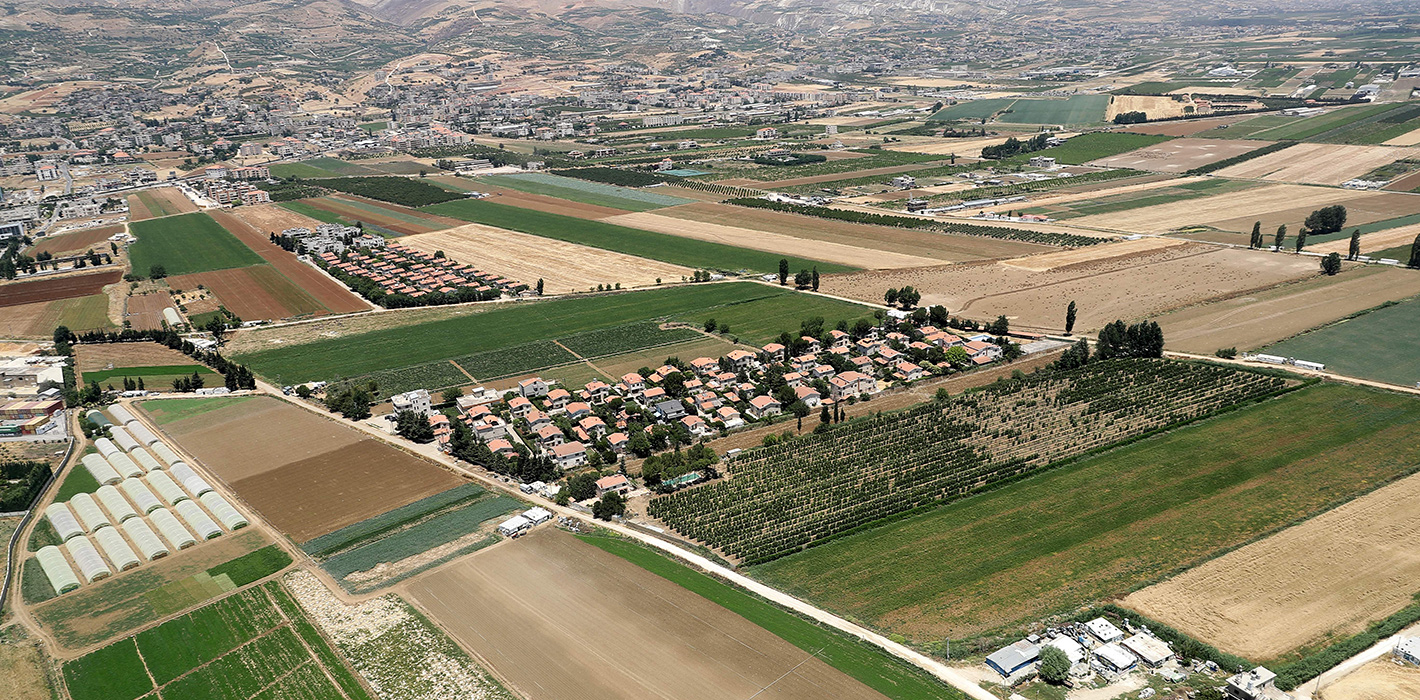
Source: Getty
When municipalities and local actors are empowered with regulatory authority, knowledge, and resources, they can fill critical governance gaps.
Lebanon stands at the intersection of environmental degradation, economic collapse, and political paralysis, making an inclusive climate and energy transition difficult to achieve. But through answering two central questions—grounded in theories of environmental justice, political ecology, and postcolonial critique—concrete steps toward such a transition rise to the forefront: Who controls access to climate knowledge, financial and natural resources, and decisionmaking power? And how is the climate space being used to either empower or marginalize different social groups?
A qualitative analysis of policy documents, NGO reports, academic literature, and stakeholder interviews reveals a highly stratified climate governance system in Lebanon. Decisionmaking authority and climate resources are largely monopolized by political elites, international donors, and foreign-funded NGOs, often sidelining rural communities, refugees, and youth. Global climate discourse is frequently appropriated for political gain, with the terms “green transition” and “sustainability” employed more as performative rhetoric than transformative policy.
Yet grassroots actors—including youth-led movements, local NGOs, and community-based initiatives—are actively contesting this dynamic. They are reclaiming climate narratives, generating localized knowledge, and creating alternative pathways to environmental engagement and sociopolitical empowerment.
By intentionally supporting these initiatives, a more just, participatory, and inclusive climate transition could be realized. Broad recommendations include decentralizing environmental governance, investing in climate education, ensuring open access to data, and protecting environmental defenders. Regardless of which pathway Lebanon takes, the country will continue to serve as a critical case for understanding how climate justice is negotiated in fragile and unequal contexts within the Global South.
Climate justice offers a critical lens through which to examine the ethical, social, and political dimensions of climate change. Unlike approaches that focus solely on carbon reduction or economic efficiency, climate justice emphasizes power relations, historical responsibility, and the rights of vulnerable populations to access knowledge, resources, and decisionmaking in mitigation and adaptation initiatives.
Climate justice offers a critical lens through which to examine the ethical, social, and political dimensions of climate change.
Lebanon represents an acute case. Geographically, the country is highly vulnerable to climate-induced hazards such as prolonged droughts, rising temperatures, water scarcity, and soil degradation. Politically, Lebanon is characterized by sectarian fragmentation, institutional weakness, and prolonged governmental paralysis. Economically, the country is plagued by inequalities exacerbated by the 2020–2025 collapse, undermining the state’s capacity to respond to climate and energy crises. These overlapping dynamics have created a context in which central climate governance is highly politicized and unequal.
Sustainable energy transitions, including the shift to renewable energy and energy efficiency measures, are promoted globally as solutions to both climate mitigation and development goals. However, in Lebanon, these transitions unfold within a context of deep structural inequalities and a highly centralized governance system shaped by long-standing political and economic power structures. Donor-driven energy programs often operate through national institutions and market actors closely aligned with these power networks, which can result in limited reach to marginalized communities. At the same time, a narrow group of entrenched political actors and affiliated economic interests—operating within sectarian power-sharing arrangements—have increasingly adopted sustainability and green transition narratives to secure external funding, investment, and political legitimacy. In the absence of comprehensive institutional reform and inclusive policy design, these dynamics risk reinforcing existing social and economic disparities rather than addressing them.
In the face of these challenges, local authorities have become pivotal actors in the energy transition. Municipalities, unions of municipalities, and local cooperatives are leveraging decentralized renewable energy solutions to address the intertwined crises of energy insecurity, water scarcity, and agricultural instability. Legal instruments, such as Law 318/2023 on Distributed Renewable Energy, combined with Sustainable Energy Access and Climate Action Plans (SEACAPs), enable municipalities to implement solar-powered irrigation systems, microgrids, and rooftop photovoltaic (PV) projects, linking energy access to social equity and climate resilience.
Energy communities have also emerged—locally based, collectively governed energy initiatives in which citizens, municipalities, small businesses, or other local actors jointly invest in, own, and manage renewable energy systems. These initiatives, such as the TESSA project—financed by the Italian government, led by the Institute for University Cooperation (ICU), and implemented by the Lebanese Association for Energy Saving and for the Environment (ALMEE)—offer a decentralized and participatory approach to energy production, consumption, and governance. The TESSA project supported Lebanon’s energy transition through policy dialogue and technical guidance on energy efficiency, renewable energy, and community-based energy systems. By enabling local populations to co-own renewable energy infrastructure—such as solar PV combined with storage and smart management systems—energy communities help ease energy poverty, reduce dependence on polluting diesel generators, and strengthen local resilience. Importantly, they also redistribute decisionmaking power away from centralized actors toward communities that have historically been excluded from energy planning, thereby supporting more equitable and inclusive energy transitions.
Thus, in recognition of these dynamics, climate justice in Lebanon must be understood as multiscalar, encompassing local, national, and global dimensions. International actors—donors, NGOs, and multilateral institutions—shape the parameters of knowledge and funding, often privileging specific technical solutions over community needs. And at the national level, ministries and political elites control regulatory frameworks and resource allocation. But locally, communities—particularly those affected by energy poverty, agricultural vulnerability, and environmental degradation—are having some success in navigating access to resources in contexts of marginalization and exclusion.
The concept of energy democracy emphasizes that energy systems should be controlled by impacted communities rather than political elites or external donors.
The concept of energy democracy emphasizes that energy systems should be controlled by impacted communities rather than political elites or external donors. In Lebanon, energy communities operationalize this principle by creating local governance structures, transparent decisionmaking, and mechanisms for reinvesting benefits into the community, thereby strengthening local agency and climate resilience.
Two central research questions help illuminate the structures and realities shaping climate justice in Lebanon. The first question examines who has access to climate knowledge, natural and financial resources, and decisionmaking authority within the country. Investigating this access exposes the distribution of power among state institutions, international donors, NGOs, academic actors, and local communities, highlighting how this distribution influences participation, resource allocation, and the implementation of climate and energy initiatives. The second question focuses on how Lebanon’s climate space—encompassing policy arenas, local initiatives, and public discourse—is used to either empower or marginalize different social groups. This question addresses the mechanisms through which climate knowledge, narratives, and opportunities are circulated and controlled, providing insight into the ways in which communities can either be included in or excluded from meaningful climate action.
The analysis reveals the processes and mechanisms through which climate inequality is produced, maintained, and contested in Lebanon, particularly the role of political, economic, and social structures. It also highlights how sustainable energy transition measures—involving decentralized renewable energy, energy communities, and participatory planning—either reinforce existing social inequalities or serve as tools for more equitable access to resources and empowerment. Finally, it uncovers actionable policy recommendations that can guide the development of an inclusive, participatory, and just climate and energy transition in Lebanon. These recommendations are intended to support the design and implementation of initiatives that strengthen local governance, promote energy democracy, enhance climate literacy, and ensure that marginalized groups—including rural communities, refugees, and youth—are active participants in shaping the country’s climate future.
A qualitative, multimethod approach was used for the analysis to capture the complex and multiscalar landscape of climate justice in Lebanon. National climate and energy strategies, environmental policies, and donor reports were systematically examined to trace knowledge flows, resource allocation, and the structures of decisionmaking authority. Key documents included Lebanon’s Nationally Determined Contributions, the National Renewable Energy Action Plan, and the National Energy Efficiency Action Plan. In addition, documents related to municipal-led energy initiatives were analyzed to understand local governance arrangements, legal frameworks, participatory planning mechanisms, and the operationalization of decentralized renewable energy projects. The analysis provided insight into how local energy projects contribute to equitable energy access, climate resilience, and the integration of energy, water, and agricultural management strategies.
This document examination was coupled with an extensive review of academic literature in the fields of environmental justice, political ecology, and energy transitions. The review established a conceptual framework for understanding the intersections of power, inequality, and environmental governance, situating Lebanon’s climate challenges within broader theoretical and comparative contexts.
Semi-structured interviews were also carried out with ministry officials, NGO representatives, academics, and grassroots activists to explore perceptions of access to climate knowledge and resources, the dynamics of marginalization, and the processes of participation in climate and energy decisionmaking. Interview data were systematically coded to identify recurring themes related to governance, empowerment, and barriers to equitable climate action.
To reinforce the findings, case studies of energy poverty in rural Lebanon were conducted to illustrate the tangible implications of unequal access to energy. These cases examined off-grid communities, agricultural settlements reliant on diesel pumps, and areas with limited grid connectivity, highlighting how energy insecurity reinforces social inequalities and constrains local development.
Lastly, the initiatives of energy communities were examined through the lenses of energy democracy, participatory planning, decentralized renewable energy systems, sociotechnical transitions, and gender-inclusive approaches. Drawing on the TESSA project guidelines and interviews with ALMEE and ICU representatives, this analysis explored how energy communities can operationalize inclusive governance, empower local actors, and integrate social equity into the design and management of renewable energy projects.
Environmental governance in Lebanon is highly centralized, with the Ministry of Environment and the Ministry of Energy and Water serving as the primary state institutions responsible for climate and energy policy. Both ministries depend heavily on foreign funding and technical assistance, a reliance that underscores the country’s limited institutional capacity and the chronic weakness of state structures. The Ministry of Environment, for example, has historically faced challenges in enforcing environmental regulations, implementing climate mitigation programs, and coordinating across sectors due to bureaucratic inefficiencies, under-resourced staff, and political interference. Similarly, the Ministry of Energy and Water has struggled to expand renewable energy access, regulate electricity provision, and address energy poverty, often relying on donor-led initiatives to fill gaps in governance.
Lebanon’s environmental and energy governance is deeply shaped by sectarian politics and patronage networks.
Lebanon’s environmental and energy governance is deeply shaped by sectarian politics and patronage networks, which concentrate decisionmaking power among a small group of political elites. This highly politicized system limits transparency and curtails meaningful community participation, creating structural barriers for ordinary citizens to influence policy or access resources. Decisionmaking authority is often exercised to reinforce political allegiances rather than to address social needs, resulting in the uneven distribution of climate and energy benefits. Rural populations, refugees, and youth are disproportionately marginalized under this system, with limited access to decisionmaking channels, technical expertise, or financial resources.
Even large-scale energy initiatives—such as the now defunct National Energy Efficiency and Renewable Energy Action loan program, previously launched by the Bank of Lebanon in collaboration with the Ministry of Energy and Water and international partners—illustrate these structural inequities. While designed to incentivize private investment in sustainable energy, these programs often remain inaccessible to smallholder farmers, low-income households, and informal settlements due to a combination of bureaucratic complexity, high up-front costs, and lack of technical knowledge. As a result, the potential for renewable energy to contribute to social equity and climate justice is constrained, highlighting the need for reforms that decentralize authority and integrate local knowledge and participation into policy and project design.
In this context, the concentration of power among elites not only perpetuates inequalities in access to climate knowledge, finance, and technology but also shapes public narratives around environmental action. Elite-driven discourse often emphasizes performative commitments to “green growth” or “sustainability” without corresponding implementation on the ground, further limiting the empowerment of marginalized communities. Addressing these systemic challenges is essential for promoting a more inclusive and equitable climate and energy transition in Lebanon, ensuring that both policy and practice reflect the needs of the most vulnerable populations.
International actors play a dominant role in Lebanon’s climate and energy sectors, providing critical financial resources, technical assistance, and programmatic expertise. Primary actors have included the EU, United Nations Development Programme, World Bank, the now-shuttered U.S. Agency for International Development, and various bilateral donors. These organizations have funded a wide range of initiatives, from renewable energy deployment and energy efficiency programs to climate adaptation projects and municipal capacity building. Their contributions are essential, especially in a context where domestic resources are severely constrained and national institutions face institutional and financial fragility.
However, the involvement of international donors has its challenges. Projects are often designed in alignment with donor priorities, timelines, and technical frameworks, which may not always correspond to local needs, cultural contexts, or existing governance structures. This top-down approach can inadvertently marginalize communities, limiting their ability to influence project design, participate meaningfully, or benefit equitably from interventions. Local concerns—such as energy affordability, water access, agricultural resilience, or gender inclusion—may be deprioritized in favor of achieving donor-driven targets, such as meeting pre-defined megawatt installation quotas, reporting short-term greenhouse gas emission reductions, increasing the number of “bankable” renewable energy projects, or demonstrating compliance with international climate frameworks that include, for example, Nationally Determined Contributions, Sustainable Development Goal indicators, or results-based financing metrics required by external funders.
Foreign-funded NGOs, such as the Pax Foundation, occupy a similarly complex position. These organizations frequently have privileged access to international climate networks, funding channels, and technical expertise, positioning them as intermediaries between donors and local communities. While they play a critical role in project implementation, capacity building, and advocacy, this positioning also creates a hierarchical structure within Lebanon’s climate governance. Community-based organizations and grassroots initiatives, which often possess deep contextual knowledge and strong local relationships, are frequently limited to operational roles, implementing projects that are designed and controlled externally rather than internally.
Dependency on foreign-funded NGOs has implications for climate justice. When local knowledge and marginalized voices are overlooked, interventions risk exacerbating inequalities.
This dependency on foreign-funded NGOs and donor-led initiatives has implications for climate justice. When local knowledge, sociopolitical realities, and marginalized voices are overlooked, interventions risk exacerbating inequalities rather than addressing them. For instance, renewable energy programs may target more accessible urban areas or politically connected municipalities while leaving rural, refugee, or low-income communities underserved. Similarly, energy efficiency programs may fail to account for local technical capacities or the financial realities of households dependent on informal energy markets.
Yet, despite these limitations, international donors and NGOs have the potential to support more equitable outcomes if programming is deliberately designed to integrate participatory mechanisms, local governance structures, and inclusive decisionmaking processes. Energy communities, for example, represent an entry point for international actors to combine donor resources with local agency and community engagement. The relationship between political elites and international donors/NGOs is pivotal: While elites control access and influence, international actors can design interventions that channel resources through local communities, embedding participatory governance to ensure equitable distribution of renewable energy and climate adaptation benefits. By aligning donor resources with community empowerment goals, projects can navigate elite control and simultaneously advance sustainability and social justice.
Lebanon’s academic institutions play a crucial role in producing knowledge on environmental sustainability, climate change, and energy transitions. Universities such as the Lebanese University, American University of Beirut, Lebanese American University, and Saint Joseph University conduct research that spans renewable energy technologies, climate adaptation strategies, environmental policy, and socioeconomic impacts of energy access. This research provides valuable insights into the technical, social, and governance dimensions of Lebanon’s climate and energy challenges.
Nonetheless, a significant gap remains between academic research and practical application. Much of the work produced in universities is confined to scholarly publications, conferences, or policy reports, and it rarely reaches local communities in a usable form. This limits the translation of technical findings into actionable guidance for rural municipalities, energy cooperatives, informal settlements, or civil society organizations that could directly benefit from locally adapted solutions. Moreover, academic curricula often emphasize theoretical frameworks over applied skills, constraining the capacity of graduates to engage effectively in community-based energy initiatives or policy implementation.
Partnerships with international universities and global think tanks offer opportunities to strengthen capacity, foster innovation, and introduce new methodologies, particularly in areas such as smart grids, climate modeling, and decentralized renewable energy. However, these collaborations need to avoid inadvertently introducing Western-centric frameworks that fail to consider Lebanon’s complex sociopolitical realities. Models developed for highly regulated and stable governance contexts may not align with Lebanon’s fragmented, sectarian, and under-resourced institutional environment. Likewise, these frameworks may overlook the unique vulnerabilities of refugee populations, informal settlements, and rural farming communities, leading to technical recommendations that are infeasible or inequitable in practice.
Academic institutions also have the potential to bridge technical knowledge and local implementation when they actively engage with municipalities, NGOs, and grassroots movements. Initiatives such as co-designed energy research projects, participatory action research, and collaborative capacity-building programs can bridge the gap between theory and practice. Through these approaches, universities can contribute not only technical expertise but also policy guidance, training programs, and localized solutions that empower communities to participate in the energy transition.
In support of energy communities and participatory energy planning, universities can conduct feasibility studies, design decentralized renewable energy systems, evaluate social and gender inclusivity, and monitor impacts. When academic knowledge is embedded into collaborative, multistakeholder projects, it becomes a powerful tool for advancing climate justice, enhancing local resilience, and ensuring that technical innovations are aligned with community needs and sociopolitical realities.
Marginalized populations in Lebanon—comprising Syrian and Palestinian refugees, rural farmers, and residents of informal settlements—are disproportionately vulnerable to climate and energy shocks. Over 1.5 million Syrian refugees and 222,000 Palestinian refugees reside in informal settlements characterized by precarious infrastructure, limited access to electricity, and insufficient water and sanitation services. Their exposure to extreme weather events, energy insecurity, and economic precarity amplifies existing social inequalities. Rural communities, particularly in regions like the Bekaa Valley, face decreasing water availability, soil degradation, and heightened climate variability, which directly impacts agricultural livelihoods and food security.
Women and girls, particularly in refugee settlements and rural communities, face disproportionate impacts from energy and climate shocks.
Women and girls, particularly in refugee settlements and rural communities, face disproportionate impacts from energy and climate shocks due to limited access to energy, economic constraints, and social norms that restrict participation in decisionmaking. Integrating gender-sensitive approaches—such as ensuring women’s leadership in governance, technical roles, and training programs—strengthens empowerment, equity, and social cohesion. Considering intersectional factors such as age, displacement status, and socioeconomic position further ensures that energy and climate interventions address the needs of the most vulnerable and advance inclusive, locally grounded solutions.
Despite donor-led interventions promoting solar irrigation, drought-resistant crops, and energy efficiency measures, these programs often fail to reach marginalized populations. Limitations in funding, inadequate extension services, bureaucratic barriers, and the absence of participatory governance mechanisms restrict the effectiveness and inclusivity of such interventions. Consequently, these populations remain on the periphery of decisionmaking processes, with little agency over how resources are allocated or energy and climate policies are implemented.
Energy communities present a transformative approach to address these gaps, providing marginalized populations with tangible agency over energy resources. These communities operationalize the principles of energy democracy by embedding decisionmaking power within the hands of those directly affected. By participating in governance structures, operational decisionmaking, and cooperative management, refugees, rural populations, and youth can challenge elite control and actively shape localized energy systems, bridging the divide between technical expertise and sociocultural realities.
The integration of TESSA project guidelines reinforces this inclusive approach by explicitly mainstreaming gender and ensuring the involvement of marginalized groups in all stages of energy community governance. Women’s participation in leadership, training, and operational roles helps ensure that energy benefits are equitably distributed and that interventions address both social and technical priorities. Youth-led initiatives further contribute to climate literacy, local knowledge generation, and community mobilization, expanding the reach and sustainability of energy solutions.
Municipalities, such as Bchaaleh and Ain Ebel, are increasingly facilitating energy communities as vehicles for equitable energy access. By implementing decentralized renewable energy systems, including solar microgrids, peer-to-peer electricity trading, and cooperative ownership models, local authorities are actively redistributing decisionmaking power from political elites to rural and refugee communities. Coupled with structured planning frameworks like SEACAPs, these interventions integrate energy, water, and agricultural priorities, ensuring that investments meet the needs of marginalized groups.
Through energy communities, marginalized populations are not only recipients of renewable energy infrastructure but also co-creators of climate solutions. This approach strengthens resilience to energy and climate shocks, builds localized knowledge systems, and demonstrates that equitable governance and participatory planning are essential for achieving climate justice in Lebanon’s highly stratified sociopolitical landscape.
Lebanon’s economic crisis, including banking instability and currency collapse, has severely limited investment in energy infrastructure. Households and businesses bear high costs for unreliable electricity through private generators, while missed opportunities in renewable energy hinder job creation, technology transfer, and economic diversification, deepening reliance on imported fuels.
Energy governance is fragmented and bureaucratically complex. Key laws exist but lack implementing decrees, and the state utility monopolizes generation and distribution. Meanwhile, unclear tariffs, missing net‑metering, and slow approvals deter private investment. These regulatory gaps constrain financing, limit market entry, and weaken citizen participation, undermining the effectiveness of renewable energy initiatives.
Economic collapse further exacerbates these inequalities, as municipalities and communities face restricted access to finance for renewable energy, water, and agricultural projects. The collapse of financing mechanisms such as the National Energy Efficiency and Renewable Energy Action program, coupled with banking sector instability, limits the ability of local actors to invest in sustainable solutions or scale energy community initiatives. Rural households often rely on diesel generators, while smallholder farmers face high energy costs for irrigation and crop storage, directly linking energy poverty to broader socioeconomic vulnerabilities. In informal settlements, refugees confront energy insecurity compounded by limited infrastructure, restricted legal recognition, and minimal participation in decisionmaking processes, highlighting the multidimensional nature of climate injustice.
Moreover, structural barriers extend beyond finance and governance to knowledge sharing and capacity building. Digital divides, gaps in climate literacy, and insufficient vocational training hinder meaningful community engagement and adoption of renewable energy technologies. Even when legal frameworks exist—such as Law 318/2023 on Distributed Renewable Energy or SEACAPs for local climate planning—municipalities often lack the resources, expertise, or institutional support to implement them effectively. Regional cooperation platforms and international climate finance mechanisms provide potential solutions, but limited coordination, bureaucratic complexity, and weak monitoring frameworks restrict their impact.
Together, these intertwined challenges underscore that achieving climate justice in Lebanon requires integrated, multiscalar approaches that combine participatory planning, decentralized renewable energy, legal frameworks, and targeted social inclusion measures to ensure that climate and energy transitions benefit all segments of society equitably.
The climate space encompasses the physical, digital, and discursive arenas where climate, energy, and environmental issues are debated, policies are formulated, and narratives are shaped. In this context, “climate” refers not only to global and local atmospheric and ecological conditions but also to the systems of energy production and consumption, resource management, and sustainability governance that influence environmental outcomes. In Lebanon, this space is contested: It functions both as a platform for raising awareness and as a mechanism that reproduces existing inequalities. Access and influence are shaped by social, economic, and political capital, often privileging elite actors while marginalizing communities most affected by climate and energy insecurity.
Government officials and political elites frequently invoke the terms “green economy,” “sustainable development,” and “renewable energy” in speeches and donor reports. However, these terms are often disconnected from implementation, functioning as tools to secure donor funding and international legitimacy without meaningful reform.
Lebanese officials and international donors publicly promoted the Deir El Qamar solar park project as a flagship initiative for renewable energy expansion and climate resilience. Official reports emphasized ambitious targets, including increased solar generation capacity and reduced carbon emissions, framing the project as a model of sustainable development. In practice, however, the project faced criticism for displacing local agricultural activities, disrupting natural habitats, and providing limited benefits to surrounding communities, which were largely excluded from planning and decisionmaking. This disconnect between the government’s sustainability rhetoric and the project’s social and environmental impacts highlights how elite-driven discourse can prioritize visibility and donor appeal over equitable and ecologically sound outcomes.
Grassroots organizations and youth movements—including the Green Line association, Live Love Recycle, and Lebanese Reforestation Initiative—actively challenge elite control. Through community organizing, social media campaigns, and educational initiatives, they elevate marginalized voices and foster bottom-up climate and energy knowledge sharing.
Youth-led energy cooperatives and local solar initiatives demonstrate alternative pathways to empowerment, integrating local knowledge with technical solutions such as solar PV panels, microgrids, battery storage systems, energy-efficient appliances, smart metering, and demand-side management tools. These initiatives also create community ownership over energy resources, which is central to a just and inclusive climate transition.
Grassroots energy communities serve as platforms for participatory energy planning, enabling communities to co-design renewable energy solutions, manage local infrastructure, and reinvest the financial or energy savings they generate—such as reduced electricity costs or revenue from surplus production—into local social programs, community services, and climate resilience initiatives. This approach strengthens climate literacy and fosters community ownership over energy use decisions. By combining local knowledge with technical expertise from universities, NGOs, and international partners, these communities co-create energy solutions that are both technically viable and socially inclusive. In fact, universities have been directly involved in renewable energy efforts that link academic expertise with local implementation. For example, the Holy Spirit University of Kaslik in Lebanon partnered with the EU‑funded Country Entrepreneurship for Distributed Renewables Opportunities (CEDRO) program to install solar PV systems on campus, which not only reduces energy costs and emissions but also serves as a training and demonstration platform for students and local technicians engaged in sustainable energy solutions. This project, developed with technical support from international partners and applied research from the university community, shows how academic institutions can co‑create energy infrastructure that is both technically viable and connected to broader community capacity building.
Municipal-led initiatives also exemplify the operationalization of energy democracy and sociotechnical transitions. These systems, including solar microgrids and rooftop installations, improve energy reliability, enhance livelihoods, reduce dependency on diesel, and provide opportunities for skill development, capacity building, and participatory decisionmaking—thus reinforcing both climate justice and social inclusion.
Lebanese municipalities are increasingly engaging with regional cooperation initiatives, such as the EU-funded Covenant of Mayors for the Mediterranean, the EU-funded Mitigation Enabling Energy Transition in the Mediterranean, and the United Nations Economic and Social Commission for Western Asia. These partnerships facilitate knowledge exchange, provide technical assistance, and introduce gender-mainstreamed approaches, helping local authorities navigate common challenges in energy-water-agriculture integration across the Middle East and North Africa region.
Climate and energy information refers to data, knowledge, and tools related to weather patterns, climate risks, renewable energy resources, and energy use, serving multiple functions. It can inform public disaster warning systems, guide policy and planning through modeling and remote sensing for researchers, support household and community energy decisions, and provide content for vocational training programs that build local technical capacities. Yet, while urban, educated populations can access online resources, webinars, and energy apps, rural communities and informal settlements often lack reliable electricity and internet, deepening exclusion from these critical knowledge-sharing and decisionmaking tools.
Furthermore, formal education covers limited climate-related content, and vocational programs rarely address renewable energy or energy efficiency technologies. Such restrictions affect community capacity to engage in adaptation or mitigation initiatives and to participate meaningfully in local energy governance.
In rural agricultural and off-grid communities in the Bekaa Valley, chronic electricity shortages intersect with limited institutional capacity, weak information flows, and exclusion from national energy planning. This reality reflects how gaps in governance at the national and donor-program levels are increasingly having to be addressed through local and municipal solutions, positioning decentralized energy initiatives as governance mechanisms rather than merely infrastructure providers.
In these communities, energy insecurity is reinforced by concrete institutional barriers, including complex registration and licensing procedures for renewable energy systems, limited access to concessional finance, poorly coordinated and overlapping donor programs, and inadequate extension and vocational training services. Donor programs—primarily foreign-funded initiatives led by international development agencies, multilateral banks, and NGOs—have introduced solar irrigation, energy efficiency, and renewable energy pilot projects. However, these projects often rely on short-term, centralized implementation models and technical assumptions that do not align with local capacities, resulting in uneven adoption and limited long-term impact.
In the Bekaa Valley, local solutions have emerged as municipalities and community actors have stepped in to address governance and service gaps left by weakened national institutions.
In the Bekaa Valley, local solutions have emerged as municipalities and community actors have stepped in to address governance and service gaps left by weakened national institutions. Municipalities such as Zahle and Kherbet Qanafar, as well as West Bekaa local councils—working alongside NGOs and technical partners including ALMEE, CEDRO, and local agricultural cooperatives—have supported cooperative-managed solar irrigation systems, municipal solar microgrids, and locally governed energy committees. These initiatives have enabled smallholder farmers, rural households, and refugee-hosting communities to collectively manage energy infrastructure, reducing dependence on diesel generators and lowering irrigation and electricity costs—often by approximately 30–60 percent compared to fuel-based systems, according to project assessments. Beyond cost savings, participatory governance arrangements have strengthened local technical capacity and redistributed decisionmaking authority, embedding energy management within existing municipal and cooperative structures rather than donor-led project cycles.
This illustrative case study demonstrates how local and municipal governance can compensate for institutional shortcomings at national and donor levels, particularly by embedding climate and energy knowledge, vocational training, and inclusive decisionmaking into energy interventions. Rather than positioning an energy transition as the primary objective, the case shows how equitable energy access becomes possible when governance structures recognize and empower marginalized communities who are otherwise excluded from formal policy and funding frameworks.
Lebanon’s climate and energy challenges are deeply affected by political fragmentation, institutional weakness, and socioeconomic inequality. As demonstrated throughout this paper, access to energy, climate knowledge, financing, and decisionmaking authority remains highly stratified, disproportionately affecting rural populations, refugees, informal settlements, smallholder farmers, youth, and women. National-level policies and donor-funded programs, while well intentioned, often rely on centralized, technocratic approaches that overlook local capacities, governance realities, and sociocultural contexts. This governance gap has constrained the effectiveness and equity of climate and energy interventions.
Context-specific climate and energy action refers to locally designed and governed interventions that respond to distinct geographic, socioeconomic, and institutional realities, as opposed to the current status quo in which municipalities have limited authority, fragmented mandates, and insufficient resources to implement climate or energy projects independently. While municipalities are formally responsible for local service delivery, their role in energy planning has historically been restricted to implementation rather than decisionmaking. The gradual regulatory recognition of decentralized energy systems—most notably through Law 318/2023—creates an opportunity to shift from centralized control toward locally grounded governance, enabling municipalities, cooperatives, and local councils to design and manage renewable energy, water, and agricultural solutions aligned with community needs.
The case study analysis highlights that energy transition outcomes are most equitable when technological deployment is combined with participatory governance, knowledge sharing, and capacity building. Decentralized renewable energy systems—including solar microgrids, community-scale PV installations, energy storage, energy-efficient water pumping, and integrated agri-energy systems—become transformative not because of their technical features alone, but because they enable local actors to engage in planning, operation, and oversight. These systems serve as governance platforms through which communities negotiate priorities, distribute benefits, and build resilience.
Climate and energy education must therefore play a central role in advancing climate justice. Beyond a focus on renewable energy technologies, education and vocational programs must incorporate climate risk awareness, disaster preparedness, energy efficiency, system maintenance, regulatory literacy, and environmental justice principles across formal education, vocational training, and adult learning platforms. Such programs strengthen local technical capacity, reduce dependency on external expertise, and enable communities and municipalities to engage meaningfully with climate and energy governance processes.
Sustainable financing mechanisms are also critical to supporting these locally grounded transitions. While cooperative-owned solar and wind installations are highlighted due to their demonstrated potential for collective ownership and equitable benefit sharing, financing frameworks must support a broader range of community-led initiatives, including energy efficiency retrofits, storage systems, climate-resilient water infrastructure, and integrated energy–agriculture solutions. Participatory grants, blended finance models, and technical assistance must be designed to accommodate smaller-scale actors and municipalities, rather than privileging large, centralized projects.
Ultimately, energy communities should be seen as not just providing technical solutions but also institutional responses to governance failures at national and donor levels. When municipalities and local actors are empowered with regulatory authority, knowledge, and resources, they can fill critical governance gaps, foster accountability, and advance inclusive climate action. Scaling such approaches across Lebanon offers a pathway toward a just and inclusive climate and energy transition—one that aligns sustainability goals with social justice, strengthens local capacities, and ensures that marginalized communities are not passive recipients of climate interventions but active co-creators of resilient futures.

Sabine Saad
Director of Ecological Transition, Head of International Cooperation, Lebanese Association for Energy Saving and Environment
Sabine Saad is the director of ecological transition and head of international cooperation at the Lebanese Association for Energy Saving and Environment, the founder of ZeroHome, and a lecturer at the Lebanese University. She has experience in climate mitigation, adaptation, green transformation, and sustainable energy planning across Lebanon, the Mediterranean, and MENA.
Carnegie does not take institutional positions on public policy issues; the views represented herein are those of the author(s) and do not necessarily reflect the views of Carnegie, its staff, or its trustees.
The advantage that China has over other global powers, especially America, is that its foreign policy is closely aligned with those of many of the Middle Eastern countries.


Jin Liangxiang, Maha Yahya, Hesham Alghannam

It’s about managing oil prices, bread prices, and strategic partnerships.



Amr Hamzawy, Karim Sadjadpour, Aaron David Miller, …
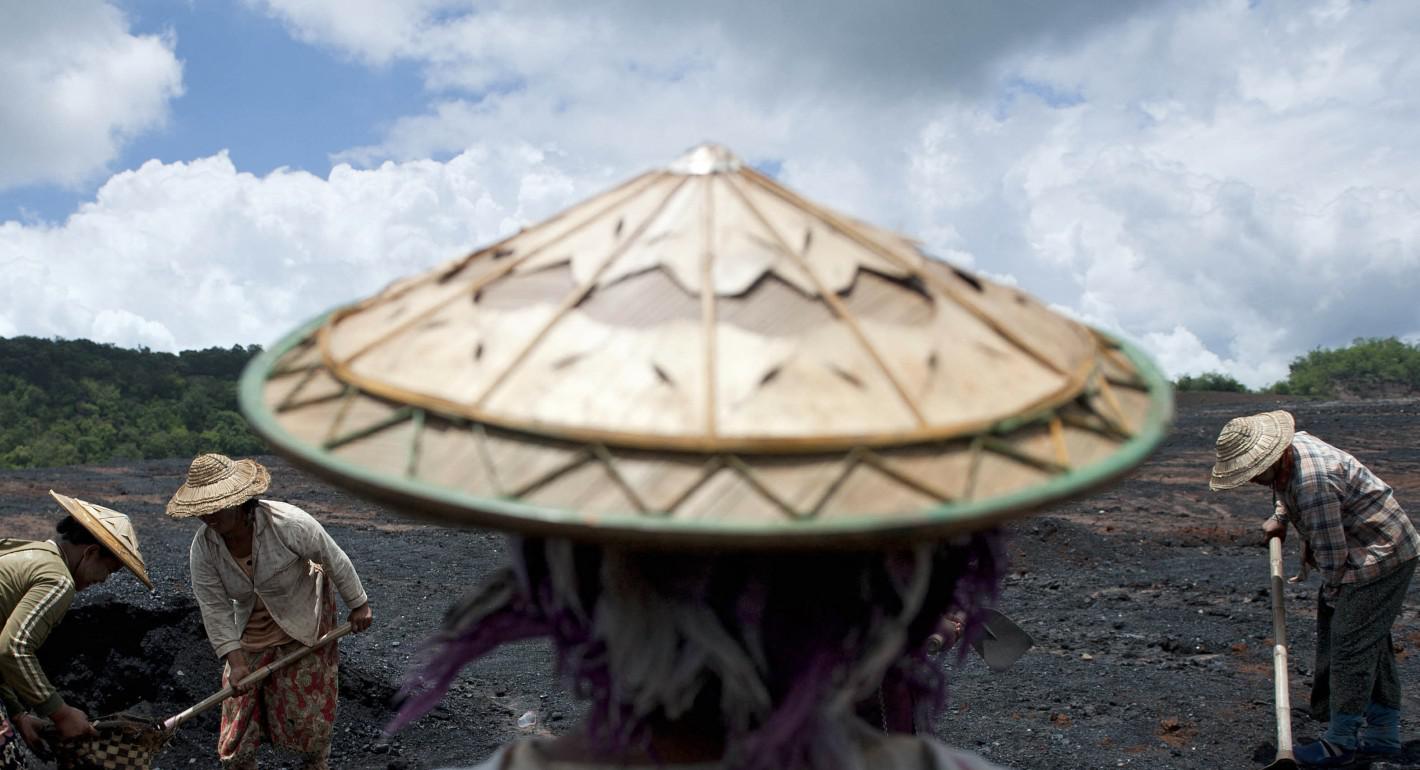
Chinese economic players in Myanmar initially relied on ties to the government and ruling elites. Faced with controversy, they turned to actors that local communities trust and listen to as de facto partners and informal advisers.

Xue Gong
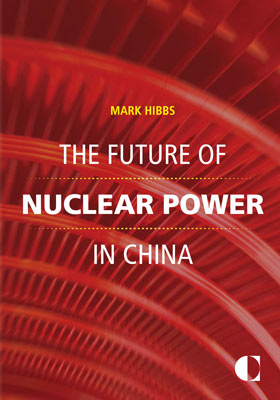
China is on course to lead the world in the deployment of nuclear power technology by 2030. Should it succeed, China will assume global leadership in nuclear technology development, industrial capacity, and nuclear energy governance.

Mark Hibbs
Fundamentally, it seems irrational to leave an agreement that’s working today out of a fixation on potential growth of Iran’s nuclear program more than a decade from now, when such growth could happen tomorrow if we unravel the agreement.
John Kerry