{
  "authors": [
    "Alexander Gabuev",
    "Anna Ohanyan",
    "Andrew S. Weiss",
    "Maha Yahya"
  ],
  "type": "event",
  "centerAffiliationAll": "",
  "centers": [
    "Carnegie Endowment for International Peace",
    "Malcolm H. Kerr Carnegie Middle East Center"
  ],
  "collections": [],
  "englishNewsletterAll": "",
  "nonEnglishNewsletterAll": "",
  "primaryCenter": "Malcolm H. Kerr Carnegie Middle East Center",
  "programAffiliation": "",
  "programs": [
    "Russia and Eurasia",
    "Middle East"
  ],
  "projects": [],
  "regions": [
    "Russia",
    "Eastern Europe",
    "Ukraine"
  ],
  "topics": [
    "Foreign Policy"
  ]
}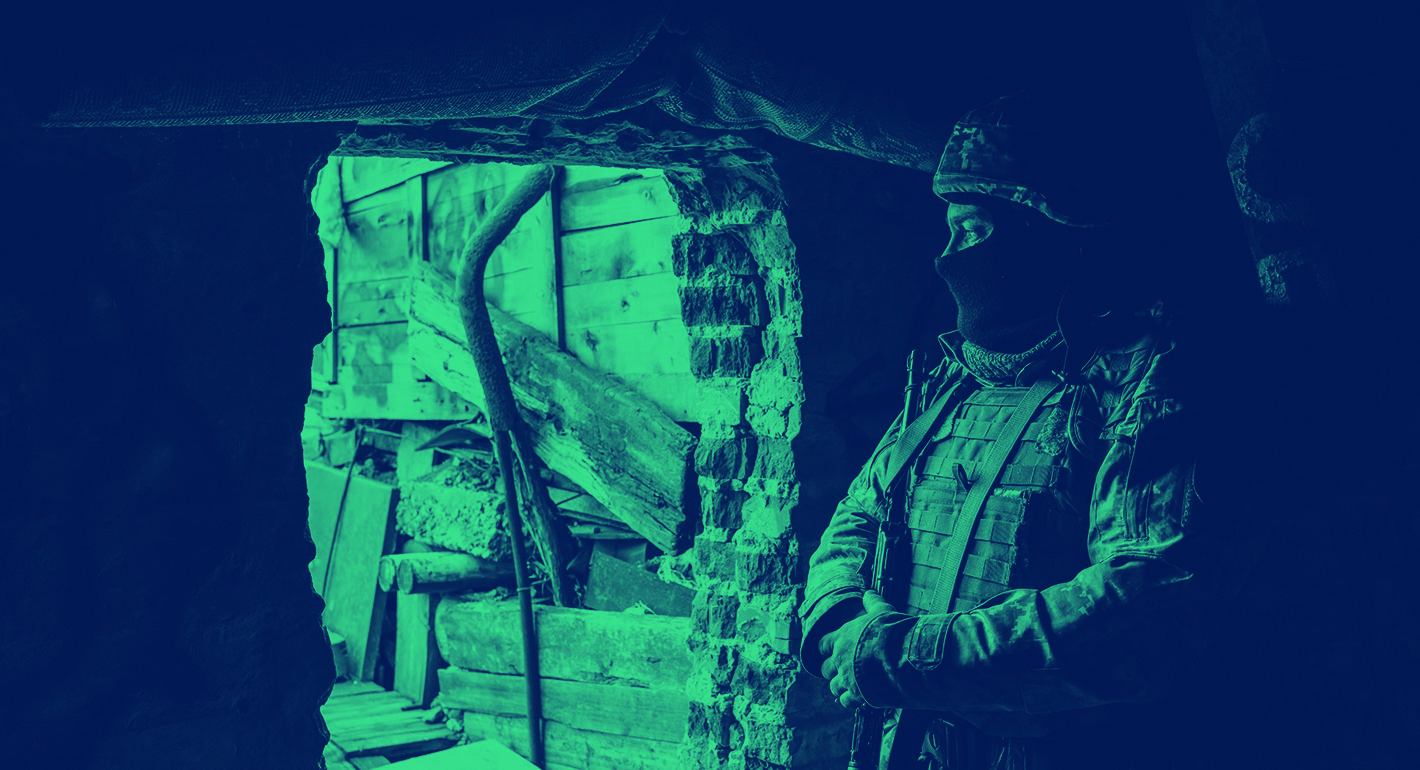
The U.S. and Russia in Ukraine: A Proxy War?
Wed, July 13th, 2022
Live on YouTube and Facebook
In June 2021, the Russia-United States summit witnessed the first in-person meeting between Presidents Joe Biden and Vladimir Putin to ease the mounting tensions between Washington and Moscow. Even though both presidents expressed cautious optimism about the future trajectory of U.S.-Russia affairs, what followed was anything but positive. In 2021, tensions between Moscow and Washington reached an all-time high, when Russia repeatedly accused the United States and NATO of providing military assistance to Ukraine and nudging the country closer to NATO and the European Union.
As the conflict escalated, Washington and its allies expressed concerns regarding Russia’s nuclear arsenal and political ambitions. This pushed Western officials to impose sanctions on Russia and provide support to the Ukrainian military. In light of this continuing support, Russian Foreign Minister Sergei Lavrov accused NATO of waging a “proxy” war against Russia by supporting Ukraine. In its turn, Moscow continued to solidify its partnerships with key powers in the Middle East and to deepen its political and economic ties with China. This has created tensions that will lead to serious geopolitical rivalry between the great powers.
To examine the trajectory of U.S.-Russia tensions in light of the conflict in Ukraine and their wide-ranging repercussions and future implications, the Malcolm H. Kerr – Carnegie Middle East Center invites you to a public panel discussion on Wednesday, July 13 from 15:00 till 16:15 Beirut time with Alexander Baunov, Anna Ohanyan and Andrew Weiss.
The discussion will be in English and moderated by Maha Yahya. Viewers may submit their questions for the panelists using the live chat feature on Facebook and YouTube during the event. For more information, please contact Josiane Matar at Josiane.matar@carnegie-mec.org.
This event is part of 3-panel series to explore Middle Eastern, European, and international developments in the aftermath of the Russia-Ukraine conflict and assess the consequences of this conflict on the global geopolitical, economic, and security architecture.
Carnegie does not take institutional positions on public policy issues; the views represented herein are those of the author(s) and do not necessarily reflect the views of Carnegie, its staff, or its trustees.
Event Speakers
Alexander Gabuev
Director, Carnegie Russia Eurasia Center
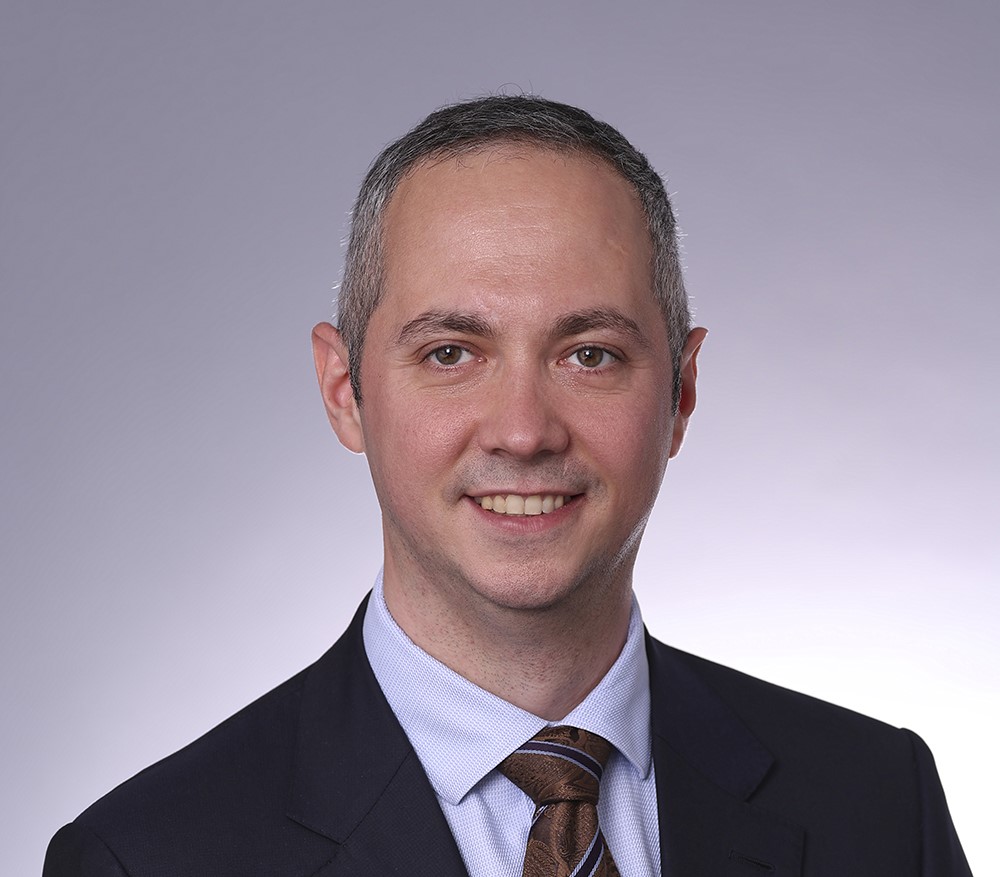
Alexander Gabuev is director of the Carnegie Russia Eurasia Center. Gabuev’s research is focused on Russian foreign policy with particular focus on the impact of the war in Ukraine and the Sino-Russia relationship. Since joining Carnegie in 2015, Gabuev has contributed commentary and analysis to a wide range of publications, including the Financial Times, the New York Times, the Wall Street Journal, and the Economist.
Anna Ohanyan
Nonresident Senior Scholar, Russia and Eurasia Program
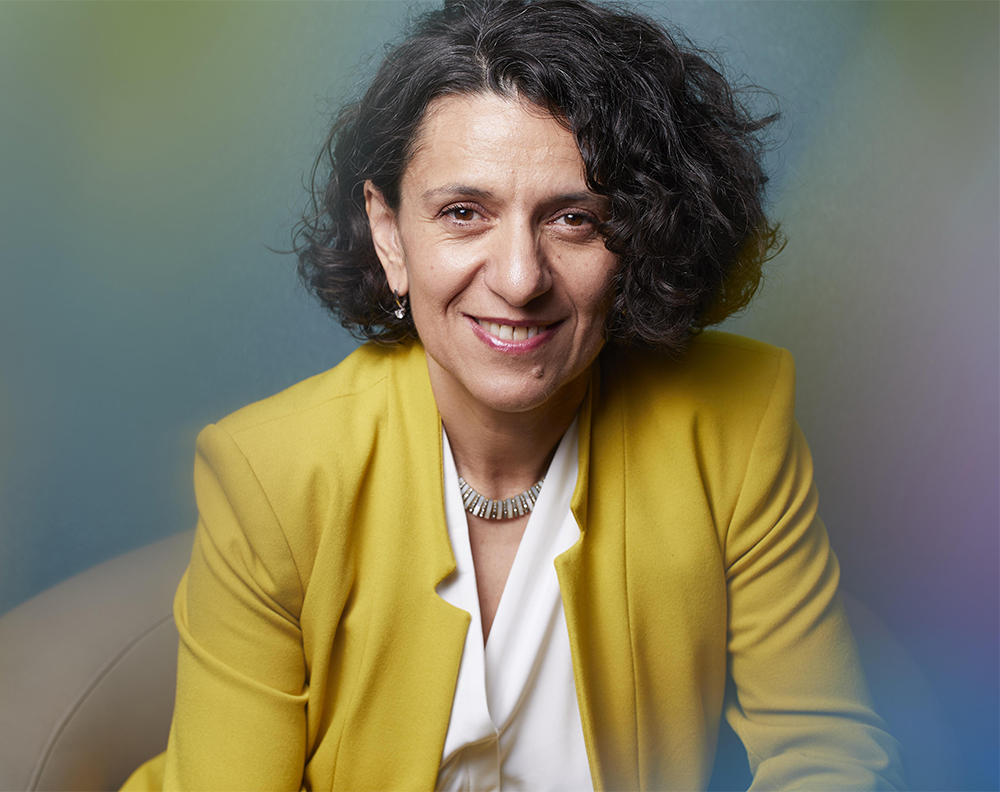
Anna Ohanyan is a nonresident senior scholar in the Carnegie Russia and Eurasia Program.
Andrew S. Weiss
James Family Chair, Vice President for Studies
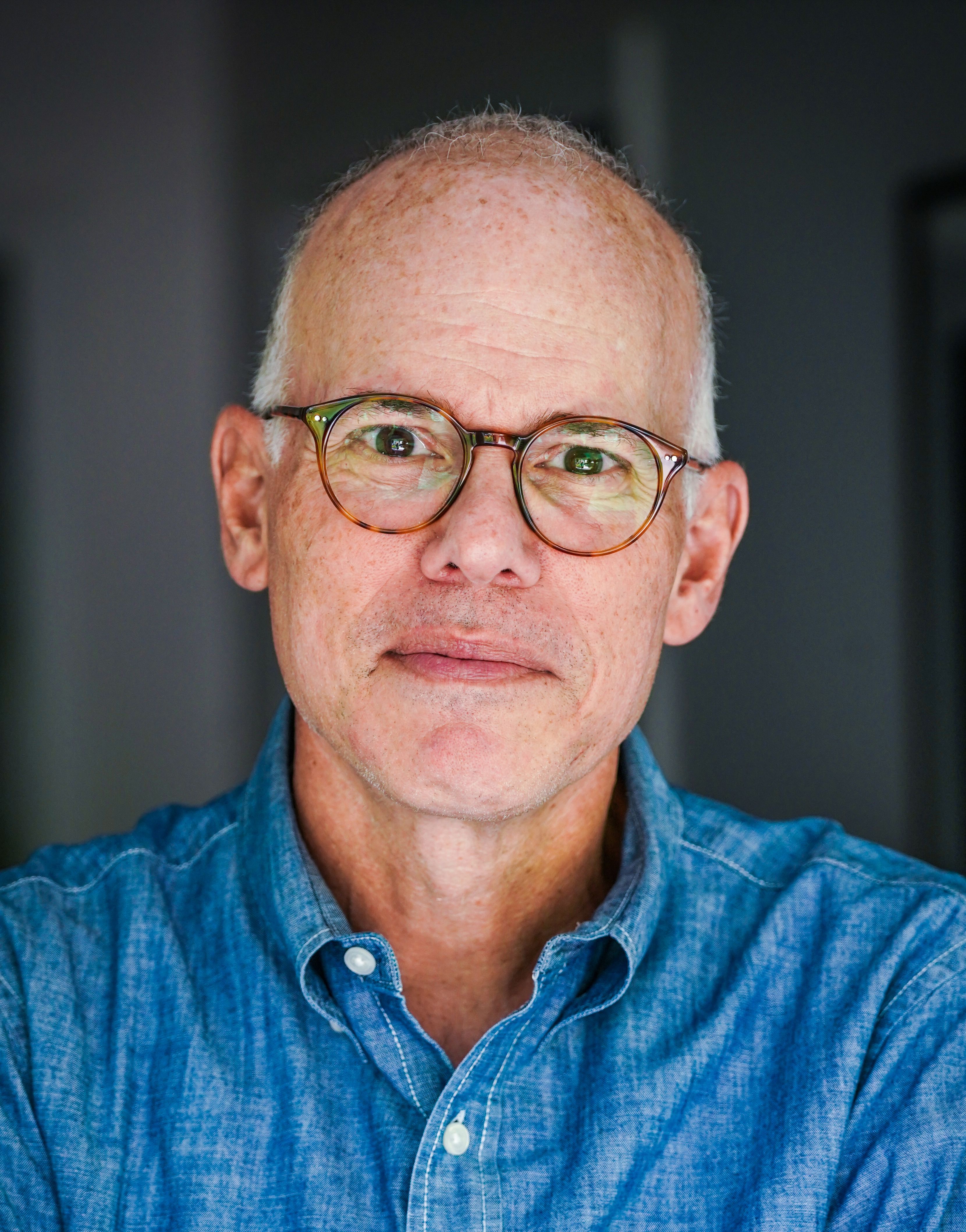
Andrew S. Weiss is the James Family Chair and vice president for studies at the Carnegie Endowment for International Peace, where he oversees research on Russia, Ukraine, and Eurasia. His graphic novel biography of Vladimir Putin, Accidental Czar: the Life and Lies of Vladimir Putin, was published by First Second/Macmillan in 2022.