

Commentary
Malaysia’s chairmanship sought to fend off short-term challenges while laying the groundwork for minimizing ASEAN’s longer-term exposure to external stresses.
Elina Noor
{
  "authors": [
    "Nancy Birdsall",
    "Brian Deese"
  ],
  "type": "other",
  "centerAffiliationAll": "",
  "centers": [
    "Carnegie Endowment for International Peace"
  ],
  "collections": [],
  "englishNewsletterAll": "",
  "nonEnglishNewsletterAll": "",
  "primaryCenter": "Carnegie Endowment for International Peace",
  "programAffiliation": "",
  "programs": [],
  "projects": [],
  "regions": [],
  "topics": []
}
REQUIRED IMAGE
Source: Carnegie
"On the Multilateral Development Banks in a Changing Global Economy"
Economic Perspectives Electronic Journal of the U.S. Department of State, Vol. 6, No. 1, February 2001
Nancy Birdsall and Brian Deese
Despite quantum increases in private capital flows to developing and emerging-market countries, there are still good reasons for the multilateral development banks (MDB) to continue their activities in these countries. The new private flows -- mostly to middle-income developing countries -- are highly susceptible to reversal, and, in difficult times, the private loans may be unavailable or too costly. MDB financing plays a valuable counter-cyclical role in these economies, and MDB lending can help "crowd in" private investment, signaling a country's commitment to reform.
Nonetheless, the MDBs need to adapt their policies to the changing demands of their members. MDB pricing should become more product and country specific, and new products should be designed to better deal with emergencies and non-lending services. The MDBs should take advantage of the HIPC initiative as a chance to become more selective in their lending practices, and should re-juggle representation within their institutional structures to better reflect changing realities.
Carnegie does not take institutional positions on public policy issues; the views represented herein are those of the author(s) and do not necessarily reflect the views of Carnegie, its staff, or its trustees.
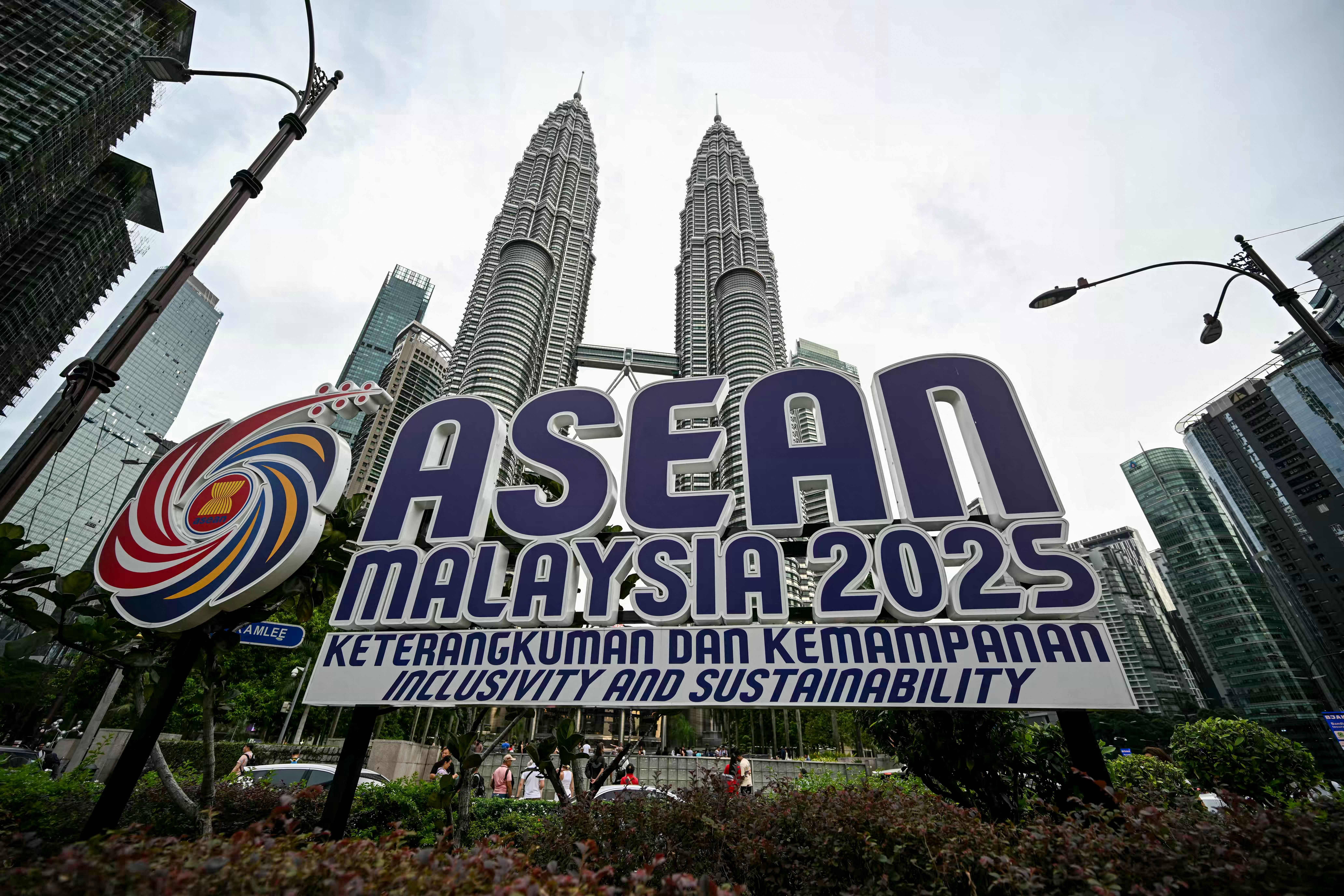
Malaysia’s chairmanship sought to fend off short-term challenges while laying the groundwork for minimizing ASEAN’s longer-term exposure to external stresses.
Elina Noor

For Malaysia, the conjunction that works is “and” not “or” when it comes to the United States and China.
Elina Noor

ASEAN needs to determine how to balance perpetuating the benefits of technology cooperation with China while mitigating the risks of getting caught in the crosshairs of U.S.-China gamesmanship.
Elina Noor

Damien Ma is taking the helm as director of Carnegie China, the Carnegie Endowment’s East Asia-based research center.
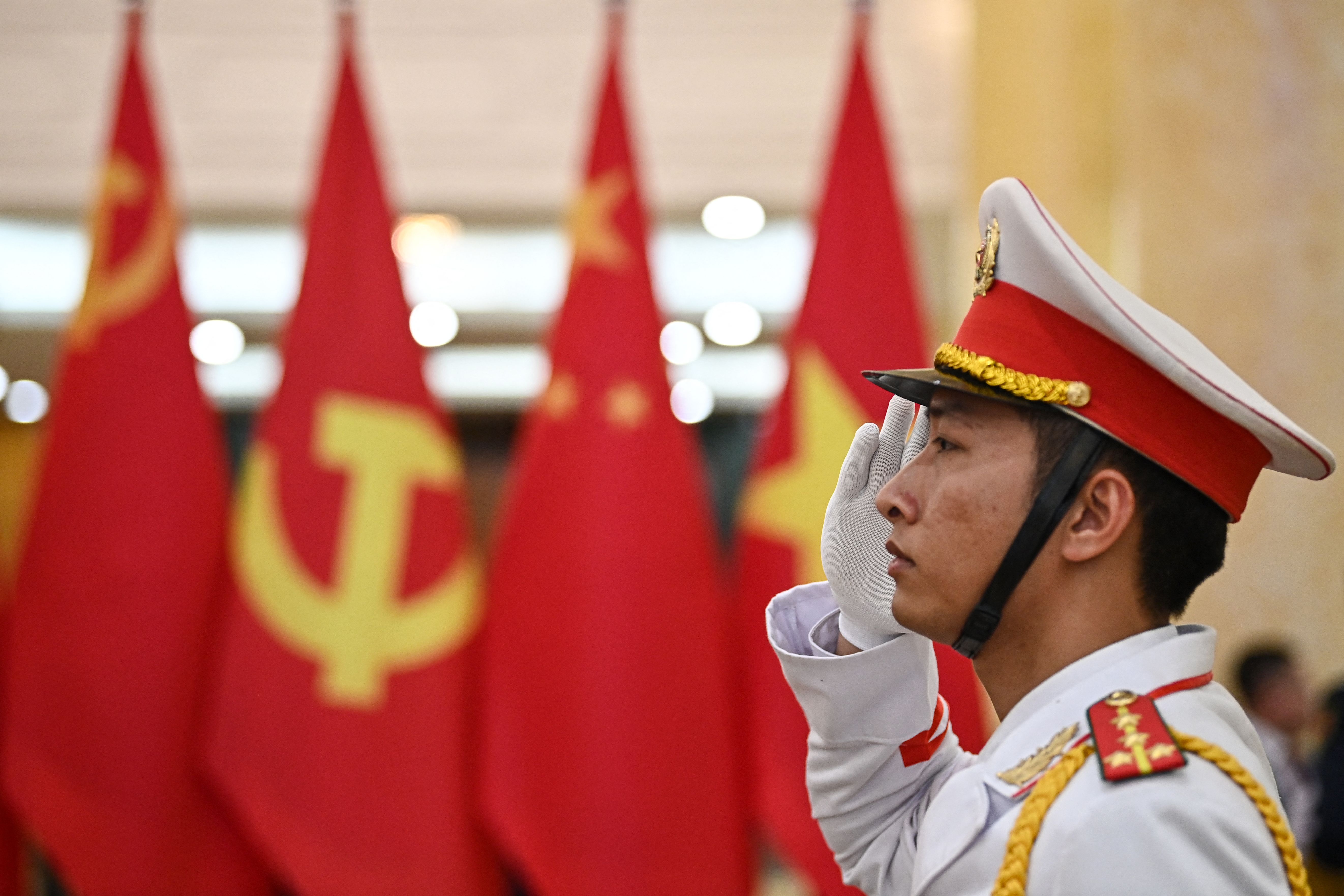
In July 2025, Vietnam and China held their first joint army drill, a modest but symbolic move reflecting Hanoi’s strategic hedging amid U.S.–China rivalry.

Nguyễn Khắc Giang