

Commentary
Malaysia’s chairmanship sought to fend off short-term challenges while laying the groundwork for minimizing ASEAN’s longer-term exposure to external stresses.
Elina Noor
{
  "authors": [],
  "type": "pressRelease",
  "centerAffiliationAll": "",
  "centers": [
    "Carnegie Endowment for International Peace"
  ],
  "collections": [],
  "englishNewsletterAll": "",
  "nonEnglishNewsletterAll": "",
  "primaryCenter": "Carnegie Endowment for International Peace",
  "programAffiliation": "",
  "programs": [
    "Nuclear Policy"
  ],
  "projects": [],
  "regions": [],
  "topics": []
}
REQUIRED IMAGE
Source: Carnegie
For Immediate Release: August 5, 2002
Contact: Karen Jacob, 202-939-2372, kjacob@ceip.org
Safeguarding Nuclear Assets from Terrorists
New Working Paper Offers Lessons and Recommendations
In a new working paper, "Enhancing Nuclear Security in the Counter-Terrorism Struggle: India and Pakistan as a New Region for Cooperation," Rose Gottemoeller and Rebecca Longsworth write that the last decade of nuclear security cooperation with the former Soviet Union provides lessons that can be applied in other regions. Drawing on these lessons, the paper explores what cooperative work might be done to enhance the security of nuclear assets, with particular attention to India and Pakistan. This just-published Carnegie working paper is available in full at www.ceip.org/pubs. To request a copy, email to pubs@ceip.org.
The paper first examines who could be involved in nuclear security cooperation in new regions - bilateral government partnerships, nongovernmental organizations, private sector entities or associations, laboratory exchanges, multilateral organizations - and considers questions of funding, competing priorities, diplomatic sensitivities, and division of labor. Next, the authors outline an overall approach to new cooperation initiatives - stressing the importance of common commitment among all partners, the need to "sell" the cooperation program at home and abroad, and ways to integrate nuclear security into broader cooperation strategies. The authors offer a list of "points of entry" for engaging India and Pakistan, as well as other countries and regions, in new cooperation programs. Finally, the paper discusses types of projects that might be undertaken and offers a list of guiding principles or goals.
This paper outlines a variety of ways to begin working with India and Pakistan to enhance nuclear security; more broadly, it offers a path to a new era of international cooperation to reduce the threat of nuclear terrorism. As Gottemoeller and Longsworth warn, however, "…the potential for nuclear security cooperation in the counter-terrorism struggle is serious and wide ranging. To accomplish this potential … will require U.S. leaders to exercise high-level attention, broad thinking, and willingness to take risks."
Rose Gottemoeller is a senior associate at the Carnegie Endowment for International Peace. She previously served as deputy undersecretary for defense nuclear nonproliferation in the U.S. Department of Energy. Rebecca Longsworth, formerly with Science Applications International Corporation, is president of Keen Management Solutions. The paper is based on a study funded by the MacArthur Foundation.
###
Carnegie does not take institutional positions on public policy issues; the views represented herein are those of the author(s) and do not necessarily reflect the views of Carnegie, its staff, or its trustees.
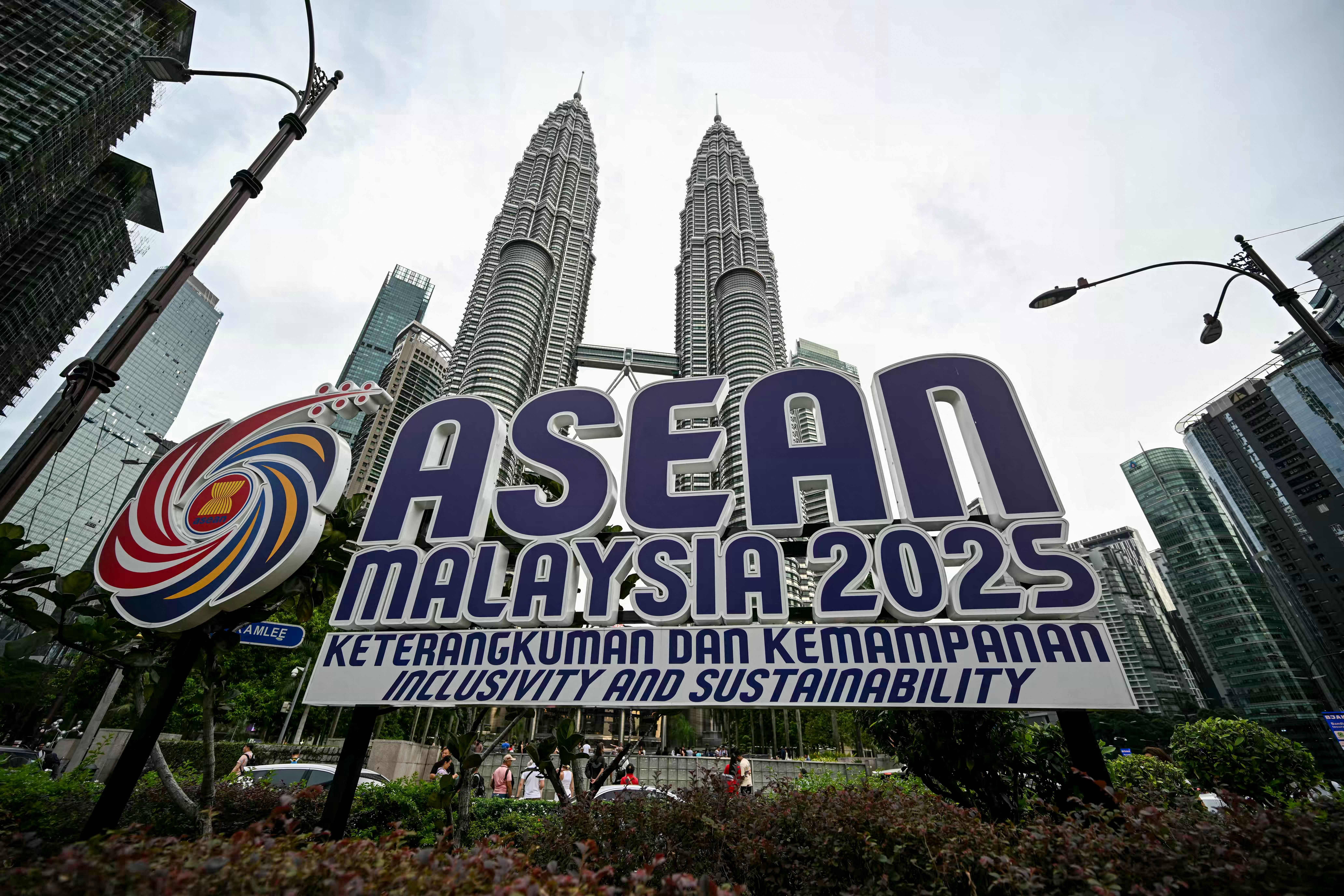
Malaysia’s chairmanship sought to fend off short-term challenges while laying the groundwork for minimizing ASEAN’s longer-term exposure to external stresses.

Elina Noor
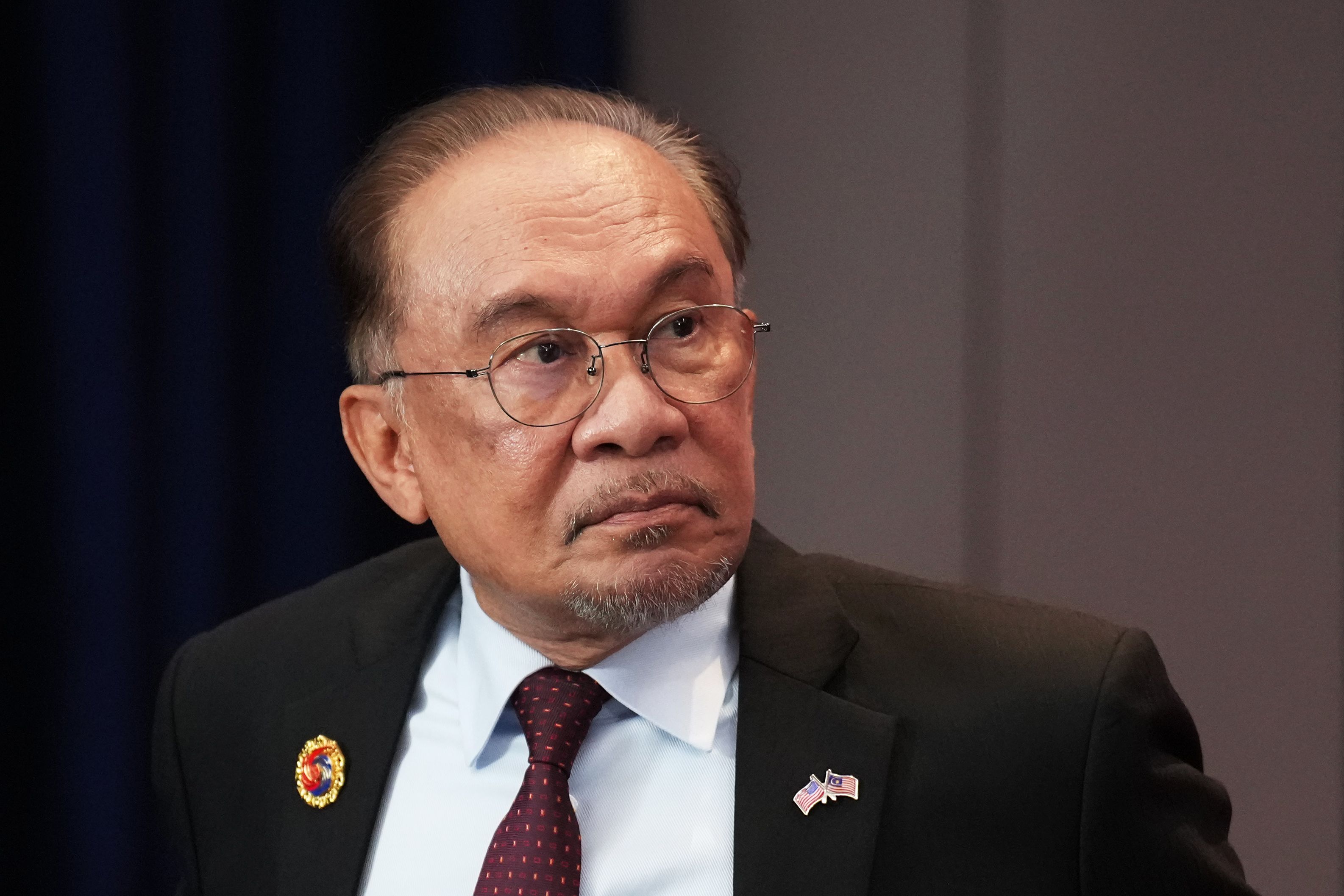
For Malaysia, the conjunction that works is “and” not “or” when it comes to the United States and China.
Elina Noor

ASEAN needs to determine how to balance perpetuating the benefits of technology cooperation with China while mitigating the risks of getting caught in the crosshairs of U.S.-China gamesmanship.
Elina Noor

Damien Ma is taking the helm as director of Carnegie China, the Carnegie Endowment’s East Asia-based research center.
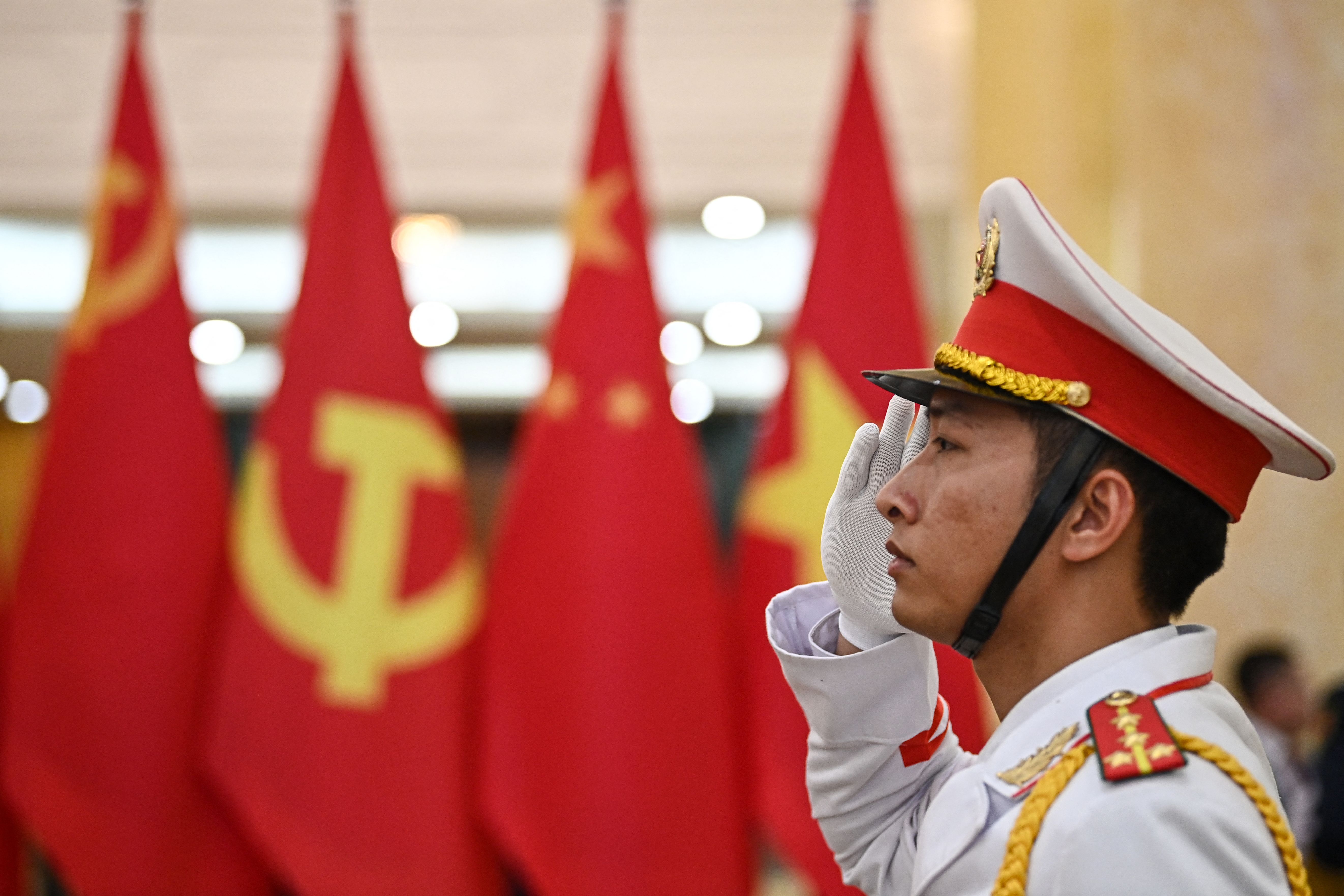
In July 2025, Vietnam and China held their first joint army drill, a modest but symbolic move reflecting Hanoi’s strategic hedging amid U.S.–China rivalry.

Nguyễn Khắc Giang