

Commentary
Malaysia’s chairmanship sought to fend off short-term challenges while laying the groundwork for minimizing ASEAN’s longer-term exposure to external stresses.
Elina Noor
{
  "authors": [],
  "type": "pressRelease",
  "centerAffiliationAll": "",
  "centers": [
    "Carnegie Endowment for International Peace"
  ],
  "collections": [],
  "englishNewsletterAll": "",
  "nonEnglishNewsletterAll": "",
  "primaryCenter": "Carnegie Endowment for International Peace",
  "programAffiliation": "",
  "programs": [
    "Russia and Eurasia"
  ],
  "projects": [],
  "regions": [],
  "topics": []
}
REQUIRED IMAGE
Source: Carnegie
America's New Alliance with Pakistan: Avoiding the Traps of the Past
Policy Brief 19
Husain Haqqani
Full text (PDF
format)
Press
Release
Summary
Pakistan has become a strategic U.S. ally in the war against al Qaeda. For
now, Washington's support of General Pervez Musharraf's military regime is untempered
by any insistence on the restoration of democracy. But military rule is likely
to increase hostility between Pakistan and India and undercut efforts to root
out Islamic extremists, who have been the armed forces' political allies in
the past.
Despite intervals of strained relations, the United States and Pakistan were allies for most of the Cold War. Like past periods of engagement, the present spell of close relations is likely to sour into disillusion unless the United States strongly encourages Pakistan to return to democracy. A democratic regime, however flawed, is more likely to provide long-term stability to Pakistan. Specifically, democratic rule would help contain Islamic militancy and would probably lead to improved India-Pakistan relations.
Husain Haqqani, a leading journalist, diplomat, and former advisor to Pakistan prime ministers, is a visiting scholar in Carnegie’s Russian and Eurasian Program.
A limited number of print copies will be available.
Request
a copy.
Carnegie does not take institutional positions on public policy issues; the views represented herein are those of the author(s) and do not necessarily reflect the views of Carnegie, its staff, or its trustees.
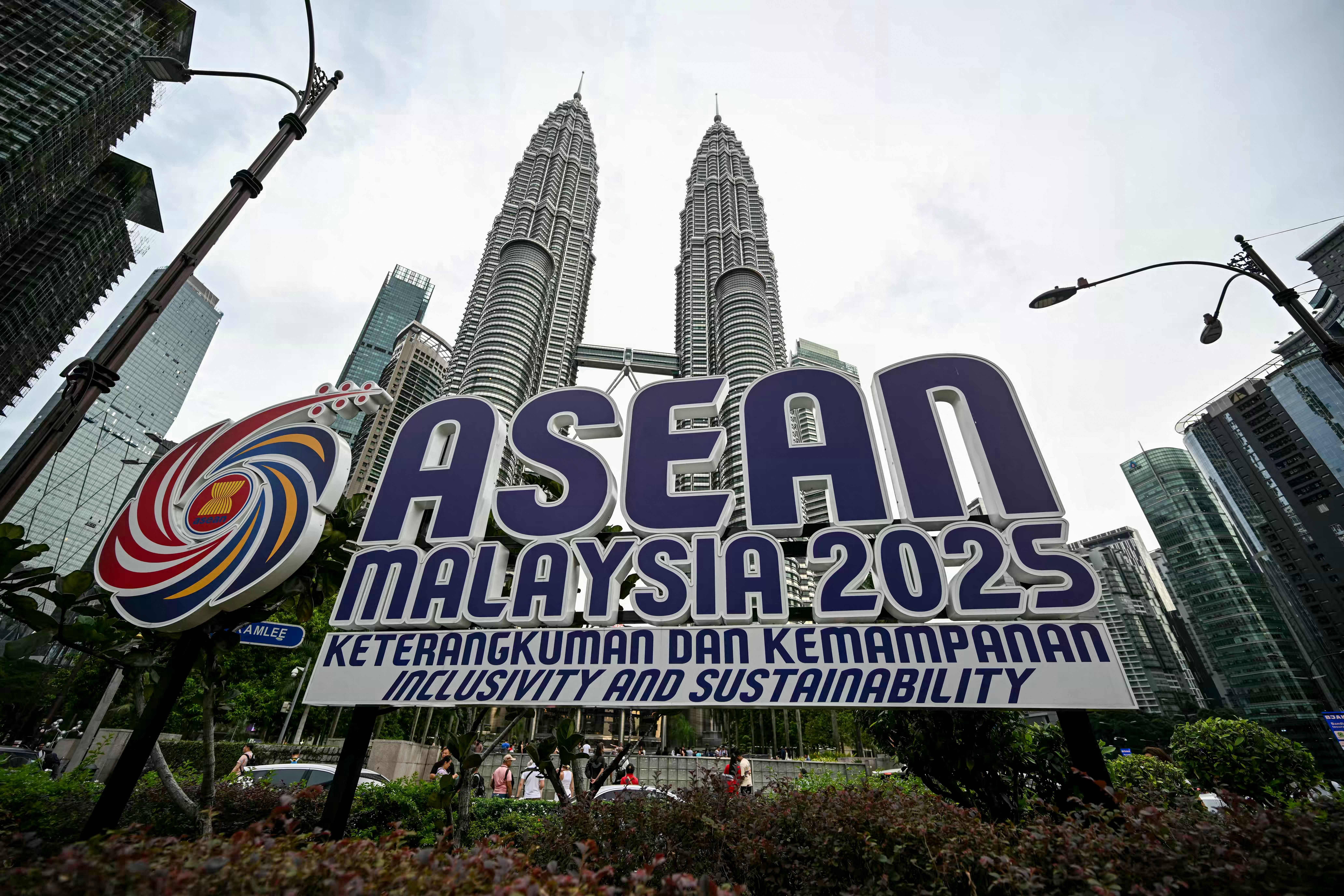
Malaysia’s chairmanship sought to fend off short-term challenges while laying the groundwork for minimizing ASEAN’s longer-term exposure to external stresses.

Elina Noor
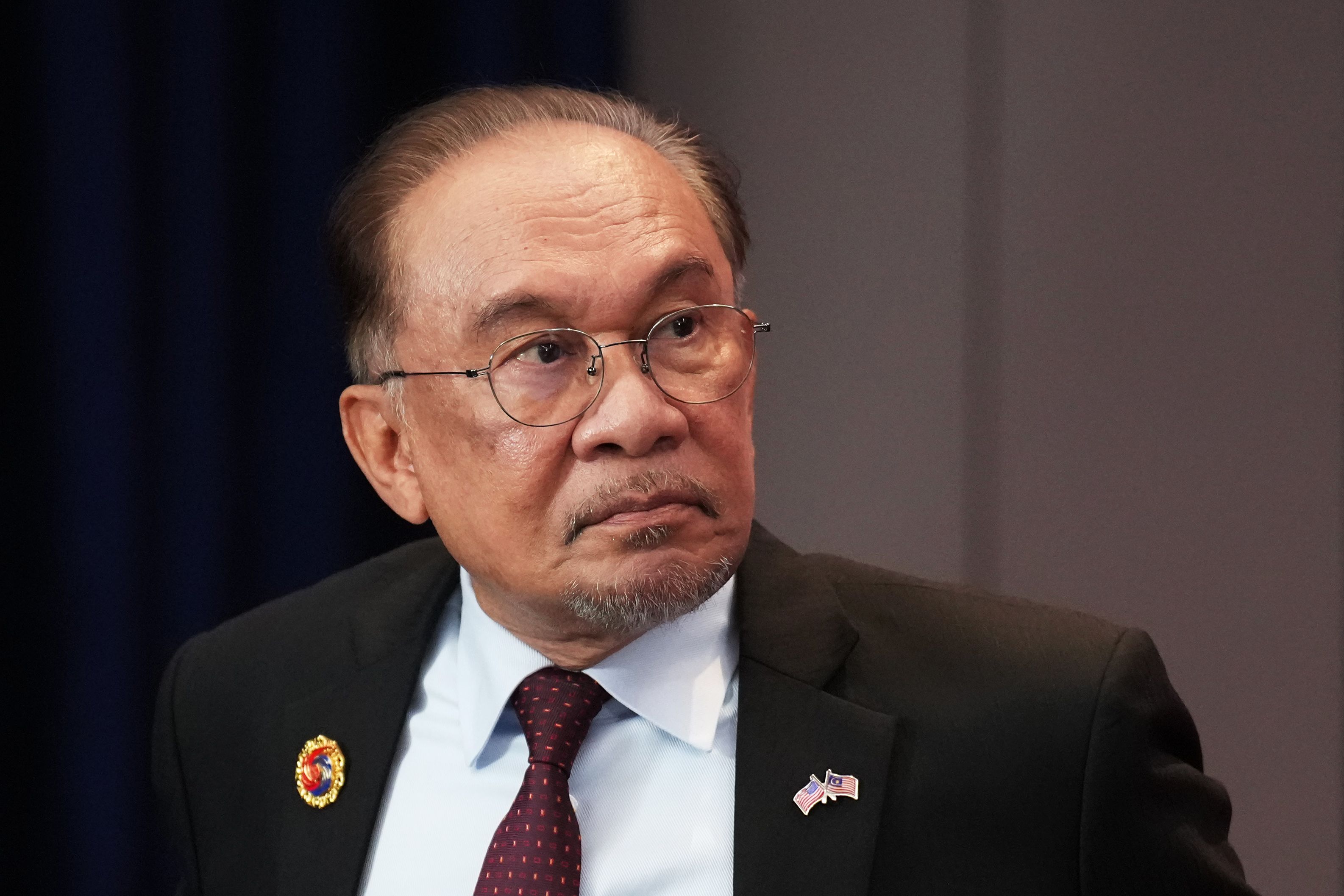
For Malaysia, the conjunction that works is “and” not “or” when it comes to the United States and China.
Elina Noor

ASEAN needs to determine how to balance perpetuating the benefits of technology cooperation with China while mitigating the risks of getting caught in the crosshairs of U.S.-China gamesmanship.
Elina Noor
Damien Ma is taking the helm as director of Carnegie China, the Carnegie Endowment’s East Asia-based research center.
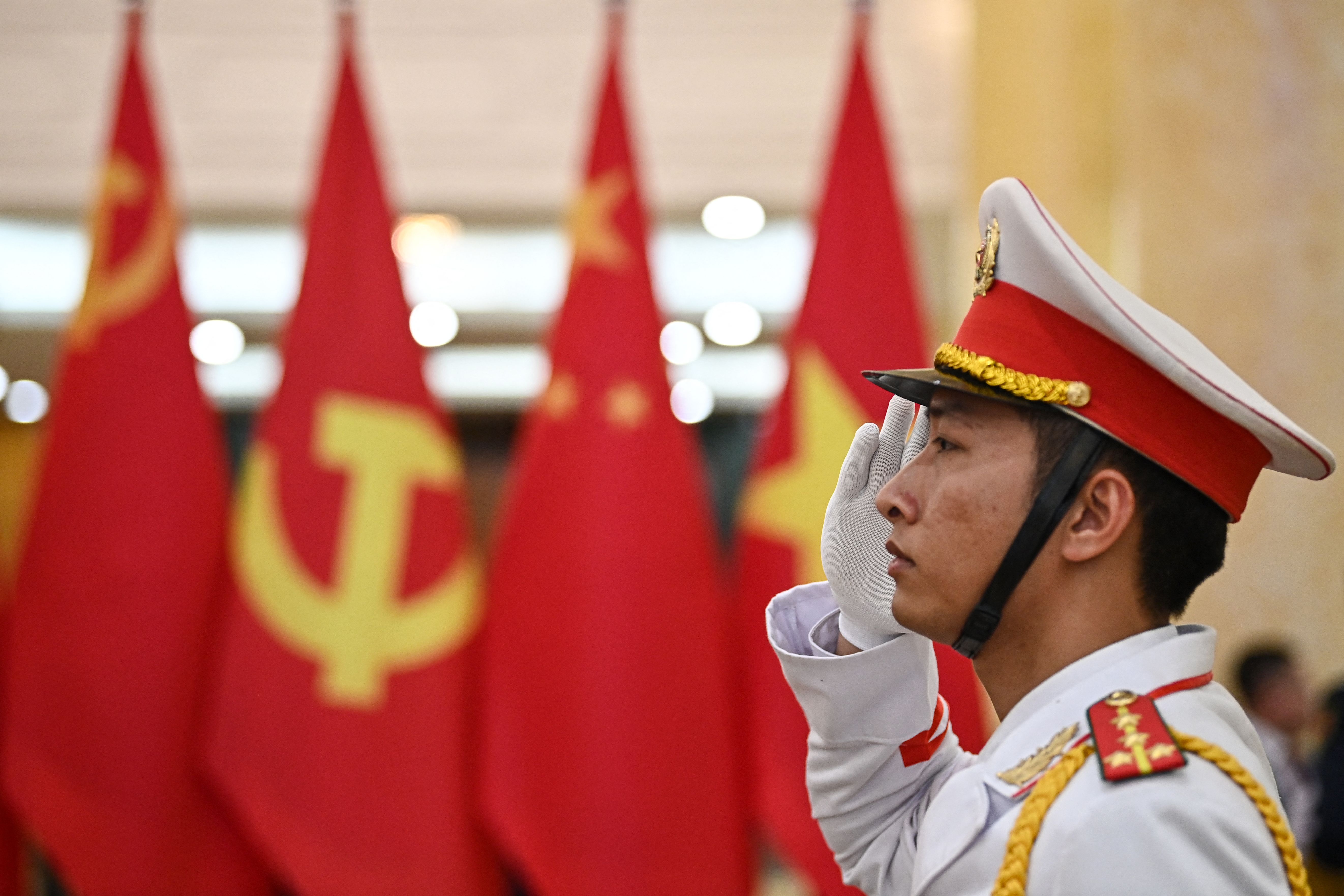
In July 2025, Vietnam and China held their first joint army drill, a modest but symbolic move reflecting Hanoi’s strategic hedging amid U.S.–China rivalry.
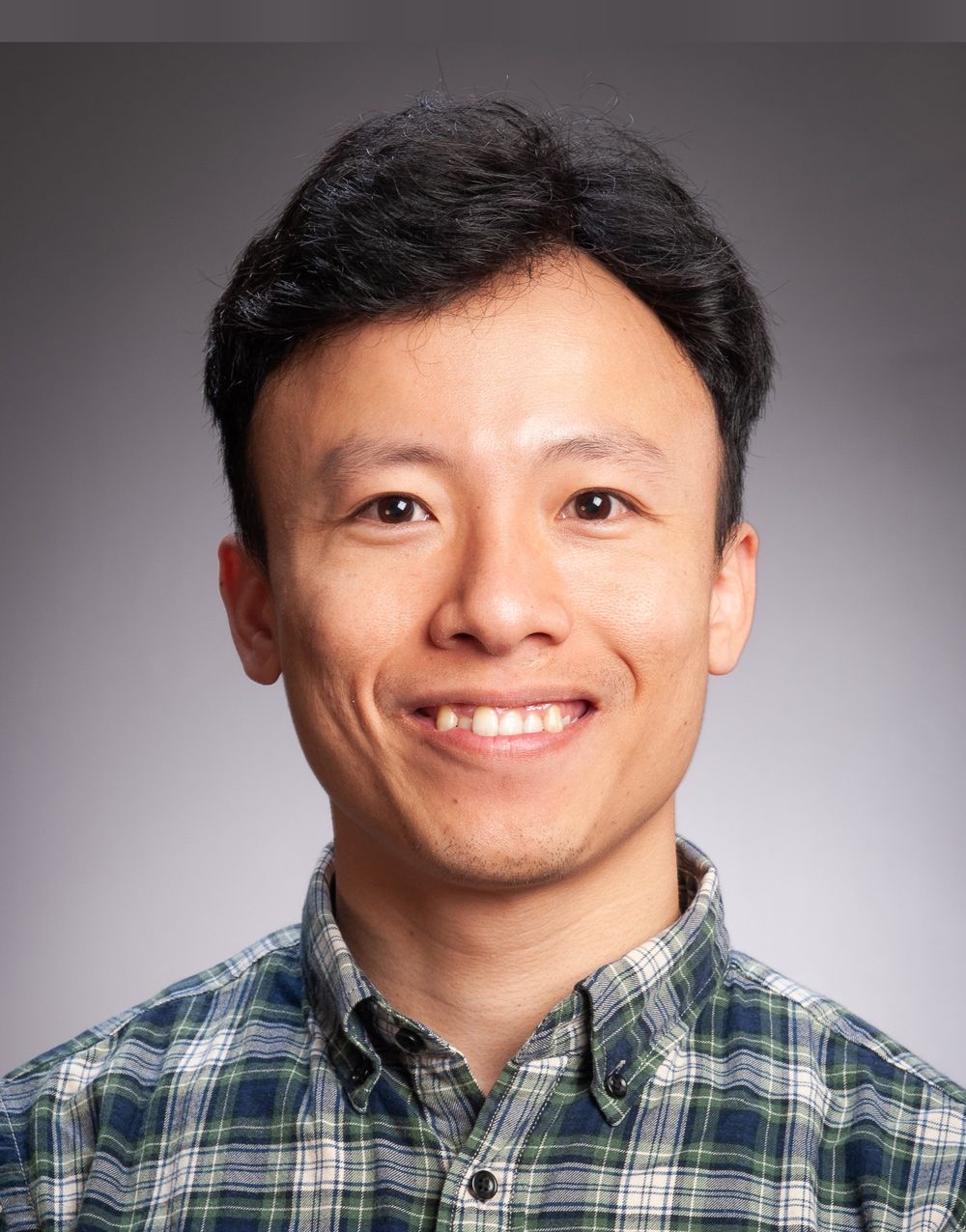
Nguyễn Khắc Giang