

Commentary
Malaysia’s chairmanship sought to fend off short-term challenges while laying the groundwork for minimizing ASEAN’s longer-term exposure to external stresses.
Elina Noor
{
  "authors": [],
  "type": "pressRelease",
  "centerAffiliationAll": "",
  "centers": [
    "Carnegie Endowment for International Peace"
  ],
  "collections": [],
  "englishNewsletterAll": "",
  "nonEnglishNewsletterAll": "",
  "primaryCenter": "Carnegie Endowment for International Peace",
  "programAffiliation": "",
  "programs": [],
  "projects": [],
  "regions": [],
  "topics": []
}
REQUIRED IMAGE
Source: Carnegie
Trade Preferences and Environmental Goods
Trade, Equity, and Development Series
Issue no. 5
Full Text (PDF)
Summary
For the World Trade Organization (WTO), the most important development in
a decade related to trade-environment linkages is the agreement to liberalize
commerce in environmental goods and services. If properly executed, the agreement
will increase the availability of "green" goods in global markets
and break the North-South deadlock that has paralyzed discussion on the trade
regime governing such goods.
However, WTO members appear to be limiting negotiations to capital-intensive
environmental technologies and engineering services, for which developed countries
enjoy a comparative advantage. These goods account for the largest part of the
$525 billion spent annually on the environmental sector worldwide. However,
they are neither the sole nor most visible part of environmental markets. Green
consumer goods - from energy-efficient lighting to recycled products - together
with resource-based products, including organic produce and sustainable forest
and fisheries products, need to come within the purview of WTO negotiations.
A limited number of print copies are available.
Request
a copy.
Scott Vaughan is visiting scholar with the Carnegie Endowment. He previously held positions with the North American Commission for Environmental Cooperation, the World Trade Organization, the United Nations Environment Program, the Royal Bank Financial Group (Canada), and the Canadian federal minister of the environment.
The Trade, Equity, and Development (TED) Series is part of an effort by Carnegie's Trade, Equity, and Development Project to broaden the debate surrounding trade liberalization to include perspectives not normally present in the Washington policy community.
Also in the TED series:
Controlling
Corruption: A Key to Development-Oriented Trade, Peter Eigen
Environment's
New Role in U.S. Trade Policy, John Audley
Reforming
Global Trade in Agriculture: A Developing-Country Perspective, Shishir
Priyadarshi
Doha:
Is It Really a Development Round?, Kamal Malhotra
Carnegie does not take institutional positions on public policy issues; the views represented herein are those of the author(s) and do not necessarily reflect the views of Carnegie, its staff, or its trustees.
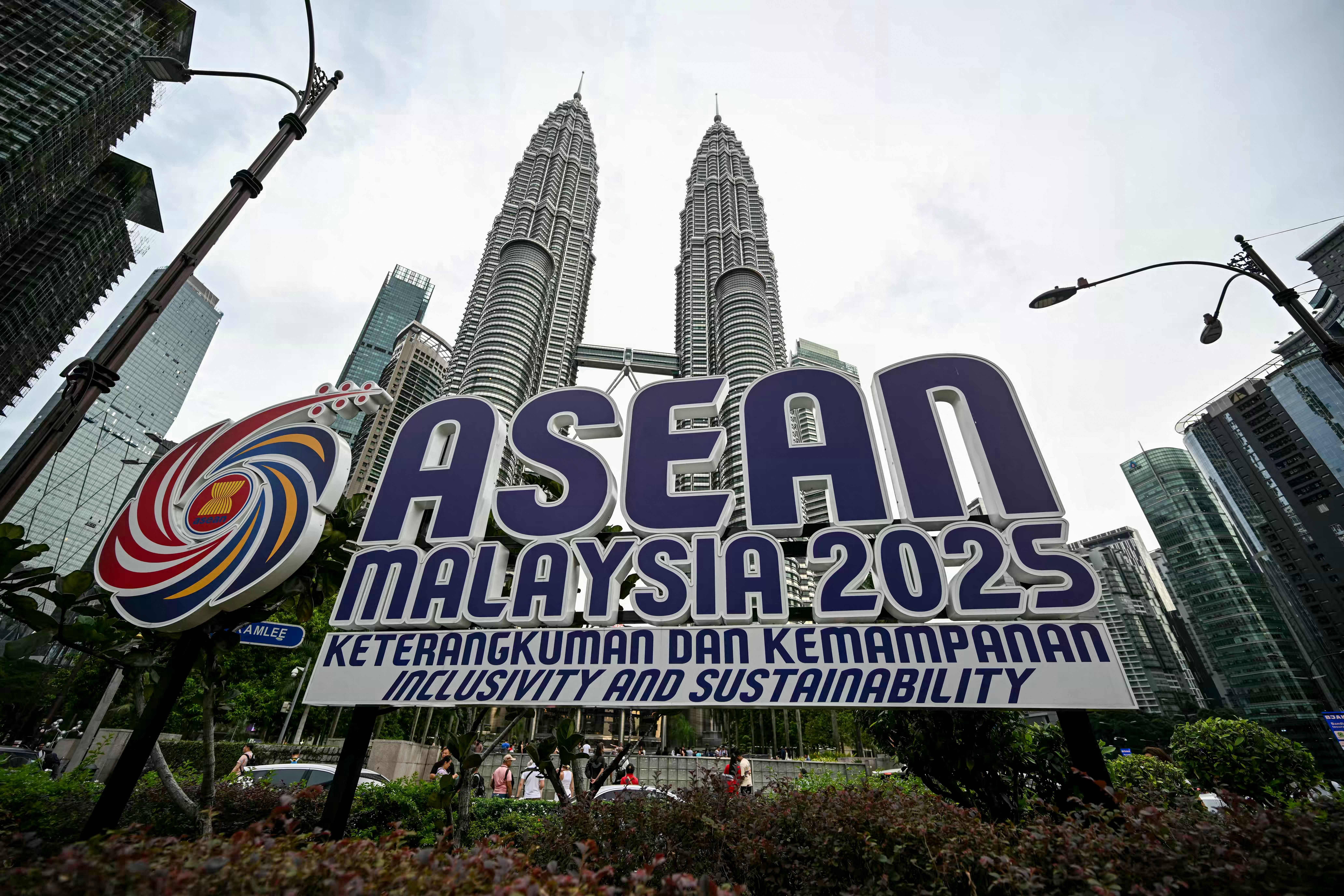
Malaysia’s chairmanship sought to fend off short-term challenges while laying the groundwork for minimizing ASEAN’s longer-term exposure to external stresses.

Elina Noor
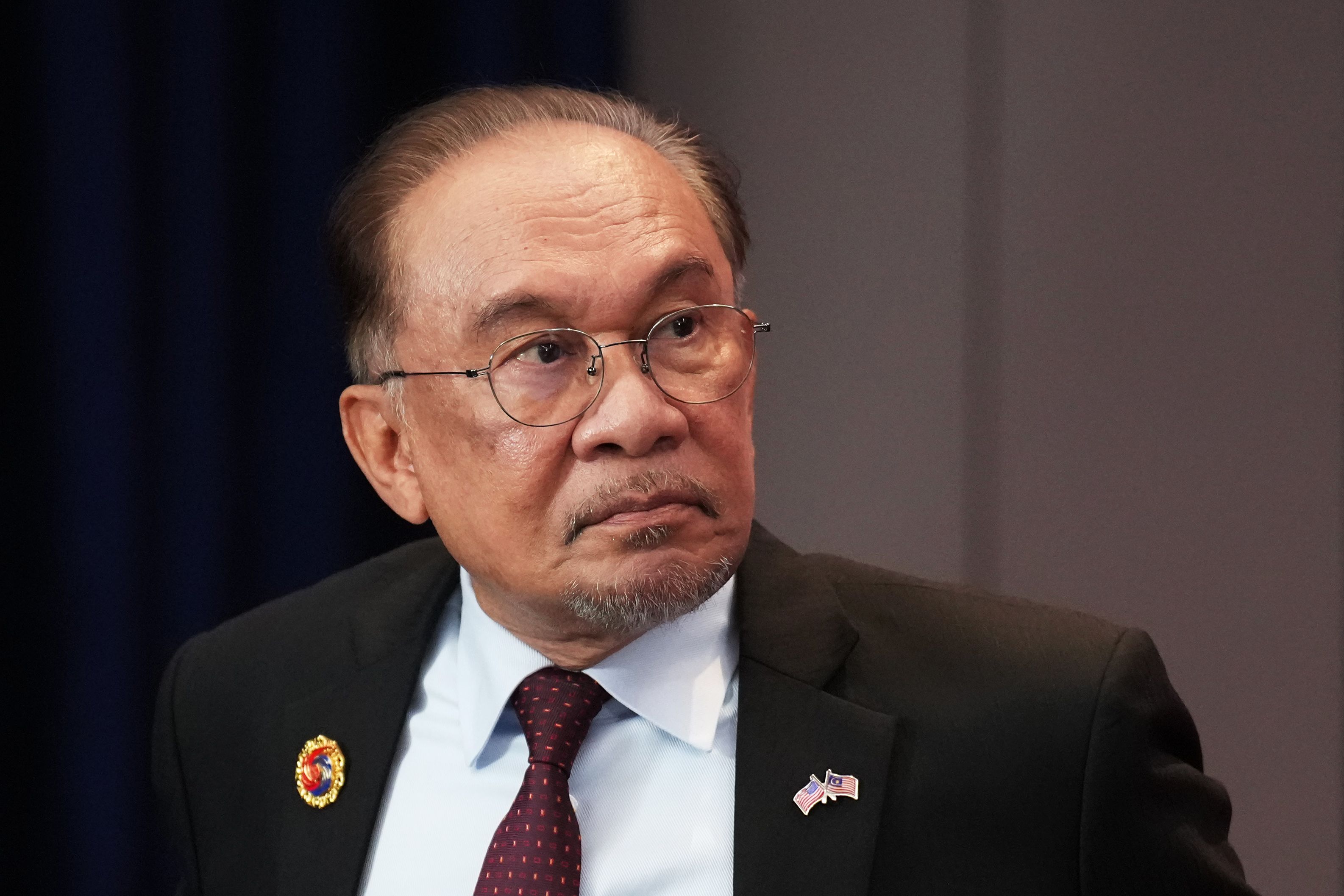
For Malaysia, the conjunction that works is “and” not “or” when it comes to the United States and China.
Elina Noor

ASEAN needs to determine how to balance perpetuating the benefits of technology cooperation with China while mitigating the risks of getting caught in the crosshairs of U.S.-China gamesmanship.
Elina Noor
Damien Ma is taking the helm as director of Carnegie China, the Carnegie Endowment’s East Asia-based research center.
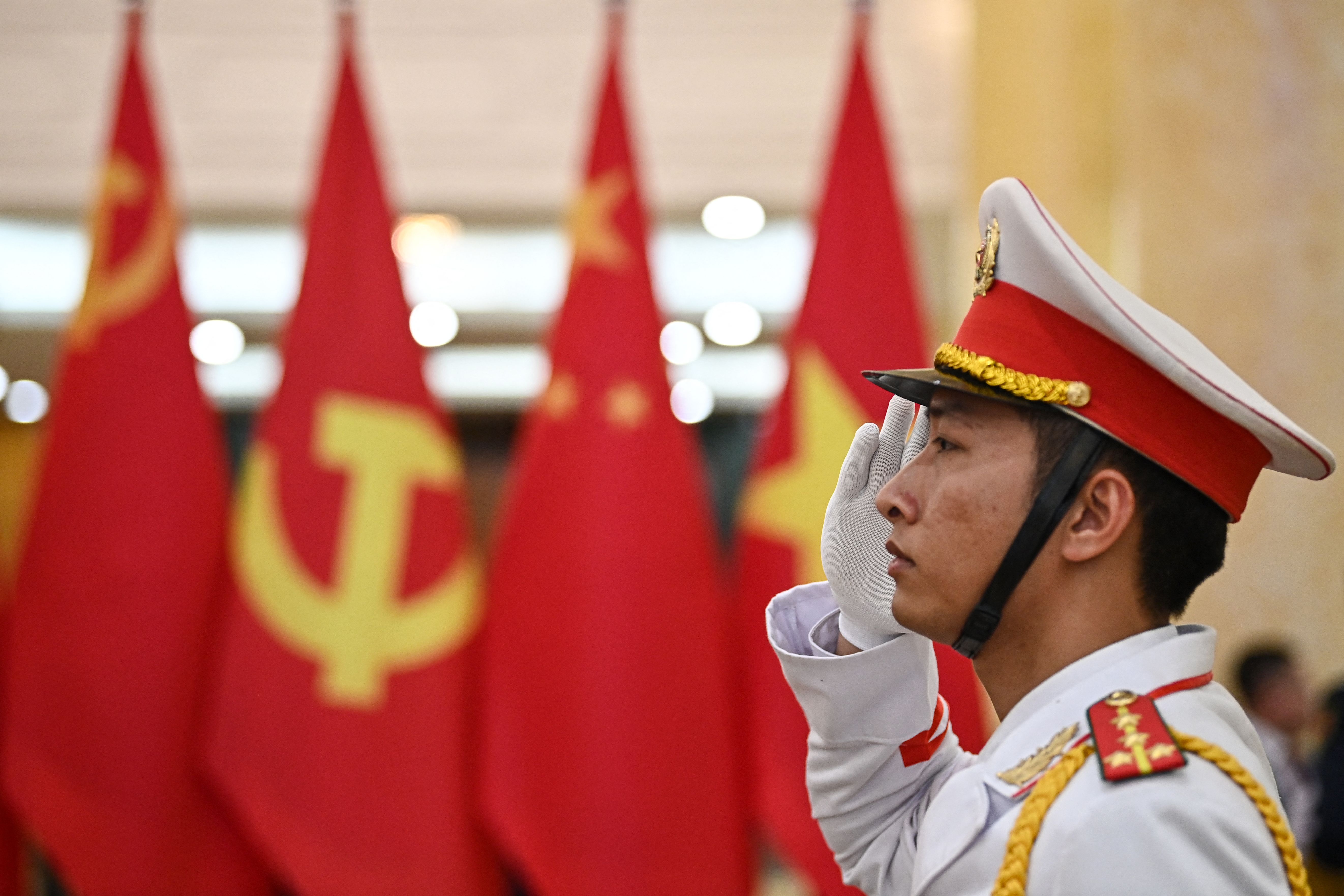
In July 2025, Vietnam and China held their first joint army drill, a modest but symbolic move reflecting Hanoi’s strategic hedging amid U.S.–China rivalry.

Nguyễn Khắc Giang