

Commentary
Malaysia’s chairmanship sought to fend off short-term challenges while laying the groundwork for minimizing ASEAN’s longer-term exposure to external stresses.
Elina Noor
{
  "authors": [],
  "type": "pressRelease",
  "centerAffiliationAll": "",
  "centers": [
    "Carnegie Endowment for International Peace"
  ],
  "collections": [],
  "englishNewsletterAll": "",
  "nonEnglishNewsletterAll": "",
  "primaryCenter": "Carnegie Endowment for International Peace",
  "programAffiliation": "",
  "programs": [
    "Asia"
  ],
  "projects": [],
  "regions": [],
  "topics": []
}
REQUIRED IMAGE
For Immediate Relase: August 7, 2003
Contact: Cara Santos Pianesi, 202-939-2211, csantos@ceip.org
Kimsey China Scholar Begins Term at Carnegie Endowment
Yayun Li's Research Focuses on Chinese Judicial Independence
The Carnegie Endowment for International Peace announces its newest visiting scholar from China's Central Party School in Beijing. Yayun Li, associate professor of law, joined the Endowment in the beginning of August. Her primary research focus is China's effort to improve judicial independence. As a three-month Kimsey Scholar, she is a participant in an Endowment effort to foster the exchange of ideas between Chinese and U.S. experts. The initiative, funded by the Kimsey Foundation, is designed to influence political reform in China and inform U.S. policymakers about Chinese political trends.
"Yayun's presence will increase our understanding of the Chinese judicial system and its attempts at reform. More generally, she will enhance the work of the Endowment's China Program and bring current, first-hand experience to Washington policy discussions," said Jessica Mathews, president of the Carnegie Endowment for International Peace.
Yayun Li is an associate professor of law at the Central Party School of the Communist Party of China and also serves as the director of the school's law department and women's studies center. In addition, Li is a part-time lawyer for the Beijing law firm Jing Yi; member of the Labor Law Committee of the Beijing Lawyer's Association; juror of the Intermediate People's Court of Bejing; and arbitrator of the Arbitration Committee of Labor Law. Li researches commercial, economic, labor and social security law and has published numerous articles. She received her Bachelor of Law degree from the Law College of Peking University and a postgraduate degree from the Central Party School.
###
Carnegie does not take institutional positions on public policy issues; the views represented herein are those of the author(s) and do not necessarily reflect the views of Carnegie, its staff, or its trustees.
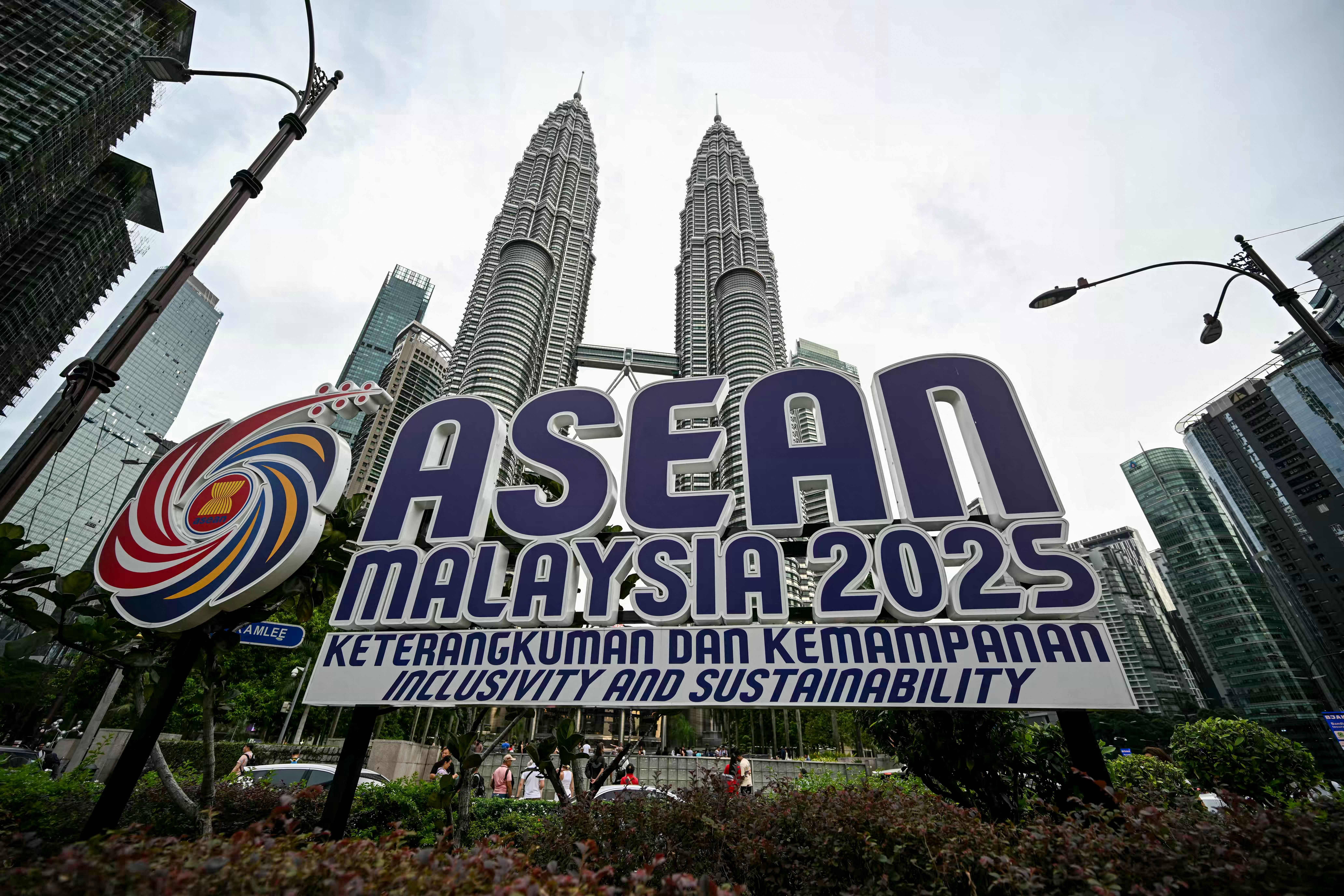
Malaysia’s chairmanship sought to fend off short-term challenges while laying the groundwork for minimizing ASEAN’s longer-term exposure to external stresses.

Elina Noor
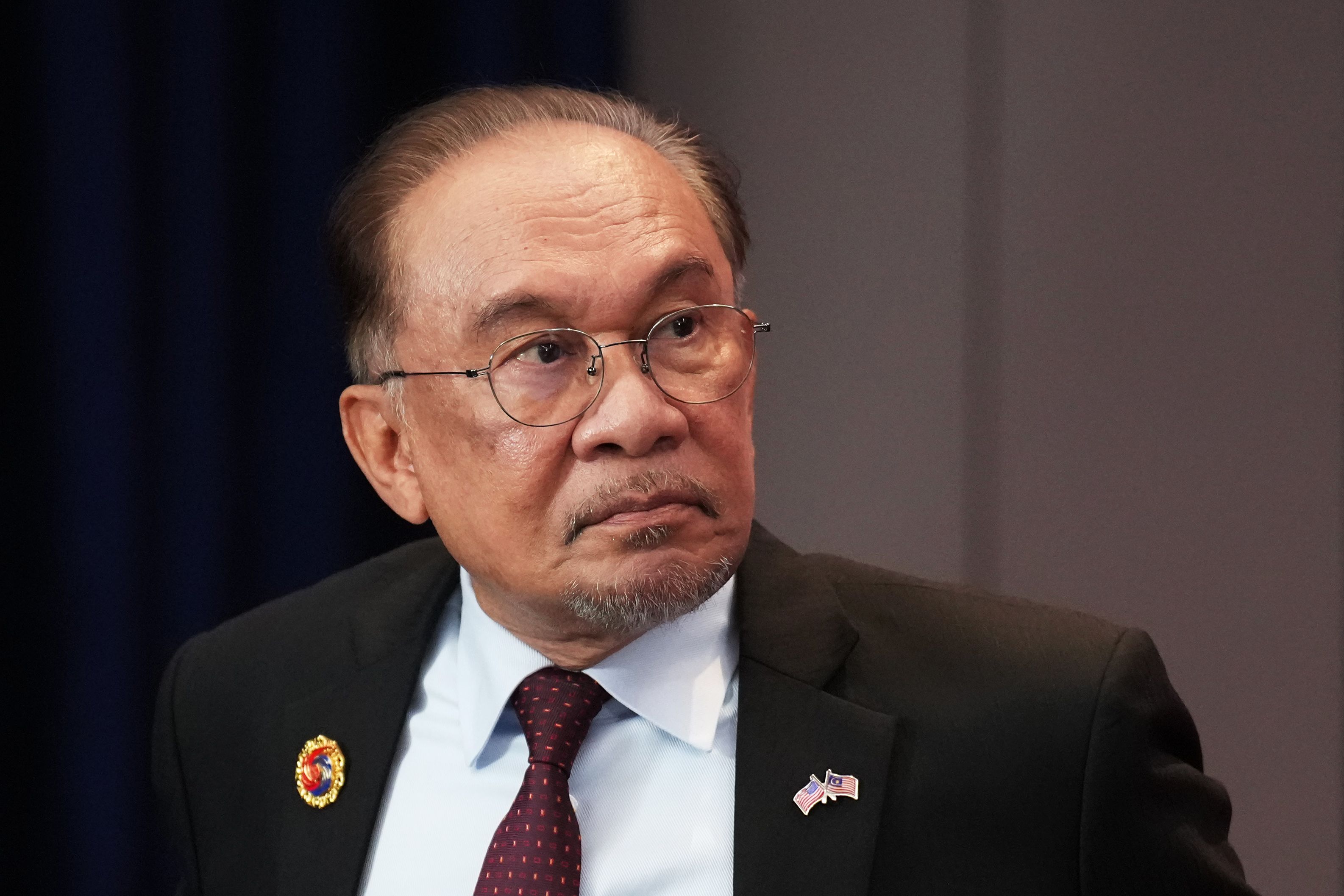
For Malaysia, the conjunction that works is “and” not “or” when it comes to the United States and China.
Elina Noor

ASEAN needs to determine how to balance perpetuating the benefits of technology cooperation with China while mitigating the risks of getting caught in the crosshairs of U.S.-China gamesmanship.
Elina Noor

Damien Ma is taking the helm as director of Carnegie China, the Carnegie Endowment’s East Asia-based research center.
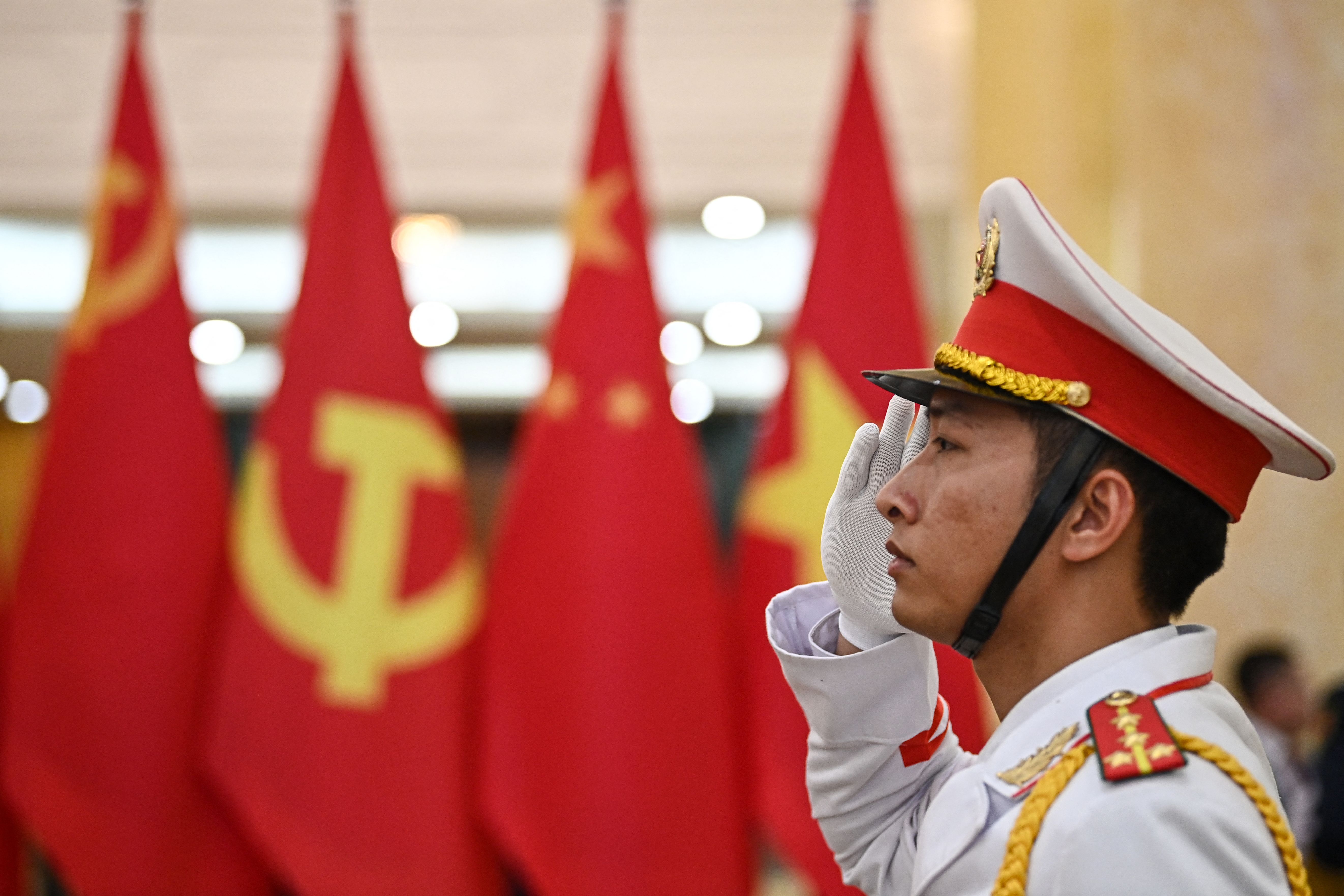
In July 2025, Vietnam and China held their first joint army drill, a modest but symbolic move reflecting Hanoi’s strategic hedging amid U.S.–China rivalry.

Nguyễn Khắc Giang