

Commentary
For Malaysia, the conjunction that works is “and” not “or” when it comes to the United States and China.
Elina Noor
{
  "authors": [
    "Kevin P. Gallagher"
  ],
  "type": "other",
  "centerAffiliationAll": "",
  "centers": [
    "Carnegie Endowment for International Peace"
  ],
  "collections": [],
  "englishNewsletterAll": "",
  "nonEnglishNewsletterAll": "",
  "primaryCenter": "Carnegie Endowment for International Peace",
  "programAffiliation": "",
  "programs": [],
  "projects": [],
  "regions": [
    "North America",
    "United States"
  ],
  "topics": [
    "Economy",
    "Trade",
    "Climate Change"
  ]
}
REQUIRED IMAGE
The U.S. Congress needs to examine the methods and process of environmental reviews under the Trade Act of 2002, which explicitly gives Congress the power to determine whether environmental issues are effectively incorporated into U.S. trade negotiations, to ensure they are used to inform trade negotiations in a timely manner.
Source: Carnegie
The Trade Act of 2002 explicitly gives Congress the power to determine whether environmental issues are effectively incorporated into U.S. trade negotiations through a process called Environmental Reviews—written assessments that examine the potential environmental benefits and costs of agreements under consideration. Earlier U.S. attempts at conducting these reviews have fallen short of providing timely and useful information to policy makers.
This policy brief argues that Congress needs to examine the methods and process of environmental reviews under the Trade Act of 2002 to ensure they are used to inform trade negotiations in a timely manner.
A limited number of print copies are available.
Request a copy
About the Author
Kevin P. Gallagher is a research associate with the Global Development and Environment Institute, Fletcher School of Law and Diplomacy, Tufts University, where he examines the social and environmental effects of economic integration in the Western Hemisphere, particularly in Mexico. He has written extensively on international economics, trade and environment, including most recently International Trade and Sustainable Development, and Transboundary Environmental Negotiation.
The Trade, Equity, and Development (TED) Series is part of an effort by Carnegie's Trade, Equity, and Development Project to broaden the debate surrounding trade liberalization to include perspectives not normally present in the Washington policy community.
Carnegie does not take institutional positions on public policy issues; the views represented herein are those of the author(s) and do not necessarily reflect the views of Carnegie, its staff, or its trustees.

For Malaysia, the conjunction that works is “and” not “or” when it comes to the United States and China.

Elina Noor

Regulation, not embargo, allows Beijing to shape how other countries and firms adapt to its terms.

Alvin Camba

Rather than climate ambitions, compatibility with investment and exports is why China supports both green and high-emission technologies.

Mathias Larsen
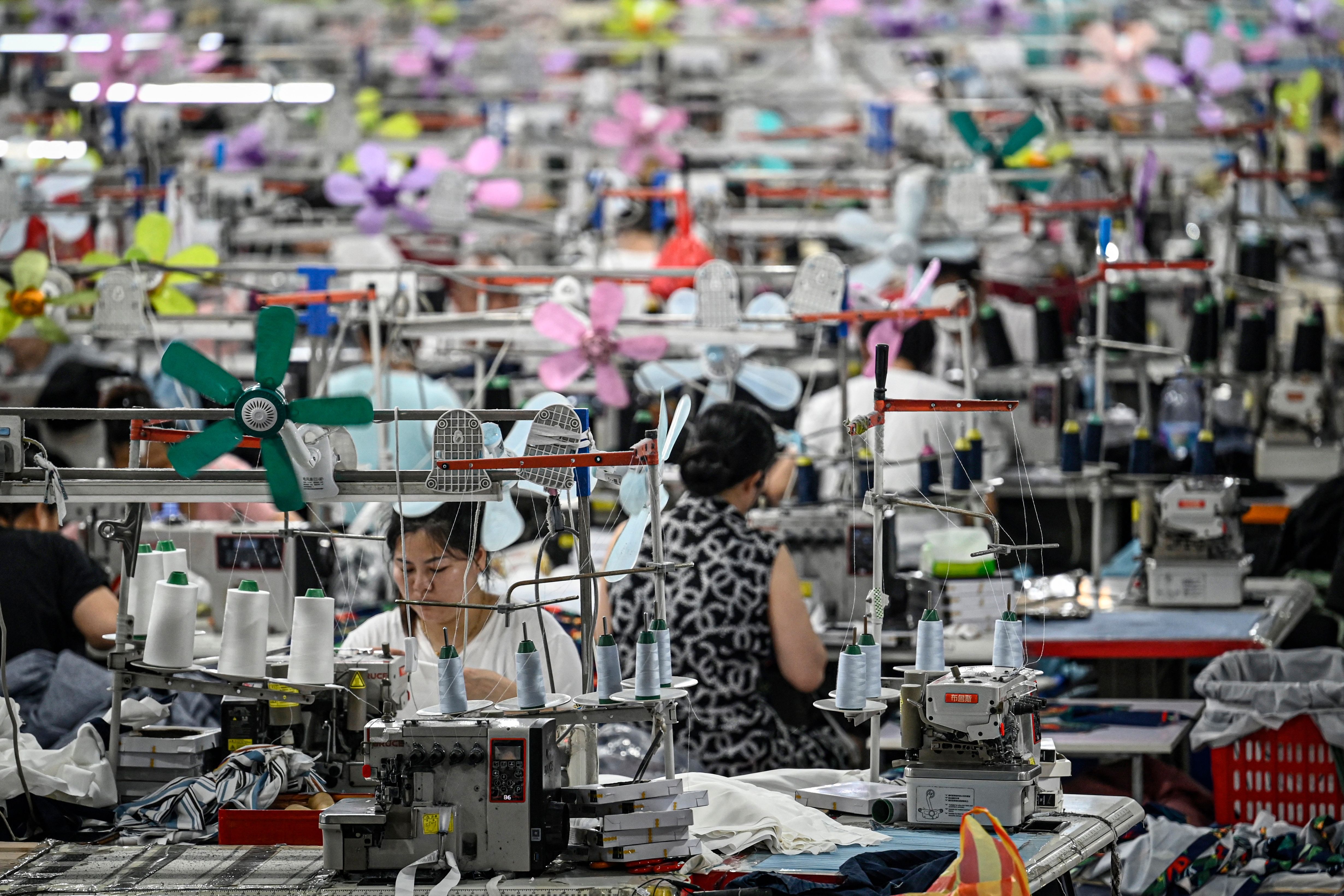
“Involution” is a new word for an old problem, and without a very different set of policies to rein it in, it is a problem that is likely to persist.

Michael Pettis

While China's investment story seems contradictory from the outside, the real answers to Beijing's high-quality growth ambitions are hiding in plain sight across the nation's cities.

Yuhan Zhang