

Commentary
Malaysia’s chairmanship sought to fend off short-term challenges while laying the groundwork for minimizing ASEAN’s longer-term exposure to external stresses.
Elina Noor
{
  "authors": [
    "Marina Ottaway",
    "Amr Hamzawy"
  ],
  "type": "other",
  "centerAffiliationAll": "",
  "centers": [
    "Carnegie Endowment for International Peace"
  ],
  "collections": [],
  "englishNewsletterAll": "",
  "nonEnglishNewsletterAll": "",
  "primaryCenter": "Carnegie Endowment for International Peace",
  "programAffiliation": "",
  "programs": [
    "Democracy, Conflict, and Governance",
    "Middle East"
  ],
  "projects": [],
  "regions": [
    "Middle East"
  ],
  "topics": [
    "Political Reform",
    "Democracy",
    "Economy",
    "Foreign Policy"
  ]
}
REQUIRED IMAGE
Although the United States and Europe share in interest in promoting political reform in the Middle East, they have not yet worked out whether they can work productively together on this task. Recent efforts to forge joint initiatives have demonstrated a tendency to devolve into lowest common denominator approaches that generate only lukewarm commitment.
Although the United States and Europe share in interest in promoting political reform in the Middle East, they have not yet worked out whether they can work productively together on this task. Recent efforts to forge joint initiatives have demonstrated a tendency to devolve into lowest common denominator approaches that generate only lukewarm commitment. A better way forward is for the United States and Europe to pursue separate but complementary policies that emphasize the respective strengths of each side—in the case of the United States, its power, in the case of Europe, its credibility in the Arab world.
Click link at right for full text.
Click on the link above for the full text of this Policy Outlook.
About the Authors
Marina Ottaway is a senior associate in the Democracy and Rule of Law Project at the Carnegie Endowment for International Peace. She works on problems of democratization and post-conflict transitions.
Amr Hamzawy is a senior associate in the Democracy and Rule of Law Project at the Carnegie Endowment for International Peace. He works on issues of political reform in the Middle East.
Carnegie does not take institutional positions on public policy issues; the views represented herein are those of the author(s) and do not necessarily reflect the views of Carnegie, its staff, or its trustees.
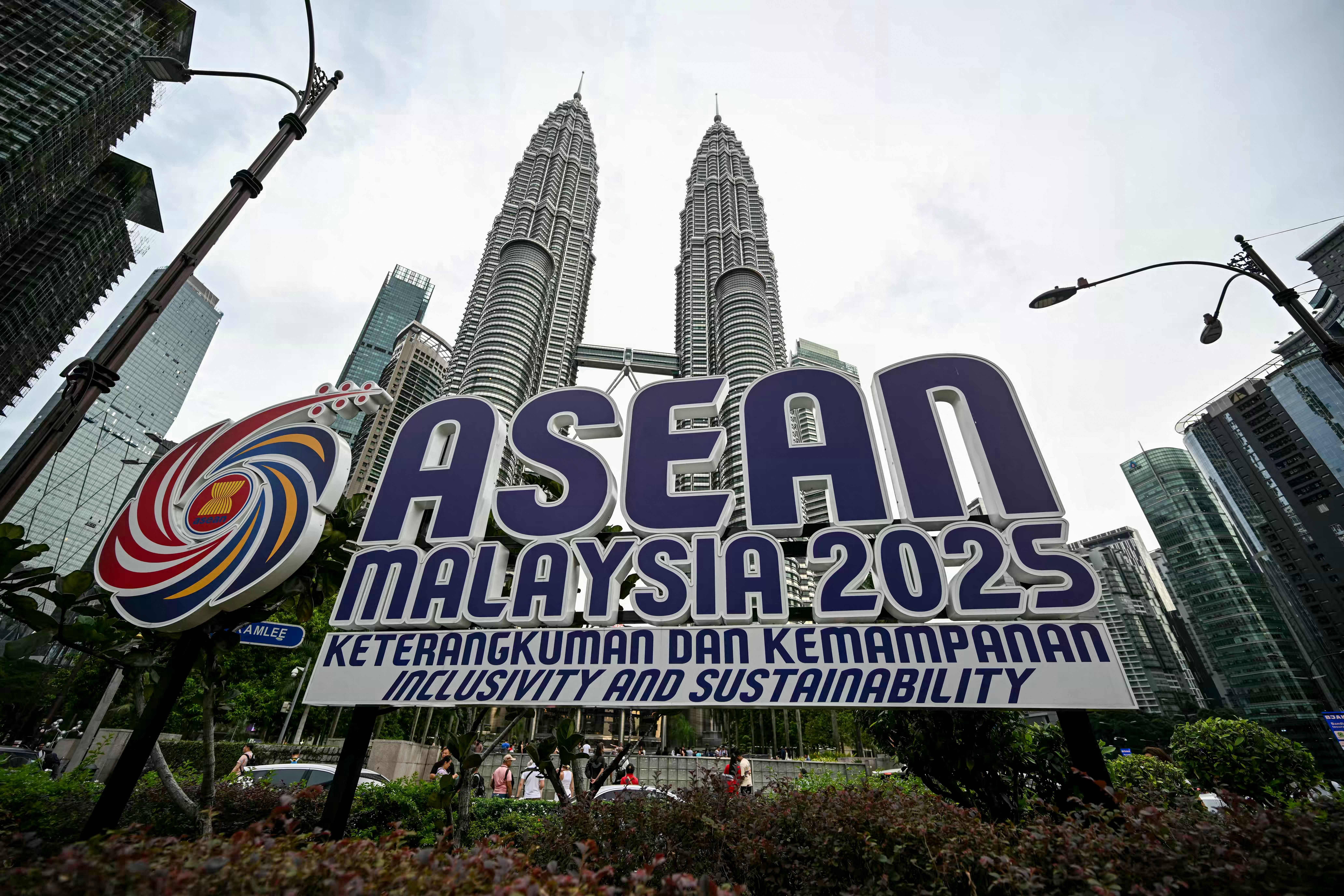
Malaysia’s chairmanship sought to fend off short-term challenges while laying the groundwork for minimizing ASEAN’s longer-term exposure to external stresses.

Elina Noor
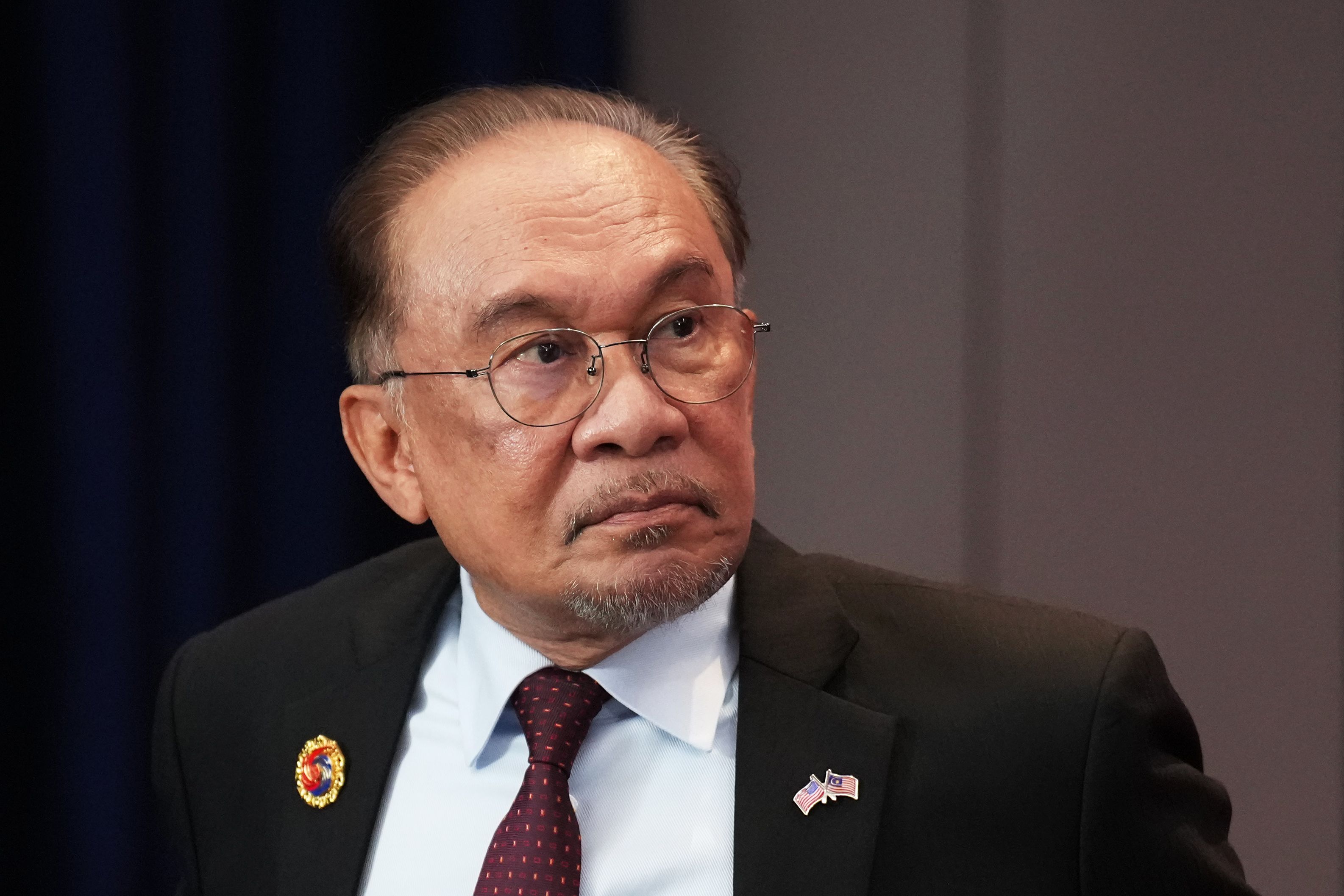
For Malaysia, the conjunction that works is “and” not “or” when it comes to the United States and China.
Elina Noor
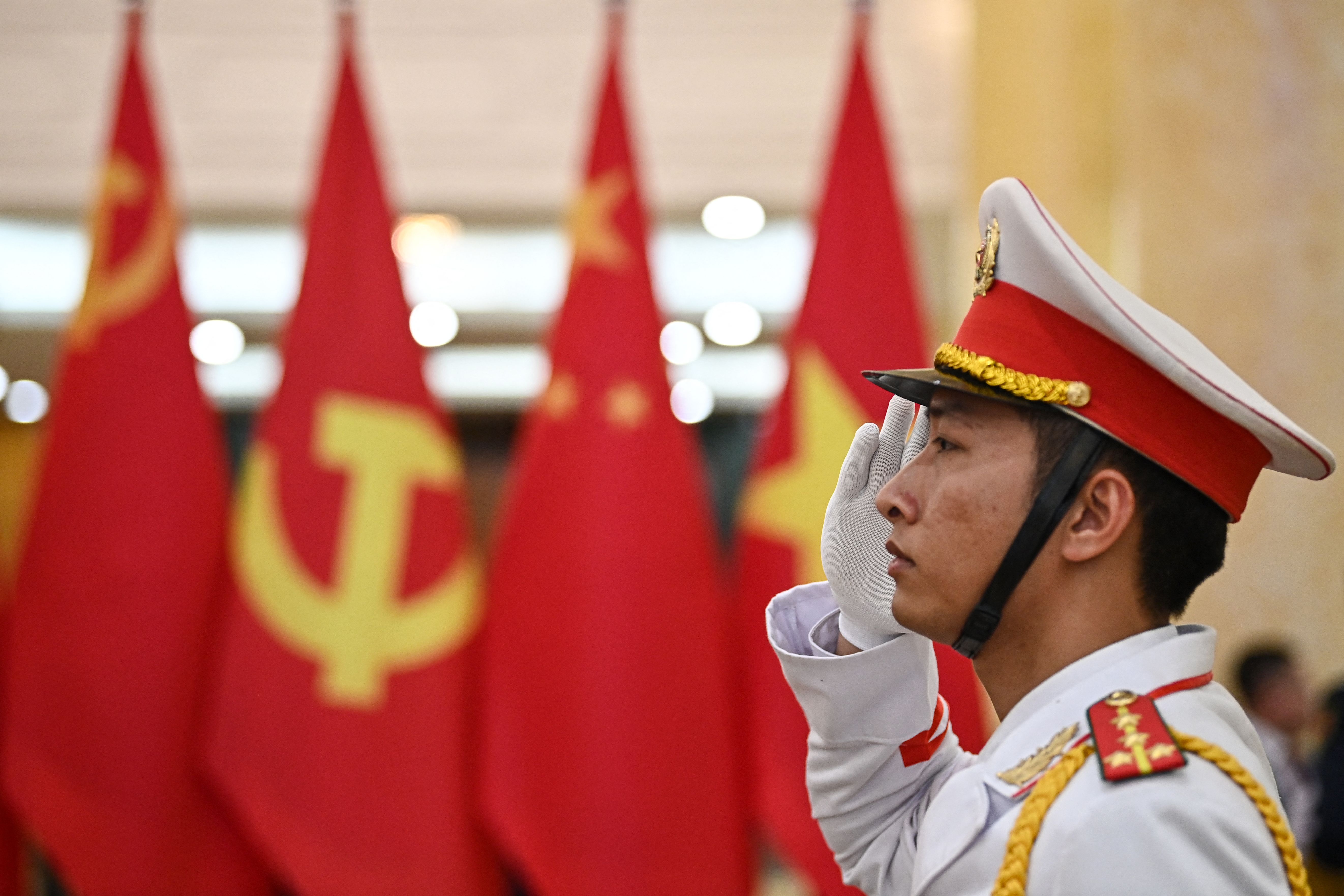
In July 2025, Vietnam and China held their first joint army drill, a modest but symbolic move reflecting Hanoi’s strategic hedging amid U.S.–China rivalry.

Nguyễn Khắc Giang
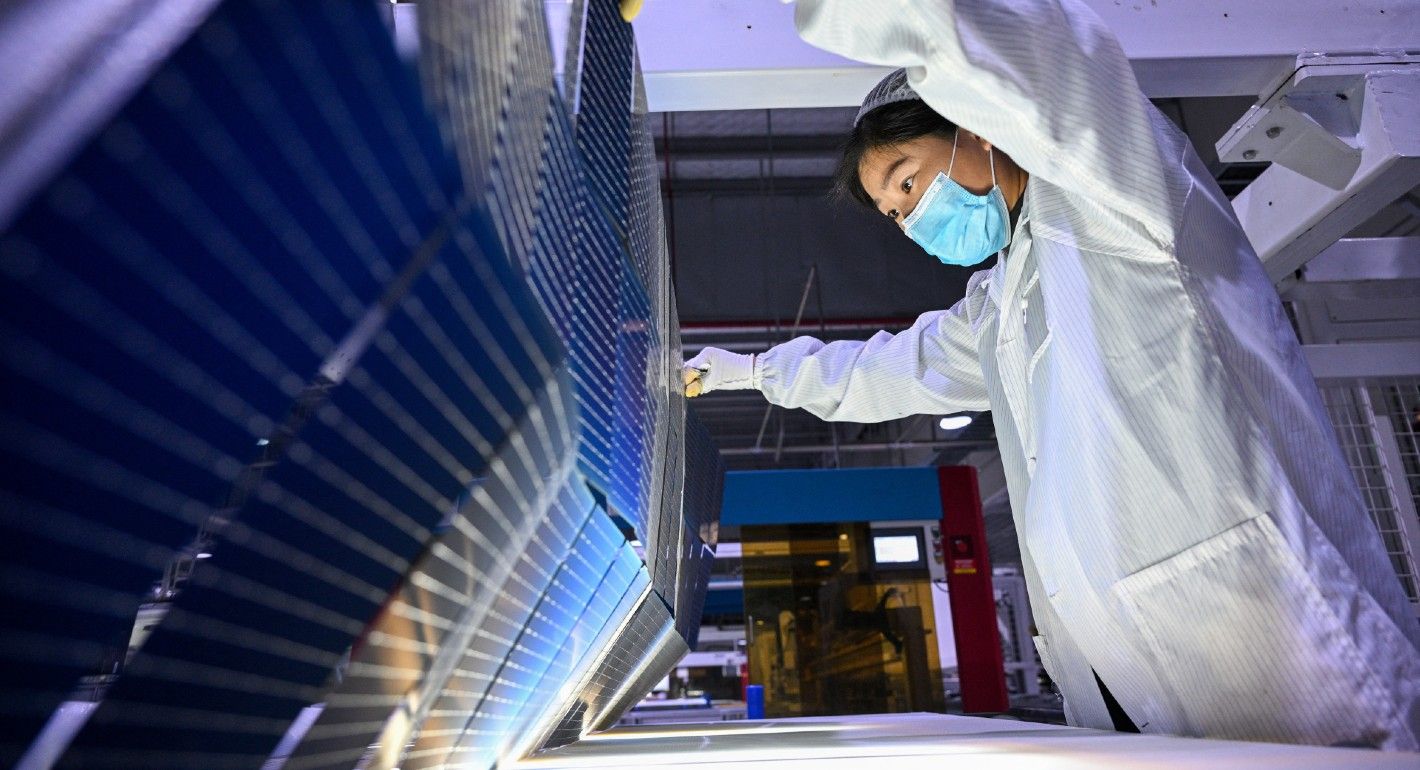
Rather than climate ambitions, compatibility with investment and exports is why China supports both green and high-emission technologies.

Mathias Larsen
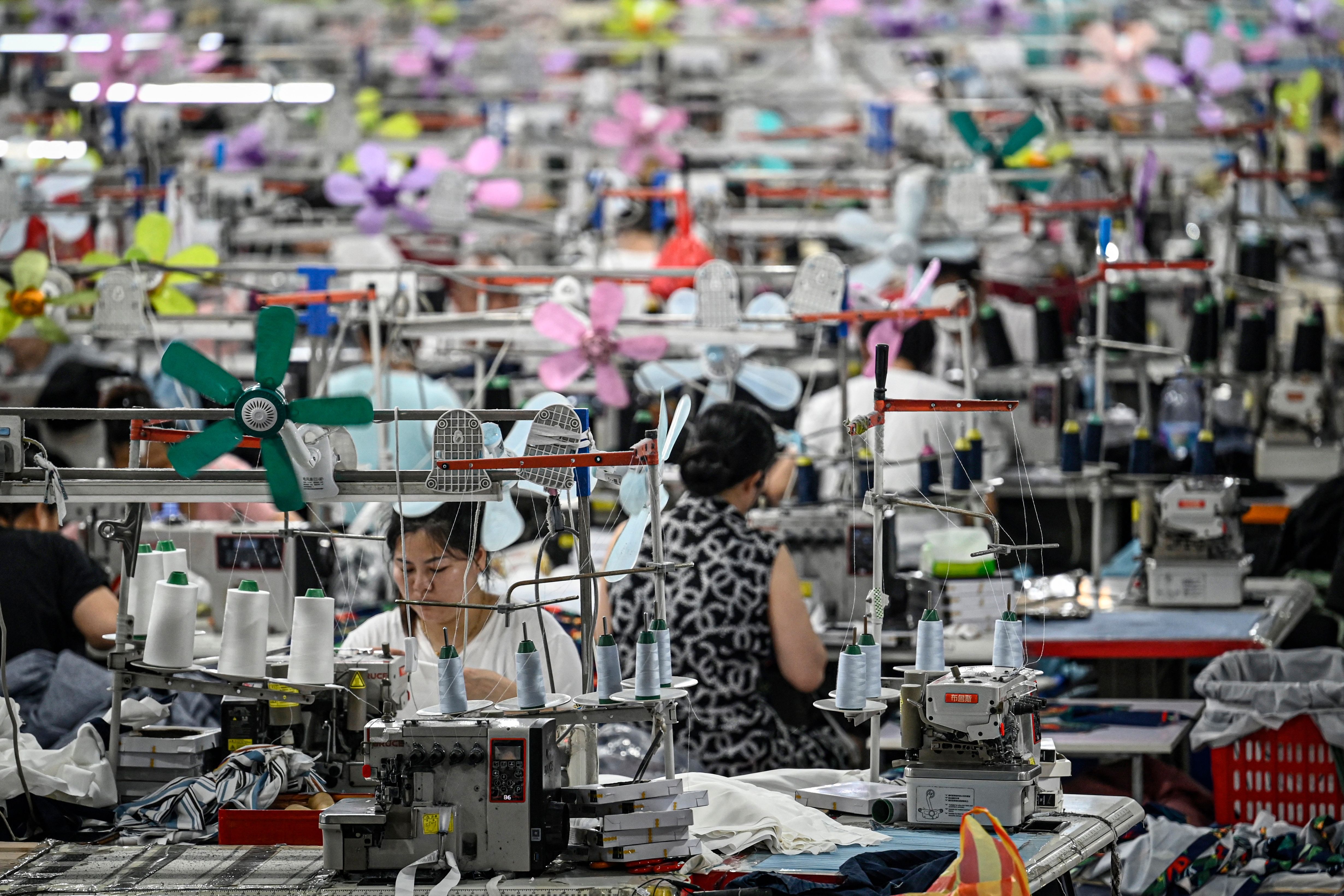
“Involution” is a new word for an old problem, and without a very different set of policies to rein it in, it is a problem that is likely to persist.

Michael Pettis