

Commentary
Malaysia’s chairmanship sought to fend off short-term challenges while laying the groundwork for minimizing ASEAN’s longer-term exposure to external stresses.
Elina Noor
{
  "authors": [
    "Ashley J. Tellis"
  ],
  "type": "legacyinthemedia",
  "centerAffiliationAll": "",
  "centers": [
    "Carnegie Endowment for International Peace"
  ],
  "collections": [],
  "englishNewsletterAll": "",
  "nonEnglishNewsletterAll": "",
  "primaryCenter": "Carnegie Endowment for International Peace",
  "programAffiliation": "",
  "programs": [
    "Asia"
  ],
  "projects": [],
  "regions": [
    "North America",
    "United States",
    "East Asia",
    "China",
    "Taiwan"
  ],
  "topics": [
    "Security",
    "Military",
    "Foreign Policy"
  ]
}
China's recent antisatellite test was not a protest against U.S. space policy, but rather, was part of a loftier strategy to combat U.S. military superiority and one that China will not trade away in any arms-control regime.
Source: Survival

Far from a response to assertive U.S. space policies, Tellis contends in "China's Military Space Strategy" that the ASAT test was part of a more ambitious goal--namely, defeating superior U.S. conventional forces, both in a potential war over Taiwan, as well as other long-term, geopolitical scenarios. The author states that Chinese analyses of U.S. military operations since Desert Storm concluded that U.S. military might depends inordinately on space-based systems for its operational effectiveness and hence must be targeted if China is to be able to stand up to the enormity of U.S. conventional military power.
In February 2008, Survival invited a group of scholars to respond to Tellis' article. See "China's Military Space Strategy: An Exchange" in the right sidebar for more.
Carnegie does not take institutional positions on public policy issues; the views represented herein are those of the author(s) and do not necessarily reflect the views of Carnegie, its staff, or its trustees.
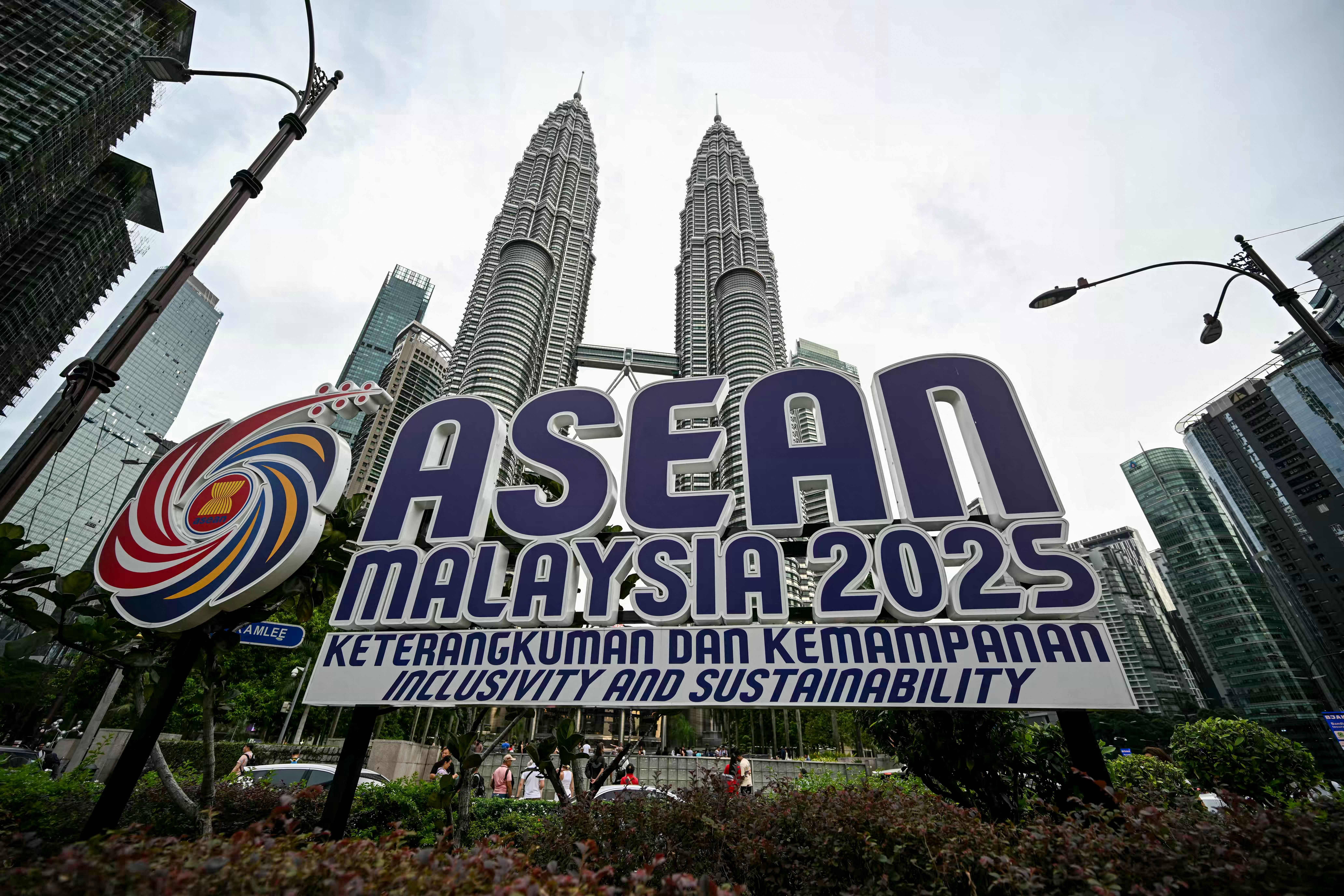
Malaysia’s chairmanship sought to fend off short-term challenges while laying the groundwork for minimizing ASEAN’s longer-term exposure to external stresses.

Elina Noor

For Malaysia, the conjunction that works is “and” not “or” when it comes to the United States and China.
Elina Noor

ASEAN needs to determine how to balance perpetuating the benefits of technology cooperation with China while mitigating the risks of getting caught in the crosshairs of U.S.-China gamesmanship.
Elina Noor
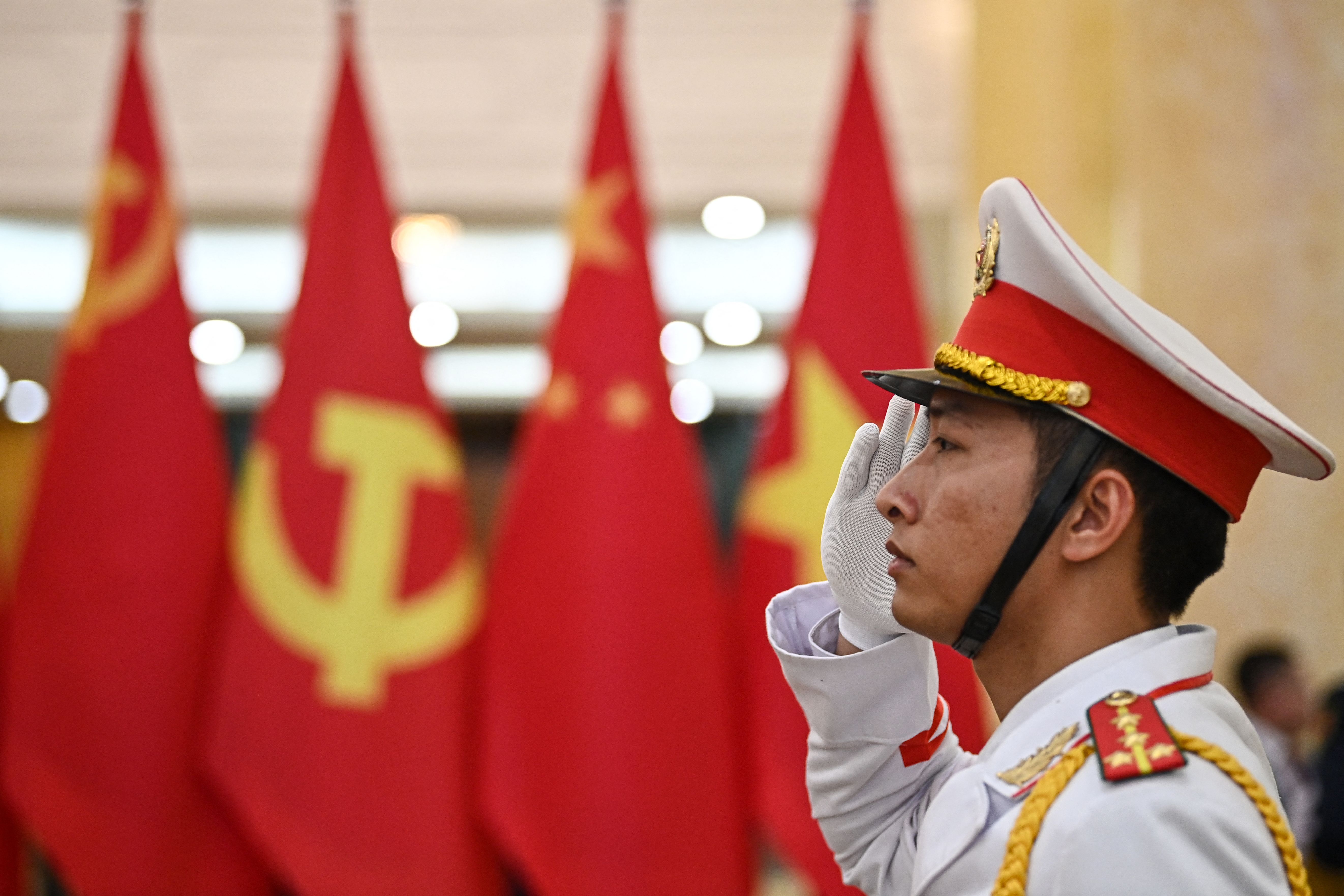
In July 2025, Vietnam and China held their first joint army drill, a modest but symbolic move reflecting Hanoi’s strategic hedging amid U.S.–China rivalry.

Nguyễn Khắc Giang

Regulation, not embargo, allows Beijing to shape how other countries and firms adapt to its terms.

Alvin Camba