

Commentary
Malaysia’s chairmanship sought to fend off short-term challenges while laying the groundwork for minimizing ASEAN’s longer-term exposure to external stresses.
Elina Noor
{
  "authors": [
    "Sandra Polaski"
  ],
  "type": "other",
  "centerAffiliationAll": "",
  "centers": [
    "Carnegie Endowment for International Peace"
  ],
  "collections": [],
  "englishNewsletterAll": "",
  "nonEnglishNewsletterAll": "",
  "primaryCenter": "Carnegie Endowment for International Peace",
  "programAffiliation": "",
  "programs": [],
  "projects": [],
  "regions": [
    "China",
    "East Asia"
  ],
  "topics": [
    "Economy",
    "Trade",
    "Foreign Policy"
  ]
}
A new study reveals that although many poor households will require urgent assistance because of rising food prices, more are likely to gain than lose. The Doha round could help by allowing developing countries the policy tools they need to build up their own agricultural sectors; increasing food supply in the medium term; and shielding the poor from market failures that can affect their survival.
Source: Carnegie Endowment

It also recommends how the Doha Round, which might soon reach a deal, could help by:
• allowing developing countries the policy tools they need to build up their own agricultural sectors;
• increasing food supply in the medium and long term; and
• shielding the poor from market failures that can affect their very survival.
In a policy outlook, Rising Food Prices, Poverty, and the Doha Round, Sandra Polaski examines the role of a Doha agreement in light of rising food prices and their impact on global poverty. She finds that conventional wisdom about the price rises, their effect on the poor, and how best to respond is largely wrong.
Polaski reviews the causes of high food prices that are susceptible to action by governments, including several that grew out of past policy mistakes. She presents recent evidence on how food prices affect the poor.
Polaski points out that all sophisticated models of the Doha Round conclude that it would raise food prices modestly, but she argues that a carefully crafted agreement could nonetheless play a positive role in improving global food security and reducing future hunger and poverty. However, proper diagnosis of the problem will be required to avoid counterproductive measures that could have disastrous results.
Key Conclusions:
• Because the impact of rising food prices varies widely from country to country and for different types of households, Polaski emphasizes the importance of avoiding a one-size-fits-all policy prescription that could make matters worse.
• Earlier episodes of trade liberalization that removed flexibility from the hands of developing country governments or led them to rely on global food markets and not invest in their own agricultural sectors have now shown themselves to be extremely shortsighted.
• The Doha Round must rebalance the rules so that poorer farmers can join regional and global markets as they gain the capacity to compete, while developing countries retain the policy tools needed to increase production and shield poor households from the worst global volatility.
“A quick conclusion to the Doha Round will not reduce current food prices. Instead, the path to greater global food security requires that developing countries retain the policy flexibility to provide appropriate incentives to their domestic agricultural sectors and to shield the poor from market failures that can affect their very survival,” concludes Polaski.
About the Author
Sandra Polaski is a senior associate and director of the Trade, Equity, and Development Program at the Carnegie Endowment. Polaski served as the U.S. Secretary of State’s special representative for International Labor Affairs, the senior official representing the State Department on international labor matters.
Carnegie does not take institutional positions on public policy issues; the views represented herein are those of the author(s) and do not necessarily reflect the views of Carnegie, its staff, or its trustees.
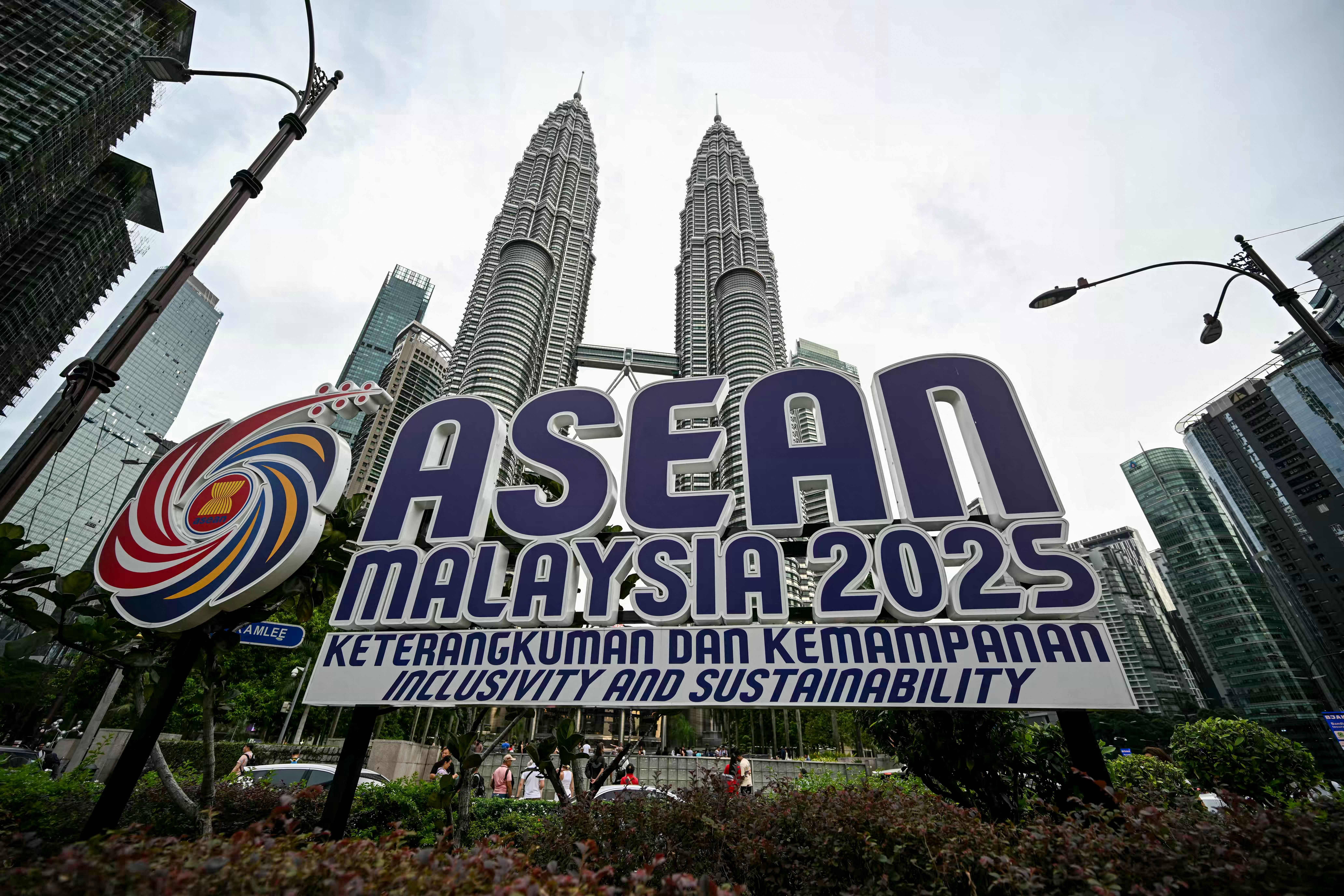
Malaysia’s chairmanship sought to fend off short-term challenges while laying the groundwork for minimizing ASEAN’s longer-term exposure to external stresses.

Elina Noor

For Malaysia, the conjunction that works is “and” not “or” when it comes to the United States and China.
Elina Noor

ASEAN needs to determine how to balance perpetuating the benefits of technology cooperation with China while mitigating the risks of getting caught in the crosshairs of U.S.-China gamesmanship.
Elina Noor
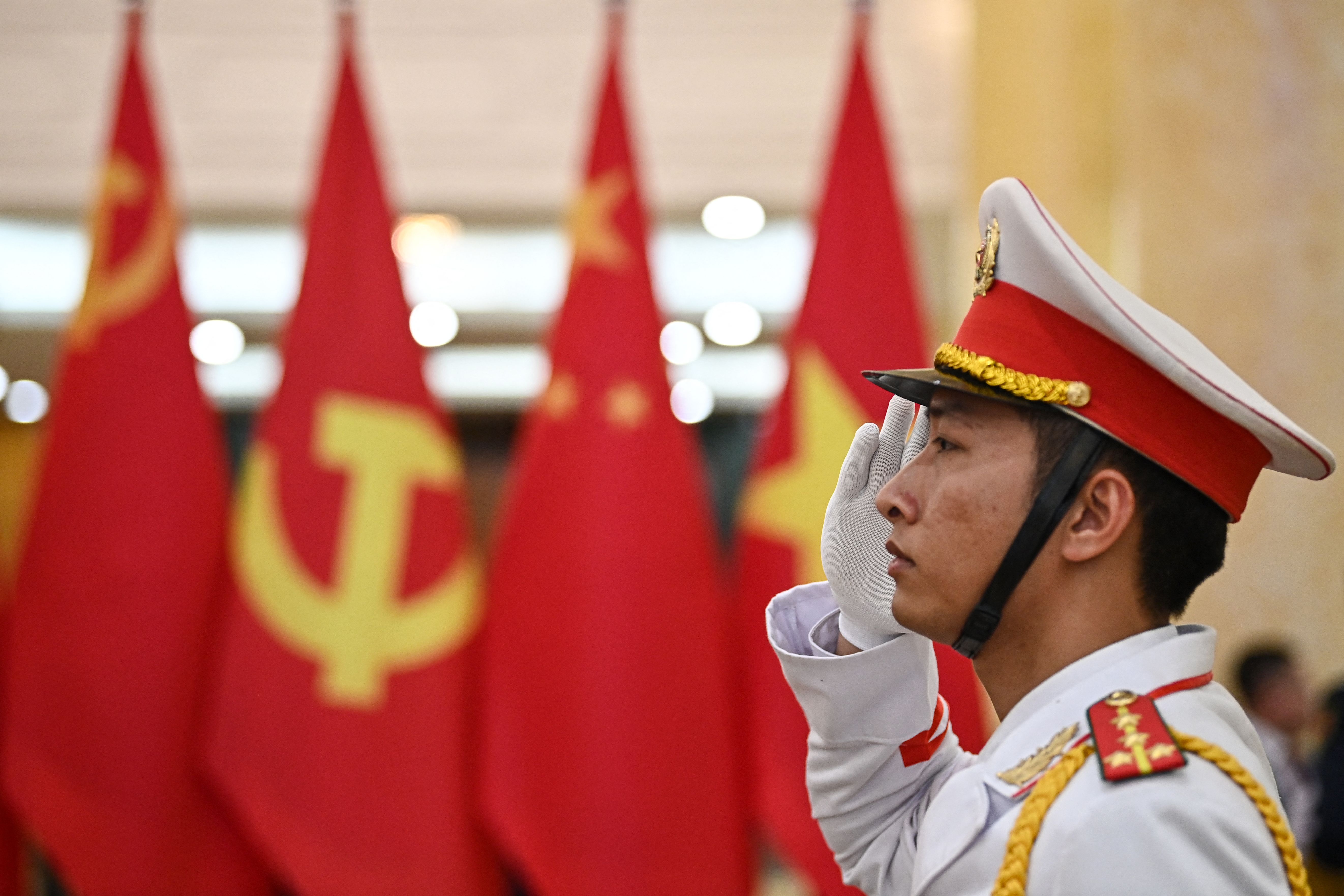
In July 2025, Vietnam and China held their first joint army drill, a modest but symbolic move reflecting Hanoi’s strategic hedging amid U.S.–China rivalry.

Nguyễn Khắc Giang
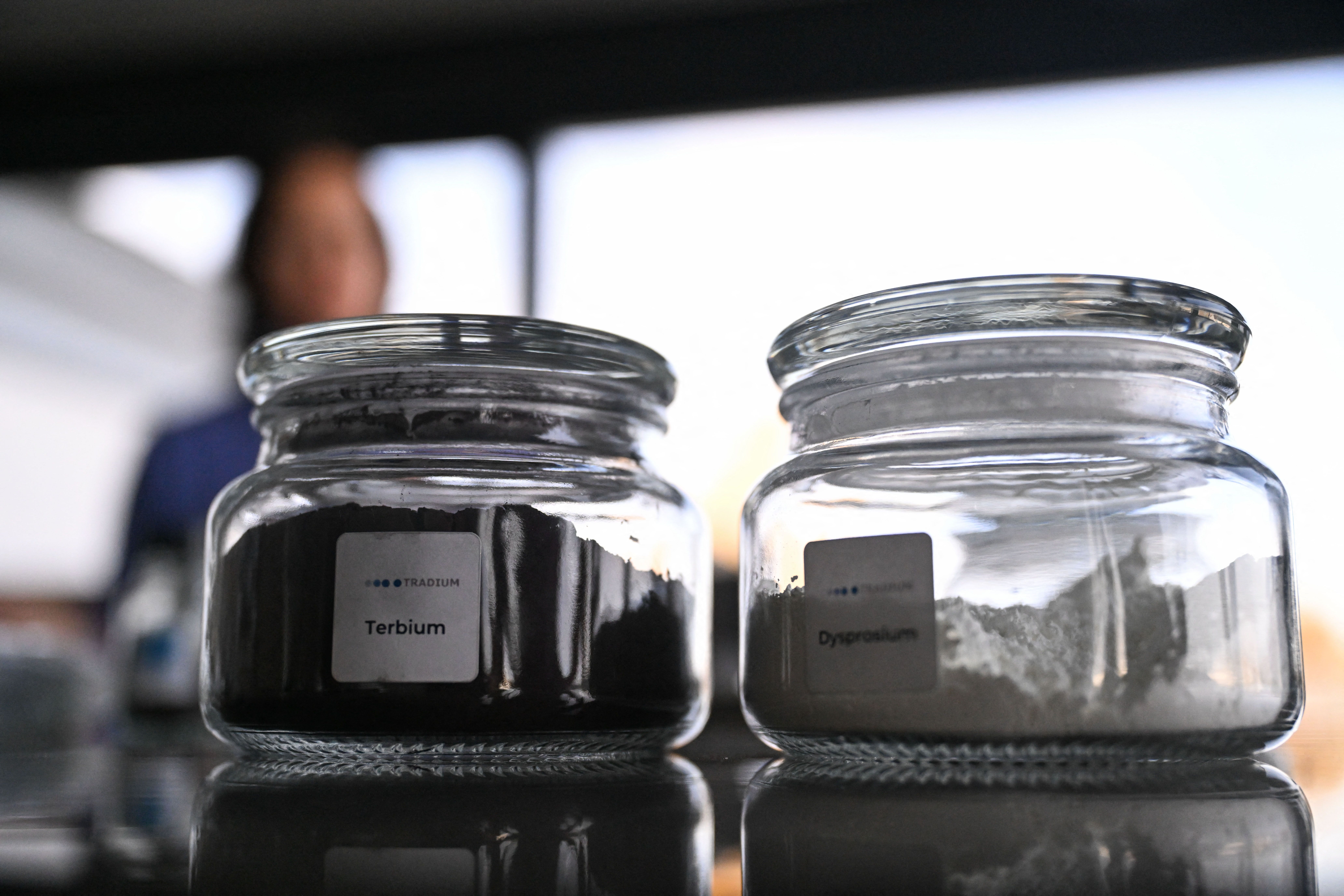
Regulation, not embargo, allows Beijing to shape how other countries and firms adapt to its terms.
Alvin Camba