

Commentary
Malaysia’s chairmanship sought to fend off short-term challenges while laying the groundwork for minimizing ASEAN’s longer-term exposure to external stresses.
Elina Noor
{
  "authors": [],
  "type": "pressRelease",
  "centerAffiliationAll": "dc",
  "centers": [
    "Carnegie Endowment for International Peace"
  ],
  "collections": [],
  "englishNewsletterAll": "asia",
  "nonEnglishNewsletterAll": "",
  "primaryCenter": "Carnegie Endowment for International Peace",
  "programAffiliation": "AP",
  "programs": [
    "Asia"
  ],
  "projects": [],
  "regions": [
    "North America",
    "United States",
    "China"
  ],
  "topics": [
    "Economy",
    "Foreign Policy"
  ]
}
REQUIRED IMAGE
China’s economy will surpass that of the United States by 2035 and be twice its size by midcentury, a new report by Albert Keidel concludes. China’s rapid growth is driven by domestic demand—not exports—and will sustain high single-digit growth rates well into this century.
WASHINGTON, July 8—China’s economy will surpass that of the United States by 2035 and be twice its size by midcentury, a new report by Albert Keidel concludes. China’s rapid growth is driven by domestic demand—not exports—and will sustain high single-digit growth rates well into this century.
In China’s Economic Rise—Fact and Fiction, Keidel examines China’s likely economic trajectory and its implications for global commercial, institutional, and military leadership.
Key Conclusions:
"China’s economic performance clearly is no flash in the pan. Its growth this decade has averaged more than 10 percent a year and is still going strong in the first half of 2008. Because its success in recent decades has not been export-led but driven by domestic demand, its rapid growth can continue well into the twenty-first century, unfettered by world market limitation. China’s likely continued success will eventually bring an end to America’s global economic preeminence, requiring strategic reassessment by all major economies—especially the United States, the European Union, Japan, and even China itself."
###

Carnegie does not take institutional positions on public policy issues; the views represented herein are those of the author(s) and do not necessarily reflect the views of Carnegie, its staff, or its trustees.

Malaysia’s chairmanship sought to fend off short-term challenges while laying the groundwork for minimizing ASEAN’s longer-term exposure to external stresses.

Elina Noor

For Malaysia, the conjunction that works is “and” not “or” when it comes to the United States and China.
Elina Noor

ASEAN needs to determine how to balance perpetuating the benefits of technology cooperation with China while mitigating the risks of getting caught in the crosshairs of U.S.-China gamesmanship.
Elina Noor
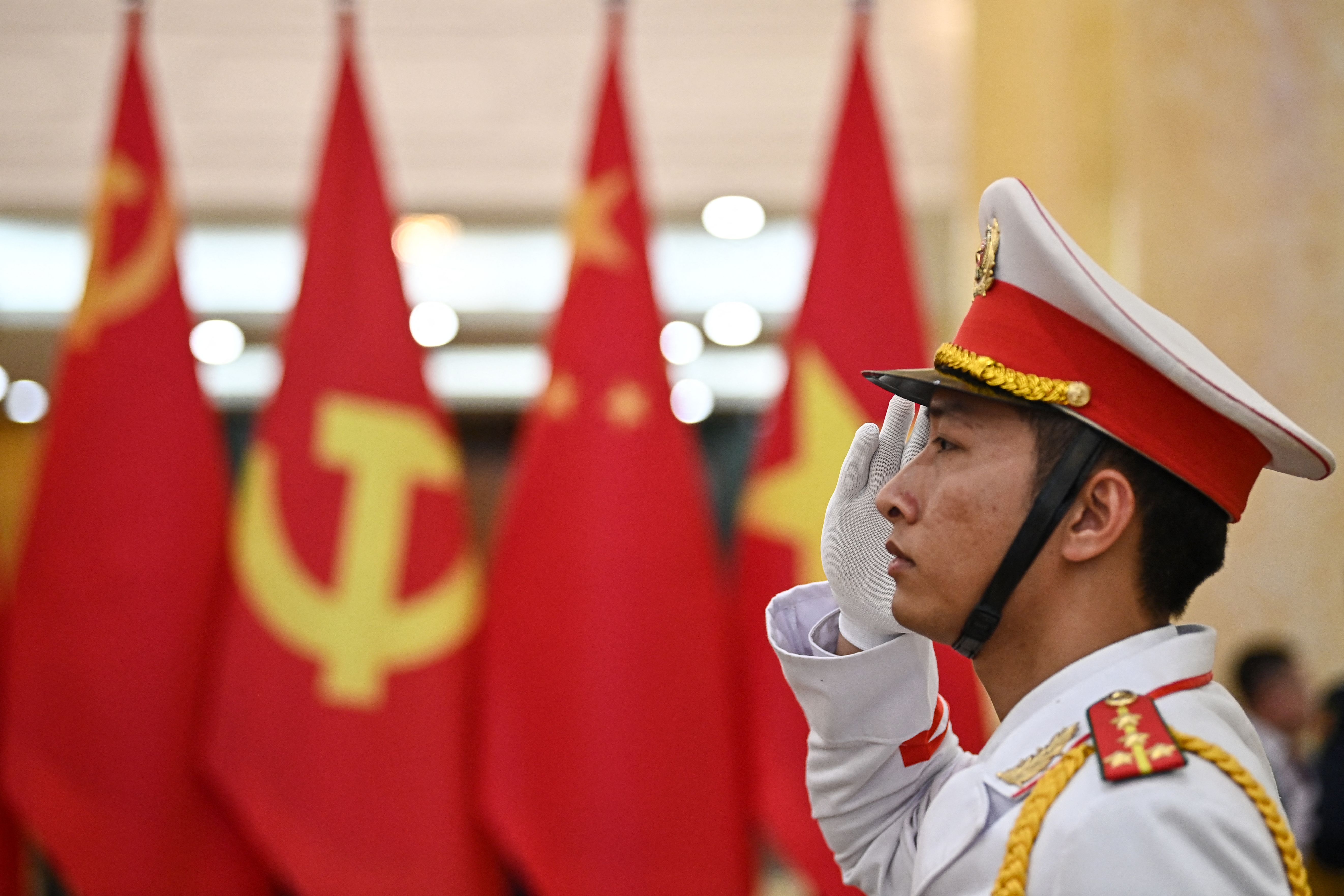
In July 2025, Vietnam and China held their first joint army drill, a modest but symbolic move reflecting Hanoi’s strategic hedging amid U.S.–China rivalry.

Nguyễn Khắc Giang

Regulation, not embargo, allows Beijing to shape how other countries and firms adapt to its terms.

Alvin Camba