

Commentary
Regulation, not embargo, allows Beijing to shape how other countries and firms adapt to its terms.
Alvin Camba
{
  "authors": [],
  "type": "pressRelease",
  "centerAffiliationAll": "",
  "centers": [
    "Carnegie Endowment for International Peace"
  ],
  "collections": [],
  "englishNewsletterAll": "",
  "nonEnglishNewsletterAll": "",
  "primaryCenter": "Carnegie Endowment for International Peace",
  "programAffiliation": "",
  "programs": [],
  "projects": [],
  "regions": [],
  "topics": [
    "Economy",
    "Trade"
  ]
}
REQUIRED IMAGE
Robert E. B. Lucas finds in a new report that the net impact of migration is positive for the migrants and high-income countries, and more gains are feasible. At the same time, he finds more ambiguous effects on developing countries, which may suffer from growing brain-drain; only temporary migration among southern hemisphere countries seemed to provide clear benefits.
WASHINGTON, Oct 14—As globalization spread dramatically over the last twenty years, migration expanded less rapidly than either trade or foreign investment. Yet migration remains contentious, often being blamed for income stagnation, even as some economists praise it as the fastest route to raising world incomes. The reality is more limited and nuanced.
Money sent by migrants to their home countries can promote rapid growth in developing regions, and the withdrawal of laborers can induce higher wages or less underemployment for those left behind. However, the flow of money can dry up quickly and unexpectedly, as has happened recently in Mexico.
Robert E. B. Lucas finds in a new report that the net impact of migration is positive for the migrants and high-income countries, and more gains are feasible. At the same time, he finds more ambiguous effects on developing countries, which may suffer from growing brain-drain; only temporary migration among southern hemisphere countries seemed to provide clear benefits.
Key findings:
Lucas concludes:
“The net potential gains to migrants entering the industrialized countries are extremely high. Yet the impacts of any additional migrations on the incomes of those left at home and of natives in the host countries are more ambiguous. While migrants are clearly the big winners, others may even lose.”
###


Regulation, not embargo, allows Beijing to shape how other countries and firms adapt to its terms.

Alvin Camba

Rather than climate ambitions, compatibility with investment and exports is why China supports both green and high-emission technologies.

Mathias Larsen
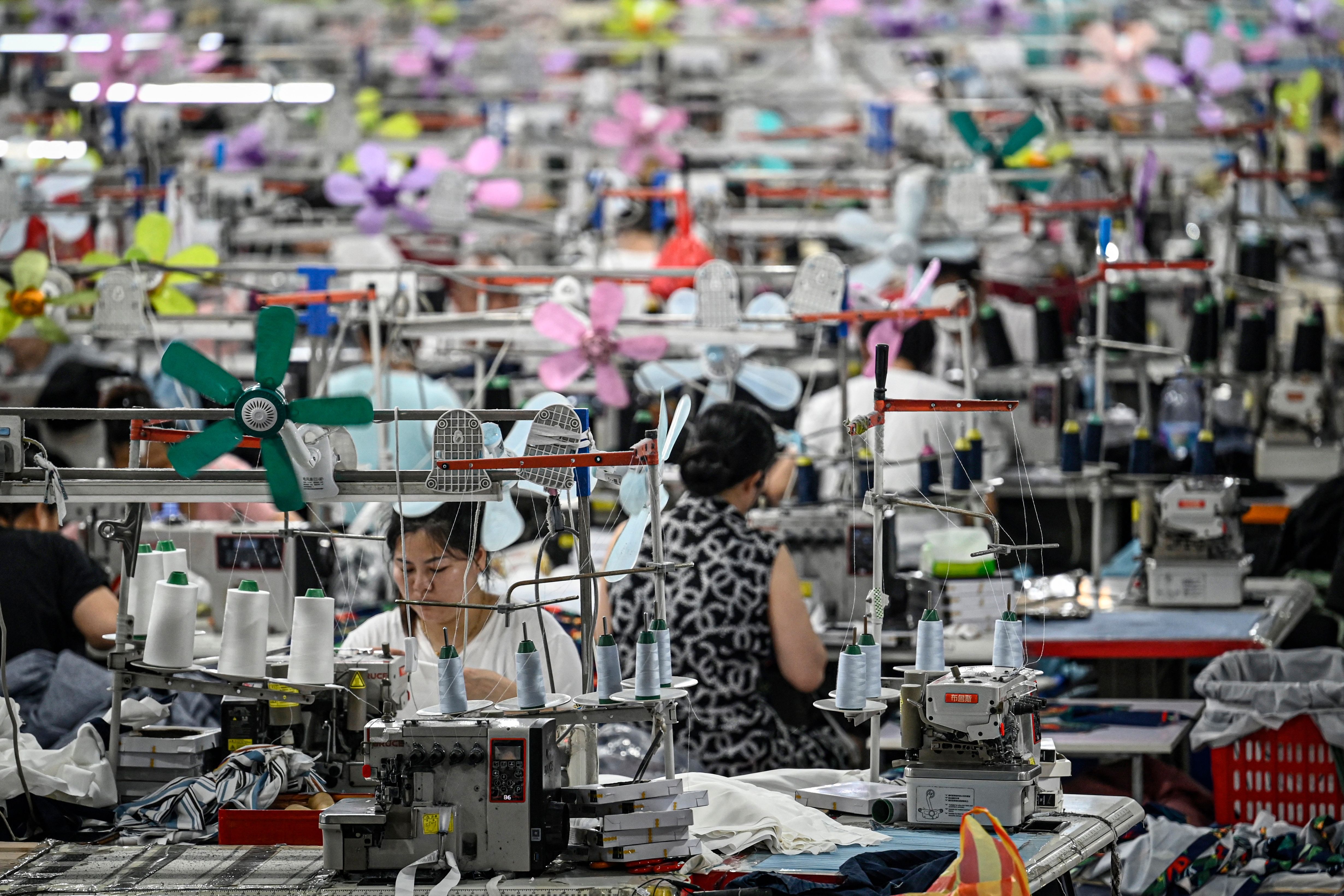
“Involution” is a new word for an old problem, and without a very different set of policies to rein it in, it is a problem that is likely to persist.

Michael Pettis

While China's investment story seems contradictory from the outside, the real answers to Beijing's high-quality growth ambitions are hiding in plain sight across the nation's cities.

Yuhan Zhang
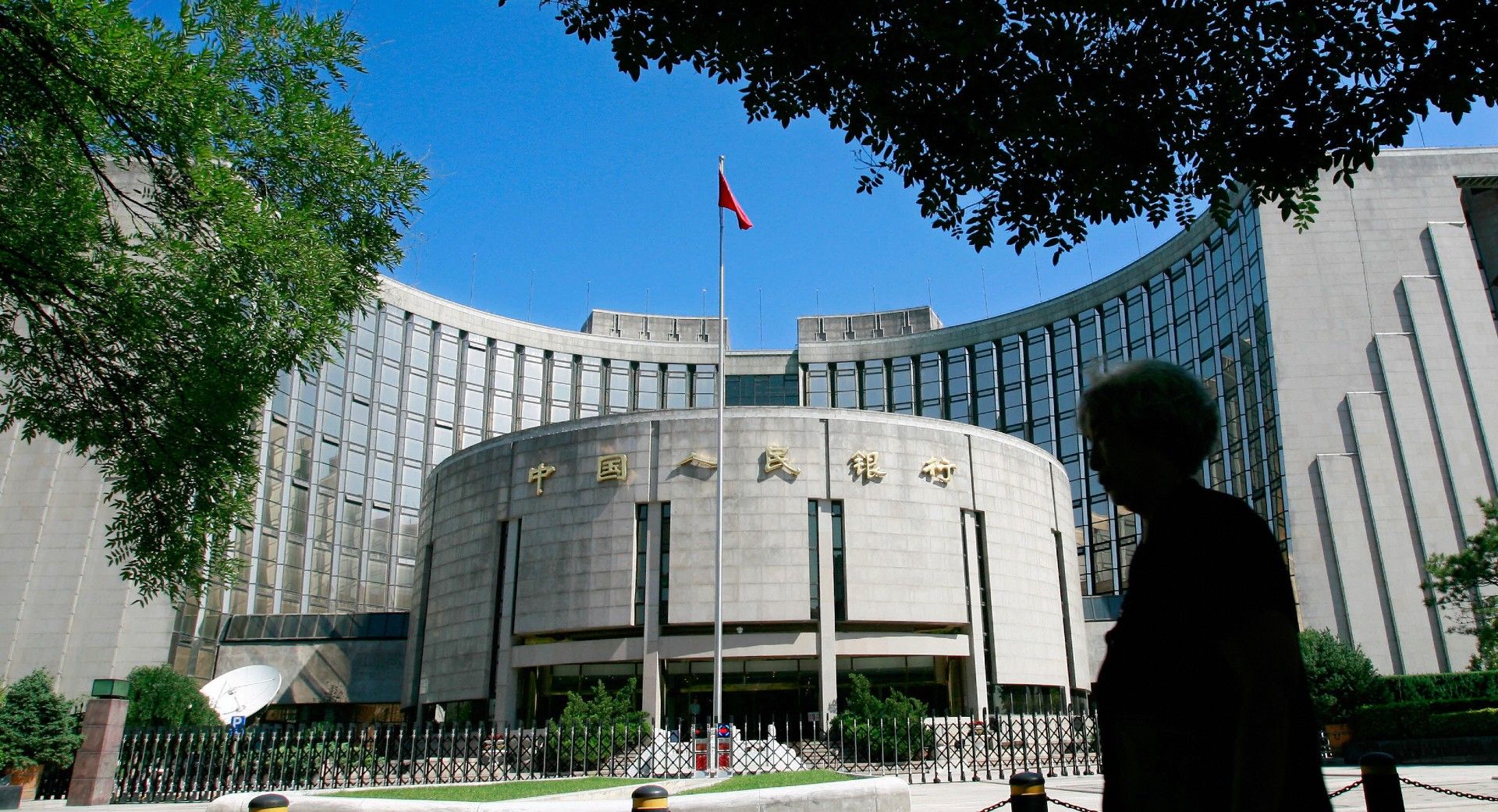
China's stimulus addiction cannot go on forever. Beijing still has policy space to clean up the country's massive debt issue, but time is running short.
Michael Pettis