

Commentary
For Malaysia, the conjunction that works is “and” not “or” when it comes to the United States and China.
Elina Noor
{
  "authors": [
    "Uri Dadush",
    "Lauren Falcão"
  ],
  "type": "other",
  "centerAffiliationAll": "",
  "centers": [
    "Carnegie Endowment for International Peace"
  ],
  "collections": [],
  "englishNewsletterAll": "",
  "nonEnglishNewsletterAll": "",
  "primaryCenter": "Carnegie Endowment for International Peace",
  "programAffiliation": "",
  "programs": [],
  "projects": [],
  "regions": [
    "North America",
    "United States",
    "South America",
    "Western Europe"
  ],
  "topics": [
    "Economy",
    "Trade"
  ]
}
Source: Getty
Migrants are economic assets for both their host and home countries, but they are disproportionately affected by the global financial crisis. Temporary migration programs and collaboration with migrant-sending countries can help maximize the economic benefits of migration, even in times of crisis.
More than 200 million people reside in a country that is not their birthplace. This “diaspora nation” of migrants outranks all but four of the world’s countries in population. These migrants make an immense economic contribution both to their host country and to their home country, primarily through transfers of money they earn back to their home country, which are known as “remittances.” About 82 percent of migrants originate in developing countries, and their remittances, which amounted to an estimated $305 billion in 2008, represent an essential source of foreign exchange for these countries, as well as a major instrument in the fight against poverty.

Former Senior Associate, International Economics Program
Dadush was a senior associate at the Carnegie Endowment for International Peace. He focuses on trends in the global economy and is currently tracking developments in the eurozone crisis.
Lauren Falcão
Former Junior Fellow, Trade, Equity, and Development Program
Carnegie does not take institutional positions on public policy issues; the views represented herein are those of the author(s) and do not necessarily reflect the views of Carnegie, its staff, or its trustees.

For Malaysia, the conjunction that works is “and” not “or” when it comes to the United States and China.

Elina Noor

Regulation, not embargo, allows Beijing to shape how other countries and firms adapt to its terms.

Alvin Camba

Rather than climate ambitions, compatibility with investment and exports is why China supports both green and high-emission technologies.

Mathias Larsen
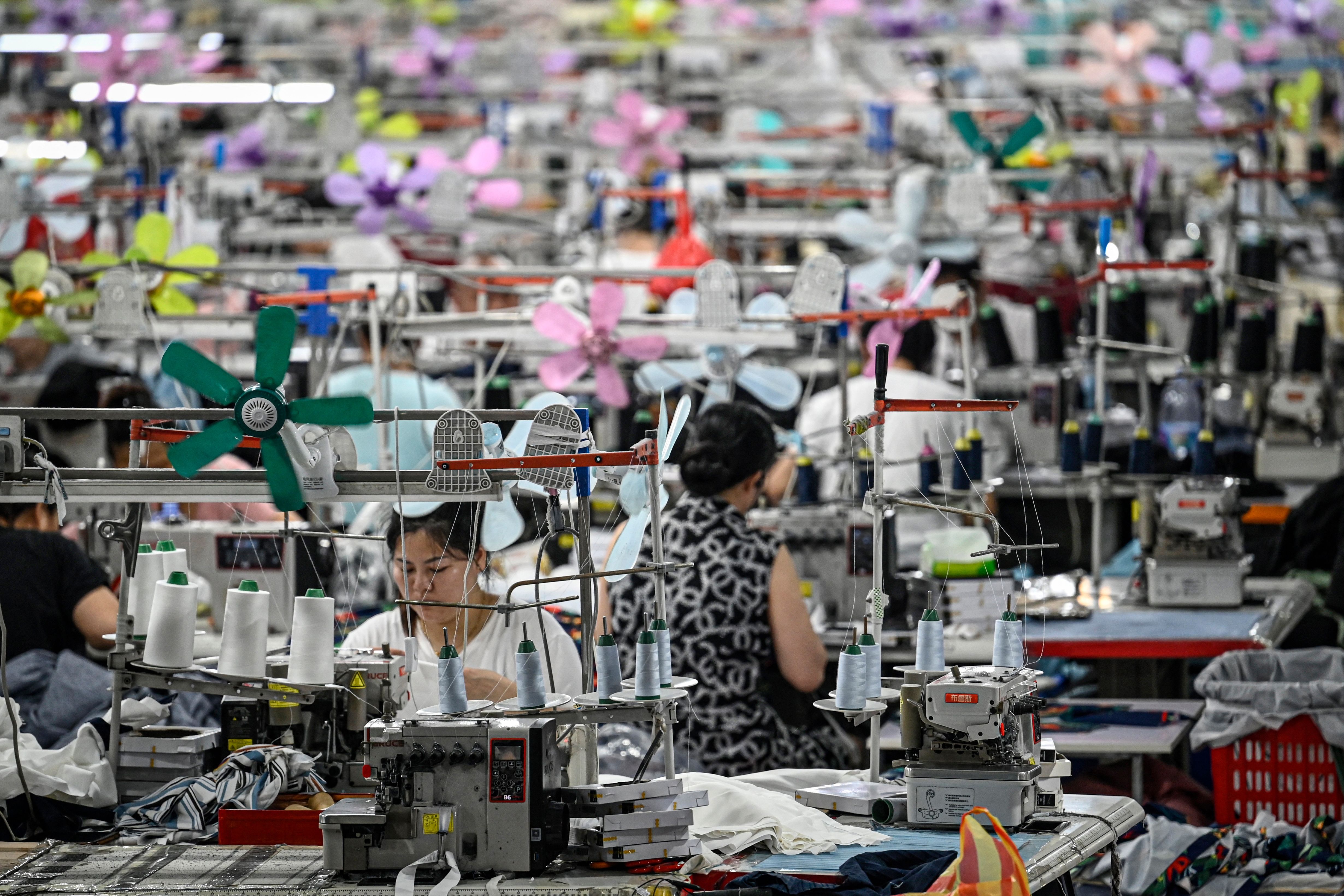
“Involution” is a new word for an old problem, and without a very different set of policies to rein it in, it is a problem that is likely to persist.

Michael Pettis

While China's investment story seems contradictory from the outside, the real answers to Beijing's high-quality growth ambitions are hiding in plain sight across the nation's cities.

Yuhan Zhang