

Commentary
Rather than climate ambitions, compatibility with investment and exports is why China supports both green and high-emission technologies.
Mathias Larsen
{
  "authors": [
    "Uri Dadush",
    "Shimelse Ali"
  ],
  "type": "other",
  "centerAffiliationAll": "",
  "centers": [
    "Carnegie Endowment for International Peace"
  ],
  "collections": [],
  "englishNewsletterAll": "",
  "nonEnglishNewsletterAll": "",
  "primaryCenter": "Carnegie Endowment for International Peace",
  "programAffiliation": "",
  "programs": [],
  "projects": [],
  "regions": [
    "Southern, Eastern, and Western Africa",
    "North America"
  ],
  "topics": [
    "Economy"
  ]
}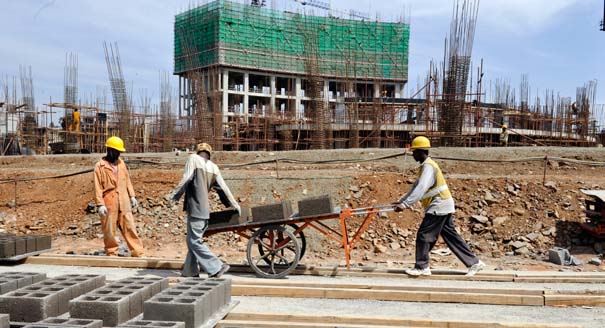
After stagnating for decades, economic growth in Africa has accelerated, but maintaining this rapid growth is far from guaranteed. Policy makers must build on past successes and tackle tough reforms before the world’s poorest continent can make sustained economic progress.
After stagnating for much of the postcolonial period, economic growth in Africa has accelerated since the mid-1990s. Improved terms of trade, better macroeconomic and education policies, and greater demand for services helped Africa’s annual GDP growth rate more than double to 4.6 percent from 1999–2008 compared to the previous decade. Impressively, GDP in African economies accelerated more quickly than that of developing economies in other regions.
To continue this growth, Africa must overcome numerous challenges. Africa suffers from low investment and savings rates, a lagging demographic transition as the continent’s high fertility rate creates a bulge in the number of young people requiring education, low productivity, and a low level of exports—even as export prices have increased.
Still, Africa also has a number of long-term growth opportunities. By developing ties with emerging economies such as China and India, Africa will be able to export more goods abroad, particularly as income and wages in those countries grow. The emergence of a middle class in Africa will also create more demand.
To ensure Africa successfully moves up the development ladder, policy makers must improve the continent’s governance and business climate, allowing it to compete successfully with other poor but increasingly dynamic developing regions. Specific steps include:
Africa’s continued—and accelerated—growth over the long term is by no means guaranteed. But if policy makers can build on their successes so far and tackle tougher second-generation reforms, they can help Africa become more competitive, improve productivity, and increase per-capita incomes well into the future.
Carnegie does not take institutional positions on public policy issues; the views represented herein are those of the author(s) and do not necessarily reflect the views of Carnegie, its staff, or its trustees.
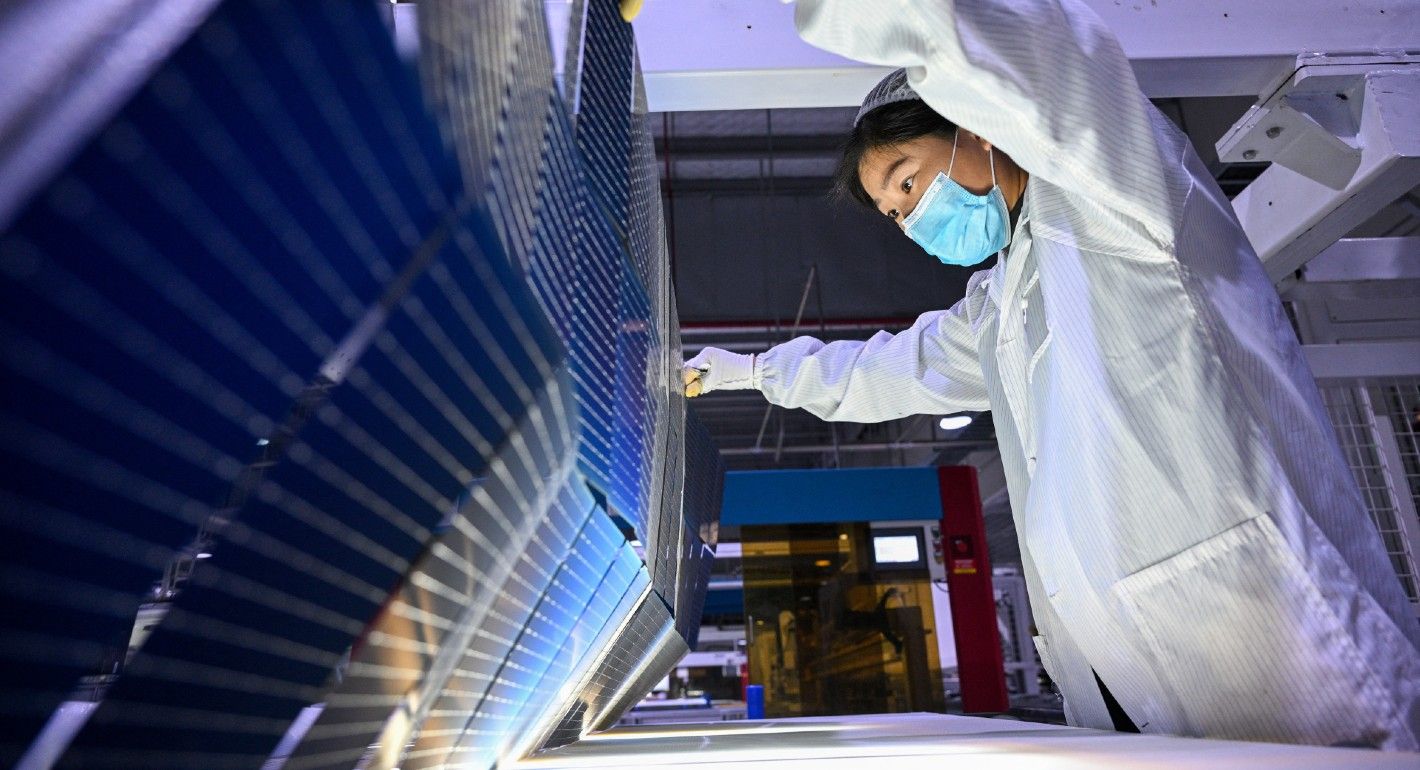
Rather than climate ambitions, compatibility with investment and exports is why China supports both green and high-emission technologies.

Mathias Larsen
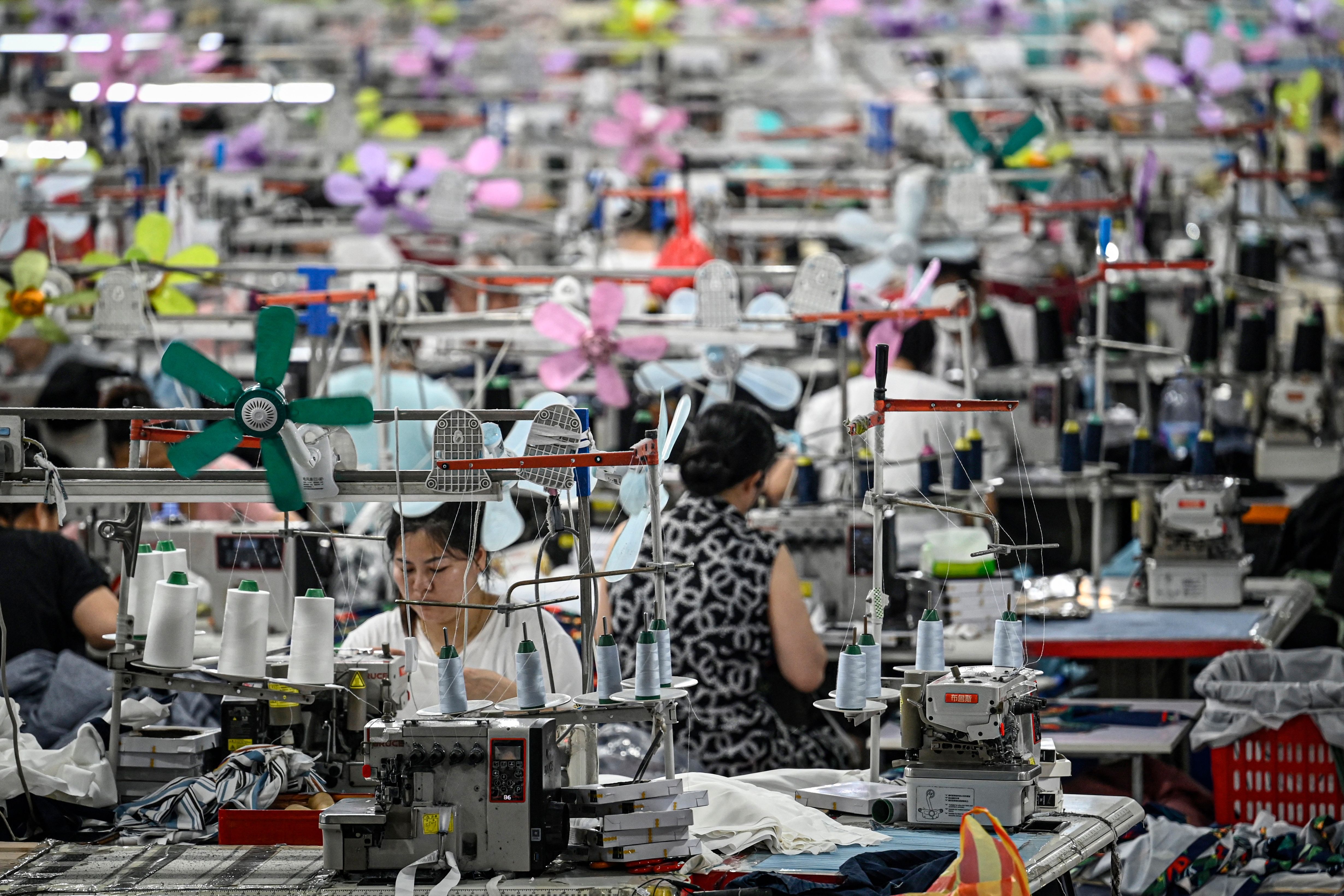
“Involution” is a new word for an old problem, and without a very different set of policies to rein it in, it is a problem that is likely to persist.

Michael Pettis

While China's investment story seems contradictory from the outside, the real answers to Beijing's high-quality growth ambitions are hiding in plain sight across the nation's cities.

Yuhan Zhang
China's stimulus addiction cannot go on forever. Beijing still has policy space to clean up the country's massive debt issue, but time is running short.
Michael Pettis
A quick look at the complexities behind Beijing’s enduring Catch-22 situation with revaluing the Renminbi, despite advantages of a stronger currency.
Michael Pettis